


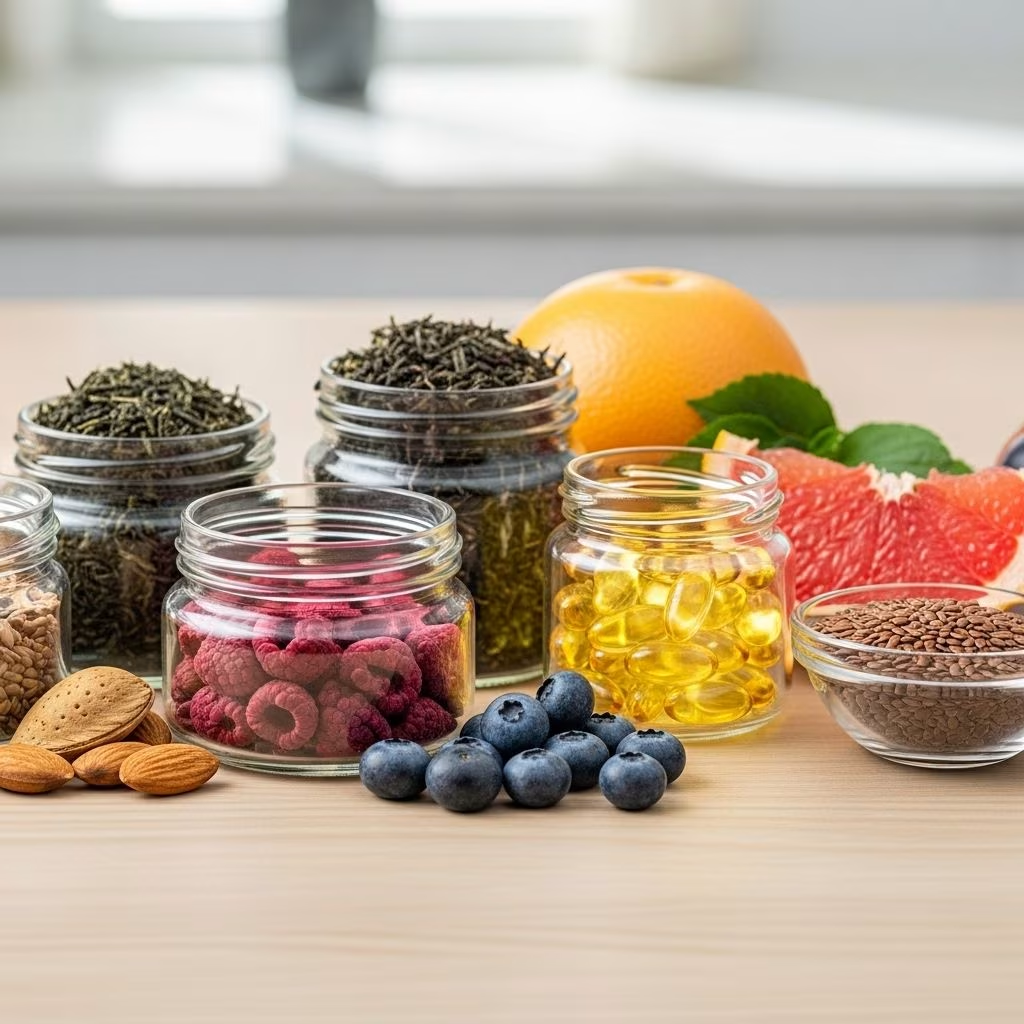
Natural Supplements That May Help With Menopause Weight Loss
Menopause marks a significant transition in a woman’s life—shifting hormones, changing metabolism, and often, unwanted weight gain. While no supplement is a magic bullet, research increasingly highlights the potential of certain natural supplements to support weight management and ease menopause symptoms. In this comprehensive guide, we’ll explore the science and practical recommendations for maca root, phytoestrogens, ashwagandha, magnesium, and other nutrients that may offer relief during this challenging phase.
Can Supplements Really Help With Menopause Weight Loss?
The evidence on dietary supplements and their direct impact on weight loss during perimenopause and menopause is limited, but promising. The key? Supplements should complement—not replace—a balanced diet and regular physical activity. Some natural substances show potential in easing symptoms and supporting metabolic health, making it easier for women to manage their weight during this transition.
Maca Root for Menopause
Maca root (Lepidium meyenii), a Peruvian medicinal plant, has been used for centuries to support fertility and hormonal balance. In a small study focused on early postmenopausal women, daily supplementation with 2 grams of maca powder led to a “highly significant” reduction in average BMI after two months, alongside improvements in other menopause symptoms like hot flashes. While this study did not specifically measure body fat changes, the positive effects on BMI and overall well-being are encouraging.
- Potential Benefits: May increase oestrogen levels, support healthy weight, and reduce hot flashes.
- Dosage: Studies suggest 2 grams per day, but consult a healthcare provider for tailored advice.
- Safety: Generally well-tolerated, but interactions with medications are possible—always consult your doctor before starting any supplement.
Phytoestrogen Supplements and Weight Management
Phytoestrogens are plant compounds that mimic estrogen in the body. Common sources include isoflavones (found in soybeans) and lignans (found in beans, pulses, and flaxseeds). Their role in menopause weight loss is complex and may depend on your overall health status.
What the Research Says
A review of 1,880 postmenopausal women found that phytoestrogen supplementation was associated with a slight decrease in waist-hip ratio—an indicator of abdominal fat distribution. Healthy women saw a modest decrease in body weight compared to placebo, but those with metabolic conditions (like type 2 diabetes or high cholesterol) sometimes experienced increased weight.
Sources of Phytoestrogens
- Soy Isoflavones: Found in soybeans, tofu, tempeh, and soy milk.
- Lignans: Present in flaxseeds, whole grains, and many vegetables.
- Red Clover: Contains plant estrogens, but research on its efficacy is mixed.
Considerations
- Individual Response: Effects vary depending on your health status and metabolism.
- Diet vs. Supplements: Whole foods rich in phytoestrogens are generally preferred, but supplements can help fill gaps.
Ashwagandha for Stress, Cravings, and Weight
Ashwagandha, an adaptogenic herb from Ayurvedic medicine, is renowned for its stress-relieving properties. While research specifically on menopause and weight is limited, one study found that taking 600 mg of ashwagandha daily for 8 weeks led to an average 3% body weight reduction and a similar drop in BMI—double the effect seen with placebo. Participants also reported fewer food cravings and less emotional eating, which are common challenges during menopause.
- Potential Benefits: May reduce stress-related weight gain, curb cravings, and improve overall well-being.
- Dosage: Common dosages range from 300–600 mg per day, but individual needs may vary.
- Safety: Generally safe, but consult your doctor if you have thyroid issues or take other medications.
Magnesium: Essential for Metabolism and Well-being
Magnesium is a crucial mineral involved in hundreds of biochemical processes, including hormone regulation and metabolism. While there’s little direct evidence that magnesium causes weight loss, it can improve menopause symptoms like poor sleep and anxiety—both of which can slow metabolism and make weight loss harder. Magnesium may also help reduce bloating, which can make you feel heavier around the middle.
- Sources: Leafy greens, nuts, seeds, and whole grains are excellent dietary sources.
- Supplementation: Consider a supplement if dietary intake is insufficient, especially for those with sleep or anxiety issues.
- Dosage: Typical supplement doses range from 200–400 mg per day, but needs vary by individual.
Other Key Nutrients for Menopause Weight Management
Beyond the supplements above, several other nutrients play a supportive role in menopause health and weight management.
Calcium and Vitamin D
Calcium and vitamin D are critical for bone health, especially as estrogen levels decline. Some research suggests calcium may influence fat cell production and metabolism, though evidence is mixed. Vitamin D helps your body absorb calcium and supports immune function.
- Food Sources: Dairy, fortified plant milks, yogurt, canned salmon, and sardines.
- Supplementation: Recommended if dietary intake is low, particularly for women at risk of osteoporosis.
Omega-3 Fatty Acids
Omega-3s, found in fatty fish, flaxseeds, chia seeds, and walnuts, have anti-inflammatory properties and may improve body composition, especially when paired with a calorie-controlled diet. They may also help with blood sugar and lipid control, supporting overall metabolic health.
- Food Sources: Salmon, mackerel, flaxseeds, chia seeds, walnuts.
- Supplementation: Fish oil or algae-based supplements can be considered if dietary intake is inadequate.
Menopause Weight Management: Supplements in Context
While supplements can offer support, they are just one piece of the puzzle. Sustainable weight management during menopause requires a holistic approach:
- Balanced Diet: Focus on whole, nutrient-dense foods, lean proteins, healthy fats, and plenty of fiber.
- Regular Exercise: Aim for a mix of aerobic activity, strength training, and flexibility exercises.
- Stress Management: Practices like yoga, meditation, and adequate sleep can help regulate hormones and reduce emotional eating.
- Medical Support: Consult your healthcare provider before starting any new supplement, especially if you have underlying health conditions or take medications.
Popular Commercially Available Menopause Supplements
Some products combine several of the above ingredients for convenience. For example, Estroven® Menopause Relief Weight Management includes black cohosh (for hot flashes and night sweats) and CQR-300® (a botanical extract to support metabolic health and serotonin balance). These products are hormone-free and may help manage multiple symptoms, but results can vary, and they should be used as part of a broader health strategy.
Menopause Supplement Comparison Table
| Supplement | Main Benefits | Common Dosage | Food Sources | Considerations |
|---|---|---|---|---|
| Maca Root | May increase estrogen, reduce hot flashes, support weight | 2 g/day | Powder, capsules | Consult doctor if on medications |
| Phytoestrogens | May reduce abdominal fat, modest weight loss in some | Varies | Soy, flaxseeds, whole grains | Effects vary by health status |
| Ashwagandha | Reduces stress, cravings, may help weight | 300–600 mg/day | Powder, capsules | Generally safe, check for interactions |
| Magnesium | Improves sleep, anxiety, may help metabolism | 200–400 mg/day | Leafy greens, nuts, seeds | May improve bloating and well-being |
| Calcium & Vitamin D | Bone health, possible metabolic support | 1,000–1,200 mg Ca, 600–800 IU D | Dairy, fortified foods, fish | Essential for bone density |
| Omega-3s | Anti-inflammatory, may improve body composition | Varies | Fatty fish, flaxseeds, walnuts | Supports heart and metabolic health |
Frequently Asked Questions (FAQs)
Which supplement is best for menopause weight loss?
No single supplement guarantees weight loss during menopause. Maca root, phytoestrogens, ashwagandha, and magnesium have shown promise in some studies, but individual responses vary. A balanced lifestyle with diet, exercise, and stress management is most effective.
Are phytoestrogen supplements safe?
Phytoestrogens from food are generally safe. Supplement safety depends on your health status—women with metabolic conditions like diabetes may not benefit and could even gain weight. Always consult your healthcare provider.
Can magnesium help with menopause belly fat?
Magnesium does not directly target belly fat, but it may improve sleep, anxiety, and bloating—factors that can make weight management easier.
Can I take multiple supplements together?
Combining supplements may offer broader support, but it’s important to monitor for interactions and avoid excessive doses. Always consult your doctor before starting any new supplement regimen.
How long does it take to see results from these supplements?
Effects vary by individual and supplement. Some studies show benefits within 8 weeks, but consistency and a healthy lifestyle are key.
Are there any natural supplements I should avoid?
Black cohosh is popular, but avoid it if you have liver problems. Always research supplements and discuss with your healthcare provider to avoid potential risks.
Conclusion
Supplements like maca root, phytoestrogens, ashwagandha, and magnesium may support weight management and symptom relief during menopause, but they are not magic solutions. The most effective approach combines these natural aids with a nutritious diet, regular physical activity, and stress management. Always consult your healthcare provider before starting any new supplement, especially if you have chronic health conditions or take medications. By making informed choices and focusing on holistic well-being, women can navigate menopause with greater ease and confidence.
References
- https://thebettermenopause.com/blogs/the-better-gut-community/natural-supplements-that-may-help-with-menopause-weight-loss
- https://www.joinmidi.com/post/best-supplements-for-perimenopause-weight-gain
- https://estroven.com/products/menopause-relief-weight-management
- https://www.webmd.com/menopause/ss/slideshow-menopause
- https://www.goodrx.com/conditions/menopause/supplements-and-otc-meds
- https://www.health.harvard.edu/womens-health/menopause-supplements-effective-relief-or-empty-promises
- https://www.target.com/s/menopause+weight+loss
- https://www.hollandandbarrett.com/the-health-hub/conditions/womens-health/menopause/manage-weight-during-menopause/
- https://www.walmart.com/c/kp/menopause-diet-weight-loss


