


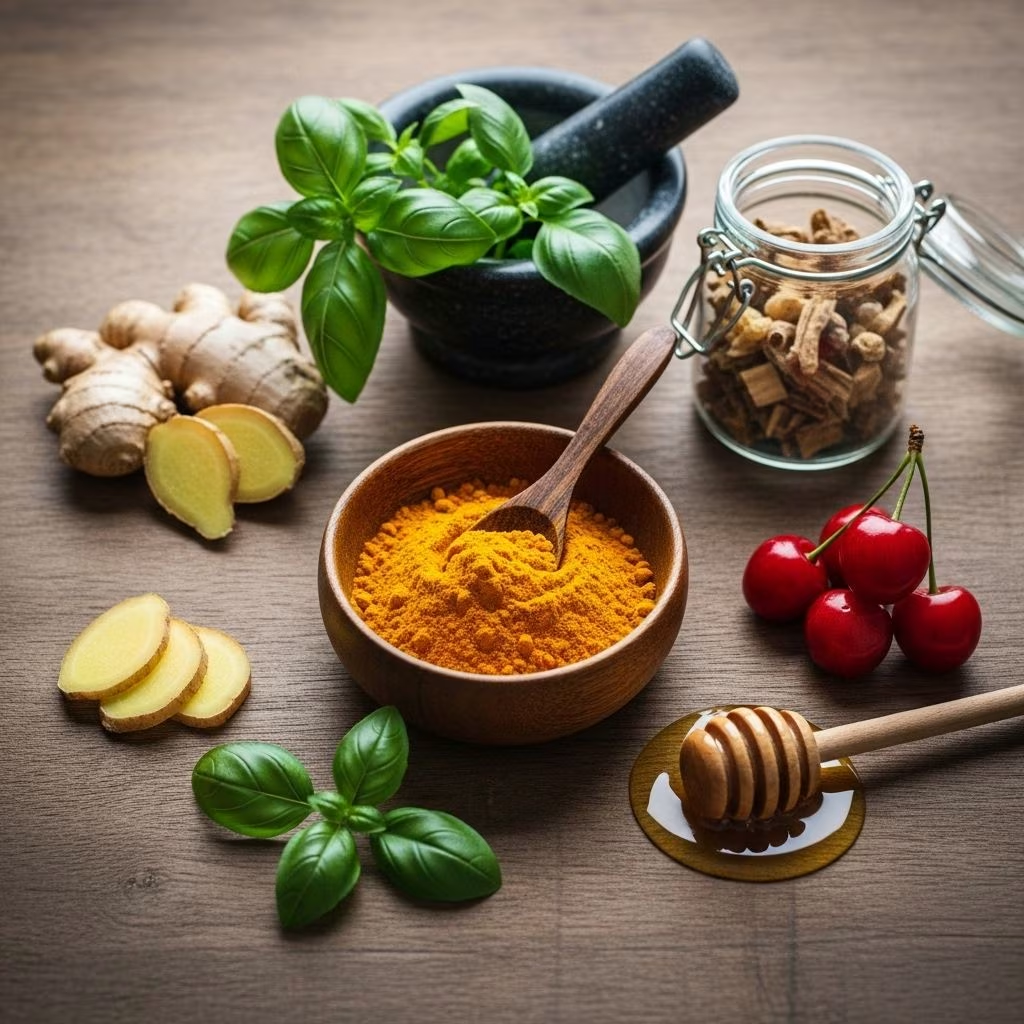
Natural Remedies for Arthritis Pain: Can Turmeric and Others Beat Ibuprofen?
Millions of people around the world suffer from arthritis pain, often turning to over-the-counter medications like ibuprofen for relief. However, these drugs can come with serious side effects when used long term. Increasingly, people are looking for natural alternatives that may offer similar—or even better—pain relief. This article explores five natural remedies—turmeric, ginger, Boswellia, fish oils, and cayenne pepper—each backed by research and traditional use for managing arthritis pain. We’ll look at their effectiveness, mechanisms, potential side effects, and how they compare to ibuprofen.
Why Look for Natural Alternatives to Ibuprofen?
Ibuprofen is a nonsteroidal anti-inflammatory drug (NSAID) commonly used to reduce pain, inflammation, and fever. While effective for many, long-term use can lead to gastrointestinal problems, increased risk of heart attack or stroke, kidney issues, and more. In contrast, natural remedies may offer pain relief with a lower risk of adverse effects. However, it’s important to remember that “natural” doesn’t always mean “safe for everyone,” and some natural products can interact with medications or may not be suitable for certain health conditions.
Turmeric: The Golden Spice for Joint Health
Turmeric, scientifically known as Curcuma longa, is a bright yellow spice commonly used in Indian cuisine and traditional medicine. Its active component, curcumin, is a powerful anti-inflammatory and antioxidant agent.
How Turmeric Works for Arthritis Pain
Curcumin in turmeric works by inhibiting key molecules involved in the inflammatory process, such as cytokines and enzymes like COX-2, which are also targeted by NSAIDs like ibuprofen. A pilot clinical trial showed that a water-soluble turmeric extract significantly reduced self-reported knee joint pain (measured by the WOMAC scale) after just three days to one week of use, with pain relief at night and while standing—areas where the placebo did not perform as well. Moreover, this extract also lowered levels of high-sensitivity C-reactive protein (hsCRP), a marker of systemic inflammation.
| Remedy | Active Compound | Mechanism of Action | Evidence for Arthritis |
|---|---|---|---|
| Turmeric | Curcumin | Inhibits inflammatory cytokines and enzymes (COX-2) | Clinical trials show pain reduction and decreased inflammation |
| Ginger | Gingerols, Shogaols | Anti-inflammatory, antioxidant | Reduces pain and stiffness in osteoarthritis |
| Boswellia | Boswellic acids | Inhibits 5-LOX enzyme, reduces leukotrienes | Improves pain and function in arthritis |
| Fish Oils | EPA, DHA | Modulates inflammatory pathways | Reduces joint pain and stiffness |
| Cayenne Pepper | Capsaicin | Depletes substance P, reduces pain signals | Topical use eases joint pain |
Dosage and Safety
- Typical doses in studies range from 1 to 8 grams of turmeric powder per day, but most research uses extracts standardized for curcumin content.
- Curcumin has poor absorption; combining it with black pepper (piperine) can increase bioavailability.
- Turmeric is generally safe, but high doses may cause gastrointestinal discomfort, and it can interact with blood thinners.
Turmeric vs. Ibuprofen: The Evidence
In one study, 2 grams of turmeric per day was compared to 800 mg of ibuprofen per day for six weeks in people with knee osteoarthritis. Both groups experienced similar improvements in pain and function, but those taking turmeric reported better improvement in pain when climbing stairs, and the side effect profile was similar. This suggests that turmeric could be a viable alternative for those seeking to avoid NSAID side effects.
Ginger: A Traditional Anti-Inflammatory
Ginger (Zingiber officinale), a close relative of turmeric, has long been used to treat nausea, digestive issues, and pain. Its anti-inflammatory effects come from compounds like gingerols and shogaols.
How Ginger Helps Arthritis
Ginger has been shown in clinical studies to reduce pain and stiffness in people with osteoarthritis and rheumatoid arthritis. Its mechanism is similar to NSAIDs, inhibiting COX-2 and reducing inflammatory prostaglandins.
Dosage and Safety
- Typical doses range from 1 to 3 grams of dried ginger root per day.
- Ginger is safe for most people but may cause mild heartburn or interact with blood thinners.
Boswellia: The Ayurvedic Anti-Inflammatory
Boswellia serrata, also known as Indian frankincense, has been used in Ayurvedic medicine for centuries to treat inflammatory conditions, including arthritis.
How Boswellia Works
Boswellic acids inhibit the 5-lipoxygenase (5-LOX) enzyme, which produces leukotrienes—molecules involved in inflammation. Unlike NSAIDs, Boswellia does not irritate the stomach lining.
Dosage and Safety
- Standardized extracts (30–40% boswellic acids) at 300–500 mg daily are commonly used.
- Side effects are rare but may include digestive upset, and it may interact with anti-inflammatory drugs.
Fish Oils: Omega-3s for Joint Health
Fish oils are rich in the omega-3 fatty acids EPA and DHA, known for their anti-inflammatory properties.
How Fish Oils Help Arthritis
EPA and DHA modulate the body’s inflammatory response, reducing joint pain, stiffness, and the need for NSAIDs in people with rheumatoid arthritis and potentially osteoarthritis.
Dosage and Safety
- Typical doses are 1–3 grams of combined EPA and DHA daily.
- Fish oils are generally safe but may increase bleeding risk, especially when combined with blood thinners.
Cayenne Pepper: Topical Pain Relief
Cayenne pepper contains capsaicin, which is responsible for its heat and its pain-relieving properties.
How Cayenne Pepper Works
Capsaicin works by depleting substance P, a neurotransmitter involved in pain signaling. Topical capsaicin creams are used to reduce arthritis pain and joint tenderness.
Dosage and Safety
- Capsaicin creams (0.025–0.075%) are applied to affected joints up to four times daily.
- Initial burning sensation is common but usually subsides with regular use.
How Do These Remedies Compare to Ibuprofen?
Research suggests that turmeric, ginger, Boswellia, fish oils, and capsaicin can provide meaningful pain relief for arthritis, often with fewer side effects than NSAIDs like ibuprofen. However, their effects can vary from person to person, and not all natural remedies are suitable for everyone. It’s important to consult with a healthcare provider before starting any new supplement regimen, especially for those on medications or with chronic health conditions.
FAQs: Natural Remedies for Arthritis Pain
Is turmeric better than ibuprofen for arthritis pain?
Some studies show turmeric can be as effective as ibuprofen for osteoarthritis pain, with a similar safety profile. Individual responses may vary.
Can I take these remedies together?
Some combinations may be beneficial, but it’s important to discuss with your healthcare provider to avoid interactions or excessive anti-inflammatory effects.
How long does it take for these remedies to work?
Turmeric and ginger may provide relief within days to weeks; fish oils and Boswellia may take several weeks. Capsaicin creams can offer quicker relief for localized pain.
Are there any side effects to these natural remedies?
Most are well-tolerated, but some people may experience digestive upset, and certain herbs can interact with medications. Always consult your doctor before starting new supplements.
Can children or pregnant women use these remedies?
Safety in these groups is not well established; professional guidance is strongly recommended.
Conclusion
Turmeric, ginger, Boswellia, fish oils, and cayenne pepper each offer natural alternatives for managing arthritis pain, with growing evidence supporting their effectiveness and safety compared to traditional NSAIDs like ibuprofen. While no remedy is a cure-all and individual responses can vary, these options may help reduce reliance on pharmaceuticals for pain management, offering hope for those seeking a gentler approach to joint health. Always consult your healthcare provider to tailor a plan that’s right for you.
References
- https://pmc.ncbi.nlm.nih.gov/articles/PMC8080919/
- https://versusarthritis.org/about-arthritis/complementary-and-alternative-treatments/types-of-complementary-treatments/turmeric/
- https://newsnetwork.mayoclinic.org/discussion/mayo-clinic-q-and-a-turmeric-for-healthier-diet-pain-relief/
- https://allianceortho.com/10-benefits-of-turmeric/
- https://www.arthritis.org/health-wellness/healthy-living/nutrition/anti-inflammatory/turmeric-wont-help-arthritis
- https://www.news-medical.net/health/Turmeric-for-Osteoarthritis.aspx
- https://www.health.harvard.edu/blog/curcumin-for-arthritis-does-it-really-work-2019111218290


