


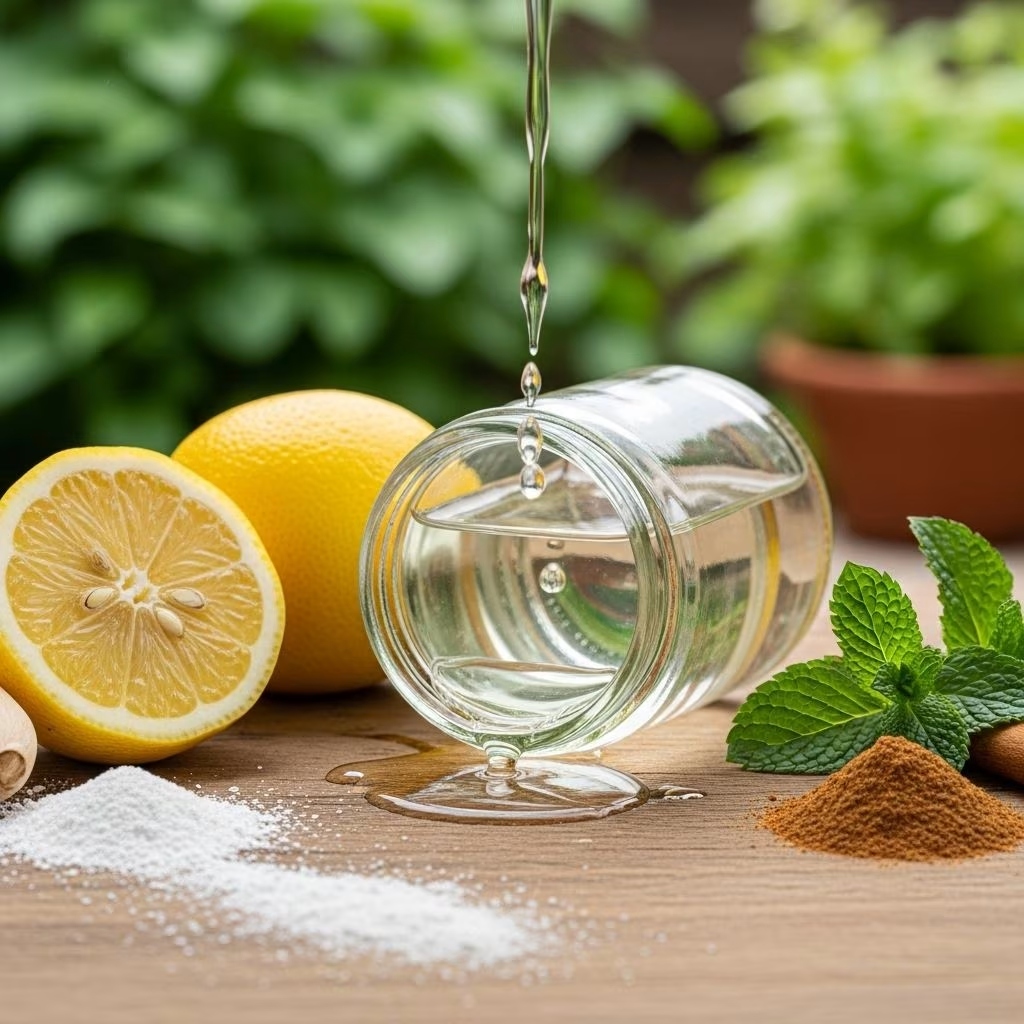
Natural Ant Killer Remedies: Eco-Friendly Solutions for Your Home and Garden
Ants are among the most common pests that gardeners and homeowners face each season. While these industrious insects play important roles in soil aeration and organic matter breakdown, their populations can escalate rapidly, damaging plants and invading living spaces. Fortunately, effective and natural ant killer remedies are available, offering safe alternatives to harsh chemical pesticides. This article explores the most reliable natural and organic ant control methods—covering everything from deterrent plants to homemade bait recipes—to help you reclaim your garden and indoor areas from unwanted ant invasions.
Understanding the Role of Ants in the Garden
Before diving into remedies, it’s critical to recognize that not all ants are completely harmful. Some species help to aerate the soil, accelerate decomposition, and even control certain garden pests by preying on their eggs. However, populations can easily tip the balance, leading ants to overrun plants, foster destructive aphid colonies, and eventually find their way indoors.
Key Point: Tolerate a few ants in your garden—they’re often beneficial. But when their numbers surge and they threaten plant health or home comfort, it’s time to take action.
Ant-Repellent Plants: Nature’s Barrier Against Ants
One of the simplest and most sustainable ways to deter ants is through companion planting. Many common culinary and ornamental plants naturally repel ants due to their aromatic oils and compounds. Including these in your landscape can help prevent ants from settling in:
- Rosemary
- Lavender
- Catnip
- Peppermint
- Mint
- Thyme
- Tansy
- Garlic
Plant these ant-repellent species along garden borders, near vulnerable crops, or in containers by entryways. Not only do they help deter ants, but they also enhance garden diversity and aesthetics.
When Plants Aren’t Enough: Step Up to Natural Remedies
If ants overrun your garden despite having plenty of repellent plants, it’s time to escalate to more direct natural deterrents. These remedies leverage everyday pantry items and proven mineral-based solutions to dramatically reduce ant activity without toxic side effects for pets, children, or beneficial insects.
Top Natural Ant Remedies Beyond Plants
- Cinnamon: Sprinkle ground cinnamon along ant trails and near nest sites. Its strong aroma confuses ant scent trails and repels colonies. Cinnamon is effective but can be more costly than other remedies.
- Lemon Juice: Blend lemon juice with water (1:1 ratio) and spray directly onto ant trails and affected plants. The acidic solution erases the chemical scent markers ants follow.
- Vinegar: Mix white or apple cider vinegar with water (also 1:1 ratio) in a spray bottle. Like lemon, vinegar destroys scent trails and often kills ants on contact. Test on a small leaf area first—vinegar can be harsh on tender foliage.
- Cayenne or Black Pepper: Sprinkle dry pepper powder directly onto trails, or dissolve 2 tablespoons into 1 cup of water and use as a spray. Both disrupt odor trails that ants rely on.
Note: When using sprays, always test on a limited section of the plant and observe after 24 hours for any leaf burn or adverse effects, particularly with strong acids or spices.
Diatomaceous Earth: The Mineral Solution
Diatomaceous earth (DE) is one of the most favored natural ant killers among organic gardeners. This soft, powdery mineral consists of fossilized microscopic aquatic organisms known as diatoms. Here’s why DE is both safe and effective:
- How It Works: The powder’s microscopic sharp edges damage the ants’ exoskeletons, leading to dehydration and death.
- Safety: Only use food-grade diatomaceous earth. It is non-toxic to humans, pets, and wildlife. DE is so safe that small amounts are present in some food storage products to prevent grain pests.
- How to Apply: Lightly dust DE over ant hills, nests, and along trails. For preventative protection, create a barrier around garden beds or home foundations. Reapply after rain or heavy watering as needed.
Borax Ant Bait: A Simple Homemade Solution
Borax (sodium borate) is a naturally occurring mineral that powerfully disrupts ant colonies from within. When used in baits, worker ants carry the mixture back to the nest, where it is shared, gradually eliminating the colony. There are two main types of borax baits to address various ant dietary preferences (sugar or protein):
| Type of Ant | Bait Recipe | Instructions |
|---|---|---|
| Sugar-Loving Ants | 1 part borax + 3-4 parts sugar + enough water to make a syrup | Mix ingredients, place in a jar or shallow lid, puncture holes for ant entry, and set near nests. Keep away from pets and children. |
| Protein-Loving Ants | 1 part borax + 3-4 parts gelatin powder (or 1 Tbsp gelatin per blend) | Mix as above, using gelatin instead of sugar. Place bait where ant trails are active. |
Commercially available borax ant baits use similar ingredients if DIY solutions are inconvenient. Do not place these baits in areas accessible to pets or small children.
More Natural and Household Ant Control Methods
- Boiling Water: For severe nest infestations, carefully pour boiling water directly onto anthills. This will kill some ants instantly but can also harm beneficial soil life nearby.
- Soap and Water Spray: Mix a few drops of natural dish soap in water and spray directly on ants. The surfactant disrupts cell membranes, killing ants quickly.
- Essential Oils: Oils like clove, tea tree, or citrus can be diluted in water and sprayed along entry points. These oils are potent repellents and mask chemical trails.
- Chalk or Baby Powder: Drawing a line of chalk or sprinkling unscented baby powder at entryways disrupts ant pheromones, deterring entry indoors.
- Coffee Grounds: Scatter used coffee grounds around the base of plants or garden edges. The strong smell repels ants and benefits some soil microbes as well.
Best Practices for Preventing Ant Infestations
Natural remedies are most effective when paired with good cultural practices that prevent ants from gaining a toehold:
- Eliminate sources of standing water and excess moisture.
- Seal cracks and crevices in home foundations and around doors or windows.
- Clean up fallen fruit, food scraps, and sugary spills promptly.
- Prune away overhanging branches and vegetation that provide ant highways onto structures.
Pros and Cons of Natural Ant Control Methods
| Method | Advantages | Disadvantages |
|---|---|---|
| Ant-Repellent Plants | Eco-friendly, enhances landscape, repels other pests | May not stop large or persistent infestations |
| Diatomaceous Earth | Safe for people/pets, targets a wide range of pests | Needs reapplication after rain, can be messy |
| Borax Ant Baits | Attacks entire colony, highly effective | Toxic if ingested by pets/kids, slow results |
| Cinnamon/Vinegar/Spices | Readily available, generally safe | May need frequent reapplication, cost can add up |
| Boiling Water | Immediate reduction of nest population | Non-selective, can damage soil biota |
Frequently Asked Questions (FAQs)
Q: Are ants ever beneficial in the garden?
A: Yes, moderate ant populations aid soil aeration, help with decomposition, and can even control certain pest species by preying on their eggs. Problems arise when their numbers boom or they farm sap-sucking insects like aphids.
Q: What is the safest remedy for homes with pets and children?
A: Food-grade diatomaceous earth and ant-repellent plants are generally safest. Avoid borax or hot water in areas accessible to pets or kids, and always place homemade baits where only ants can reach them.
Q: How often should I reapply natural remedies?
A: Many remedies, especially powders and sprays, may need reapplication after rain, heavy watering, or if ant trails reappear. Monitor infestations regularly for best results.
Q: Why are ants attracted to my home or garden?
A: Ants seek food, water, and shelter. Accessible crumbs, sugary spills, moist soils, and aphid populations all attract ant colonies. Managing these attractants is key to prevention.
Q: Are store-bought natural ant baits as effective as homemade remedies?
A: Many commercial baits use borax or similar ingredients found in DIY solutions. They can be equally effective if used according to instructions, though homemade recipes can be more economical and flexible.
Conclusion: Achieving an Ant-Free Garden Naturally
Natural ant killer remedies enable gardeners and homeowners to manage ant infestations without resorting to toxic chemicals that can endanger wildlife, family, and beneficial insects. By combining strategic planting, household deterrents, and targeted baits, you can reduce ant populations safely and sustainably. Remember that ants are a part of healthy ecosystems in moderation—strive for balance, not total eradication.
Ready to reclaim your outdoor and indoor spaces from persistent ants? Start with eco-friendly, accessible remedies to protect your home, garden, and peace of mind this season.


