


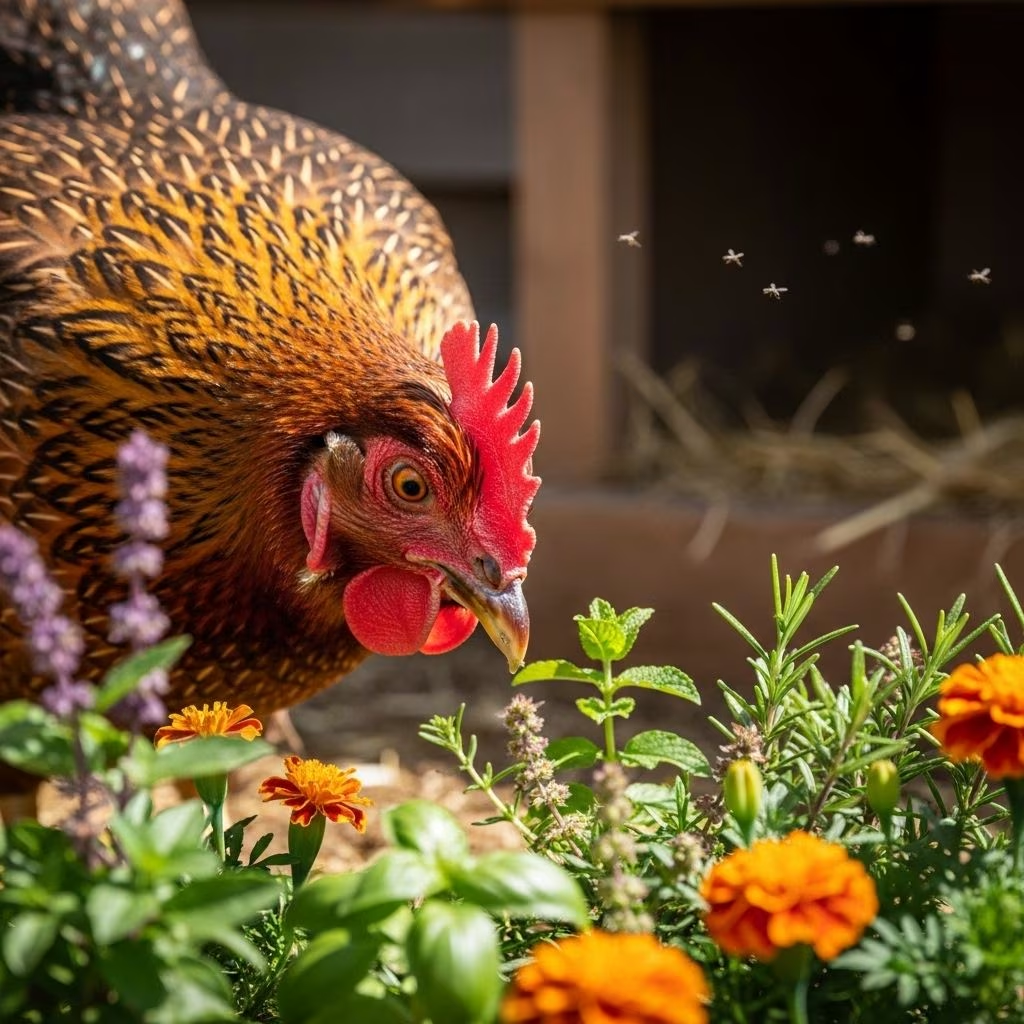
Flies, gnats, and mosquitoes are more than mere annoyances—they can pose real health threats to your chickens. These pests can cause irritation, spread disease, and compromise egg production. Fortunately, you don’t have to reach for synthetic chemicals to control them. A holistic, natural approach combining proven remedies and coop management can yield excellent results without risking your flock’s health.
Why Natural Pest Control Matters for Chickens
Many commercial products contain harsh pesticides that may harm your chickens, taint eggs, or disrupt your backyard ecosystem. By using all-natural methods, you can effectively manage pest populations, keep your birds comfortable, and contribute to a healthier environment overall.
Understanding the Science of Common Poultry Pests
Before diving into solutions, it’s helpful to understand why these insects are drawn to your coop:
- Flies breed in moist, organic matter like manure and spilled feed.
- Gnats favor damp, shaded environments and are attracted to warmth and CO2 exhaled by chickens.
- Mosquitoes lay eggs in standing water and seek out blood meals, often at dawn and dusk.
Effective pest management breaks this cycle at every stage.
1. Maintain a Clean Coop
The foundation of any pest control program is excellent coop sanitation. Remove manure and wet bedding frequently to limit breeding grounds.
- Clean out bedding at least once a week during warm months.
- Fix leaky waterers or roof leaks to prevent puddles and moisture build-up.
- Store feed in sealed containers to deter flies and rodents, reducing spillage inside the coop.
2. Utilize Diatomaceous Earth Safely
Diatomaceous earth (DE) is a naturally occurring powder made from fossilized algae that’s lethal to insects but harmless to chickens when used properly. Its abrasive particles damage insect exoskeletons, causing them to dehydrate and perish.
- Sprinkle food-grade DE in coop bedding and dust bath areas.
- Apply a light, even layer—avoid inhalation by wearing a mask and letting the dust settle before allowing birds to re-enter.
- Never use pool-grade DE, which may contain unsafe additives.
Note: DE is best as part of a broader strategy—alone, it won’t eliminate a serious infestation.
3. The Power of Herbs and Essential Oils
Certain herbs and essential oils have strong insect-repelling properties. These can be used in sprays or simply placed around your coop.
Popular Herbs and Oils Bugs Hate
| Herbs | Essential Oils |
|---|---|
| Mint | Peppermint |
| Lavender | Lemongrass |
| Basil | Citronella |
| Rosemary | Thyme |
| Thyme | Geranium |
| Dill | Lavender |
How to Use Herbs in the Coop
- Hang fresh herb bunches from the rafters or nesting boxes.
- Add dried herbs to bedding or dust baths for continuous scent release.
- Plant aromatic herbs near your coop door, but protect them from curious beaks!
Essential Oil & Herbal Coop Spray Recipe
For a pleasant-smelling, multi-purpose spray that deters bugs, try the following recipe:
- 2 cups apple cider vinegar or white vinegar
- 2 cups water
- 2 tablespoons real vanilla extract
- 40 drops of one or more essential oils (rosemary, citronella, peppermint, lemongrass, lavender, or basil)
Mix all ingredients in a spray bottle and shake well. Generously mist areas of the coop where flies gather, such as entrances and windows. Do not spray directly on chickens unless using a flock-safe kitchen recipe (see below).
4. DIY Fly Traps & Old-Fashioned Solutions
For centuries, people have used clever, low-cost methods to deter flies and biting insects without resorting to toxins.
- Water Bags with Pennies: Fill a sturdy plastic bag halfway with water, drop in 1–2 pennies, and hang by doors or windows. Some believe the refracted light confuses flies and keeps them away. While not scientifically proven, it’s inexpensive to try and harmless.
- Apple Cider Vinegar Traps: Combine half a cup of warm water, 2 tablespoons apple cider vinegar, and 1 tablespoon sugar in a bowl; cover with plastic wrap and poke holes. The scent lures flies in, but they can’t escape once inside.
5. Fly Predators—Nature’s Tiny Warriors
Fly predators are tiny beneficial insects that prey upon and destroy fly larvae, significantly reducing future fly populations without chemicals.
- Order predators as pupae and place them discreetly in manure piles or out-of-reach areas (since chickens may eat them).
- They will hatch and target pest fly larvae, providing ongoing, natural fly control.
- This works best as part of a year-round strategy and may require regular reapplication.
6. Citronella and Lemongrass: Proven Plant Power
Citronella and lemongrass are highly effective at repelling mosquitoes and flies, both as plants and oils.
- Place potted citronella or lemongrass plants in and around the coop for a natural barrier.
- Add fresh or dried leaves to nesting boxes and bedding, changing them every few days for maximum effect.
- Mix 1 drop of citronella essential oil with 1 tablespoon of natural carrier oil (such as coconut or olive oil) and apply gently to chickens’ combs and wattles—but do not use undiluted essential oil or apply near the eyes or nostrils.
7. Peppermint Oil and Natural Fly Sprays
Flying pests, including mosquitoes and gnats, are naturally repelled by peppermint oil and its cousins. Many flock owners create peppermint coop sprays to freshen the air and deter bugs—but remember, such sprays are usually for the environment, not for direct use on birds.
Peppermint Coop Spray Recipe
- 4 cups water
- ½ cup white vinegar
- 15 drops peppermint oil
- 5 drops citronella (optional)
Shake and mist generously in problem areas. Reapply after cleaning or heavy rain.
8. Vanilla for Personal Protection
If your chickens are being harassed by biting flies and gnats, you can help them directly by using plain vanilla extract as a safe repellent.
- Use real or imitation vanilla extract (the key is the vanillin scent, which insects dislike).
- Add vanilla to a small spray bottle and spritz lightly on your chickens’ heads, backs, or behind their wings—avoid their eyes and face.
- Reapply every 2–3 hours for best protection.
- In a pinch, simply dab a little vanilla on with your fingers if sprays aren’t available.
- This method is especially helpful for severe infestations or delicate chicks that cannot be treated with essential oils.
9. Additional Helpful Tips and Preventative Measures
- Control standing water: Empty buckets, trays, or other containers regularly to prevent mosquitoes from breeding.
- Check and repair fencing to keep wild birds and mammals (which may carry additional parasites) out of your run.
- Ensure good ventilation in your coop to reduce moisture build-up, a key attraction for most flying pests.
- Consider planting insect-repelling flowers and shrubs like marigolds, tansy, and basil around your poultry area.
Frequently Asked Questions (FAQs)
Q: Are these natural remedies safe for chicks?
A: Most are, but avoid spraying or applying undiluted essential oils directly to chicks. For young birds, use fresh or dried herbs in nesting boxes and bedding, or opt for plain vanilla as a topical natural repellent.
Q: How often should bedding and nesting materials be changed?
A: Replace bedding weekly during the summer or whenever moisture builds up. If you use fresh herbs in nesting boxes, change them every 3 to 4 days for maximum effectiveness.
Q: Can I use essential oil sprays directly on my chickens?
A: Most essential oil sprays should be used in the environment, not on the birds. For direct application, use recipes specifically intended for poultry, always diluted, and do spot tests to ensure there’s no adverse reaction.
Q: Do water bags with pennies actually repel flies?
A: While the effectiveness of this age-old trick is debated, some people report fewer flies after hanging water bags. There’s no harm in trying, as it’s safe and inexpensive.
Q: Which single method works best for mosquito control?
A: Mosquitoes are best controlled by eliminating standing water, ensuring good ventilation, and using natural repellents like citronella plants or sprays. No single method is a cure-all—combining strategies yields the best results.
Summary Table: Natural Pest Control Strategies
| Strategy | Pests Targeted | Main Benefit |
|---|---|---|
| Coop Sanitation | All | Reduces habitats for infestations |
| Diatomaceous Earth | Flies, gnats, some mites | Dehydrates and kills crawling insects |
| Herbs & Essential Oils | Flies, gnats, mosquitoes | Repels insects naturally |
| Vanilla Spray | Gnats, biting flies | Safe direct use on chickens |
| Fly Predators | Flies | Breaks fly lifecycle |
| Citronella/Lemongrass | Mosquitoes, flies | Repellent & environmental freshness |
| Water Bags/Vinegar Traps | Flies | Easy, low-cost deterrent |
Conclusion
Keeping your chickens comfortable and pest-free doesn’t require chemicals or expensive treatments. With a holistic regimen—focusing on cleanliness, beneficial plants, smart use of pantry staples, and regular maintenance—you can protect your flock and make your coop a haven of health and productivity, all while safeguarding the environment around you.
References
- https://www.theprairiehomestead.com/2015/06/fly-control-chicken-coop.html
- https://wholefedhomestead.com/use-vanilla-to-protect-your-chickens-from-gnats-biting-flies-and-biting-midges/
- https://www.dahliapets.com/blogs/news/mites-backyard-chickens
- https://www.scahealth.com/p/ultracruz-poultry-natural-pest-control-spray
- https://www.backyardchickens.com/threads/natural-remedies-for-flying-pests.1533050/
- https://www.backyardchickens.com/threads/natural-repellent-for-gnats-flies-and-mosquitoes.1173222/


