


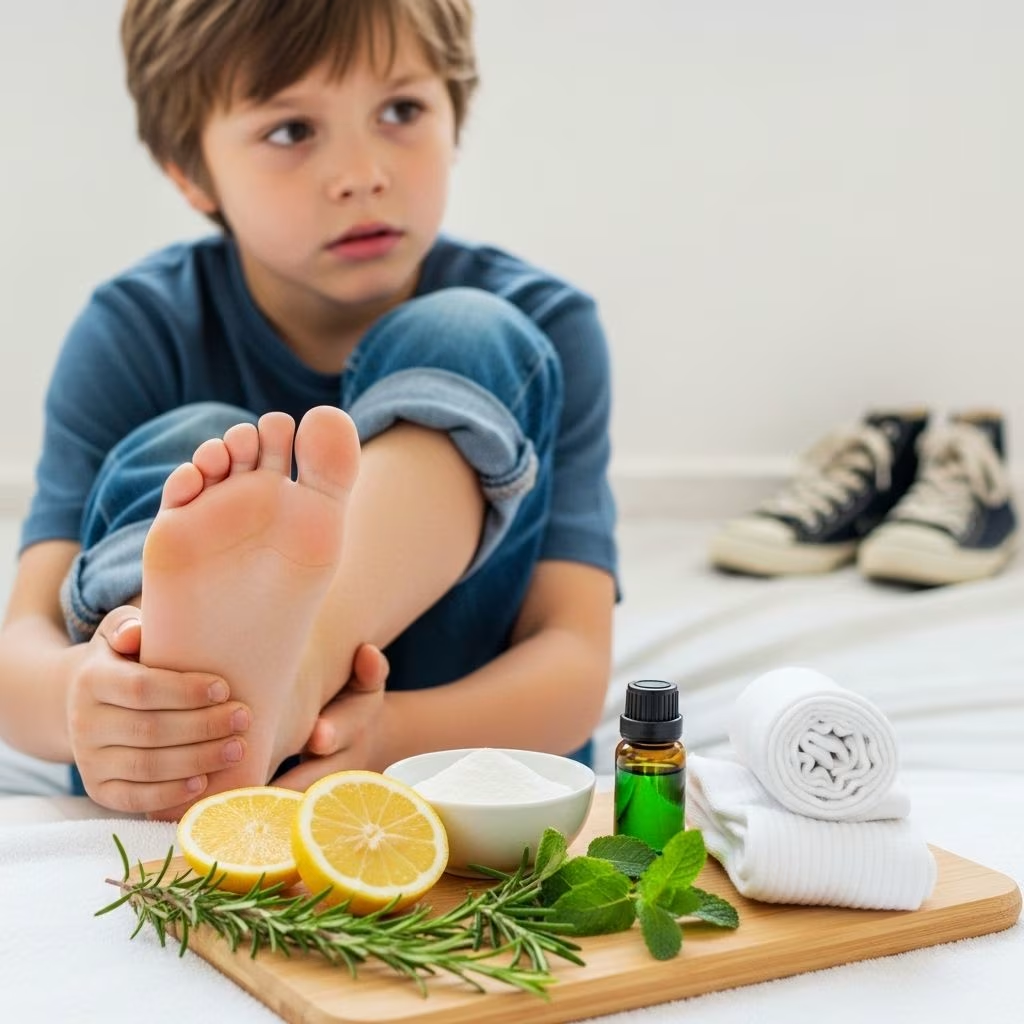
Why Do Kids’ Feet Get So Stinky?
Any parent knows that children, especially boys, can emit remarkable odors with minimal effort—whether from dirt, sweat, or the unique ‘boy smell’ that clings to everything they touch. Feet, in particular, can become especially pungent when kids play sports, spend hours in sneakers, or simply forget to practice good hygiene. The root cause of stinky feet is a combination of sweat and bacteria. The feet have hundreds of thousands of sweat glands, making them one of the body’s prime sources of moisture. When that moisture mixes with bacteria on the skin, it produces volatile acids that create the characteristic, and sometimes vinegar-like, odor. The more a child sweats, the stronger this odor becomes, especially if socks and shoes trap that moisture instead of allowing it to evaporate.
Natural Remedies for Stinky Feet and Shoes
Fortunately, there are many simple, natural remedies that can help eliminate foot and shoe odor without resorting to harsh chemicals. These solutions are safe for kids, adults, and anyone who spends a lot of time in closed shoes.
Freeze Stinky Shoes
- Place smelly shoes in a freezer bag and leave them in the freezer overnight. The cold temperature will kill most of the odor-causing bacteria.
- This method is especially effective for athletic shoes and sneakers.
Soak Insoles in Vinegar
- Mix 2 parts vinegar (white or apple cider) with 1 part hot water.
- Soak the removable shoe insoles for several hours, then rinse and let them dry completely.
- Vinegar’s natural disinfectant properties help eliminate both bacteria and odors.
Baking Soda and Essential Oils
- Mix a few tablespoons of baking soda with a few drops of essential oil (lavender, tea tree, or peppermint work well).
- Sprinkle the mixture directly into each shoe, let sit overnight, then tap out the excess.
- Alternatively, fill a thin sock or nylon with baking soda and essential oil mix, tie it off, and place inside shoes overnight.
- Baking soda absorbs moisture and neutralizes odors, while essential oils add a pleasant scent.
Tea Bags
- Place aromatic tea bags—such as mint, orange spice, or gingerbread—inside shoes after each use.
- Tea’s tannins help absorb odors and add a fresh, natural fragrance.
Lavender Essential Oil
- Apply a small amount of lavender essential oil to the feet each morning before putting on socks and shoes.
- Lavender has mild antibacterial properties and a calming scent, helping to keep feet and shoes fresher for longer.
Vinegar Foot Soak
- Soak feet in a bowl of warm water mixed with 1/3 cup of vinegar for 10–15 minutes, a couple of times per week.
- This helps kill odor-causing bacteria on the skin and reduces the risk of stinky feet.
Foot Hygiene and Preventive Measures
While natural remedies can tackle existing odor, preventing stinky feet and shoes in the first place is a combination of good habits and smart wardrobe choices.
Wash and Dry Feet Daily
- Wash feet thoroughly with soap and water every day, scrubbing between the toes where sweat and bacteria most commonly accumulate.
- Make sure feet are completely dry before putting on socks or shoes—especially between the toes.
Moisture-Wicking Socks
- Choose socks made from moisture-wicking synthetic fabrics or natural fibers like wool, which help draw sweat away from the skin.
- Avoid cotton socks as they tend to trap moisture and worsen foot odor (unless specifically labeled “moisture-wicking”).
- Change socks daily or even more often if they get damp.
Breathable Shoes
- Opt for shoes made from natural materials such as leather, canvas, or suede, which allow air to circulate and help keep feet dry.
- Avoid shoes with excessive plastic or rubber, as these materials trap moisture and heat, making foot odor worse.
- Rotate shoes daily so each pair has time to dry out completely between uses.
Foot Powders and Antiperspirants
- Apply an over-the-counter or natural foot powder to freshly washed and dried feet. Powder absorbs excess sweat and helps prevent bacterial growth.
- Use antiperspirant on the soles of the feet to reduce sweating—especially helpful for those who wear nylon or compression stockings.
Product Recommendations for Foot and Shoe Odor
While natural remedies are highly effective, sometimes a little extra help is needed. Here are some products and solutions that can help manage and prevent persistent odor.
| Product Type | Example | Notes |
|---|---|---|
| Natural Shoe Deodorizer | Essential oil sprays, baking soda sachets | Safe, effective, and easy to make at home. |
| Foot Deodorant Spray | Foot Sense, Gran’s Remedy | All-natural, safe for daily use. |
| Medicated Powder | Gold Bond Medicated Foot Powder | Absorbs moisture and fights bacteria. |
| Odor Neutralizers | OdorGone, activated charcoal bags | Place in shoes overnight to neutralize odors. |
Additional Tips for Raising Boys and Dealing with Odor
Stinky feet and shoes are just one part of the larger challenge of parenting boys—raising boys means embracing dirt, grass stains, and unique, sometimes overwhelming, odors. The original article is part of a series called “31 Days of Tips for Raising Boys,” which covers a wide range of topics from hygiene to stain removal and practical parenting advice.
Sharing experiences with other parents can help normalize the challenges and provide community support, highlighting that you’re not alone in the journey of raising boys who occasionally smell like, well, boys.
Frequently Asked Questions (FAQs)
Q: What causes stinky feet in kids?
A: Stinky feet are caused by sweat interacting with bacteria on the skin. Feet have a high concentration of sweat glands, and when moisture gets trapped in socks and shoes, bacteria multiply, producing acids that cause the characteristic odor.
Q: Are natural remedies safe for children?
A: Yes, natural remedies like vinegar soaks, baking soda, essential oils, and tea bags are generally safe and effective for children and adults alike. Always patch test new products for skin sensitivity and avoid direct contact with especially small children.
Q: How often should I change my child’s socks?
A: Change socks daily, or more often if they become damp from sweating or playing outside. Moisture-wicking socks help prolong freshness, but changing after sports or outdoor activities is key.
Q: Can I use antiperspirant on my child’s feet?
A: Yes, antiperspirant can be applied to the soles of the feet if over-sweating is an issue. Use a gentle, unscented formula and consult your pediatrician if you have concerns.
Q: What’s the best way to keep shoes from smelling?
A: Rotate shoes, use breathable materials, always wear clean socks, and use odor-neutralizing remedies like baking soda, tea bags, or sprays. Let shoes air out between uses and avoid plastic or rubber shoes that trap moisture.
Q: Are there any products specifically for smelly kids’ feet?
A: Yes, there are natural foot sprays, powders, and inserts designed for kids. Look for gentle, non-toxic options with ingredients like tea tree oil, lavender, or activated charcoal. Some readers recommend cinnamon insoles for their antibacterial and fragrant properties.
Community Tips and Notes from Readers
One reader commented on the original article with a unique suggestion: cinnamon insoles as a natural antibacterial and deodorizing option for kids with persistent foot odor, noting that they are available online and have a pleasant scent that masks odor. This is just one example of the many creative solutions parents share as they tackle the universal challenge of kids’ smelly feet.
In Conclusion
Stinky feet and shoes are a common, but manageable, part of childhood—especially in active families. By combining daily foot hygiene, smart clothing choices, and simple natural remedies, you can keep the odor at bay and help everyone in the family feel fresher and more confident. Whether you’re freezing shoes, soaking feet in vinegar, or simply rotating pairs of socks, these practical solutions make a big difference. For persistent problems, don’t hesitate to try over-the-counter products or seek advice from your healthcare provider.
Remember, dealing with smells is a normal part of raising boys and active children. With the right strategies, you can keep the stink under control and focus on the joy—and sometimes messy adventure—of family life.


