


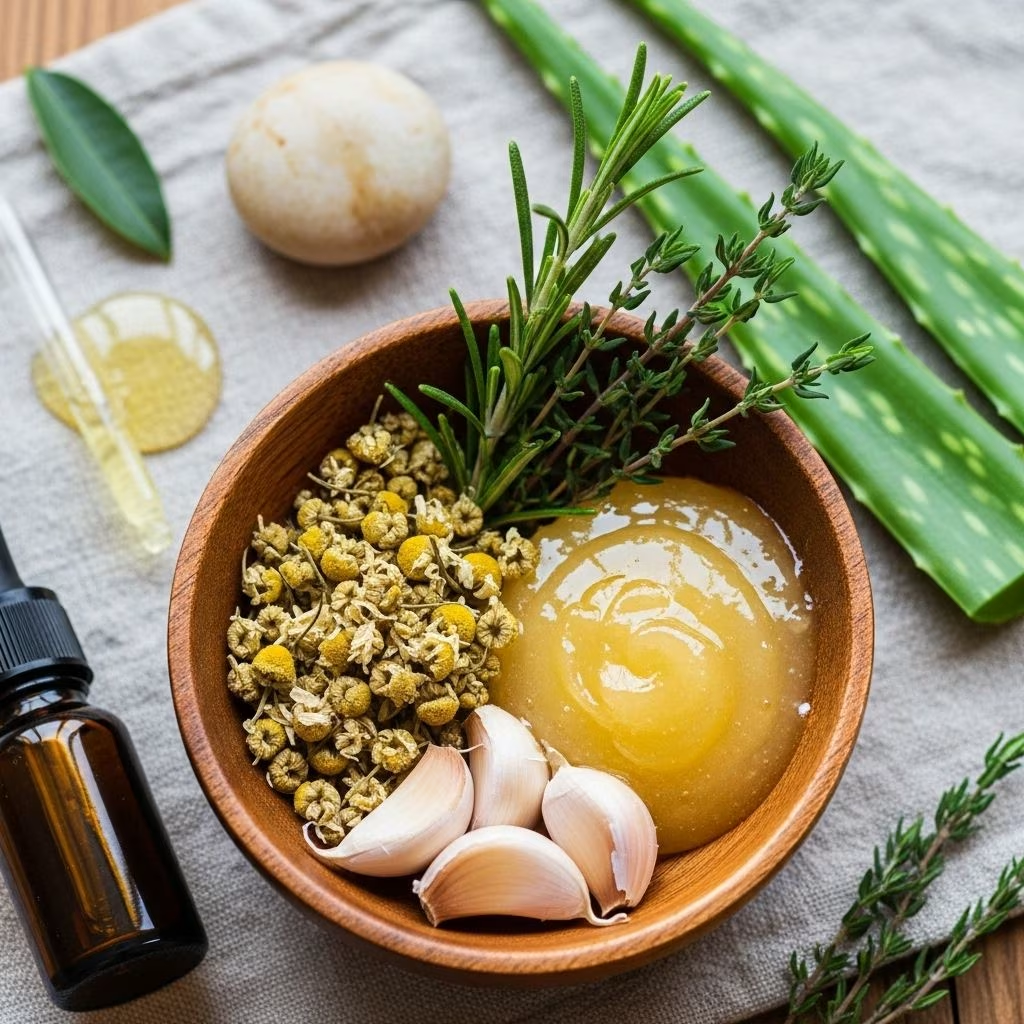
The Power of Natural Remedies in Combating Bacterial Skin Infections
Bacterial skin infections such as impetigo, cellulitis, and folliculitis are common health concerns that can affect people of all ages. While antibiotics remain the conventional mainstay of treatment, there is a growing interest in natural remedies as supportive therapies or preventative strategies. These ancient solutions draw from traditional knowledge and emerging scientific evidence, showing potential to complement standard care and empower individuals seeking holistic skin health.
Understanding Bacterial Skin Infections
Before considering treatments, it is vital to understand the basics of bacterial skin infections. These conditions are most frequently caused by Staphylococcus aureus and Streptococcus pyogenes bacteria. Symptoms range from redness, swelling, and irritation to pus-filled lesions, warmth, and pain. Common forms include:
- Impetigo: Superficial, contagious infection causing honey-colored crusts.
- Cellulitis: Involves deeper tissues, leading to redness, swelling, and pain; can rapidly worsen and requires prompt attention.
- Folliculitis: Infection and inflammation of hair follicles, often presenting as small, red bumps or pustules.
If untreated, these infections can become severe and spread to deeper tissues or enter the bloodstream, making proper care essential.
Why Consider Natural Remedies?
Natural remedies, derived from plants, minerals, and dietary ingredients, have been used for centuries across cultures. Interest in these treatments is growing for several reasons:
- Antibiotic resistance is increasing, making alternative or supportive therapies more important than ever.
- Some individuals experience side effects or allergies to synthetic medications.
- Many natural substances offer additional anti-inflammatory, antioxidant, or moisturizing benefits.
- They are generally accessible, affordable, and easy to apply at home.
However, it’s important to recognize their role as adjuncts—not full replacements—for professional medical care, especially for severe or worsening infections.
Top Natural Remedies for Bacterial Skin Infections
The following natural remedies are supported by both tradition and scientific research. Let’s explore the most effective options, including how to use them safely and what evidence exists to support their use.
1. Tea Tree Oil
Tea tree oil, extracted from the leaves of Melaleuca alternifolia, is renowned for its antimicrobial and anti-inflammatory properties. Several studies have found it effective against Staphylococcus and Streptococcus bacteria as well as many fungi.
- How to use: Dilute tea tree oil with a carrier oil (such as coconut or olive oil) before applying to affected skin. Use a cotton swab and apply 2-3 times daily.
- Precautions: Never apply undiluted, as it can irritate or sensitize the skin. Perform a patch test first.
2. Honey
Raw honey—especially Manuka honey—has historical use for wound healing. Its natural hydrogen peroxide content and low pH help inhibit bacterial growth. Research shows honey can accelerate healing, protect against infection, and reduce inflammation.
- How to use: Spread a thin layer of raw honey over the cleaned affected area. Cover with a sterile bandage and change daily.
- Cautions: Ensure the skin isn’t allergic to bee products. Not recommended for very deep or large wounds.
3. Garlic
Garlic contains allicin, a compound with strong antibacterial activity. It is traditionally used as a natural antibiotic and is effective against both Gram-positive and Gram-negative bacteria.
- How to use: Crush a clove of fresh garlic, mix with a small amount of carrier oil, and apply briefly (10-15 minutes) to the skin. Rinse thoroughly afterward.
- Precautions: Garlic can be irritating. Discontinue if burning or redness occurs, and never leave on the skin for extended periods.
4. Apple Cider Vinegar
Apple cider vinegar (ACV) is recognized for its antibacterial and antifungal effects. Its acidic environment hampers bacterial growth and can promote healing, particularly for mild infections and fungal overgrowth.
- How to use: Mix equal parts ACV and water. Apply with a cotton ball to the affected area, or add to bathwater for larger patches.
- Cautions: Undiluted vinegar can burn sensitive or broken skin. Use sparingly and stop immediately if irritation develops.
5. Aloe Vera
Aloe vera gel from the leaf offers soothing, anti-inflammatory, and mild antimicrobial effects. It’s frequently used to calm redness and aid skin regeneration after infection or inflammation.
- How to use: Apply pure aloe gel directly to clean skin 2–3 times daily, leaving it on for 20-30 minutes.
- Precautions: Rarely, some may react with itching or burning. Use only pure gel, not products with added fragrances or alcohols.
6. Turmeric
Turmeric contains curcumin, a potent anti-inflammatory and antimicrobial compound. Studies demonstrate its inhibitory effects against various bacteria and its ability to reduce swelling and redness.
- How to use: Mix turmeric powder with water or coconut oil to make a paste. Apply to affected skin for 15-20 minutes, then wash off.
- Precautions: Turmeric may stain fabric and skin temporarily.
7. Oatmeal Baths
An oatmeal bath can soothe itchy, inflamed, or irritated skin caused by infection, eczema, or dermatitis. Its unique compounds reduce redness and provide a calming effect.
- How to use: Add colloidal oatmeal or finely ground plain oats to lukewarm bathwater. Soak for 15–20 minutes, then gently pat skin dry.
8. Warm Compress
Warm compresses help increase blood flow, decrease swelling, and encourage pus drainage in boils and abscesses. They provide symptomatic relief and speed recovery.
- How to use: Soak a clean cloth in warm water, squeeze out excess, and apply to affected skin for 10–15 minutes several times a day.
The Science Behind Natural Remedies
While traditional use of natural remedies is well-documented, scientific backing is increasingly robust:
- Tea tree oil has demonstrated broad-spectrum antibacterial and antifungal activity, making it effective for mild skin infections. Evidence highlights its action on Staphylococcus aureus and other common pathogens.
- Apple cider vinegar shows potent antimicrobial action even against resistant bacteria like MRSA in laboratory settings.
- Honey, especially Manuka honey, has been shown to speed wound healing and prevent infection formation in clinical trials.
- Curcumin (from turmeric) and allicin (from garlic) are being explored as adjuncts to conventional antibiotic therapy for their ability to reduce inflammation and directly inhibit bacteria.
However, the effectiveness of natural remedies can vary due to differences in product quality, preparation method, and individual skin response. Not all remedies work for every person or infection type.
Safety Tips and Caveats for Natural Remedy Use
- Conduct a patch test before widespread application, especially with essential oils or strong botanicals.
- Do not apply remedies to open, deep, or bleeding wounds unless advised by a healthcare professional.
- Monitor for allergic reactions (e.g., rash, swelling, burning) and discontinue immediately if they occur.
- For severe, spreading, or persistent infections, consult a medical professional immediately—infections like cellulitis can become dangerous if left untreated.
- Natural remedies are not substitutes for prescription antibiotics in the case of serious bacterial infections.
When to Seek Medical Care
While home remedies can be soothing and effective for mild irritations or as adjuncts, there are situations requiring prompt medical intervention:
- Evidence of rapid spreading redness, swelling, or pain
- Pus, severe tenderness, or fever
- Large, deep, or recurrent infections
- Symptoms not improving after several days of home care
- Signs of systemic illness (fatigue, chills, feeling unwell)
In these scenarios, professional medical guidance and potentially antibiotics are essential for preventing complications.
Complementary Lifestyle Practices
Supporting skin integrity and immune defense can help prevent infections and speed recovery. Consider the following healthy habits:
- Maintain regular hygiene: Gently wash skin and keep wounds clean and covered until healed.
- Avoid scratching infected areas, as this can worsen spread.
- Choose loose, breathable clothing to reduce irritation and sweat build-up.
- Stay well-hydrated and eat a balanced diet rich in antioxidants, vitamins, and minerals.
- Manage chronic conditions (such as diabetes) with medical supervision.
Table: Summary of Key Natural Remedies
| Remedy | Primary Actions | How to Use | Precautions |
|---|---|---|---|
| Tea Tree Oil | Antibacterial, antifungal | Dilute & apply topically | Patch test; never use undiluted |
| Honey | Antibacterial, wound healing | Direct application, cover with bandage | Avoid if allergic to bees |
| Garlic | Antibacterial, anti-inflammatory | Fresh paste, short contact | May irritate skin |
| Apple Cider Vinegar | Antibacterial, antifungal | Dilute with water, topical use | Can cause stinging, burns undiluted |
| Aloe Vera | Soothing, mild antimicrobial | Pure gel, direct application | Possible mild irritation |
| Turmeric | Anti-inflammatory, antimicrobial | Paste form, topical use | Stains skin and fabric |
| Oatmeal | Soothing, anti-itch | Bath soak for 15-20 minutes | Low risk; ensure purity |
Frequently Asked Questions (FAQs)
Q: Can I use natural remedies alone for all types of bacterial skin infections?
No. While natural remedies can support healing and may alleviate mild infections, moderate to severe bacterial skin infections require prompt medical attention and, often, antibiotics to prevent complications.
Q: Is tea tree oil safe for children with skin infections?
Tea tree oil can be too strong for young children’s sensitive skin and may cause irritation or allergic reactions. Always discuss with a pediatrician before use and never apply undiluted.
Q: How long does it take to see improvement with natural remedies?
Results vary, but many people observe improvement within several days to a week with consistent application. If there is no change or symptoms worsen, consult a healthcare provider.
Q: Are there side effects to using apple cider vinegar on skin?
Yes. Apple cider vinegar can cause stinging, redness, or burns, especially on broken or sensitive skin. Always dilute and test a small area before regular use.
Q: What signs indicate that I need to stop using a remedy or seek urgent care?
If you notice increasing redness, swelling, severe pain, pus, fever, or systemic symptoms, discontinue use and contact a medical professional immediately.
Conclusion
Natural remedies have a significant legacy in the prevention and management of mild bacterial skin infections. While ingredients like tea tree oil, honey, garlic, and apple cider vinegar offer notable antibacterial and soothing benefits, safety and proper usage are crucial. Always balance home care with professional guidance, especially if symptoms are severe or persistent. By integrating best practices from both nature and modern medicine, healthier skin and more effective infection control are within reach.
References
- https://naturadermatology.com/how-to-cure-fungal-infection-on-skin-naturally-at-home/
- https://dermatologyseattle.com/skin-infections-seattle-treatment/
- https://www.drfootin.com/blogs/articles/home-remedies-for-foot-infection
- https://www.medicalnewstoday.com/articles/321108
- https://medlineplus.gov/ency/patientinstructions/000686.htm
- https://www.ncbi.nlm.nih.gov/books/NBK92761/
- https://www.healthline.com/health/skin-infection
- https://www.nature.com/articles/s41598-020-78407-x
- https://my.clevelandclinic.org/health/diseases/15071-cellulitis


