


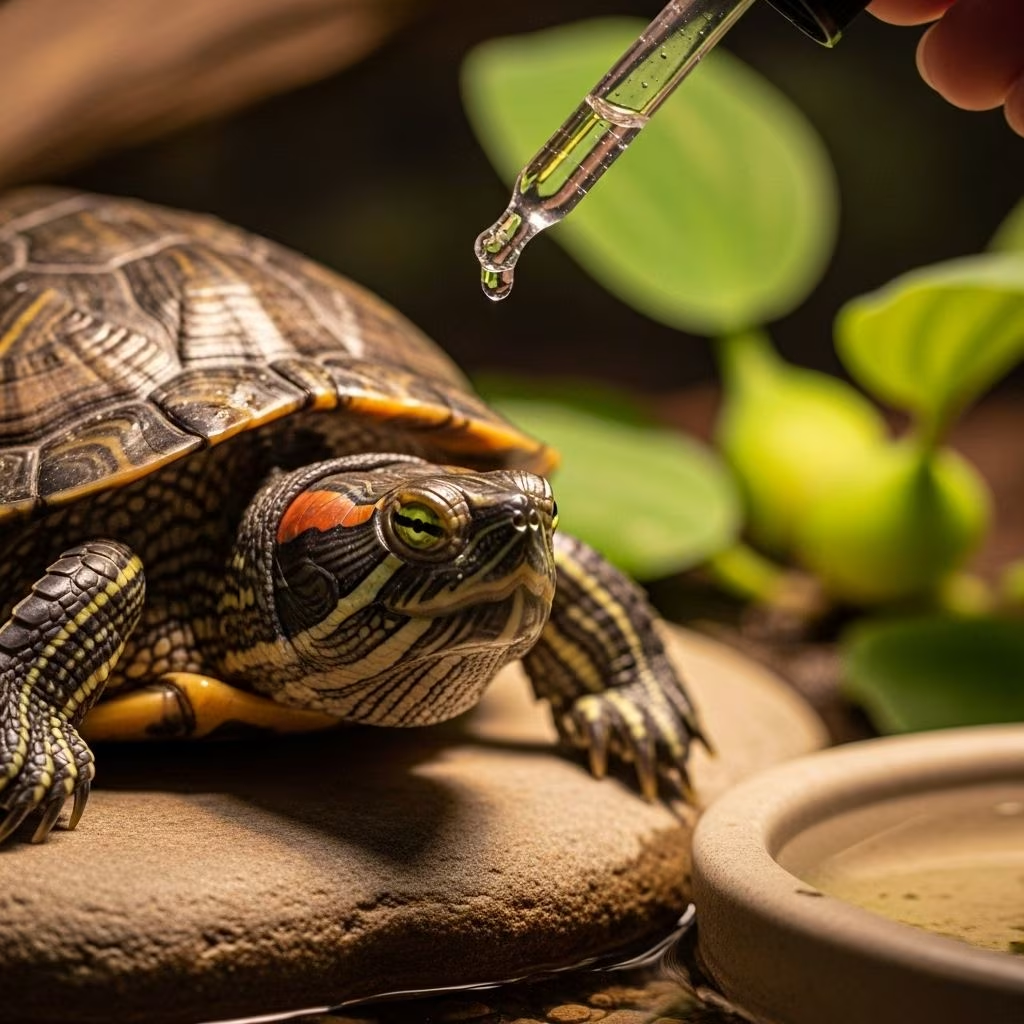
Turtle Swollen Eyes: Home Remedy and Complete Care Guide
Turtles are fascinating pets, but like all animals, they can develop health issues. One of the most common problems faced by turtle owners is swollen eyes. This guide explores the causes, symptoms, and most importantly, effective home remedies for turtle swollen eyes. Learn about proper treatment strategies, supportive care, dietary changes, and how to prevent future eye health issues in your turtle.
What Are Swollen Eyes in Turtles?
Swollen eyes, also known as blepharedema, occur when a turtle’s eyes become puffy, red, closed shut, or develop discharge. This often appears suddenly and can have several underlying causes. Early detection is crucial for a full recovery.
Common Symptoms of Swollen Eyes:
- Redness and puffiness around the eyelids
- Difficulty opening eyes or keeping eyes shut
- Thick, white or yellow discharge
- Lethargy or lack of appetite
- Rubbing face or eyes frequently
- Cloudy or sunken appearance of the eyes
- Loss of vision in severe cases
Why Do Turtles Get Swollen Eyes?
There are several causes for swollen eyes in turtles. Correct diagnosis helps ensure appropriate treatment:
- Vitamin A deficiency: Essential for eye and tissue health, a shortage leads to swelling and secondary infections.
- Poor water quality and hygiene: Dirty, unfiltered, or chlorinated water introduces bacteria and irritants, triggering infections.
- Respiratory infections: Systemic illnesses often manifest as swollen eyes and can be life-threatening if untreated.
- Eye injuries: Trauma from tank decorations, fights, or debris can cause inflammation.
- Lack of UVB lighting: Turtles deprived of proper UVB exposure show immune and tissue disorders, including eye problems.
- Bacterial or fungal infections: Pathogens thrive in sub-optimal environments, attacking sensitive tissues.
- Chlorine in water: Tap water with high chlorine content irritates and damages ocular surfaces.
Are Swollen Eyes Life-Threatening for Turtles?
Swollen eyes can quickly escalate to severe health issues if left untreated. Turtles rely heavily on their eyes for feeding and navigation; impaired vision often leads to starvation, dehydration, and worsening infections. In some cases, eye swelling signals deeper illnesses such as systemic respiratory infections, which can be fatal. Immediate, appropriate intervention is essential.
Effective Home Remedies for Turtle Swollen Eyes
For mild cases or as an initial response until a veterinarian is available, some home remedies may relieve symptoms and correct underlying causes.
1. Carrot Soak for Vitamin A Deficiency
- Blend carrots with clean, dechlorinated water to make a vitamin A-rich “carrot bath.” Place the turtle in the solution for 20–30 minutes daily, for up to 3 days.
- Ensure the mixture covers the turtle’s lower body. The turtle absorbs Vitamin A through the skin and may drink some, aiding in recovery.
- This is best for turtles not eating well — do not overuse this method, as too much can cause hypervitaminosis A.
2. Vitamin A Supplementation Through Diet
- Increase foods rich in Vitamin A or beta-carotene (its precursor):
- Kale and collard greens
- Cabbage (in moderation)
- Carrots (in small, bite-sized pieces)
- Mango or sweet potato (as a treat, not daily)
- Special formulated turtle pellets with added vitamin A
- Always chop or shred vegetables to prevent choking.
- Feed these foods as part of a balanced diet, not exclusively.
3. Commercial Turtle Eye Drops
- Use turtle-safe, over-the-counter eye drops (such as those with chamomile, colloidal silver, or vitamin A) for infection or irritation.
- Apply 2 times a day using a clean cotton swab. Follow product instructions carefully.
- Never use human medicated drops or those with steroids unless prescribed by an exotic vet.
- Continue for up to 5–7 days unless symptoms worsen.
4. Maintaining Clean Water
- Perform a full tank cleaning and water change.
- Disinfect tank ornaments and check the filter for proper operation.
- Use a water conditioner to remove chlorine, which can irritate sensitive eyes.
- Repeat water changes at least weekly or as needed to prevent recurrence.
5. Warm Saltwater Compress
- Mix a small pinch of salt in lukewarm, dechlorinated water.
- Soak a clean cotton pad or swab and gently dab closed eyes (do not force eyes open).
- Repeat 1–2 times a day to reduce swelling and clean away crusts.
- Discontinue if redness worsens or the turtle shows distress.
6. Improving Habitat Conditions
- Ensure optimal basking and water temperatures; raise by 2–5°F if the turtle is sick.
- Check and replace UVB bulbs every 6 months or as manufacturer recommends.
- Provide ample clean water for swimming and a dry basking area.
When to Seek Veterinary Help
While home remedies can manage mild or early-stage eye swelling, situations that require immediate veterinary attention include:
- Persistent swelling beyond 5–7 days
- Development of pus, bleeding, or deep redness
- Extreme lethargy, loss of appetite for more than 2 days
- Difficulty breathing, wheezing, or mouth gaping (possible respiratory infection)
- Visible injuries or trauma to the eye
A qualified reptile veterinarian may prescribe antibiotics (oral or injectable), topical ointments, or systemic treatments if the infection is severe or vitamin A injections if diet correction is not possible. Do not delay professional treatment for moderate or severe cases, as prognosis worsens with delay.
How to Prevent Swollen Eyes in Turtles
Prevention is more effective than treatment and helps keep your turtle healthy long-term. Here’s how to protect your pet from eye problems:
- Provide a balanced, vitamin-rich diet with a mix of animal protein, leafy greens, and vitamin-enriched pellets.
- Maintain clean, well-filtered, chlorine-free water; use a water conditioner with every water change.
- Replace UVB lighting every 6–12 months to ensure proper metabolic functions and immune defense.
- Offer a basking area with correct temperature gradient and humidity.
- Avoid sharp or rough tank decorations that may injure your turtle’s eyes or face.
- Quarantine new turtles before adding to a main tank to prevent introducing pathogens.
- Observe your turtle daily for signs of illness; act early if symptoms appear.
Home Treatment: Step-by-Step Process
If your turtle develops mild eye swelling and you wish to try home care while arranging veterinary advice, follow these steps:
- Isolate the sick turtle in a separate clean container to prevent spread and monitor progress.
- Prepare a carrot bath (for suspected vitamin A deficiency) and soak the turtle daily for up to 3 days, 20–30 minutes each session.
- Feed vitamin A-rich foods such as finely chopped kale and carrots to spark appetite and speed up recovery.
- Clean the habitat thoroughly and replace with fresh, dechlorinated water; sterilize all accessories.
- Apply commercial turtle eye drops as directed, carefully dabbing closed eyelids with a cotton swab if needed.
- Monitor the turtle closely: document changes in eye appearance, eating, swimming, and behavior daily.
- Visit a reptile veterinarian if there is no improvement or if symptoms worsen at any point.
Frequently Asked Questions (FAQs)
Q: Can I use human eye drops on my turtle?
A: No, do not use human medications on turtles unless specifically advised by an exotic veterinarian. Many contain steroids or preservatives that are harmful to reptiles.
Q: How long does it take for a turtle’s swollen eyes to heal with home remedies?
A: Mild swelling due to vitamin A deficiency may begin to resolve within 3–7 days of proper treatment. If not, seek veterinary care.
Q: Should I force my turtle’s eyes open to apply drops?
A: Never force the eyes open. Apply drops to the closed eyelids and let the medication absorb gradually. Forcing can cause injuries and worsen the condition.
Q: Will my turtle’s vision be permanently damaged?
A: If treated promptly, most turtles recover fully without lasting damage. Prolonged untreated infections or injuries can cause permanent vision loss.
Q: What is the best way to prevent swollen eyes in turtles?
A: Maintain excellent tank hygiene, offer a nutritionally balanced diet, ensure UVB lighting, and observe your turtle daily for signs of illness.
Troubleshooting Table: Quick Reference for Common Turtle Eye Issues
| Symptom | Possible Cause | Recommended Action |
|---|---|---|
| Red, puffy eyelids | Vitamin A deficiency, dirty water | Vitamin A supplementation, tank cleaning, carrot soak |
| Closed eyes with white/yellow discharge | Bacterial infection | Eye drops, improve hygiene, vet antibiotics if no improvement |
| Difficulty breathing, lethargy | Respiratory infection | Raise temperature, urgent vet visit |
| Visible injury to eye tissue | Tank trauma or fight | Isolate, gentle cleaning, emergency vet visit |
| Cloudy eyes, lack of appetite | Inadequate UVB or nutrients | Upgrade UVB light, improve diet |
Final Tips for Turtle Owners
- Address any health changes rapidly for the best outcomes.
- Start with gentle home remedies but transition to veterinary care if there’s no improvement after several days.
- Prevention is best: good water quality, lighting, and nutrition support your turtle’s health and longevity.
- Research your turtle’s species—different turtles have different nutritional and environmental needs.
Healthy eyes in turtles are a sign of overall well-being. With prompt care and ongoing attention to diet and habitat, your turtle can recover from swollen eyes and avoid similar problems in the future.
References
- https://www.youtube.com/watch?v=U80XA5zSaAE
- https://www.youtube.com/watch?v=ugRWcbkWrok
- https://www.reptiles.swelluk.com/swell-reptiles-turtle-eye-drops
- https://reptifiles.com/red-eared-slider-care/red-eared-slider-diseases-health/red-eared-slider-swollen-eyes/
- https://www.austinsturtlepage.com/Care/medeyes.htm
- https://www.orlandoexoticveterinarian.com/blog/eye-problems-in-turtles/
- http://www.turtleforum.com/forum/upload/index.php?%2Fforums%2Ftopic%2F161552-treating-box-turtles-swollen-eyes-extra-help-anyone%2F


