


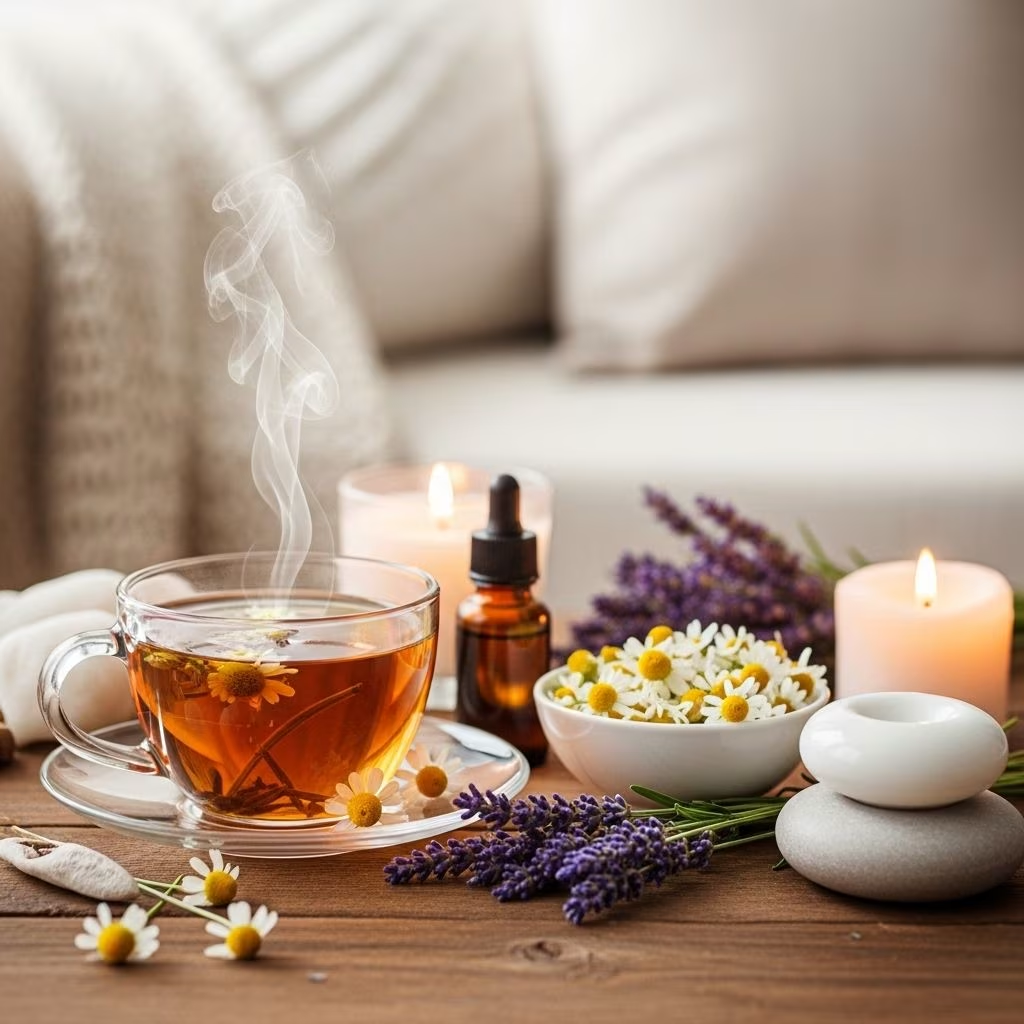
10 Natural Remedies for Better Sleep
Sleep is fundamental for physical and mental health, and yet millions of people struggle with insomnia or poor sleep quality. While prescription medications might offer temporary relief, their side effects and risk of dependency have led many to search for gentler, safer alternatives. This guide explores ten evidence-based, natural remedies for better sleep—including herbs, supplements, lifestyle changes, and relaxation techniques—helping you wake up refreshed and energized each morning.
Why Prioritize Natural Sleep Remedies?
According to the American Association of Sleep Medicine, prescription sleep medications may only increase sleep duration by about 35 minutes and often result in next-day drowsiness and potential dependency. When these medications are discontinued, sleep can worsen further. Natural remedies, by contrast, are generally safer, rarely habit-forming, and address sleep from a holistic standpoint, emphasizing restoration rather than sedation.
1. Chamomile
Chamomile, derived from daisy-like flowers, is one of the oldest and most trusted sleep aids in herbal medicine. Its calming, sedative effects are attributed to flavonoids that bind to brain receptors and induce sleepiness.
- Typically consumed as tea but also available in capsule and tablet form.
- Supports relaxation and may relieve anxiety, though scientific evidence for chronic insomnia remains limited.
Tip: Enjoy chamomile tea earlier in the evening to avoid waking for bathroom trips during the night.
2. Magnesium
Magnesium is a vital mineral involved in hundreds of enzymatic processes, including the regulation of sleep. It acts as a precursor for melatonin production, helps relax muscles, reduces cortisol (the stress hormone), and calms the nervous system.
- Low magnesium levels are linked with sleep disturbances.
- Magnesium supplements and foods like leafy greens, nuts, seeds, and whole grains offer gentle support for sleep quality.
- Magnesium may help reduce insomnia symptoms and improve overall sleep duration.
3. Melatonin
Melatonin is a hormone that your brain produces in response to darkness, helping regulate the circadian rhythm (your internal clock). Melatonin supplements are among the most popular remedies for insomnia, jet lag, and shift work sleep disorder.
- Supplementing melatonin may help you fall asleep faster and improve sleep duration.
- Especially useful for travelers or shift workers experiencing disrupted sleep schedules.
- Most effective when used occasionally; long-term use is not recommended without medical guidance.
- Natural sources: Tart cherries are rich in melatonin and other sleep-promoting compounds.
| Remedy | Main Benefit | Form of Use |
|---|---|---|
| Chamomile | Calms nerves, induces sleepiness | Tea, supplement |
| Magnesium | Reduces stress, muscle relaxation | Supplement, diet |
| Melatonin | Regulates sleep cycle | Supplement, tart cherry |
4. Cannabidiol (CBD)
CBD (cannabidiol) is a non-psychoactive compound extracted from hemp. It’s gaining popularity as a natural sleep booster, largely due to its anxiety-reducing and calming effects.
- May support sleep by interacting with receptors that regulate the sleep-wake cycle.
- Research indicates CBD reduces anxiety and may improve insomnia symptoms, but more studies are needed.
- Generally considered safe; check for possible interactions with other medications.
5. Valerian Root
Valerian root has been a staple of herbal medicine since ancient Greece, prized for its soothing and anxiety-reducing qualities.
- Boosts production of GABA, a calming neurotransmitter that promotes sleep.
- Primarily functions as an anxiolytic, helping shift the mind into restful states.
- Available as tea, tincture, and supplement.
- Research is mixed; many people report improved sleep, but scientific backing is limited.
6. Lavender
Lavender, long adored for its soothing aroma, is often used in aromatherapy and topical oils. Scientific studies show that lavender essential oil can calm anxiety, reduce pain, and enhance sleep quality and duration.
- Try diffusing lavender essential oil, using a pillow spray, or adding a few drops to a night-time bath.
- Integrates easily into bedtime routines for gentle, consistent results.
7. Tart Cherry
Tart cherries are rich in melatonin, tryptophan, and serotonin—compounds crucial for coordinating the sleep-wake cycle. Both whole fruit and tart cherry juice supplements have been studied for their ability to improve sleep quality, reduce insomnia, and increase total sleep time in adults.
- Pilot studies show tart cherry juice significantly improves sleep quality and duration.
- Convenient, natural alternative to melatonin supplements.
8. Passionflower
Passionflower is a climbing vine traditionally brewed as an herbal tea. It contains GABA, which helps quiet brain activity and supports the transition to sleep.
- Can enhance overall sleep quality and reduce insomnia symptoms.
- May also help reduce tension and anxiety, making it a useful addition to night-time rituals.
9. Yoga & Mindfulness
Yoga and mindfulness meditation foster relaxation, decrease stress, and support a healthy sleep routine. These practices help slow racing thoughts and prepare the mind for sleep.
- Engage in gentle, restorative yoga stretches before bed for improved relaxation.
- Meditation techniques, such as deep breathing or body scans, can lower heart rate and support faster sleep onset.
10. Lifestyle Habits
Certain healthy habits play a major role in sustaining good sleep. They include:
- Regular physical activity: Exercising in the morning or afternoon boosts sleep quality and duration.
- Consistent sleep schedule: Going to bed and waking up at the same time daily helps regulate your body’s clock.
- Lifestyle rituals: Creating a bedtime routine—such as dimming lights, reading, or listening to calming music—signals your body to wind down.
Tips for Building Your Own Sleep Routine
- Start winding down an hour before your desired bedtime.
- Limit caffeine and screen time in the evening.
- Create a dark, quiet, and cool sleep environment.
- Try herbal teas, aromatherapy, or gentle stretching to signal relaxation.
Frequently Asked Questions (FAQs)
Q: Are natural sleep remedies safe to use every night?
A: Most herbal and dietary sleep aids, such as chamomile, magnesium, and valerian root, are considered safe for regular use, but it’s wise to consult a health professional, especially if you take prescription medications or have underlying health conditions.
Q: Which remedy works fastest for insomnia?
A: Melatonin supplements and tart cherry juice can work quickly (within an hour) to induce sleep, though effectiveness varies individually. Try combining these with other relaxing rituals.
Q: Can herbal teas and essential oils be combined?
A: Yes, many people find that using multiple gentle remedies (e.g., chamomile tea and lavender oil) amplifies their calming effects and supports a complete bedtime routine.
Q: Is it possible to become dependent on natural sleep remedies?
A: Most natural sleep aids are non-habit-forming, but occasional rotation and breaks from supplements are recommended. Always read product labels and seek medical advice when in doubt.
Q: When should I see a doctor for sleep problems?
A: Seek medical attention if sleep difficulties last more than three weeks, are accompanied by severe daytime impairment, or involve other symptoms (such as pain or breathing issues).
Additional Resources
- National Sleep Foundation: Offers guidelines on sleep hygiene and natural sleep remedies.
- Harvard Health: Publishes research-based tips for improving sleep quality through lifestyle changes.
Conclusion: Creating Your Path to Restful Sleep
Embracing natural sleep remedies can transform sleepless nights into restorative rest. Integrating calming teas, supplements, mindfulness practices, and healthy routines not only supports sleep but also boosts overall well-being. Choose remedies that suit your individual needs, listen to your body, and don’t hesitate to seek professional advice when necessary. With commitment and gentle adjustments, restful nights can become your new normal.
References
- https://www.sleep.com/sleep-health/natural-sleep-aids
- https://www.ncoa.org/article/natural-sleep-remedies/
- https://pmc.ncbi.nlm.nih.gov/articles/PMC11321869/
- https://www.healthline.com/health/healthy-sleep/insomnia-home-remedies
- https://www.webmd.com/women/natural-sleep-remedies
- https://www.health.harvard.edu/newsletter_article/8-secrets-to-a-good-nights-sleep
- https://www.sleepfoundation.org/insomnia/treatment/natural-cures-for-insomnia


