


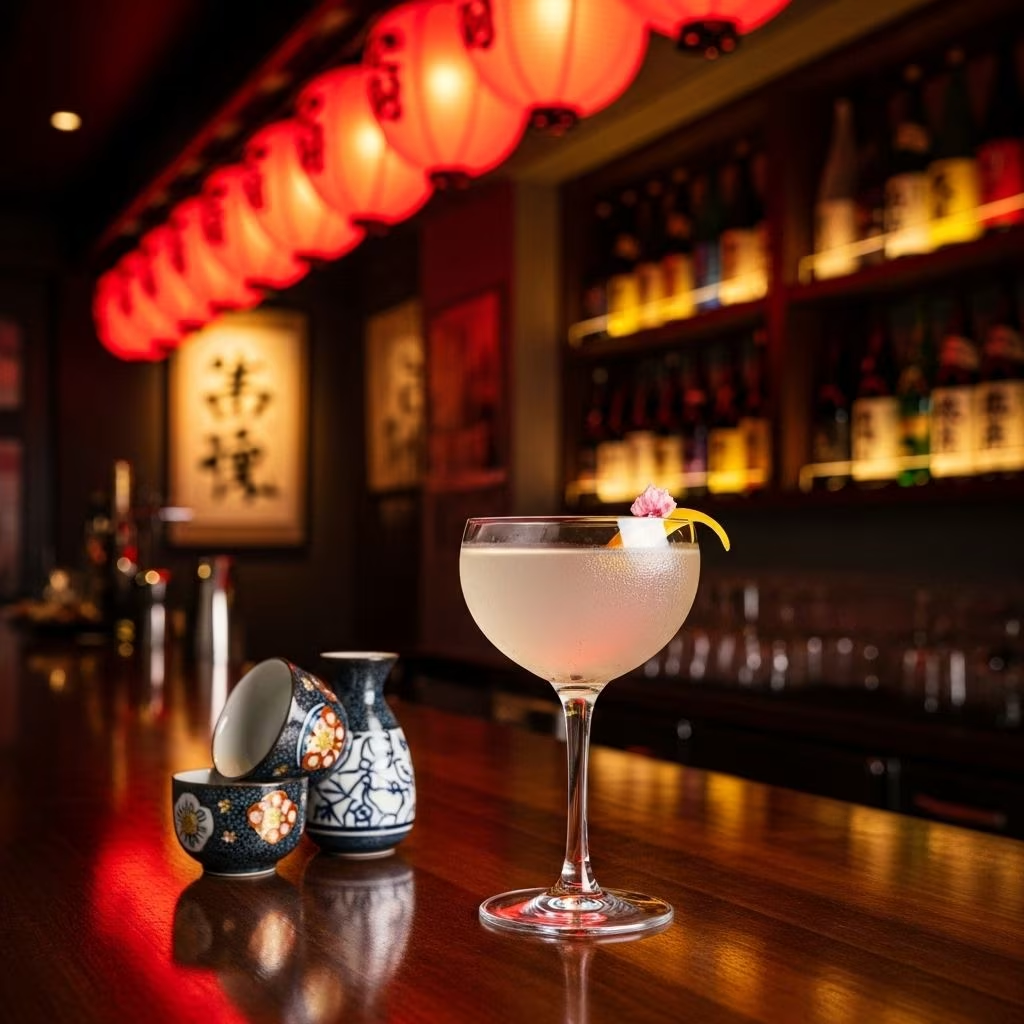
Drinking in Japan: Rules, Remedies, and Must-Know Lingo
Japan’s drinking culture is legendary—not just for its array of beverages but for its distinct traditions, etiquette, and language. Whether you’re heading to a cozy izakaya, joining a bustling company party, or braving the afterparty scene, understanding the rules and lingo can make your night more enjoyable and less intimidating. This guide covers everything you need to know, from ordering drinks and participating in group events to surviving the morning after—with plenty of key Japanese phrases along the way.
Contents
- Key Japanese Drinking Phrases
- Japanese Drinking Parties and Etiquette
- Costs and Payment Etiquette
- Popular Drinking Venues and Options
- Surviving the Night: Remedies for After Drinking
- Frequently Asked Questions
Key Japanese Drinking Phrases
Knowing just a handful of expressions can transform your drinking experience in Japan. From getting the staff’s attention to ordering multiple beers or simply saying “cheers,” these phrases are must-haves for novices and seasoned drinkers alike.
- Sumimasen (Excuse me!) — Used to call over the waiter or get someone’s attention quickly.
- Menu onegaishimas(u) (Menu, please.) — Politely request a menu.
- Haizara kudasai (Ashtray, please.) — For smokers, ask for an ashtray at your table.
- Nama biiru kudasai (Draft beer, please.) — The classic order for a fresh beer.
- Kampai! (Cheers!) — Universal toast before drinking.
- Biiru o ni hai kudasai (Two beers, please.), san bai (Three beers), yon hai (Four beers), go hai (Five beers), roppai (Six beers)—Order multiple drinks at once. Adjust the numbers as needed.
- Kureditto kaado tsukaemasuka? (Can credit cards be used?) — Confirm payment options before you get carried away.
- Rasuto ooda wa nanji desuka? (When is last call?) — Useful to know when the final drinks can be ordered.
- Nijikai! (Second party!) — Refers to the afterparty that often follows the main event.
- O-kai-kei onegaishimas(u) (Bill, please.) — Settle up at the end of the night.
- Gochisosamadeshita! (That was delicious!) — Traditional phrase when leaving, particularly if you’ve eaten.
Note: The final ‘u’ in words like ‘onegaishimasu’ may be silent in Tokyo but pronounced in other regions. Don’t stress about perfect pronunciation—effort is what counts.
Japanese Drinking Parties and Etiquette
Company drinking parties and group outings are a staple of Japanese culture, offering rare opportunities to bond beyond the workplace or classroom environment. Here’s how to navigate them tactfully.
Simple Etiquette Rules
- Do not drink until everyone is ready and the group has shouted kampai.
- When toasting, hold your glass lower than your superior—a subtle hierarchy ritual. See who can get lowest in a friendly battle among coworkers.
- Pour drinks for others before refilling your own. This reciprocal gesture shows politeness and group harmony.
- If you prefer not to drink alcohol, order Oolong tea—a common alternative at parties.
- Wait for someone (or yourself) to say “Itadakimasu!” before eating. This is a tradition that marks the start of a meal.
- Avoid taking—and especially posting—photos when the group is heavily intoxicated. Only agreed group shots are acceptable.
Social Dynamics
Camaraderie is the goal, with drinking games, heartfelt confessions, and a relaxation of social barriers. Many Japanese find their conversational English skills improve after a few drinks—don’t be surprised if you have deeper discussions than expected!
Costs and Payment Etiquette
Drinking parties are not light on the wallet. Whether you’re a rookie or a regular, understanding what’s expected financially is crucial to avoid awkward moments.
- Typical costs range from 3,000 to 10,000 yen per evening, depending on the venue and whether an all-you-can-drink (nomihodai) plan is included.
- Even non-drinkers are expected to pay for nomihodai and can make use of unlimited tea or soft drinks.
- Payment is usually made to a designated coworker who collects money at the door. Be prepared with cash, as this process is rarely negotiable.
- À la carte payment is uncommon and rarely accepted for these events.
- Some venues require payment in advance, especially for large groups. Confirm with the organizer ahead of time.
Sample Cost Table
| Venue | Nomihodai Included? | Cost (Per Person) |
|---|---|---|
| Izakaya (Local Chain) | Yes | ¥3,500 – ¥5,000 |
| Upscale Bar | No | ¥5,000 – ¥10,000 |
| Karaoke Box | Optional | ¥4,000 – ¥7,000 |
| All-You-Can-Drink Specialty Venue | Yes | ¥3,000 – ¥8,000 |
Popular Drinking Venues and Options
Tokyo’s drinking scene caters to every preference, with vibrant bars, themed experiences, and budget-friendly havens. Whether you seek craft beer, cocktails, or a high-energy bar crawl, options abound.
- Izakaya: Traditional Japanese pubs, known for good food and affordable drinks. Loud, energetic, and perfect for groups.
- Craft Beer Bars: Tokyo boasts a growing craft beer scene. Sample local brews in cozy bottle shops or lively bars.
- Bar Crawls: Roppongi and Shibuya promise wild nights, but Golden Gai in Shinjuku remains a favorite for its quirky bars and eclectic crowd. Watch for seating charges.
- Themed Restaurants and Cafés: Enjoy a spooky cocktail at Yurei Izakaya (underworld theme) or drink among jellyfish at a monster café.
- Beer Gardens: During spring and summer, outdoor beer gardens are popular locations for affordable drinking and casual conversations.
- Vending-Machine Chu-hai: Grab a canned chu-hai (shochu highball) from vending machines or convenience stores if you prefer a portable, budget drink.
- Suntory Brewery Tours: For an educational angle, tour the Suntory Brewery—complete with fresh pints sampled at the end.
- 100-Yen Bars: Budget-conscious drinkers flock to spots like Tantos for ultra-cheap beers.
Tips for First-Time Visitors
- Bottle shops offer the cheapest way to enjoy craft beer—drink outside or at home before heading out.
- Most establishments are open late, making spontaneous bar-hopping easy.
- Expect variety: unique cocktails, regional liquors, and awe-inspiring themes for new experiences.
- Shinjuku Golden Gai is a must-visit for bar hopping, though be wary of cover charges and space limitations.
Surviving the Night: Remedies for After Drinking
A night out in Japan can be intense—both for the fun and the dreaded morning after. Here are some local strategies to soften the blow:
- Pocari Sweat or Aquarius — Popular Japanese sports drinks packed with electrolytes. Effective for hydration after drinking.
- Ukon no Chikara — Turmeric-based health drink, available at convenience stores, claimed to reduce hangover severity.
- Miso Soup and Rice — Some swear by a warm bowl of miso soup and rice as a gentle morning-after cure.
- Hot Showers and Green Tea — Traditional favorites include a steamy shower followed by soothing green tea.
- Rest and Rehydration — There is no magical cure; sleep and water remain the best remedies for most people.
- Convenience Store Solutions — Convenience stores stock a range of hangover aids, from vitamin drinks to energy gels.
Proactive Tips
- Pace yourself—Japanese drinks can be deceptively strong, especially shochu-based cocktails and sake.
- Alternate with water or tea to minimize dehydration.
- Eat before and during drinking; izakaya fare pairs well with alcohol and can reduce next-day discomfort.
Frequently Asked Questions (FAQs)
Q: What is ‘nomihodai’ and how does it work?
Nomihodai refers to ‘all you can drink’ promotions, typically offered for a set period (2–3 hours) at izakaya and some bars. The price covers unlimited drinks—beer, cocktails, sake, and sometimes soft drinks. Everyone in the party must participate, including non-drinkers.
Q: Are there special rules for company drinking parties in Japan?
Yes. Key rules include waiting for the kampai, pouring drinks for others, and maintaining polite hierarchy when toasting. The social dynamic is friendlier than typical workplace interactions, but be aware of etiquette around eating and photography.
Q: Can I use credit cards in most bars and izakaya?
Increasingly, yes—but many smaller places remain cash-only. It’s best to ask (“Kureditto kaado tsukaemasuka?”) when ordering and always have cash as backup.
Q: Does everyone pay the same amount for group drinking events?
Generally, yes. Costs are split evenly, including for non-drinkers. Exemptions sometimes apply for newcomers or departing members, but negotiation is rare.
Q: Is it okay to refuse alcohol at Japanese drinking parties?
Absolutely. Ordering tea or soft drinks is accepted and respected, but expect to join in toasts and the overall spirit of the event.
Q: What drinks are most popular in Japanese bars?
Draft beer (nama biiru), highballs (whisky and soda), sake (nihonshu), shochu-based cocktails, and cocktails with local ingredients are all common. Chu-hai (shochu highball) is a budget favorite.
Final Thoughts
Japan’s drinking culture is sociable and inclusive, blending old traditions with energetic nightlife. Whether at an izakaya, themed café, or company party, mastering the language and etiquette will make your experience smoother—and the memories last longer. Cheers, or as you’ll say soon enough, Kampai!
References
- https://tokyocheapo.com/food-and-drink/drinking/drinking-in-japan-rules-remedies-lingo/
- https://tokyocheapo.com/food-and-drink/drinking/
- https://www.youtube.com/watch?v=RY1CAaGslyc
- https://japancheapo.com
- https://japancheapo.com/locations/tokyo/
- https://www.japan.travel/en/uk/inspiration/postcards-chris-kirkland-tokyo-cheapo/
- https://www.youtube.com/watch?v=3tibevPqQgY


