


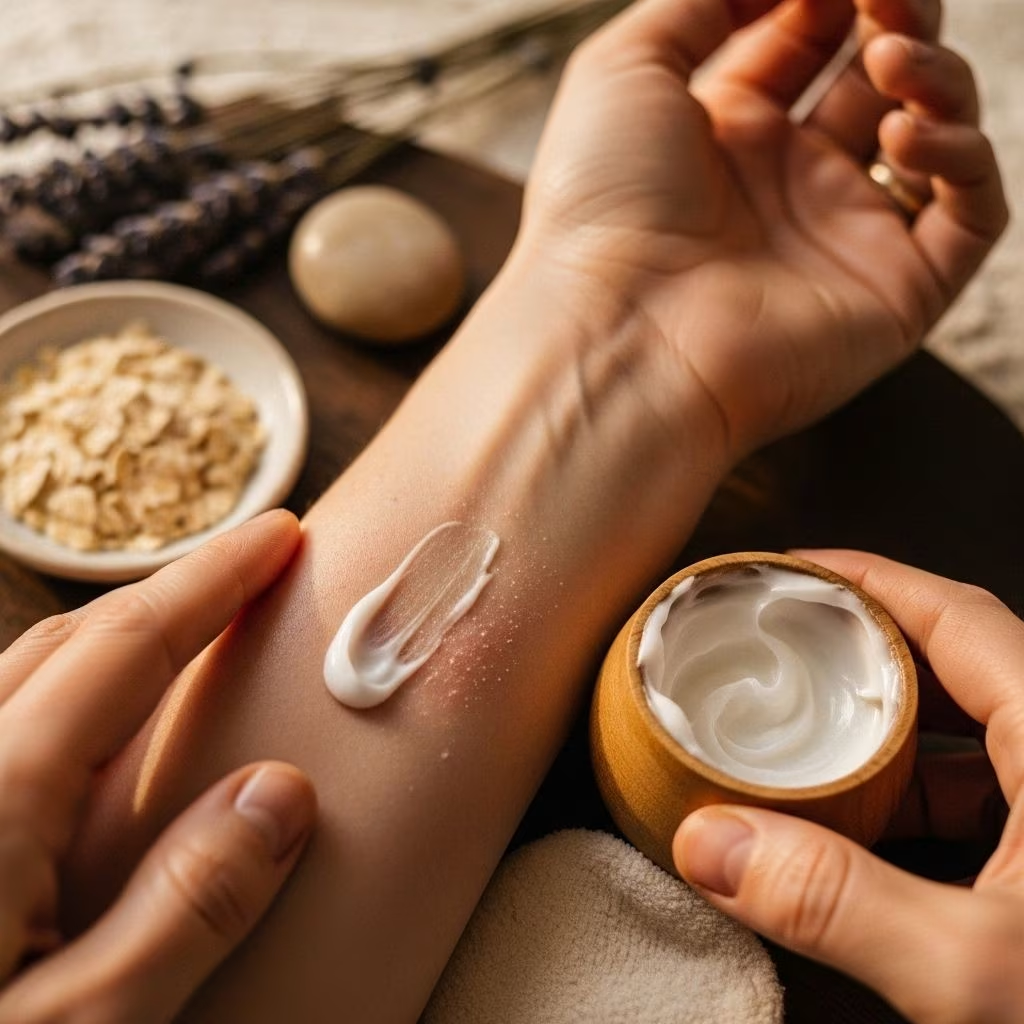
Home Remedies for Itchy Skin in Winter
As winter sets in and the air turns cold and dry, many people experience itchy skin, medically known as pruritus. The lack of humidity outdoors and dry heat indoors can sap your skin’s natural moisture, leading to irritation, redness, and discomfort. Fortunately, adopting a few strategic home remedies and preventive steps can help soothe your skin and keep itching at bay throughout the cold months.
Why Does Skin Get Itchy in Winter?
Winter itch is primarily caused by reduced humidity in the air, which leads to dry skin. Low temperatures, central heating, and long hot showers can remove essential oils from the skin, breaking down its protective barrier. This increases trans epidermal water loss, making the skin more susceptible to irritation, flaking, and itching.
- Indoor heating lowers humidity and dries out skin.
- Cold air outside lacks moisture.
- Hot showers strip natural oils from the skin.
- Frequent hand washing can further remove moisture.
Other contributing factors include skin conditions like eczema or psoriasis, allergies, and exposure to irritants such as harsh soaps or fabrics.
Natural and Effective Home Remedies for Itchy Skin in Winter
Several home remedies and adjustments can provide relief and help restore your skin’s moisture balance. Here are some expert-recommended solutions:
1. Moisturize Immediately After Bathing
The most crucial step in winter skin care is frequent moisturization. Apply a thick, oil-based cream or lotion immediately after showering or bathing, while your skin is still damp. This helps lock in moisture and reinforces the skin’s barrier.
- Choose fragrance-free, preservative-free creams for sensitive or irritated skin.
- Moisturize hands every time they come in contact with water.
- Apply a rich moisturizer at night to hydrate skin during sleep.
- Use lip balm to prevent chapped lips.
2. Adjust Your Bathing Routine
Hot water and harsh soaps can worsen dry skin. To maintain hydration:
- Use lukewarm water rather than hot for showers and baths.
- Limit bathing time to under 10 minutes.
- Wash only essential areas (face, underarms, groin, feet) with mild, unscented cleanser.
- After bathing, pat skin gently with a towel; never rub or wipe vigorously.
3. Apply Cold Compresses
For immediate itch relief, place a cool, damp cloth or ice pack (wrapped in a towel) on affected areas. Cooling reduces inflammation and calms irritated skin. For an extra soothing effect, keep moisturizers in the refrigerator and apply them cold.
4. Try Wet Wrap Therapy
This technique involves applying water-soaked fabric (such as gauze or surgical netting) to itchy areas. Wet wraps help rehydrate and soothe skin, and act as a physical barrier to prevent scratching — especially useful for children.
5. Use Natural Ingredients and DIY Remedies
- Colloidal Oatmeal: Add to baths or use in a paste form to soothe and hydrate skin.
- Baking Soda Bath: Add one-quarter cup of baking soda to warm bathwater to relieve itching and relax before sleep.
- Apple Cider Vinegar: Dilute with water (1:1 ratio) and apply to itchy scalp. Avoid on broken skin, as it may sting.
- Menthol or Peppermint Essential Oil: Provides a cooling effect. Always dilute with a carrier oil before topical use.
6. Choose Friendly Clothing and Fabric
- Wear soft, breathable cotton fabrics.
- Avoid rough, synthetic, or woolen clothing that can aggravate itching.
- Switch to fragrance-free laundry detergent to avoid skin irritation from chemical residues.
7. Hydrocortisone and OTC Treatments
- Apply a nonprescription hydrocortisone 1% cream to stubborn, itchy patches to reduce inflammation.
- Use gentle, ceramide-based OTC moisturizers for extra skin barrier repair.
8. Increase Humidity Indoors
- Utilize a humidifier in the bedroom and common areas to counteract dry indoor air.
- Keep the thermostat a little lower to prevent exacerbating dryness.
9. Dietary and Lifestyle Tips
- Drink plenty of water throughout the day to help hydrate skin from within.
- Increase consumption of foods rich in omega-3 fatty acids (such as flaxseed, walnuts, and fatty fish) to support skin health.
- Avoid excessive caffeine and alcohol, which can dehydrate the skin.
Prevention Strategies: Keeping Winter Itch at Bay
Prevention is essential for managing winter itch. Follow these steps to keep your skin comfortable:
- Moisturize frequently, especially after water exposure or at bedtime.
- Avoid hot showers; opt for brief lukewarm washes.
- Use mild, unscented cleansers in minimal areas.
- Wear gloves when washing dishes or handling cleaning products.
- Limit exposure to outdoor elements by dressing warmly and covering exposed skin.
- Utilize indoor humidifiers to combat dryness from central heating.
Remember, persistent or worsening symptoms warrant professional medical consultation, especially if itching is accompanied by redness, swelling, or signs of infection.
Common Causes of Winter Itchy Skin
| Cause | Description | Prevention |
|---|---|---|
| Low Humidity | Dry air from heating systems reduces skin moisture. | Use humidifiers and moisturize regularly. |
| Hot Showers | Prolonged exposure to hot water strips protective oils. | Take shorter, lukewarm showers. |
| Harsh Cleansers | Chemicals and fragrances can irritate skin. | Use mild, unscented products. |
| Fabrics/Irritants | Wool, synthetics, or chemical residues cause irritation. | Wear cotton fabrics and use gentle detergents. |
| Underlying Conditions | Eczema, psoriasis, or allergies may flare up in winter. | Follow condition-specific care routines. |
When Should You Seek Medical Advice?
While most cases of itchy skin in winter can be managed with home remedies, consult a dermatologist if:
- Itching is severe, persistent, or disrupting sleep and daily activities.
- Redness, swelling, blisters, or skin infections appear.
- Home treatments are ineffective after several days.
- Your skin condition is associated with other symptoms such as fever or pain.
Professional care may be needed for prescription topical treatments, allergy management, or to rule out underlying skin disorders.
Quick Tips: Maintaining Healthy Skin During Winter
- Moisturize after every wash: Carry a travel-size cream for frequent application.
- Wear gloves: Protect hands from cold air and irritants.
- Set up a humidifier: Keep air moisture above 40% indoors.
- Opt for gentle cleansers: Avoid harsh exfoliants and foaming soaps.
- Resist scratching: Scratching worsens irritation and risks infection. Consider wearing gloves at night.
- Hydrate inside and out: Balanced water intake and topical hydration are vital.
- Monitor skin changes: Watch for persistent stress or skin changes and consult specialists promptly.
Frequently Asked Questions (FAQs)
Q: Why does my skin itch more in winter?
A: The combination of cold outdoor air, dry indoor heat, and frequent hot showers removes essential oils from your skin, increasing dryness and irritation.
Q: What is the fastest way to relieve itchy, dry skin?
A: Apply a cold compress, moisturize with a thick cream, and avoid hot showers. For localized itching, OTC hydrocortisone cream can help.
Q: Are natural ingredients like oatmeal and baking soda effective?
A: Yes, colloidal oatmeal and baking soda baths can soothe irritated skin and relieve itching. Apple cider vinegar may help scalp itch, but avoid open wounds.
Q: Should I use lotion or cream in winter?
A: Creams and ointments are better than lotions for winter because they contain more oil, providing a stronger barrier to prevent moisture loss.
Q: When should I see a dermatologist?
A: If itching is severe, persistent, accompanied by redness, swelling, or infection, or if home remedies do not work, professional evaluation is needed.
Conclusion: Restore Comfort and Protect Your Skin This Winter
Winter itch doesn’t have to disrupt your life. By understanding the causes and taking proactive measures—hydration, gentle cleansing, moisturizing, and lifestyle adjustments—you can maintain healthy, comfortable skin throughout the colder months. Prioritize prevention and treat symptoms promptly to enjoy winter worry-free.
References
- https://www.medicalnewstoday.com/articles/323491
- https://www.vistadermsa.com/2020/01/09/winter-itch-and-how-to-treat-it/
- https://www.vanicream.com/skin-basics/winter-itch
- https://www.benadryl.com/itchy-skin/relief-prevent-skin-itching-tips
- https://health.ucdavis.edu/news/headlines/itchy-dry-skin-this-winter-these-tips-from-dermatologists-may-help-/2022/12
- https://newsnetwork.mayoclinic.org/discussion/home-remedies-skin-tends-to-be-driest-in-winter/
- https://health.clevelandclinic.org/home-remedies-for-itchy-skin
- https://www.onemedical.com/blog/healthy-living/8-ways-prevent-itchy-dry-winter-skin/


