


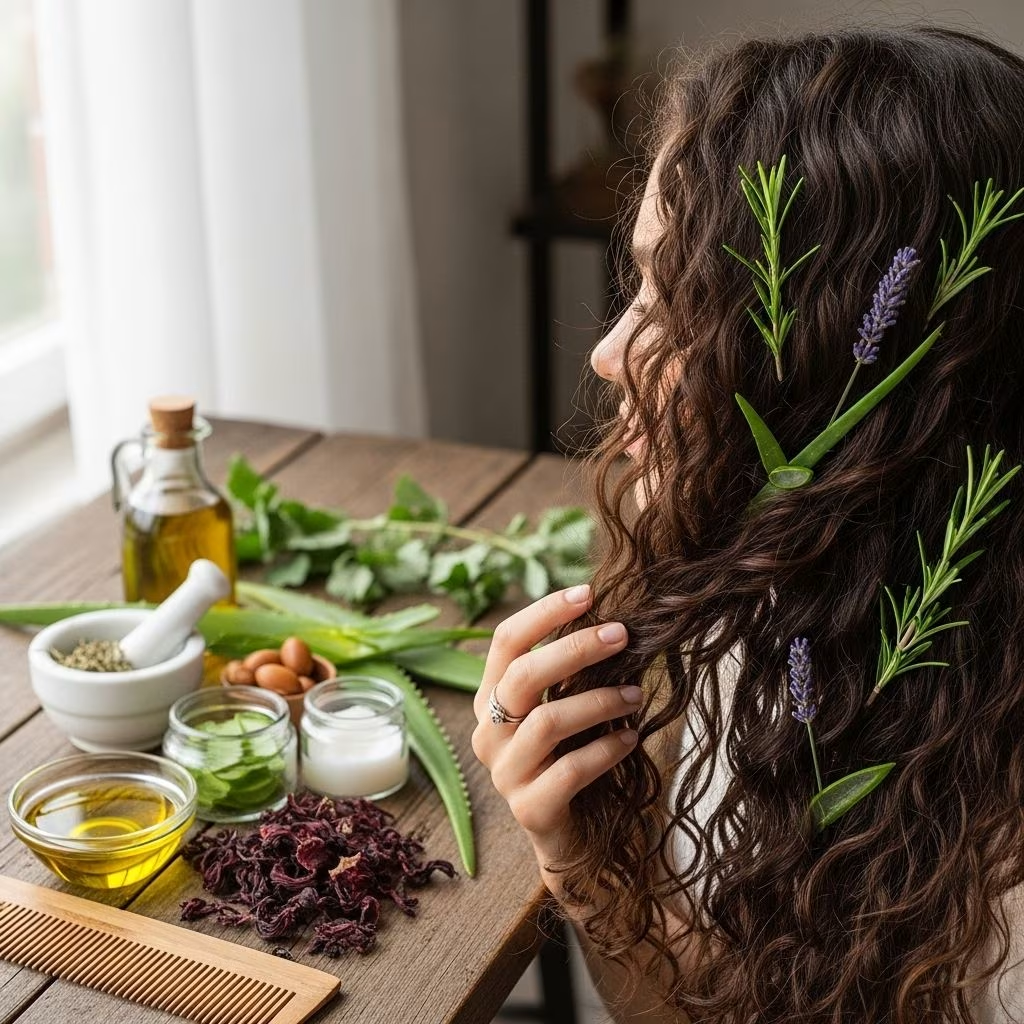
Natural Hair Remedies: Time-Tested Solutions for Healthy Hair
Natural hair remedies have long been favored for their gentle, nourishing qualities, offering revitalization for all hair types without the side effects often associated with chemical-based products. Today, traditional wisdom meets modern science, providing a diverse toolkit of oils, herbs, and routines for anyone seeking to boost hair growth, enhance shine, or repair damage naturally.
Why Choose Natural Hair Remedies?
- Minimize chemical exposure: Natural ingredients reduce the risk of irritation and allergic reactions.
- Scalp health: Many herbal ingredients balance oil production, treat dandruff, and soothe inflammation.
- Improved hair texture and growth: Vitamins, amino acids, and antioxidants fortify strands and support follicles.
- Sustainability: Natural remedies often use minimal packaging and lend themselves to eco-friendly practices.
Essential Natural Oils for Hair Health
Oils have been used for centuries to protect, nourish, and treat hair. Here are the most effective options:
Coconut Oil
Coconut oil penetrates deep into the hair shaft, providing intense moisture, minimizing protein loss, and reducing breakage. Ideal for dry or curly hair, use it as a pre-wash treatment or overnight mask. For fine or oily hair, apply sparingly to avoid weighing strands down.
Olive Oil
Olive oil is celebrated for its softening and strengthening properties. It locks in moisture, making it excellent for thick, coarse, or damaged hair. To use, massage a small amount into the scalp and hair, cover with a warm towel or shower cap for 15–30 minutes, then shampoo thoroughly.
Argan Oil
Argan oil is rich in vitamin E and essential fatty acids, perfect for taming frizz and restoring shine. Use a few drops on damp hair or as a leave-in serum on dry ends.
Jojoba Oil
Jojoba oil, closely resembling the scalp’s natural sebum, is lightweight and absorbs easily. It balances oil production, nourishes the scalp, and is suitable for all hair types.
DIY Masks and Rinses with Common Kitchen Ingredients
Homemade masks and rinses can deliver instant nourishment and can be customized to address specific hair needs.
Egg Masks
- Protein repair: Eggs are high in proteins, minerals, and B vitamins needed for hair strength and shine.
- Application: Use whole egg for combination hair, egg yolk for dry hair, and whites for oily hair. Whisk, apply to hair for 20 minutes, then rinse with cool water to prevent “cooking” the egg.
Avocado Treatments
- Hydration and nourishment: Avocado is packed with vitamins, minerals, and healthy fats for deep conditioning.
- Usage: Mash a ripe avocado with a spoon of olive oil or honey, apply as a mask for 30 minutes, then rinse thoroughly.
Banana Hair Masks
- Softening and thickening: Banana contains silica, which supports collagen production and strengthens follicles.
- DIY Recipe: Mash one banana with 2 tablespoons of coconut oil and apply to hair. Leave on for 20–30 minutes, then rinse with warm water.
Honey Treatments
- Moisture retention: Honey acts as a humectant, locking moisture into the hair and adding gloss.
- Lightening: Repeated use may slightly lighten hair color due to natural peroxide content.
Mayonnaise Mask
- Protein enrichment: The combination of eggs and oils in mayonnaise restores shine and smooths damaged hair.
- Tips: Use full-fat mayonnaise for best results. Apply like a mask, cover, and leave in for 20–30 minutes, then shampoo well.
Herbal Treatments for Healthy Hair
Traditional and modern herbal remedies offer targeted solutions for scalp and strand wellness.
| Herb | Main Benefits | Common Uses |
|---|---|---|
| Rosemary | Stimulates circulation, promotes growth, reduces dandruff | Oil infusions, rinses, scalp massages |
| Neem | Anti-fungal, soothes itchy scalp, reduces flakiness | Masks, rinses, combined with clay for scalp detox |
| Hibiscus | Deep conditioning, boosts shine, prevents premature graying | Masks with yogurt, herbal rinses |
| Brahmi & Bhringraj | Reduces hair fall, calms scalp, strengthens roots | Powder masks, oil infusions, weekly massages |
| Fenugreek | Conditions, helps with thinning, detangles | Masks (with coconut milk), infused oils |
| Green Tea | Antioxidant protection, enhances softness, soothes inflammation | Herbal rinses |
Easy Ways to Use Herbs at Home
- Herbal Rinses: Boil herbs like rosemary or chamomile and use the tea as a final rinse after washing. Green tea or black tea can also be used to boost shine and scalp health, but be cautious with black tea as it can dry hair if overused.
- DIY Hair Masks: Blend powders (amla, hibiscus, fenugreek) with yogurt, aloe vera, or coconut milk and apply as a mask for deep conditioning.
- Herbal Infused Oils: Add dried herbs to oils and store in a warm place for 1–2 weeks. Strain and use the oil for scalp massage or as a pre-wash treatment.
Foods and Nutrients for Healthy Hair
Hair health begins within. A balanced diet ensures your hair receives the building blocks needed for resilience and shine.
- Protein: Found in eggs, lentils, fish, and poultry, protein is essential for hair structure and repair.
- Biotin and B Vitamins: Eggs, almonds, and avocados support cell growth and hair strength.
- Zinc and Iron: Leafy greens, pumpkin seeds, and red meat help prevent hair thinning and promote follicle health.
- Omega-3 Fatty Acids: Nuts, seeds, and oily fish support scalp hydration and elasticity.
- Antioxidants: Berries, green tea, and spinach protect follicles from oxidative stress.
Tips for Integrating Natural Remedies Into Your Haircare Routine
- Consistency matters: Regular use is key—see results after 4–8 weeks for most natural treatments.
- Understand your hair type: Fine, oily, curly, or thick hair may require different approaches and ingredient amounts.
- Avoid heat styling: Minimize damage by letting hair air dry and skipping hot tools whenever possible.
- Protect while sleeping: Use silk or satin pillowcases and scarves to reduce friction and breakage.
- Shampoo less often: Overwashing strips natural oils; opt for milder, sulfate-free cleansers and space out washes.
Common Mistakes to Avoid with Natural Hair Remedies
- Overuse of heavy oils: Can lead to build-up, limp hair, and itchy scalp, especially for those with finer hair types.
- Allergic reactions: Patch-test all new ingredients to avoid irritation.
- Using too much protein: Can make hair stiff and brittle. Balance with moisturizing treatments.
- Neglecting scalp care: A healthy scalp is essential for hair growth and should not be overlooked.
Natural Hair Remedies: Quick Reference Table
| Remedy | Best For | How to Use |
|---|---|---|
| Coconut Oil | Dry, curly hair | Pre-wash treatment or overnight mask |
| Egg Mask | Weak, damaged hair | Apply for 20 minutes, rinse with cool water |
| Honey | Dull, dry hair | Add to masks, use as a rinse or mix with conditioners |
| Avocado | Brittle hair, scalp care | Mash with oil for mask, apply for 30 minutes |
| Mayonnaise | Damaged, frizzy hair | Apply, cover, leave for 30 minutes, then wash |
| Olive Oil | Coarse, thick hair | Massage, cover for up to 30 minutes before washing |
Frequently Asked Questions (FAQs)
Q: How often should I use natural hair remedies?
A: Most treatments, like masks and oiling, can be used once or twice per week. Adjust the frequency based on your hair type and needs.
Q: Can natural remedies replace commercial shampoos and conditioners?
A: While some people opt for a fully natural hair care routine, others use natural remedies alongside gentle, sulfate-free shampoos and conditioners for balance and convenience.
Q: Are there risks to using kitchen ingredients on hair?
A: While generally safe, always perform a patch test to check for reactions. Some ingredients, such as citrus or strong teas, may be drying with overuse.
Q: What if I don’t see results right away?
A: Natural remedies typically require consistent, long-term use for visible results. Monitor progress for at least 8 weeks, make adjustments as needed, and stay patient.
Q: Can natural treatments help with scalp conditions (like dandruff)?
A: Yes. Neem, tea tree oil, and rosemary are especially helpful for scalp health. Incorporate these into your routine for best results, and seek medical advice for persistent issues.
Final Thoughts
Embracing natural hair remedies means choosing gentle, sustainable solutions that nurture your hair’s health from root to tip. By experimenting with oils, herbal preparations, and nutrient-rich foods, you cultivate not only stronger and shinier hair, but also a deeper connection to traditional self-care. Remember, results take time—let nature’s rhythm guide your journey to resilient, beautiful hair.
References
- https://www.chemist-4-u.com/guides/hair/10-natural-remedies-to-repair-your-damaged-hair-at-home/
- https://www.rev-320.com/blogs/hair-care-blogs/essential-guide-to-natural-herbs-for-hair-care
- https://www.goodrx.com/well-being/alternative-treatments/natural-hair-growth-products-remedies
- https://www.webmd.com/beauty/features/ingredients-for-natural-hair
- https://www.medicalnewstoday.com/articles/320155
- https://www.healthline.com/health/tricks-healthier-fuller-hair
- https://pmc.ncbi.nlm.nih.gov/articles/PMC11549889/
- https://scrippsamg.com/gut-health-and-natural-hair-care/


