


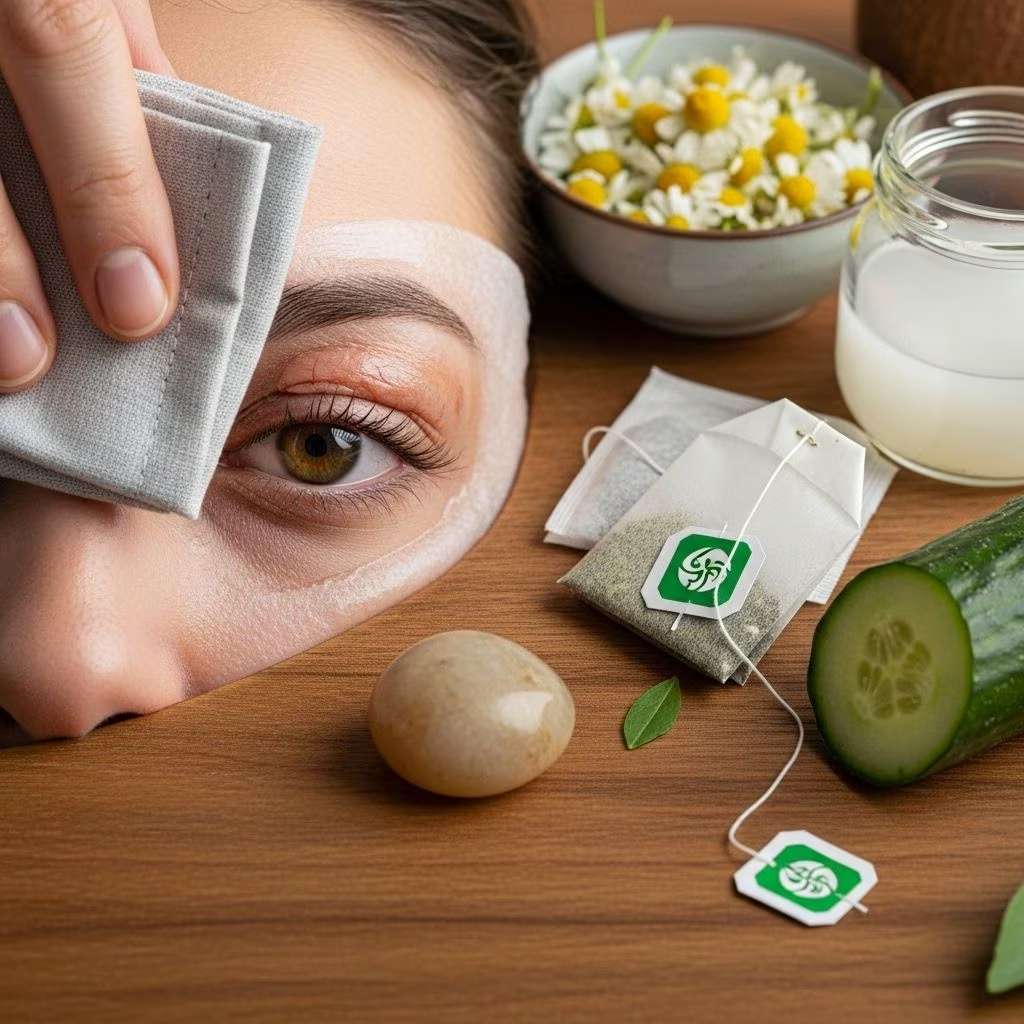
Home Remedies for Chalazion: Natural Treatments and Prevention Tips
A chalazion is a common, usually painless lump or swelling that develops on the eyelid due to blockage of the meibomian (oil) gland. While chalazia often resolve on their own, natural home remedies can accelerate healing, relieve discomfort, and help prevent recurrence. This comprehensive guide covers proven treatments, practical tips, lifestyle changes, and expert answers to frequently asked questions about managing chalazion at home.
What is Chalazion?
A chalazion is a localized swelling on the eyelid that results from a blocked meibomian gland. Unlike a stye, which is typically painful and caused by an infection, a chalazion is usually painless but can become tender, swollen, and unsightly if not managed properly.
Common Causes and Risk Factors
- Oil gland dysfunction: Blockage or improper functioning of meibomian glands leads to accumulation of oil and formation of a lump.
- Chronic blepharitis: Inflammation of eyelids increases risk of gland blockages.
- Rosacea: Skin condition associated with increased chalazion risk.
- Poor eyelid hygiene: Not cleaning eyelids regularly favors debris and oil buildup.
- Recurrent chalazia: A history of previous chalazion increases likelihood of future episodes.
Chalazion Symptoms
- Slow-growing, painless lump on upper or lower eyelid
- Mild discomfort, swelling, or heaviness
- Occasionally, tenderness and redness if inflamed
- Visual disturbance if the lump is large enough
- Rarely, secondary infection leading to pain and pus
Best Home Remedies for Chalazion
Home remedies are generally safe and effective for managing uncomplicated chalazia. Below are trusted methods endorsed by eye care professionals and supported by studies:
Warm Compress
Applying a warm compress is the cornerstone of chalazion home care. This technique softens trapped oil, promotes natural drainage, and reduces discomfort.
- Soak a clean cloth in warm (not hot) water.
- Apply gently to the closed eyelid for 10–15 minutes, 4–6 times per day.
- Reusable compresses: Heat a clean sock filled with uncooked rice in the microwave (20 seconds), or use a warm tea bag (chamomile or green tea).
Benefits: Soothes swelling, encourages healing, and is backed by clinical research.
Gentle Eyelid Massage
Massaging the eyelid after warm compresses can enhance drainage by helping break down the blockage.
- Use clean hands and a gentle circular motion on the affected area for several minutes after applying compress.
- Do not massage too hard; avoid direct pressure over the lump.
Aloe Vera and Cucumber
Both are known for cooling and anti-inflammatory properties, providing relief from swelling and discomfort.
- Chill a fresh slice of aloe vera or cucumber.
- Place it over the closed eyelid for 10–15 minutes.
- Repeat as needed, several times a day.
Tea Tree Oil Compress (Use With Caution)
Tea tree oil has natural antimicrobial qualities but must be diluted before use to avoid eye irritation.
- Mix 1–2 drops of tea tree oil with a carrier (olive or coconut oil).
- Using a cotton swab, apply carefully to the chalazion area—never inside the eye!
- Leave for a few hours, then rinse with warm water.
- Use 1–2 times daily. Stop immediately if any irritation occurs.
Note: Not universally recommended. Always consult a doctor if uncertain.
Honey and Rose Water Mix
| Step | Details |
|---|---|
| Cleanse | Wash area with mild soap, pat dry. |
| Prepare | Mix equal parts honey and rose water. |
| Apply | Gently dab on the chalazion with a cotton swab. |
| Repeat | Apply 2–3 times daily for best results. |
Honey offers antimicrobial and anti-inflammatory benefits, while rose water soothes the skin, accelerating chalazion healing.
Guava Leaf Poultice
- Crush fresh guava leaves until juice is released.
- Apply juice gently to the swelling twice a day.
- Benefit: Reduces pain and inflammation, promotes drainage, accelerates healing.
Stop use and consult a doctor if irritation develops.
Turmeric Paste
- Mix turmeric powder with water to form a thick paste.
- Apply externally around the lump (never inside the eye).
- Known for its anti-inflammatory and antibacterial effects.
Chamomile or Green Tea Bag Compress
- Steep a chamomile or green tea bag and let cool till warm.
- Apply gently to the eyelid for 10–15 minutes.
- Repeat 2–3 times a day.
Eyelid Cleaning Routine
- Use diluted baby shampoo or a commercial eyelid cleanser like OCuSOFT Lid Scrub.
- Gently clean the eyelid margin, removing oil and debris each day.
Lifestyle and Prevention Strategies
Practicing good eye and eyelid hygiene is crucial for preventing chalazion recurrence and promoting overall eye health.
- Clean eyelids regularly: Use gentle cleansers to minimize oil buildup.
- Avoid rubbing eyes: Prevents irritation and reduces bacterial transfer to eyelids.
- Remove makeup before bed: Use micellar water or a specialized eye makeup remover nightly to decrease blockage risk.
- Maintain a healthy diet: Include omega-3 rich foods (salmon, flaxseeds, walnuts) to support meibomian gland function.
- Manage chronic conditions: Work with a healthcare provider on blepharitis, rosacea, or seborrheic dermatitis.
- Address allergies: Minimize triggers that could increase inflammation and eyelid irritation.
When to Seek Medical Help
- If the chalazion becomes larger, more painful, or shows signs of infection (redness, pus), seek prompt care.
- If home remedies do not reduce swelling after a few weeks, contact an eye professional.
- Medical alternatives: Steroid injections or drainage procedures can be less invasive than surgery, offered by your doctor.
- Surgical removal (performed by an ophthalmologist under local anesthesia) may be necessary for large or persistent lumps.
Frequently Asked Questions (FAQs)
Q: Can a chalazion go away without treatment?
A: Yes, most chalazia resolve naturally within a month. Home remedies like warm compresses and hygiene support faster healing.
Q: Is it safe to pop or squeeze a chalazion?
A: No. Squeezing can cause infection or worsen the lump. Always opt for gentle remedies and seek help if symptoms escalate.
Q: Should I stop wearing contact lenses if I develop a chalazion?
A: It is advisable to avoid contact lenses while the eyelid is swollen or tender, as they can increase irritation and the risk of further problems.
Q: Are natural remedies like aloe vera and tea tree oil backed by research?
A: Aloe vera and tea tree oil are valued for their soothing and antimicrobial properties, but only warm compresses and proper hygiene have strong medical backing. Use essential oils with caution and discontinue if irritation occurs.
Q: What foods help prevent chalazion?
A: A diet rich in omega-3 fatty acids (found in salmon, walnuts, flaxseed) supports healthy meibomian gland function and may decrease risk.
Q: Is surgery commonly needed?
A: Surgery is rarely required. Most chalazia improve with home care; surgery may be considered for chronic, large, or unresponsive lumps and is usually safe under local anesthesia.
Q: Can children use these home remedies?
A: Most remedies—such as warm compresses and lid hygiene—are safe for children with supervision. Avoid essential oils and be cautious with any topical applications near children’s eyes.
Tips for Maintaining Healthy Eyelids
- Wash hands before touching eyes or applying any remedy.
- Do not share towels, makeup, or eyecare tools.
- Replace eye makeup frequently to avoid contamination.
- Attend regular eye check-ups, especially if prone to eyelid lumps or chronic skin conditions.
Quick Reference: Chalazion Home Remedy Effectiveness
| Remedy | Purpose | Notes |
|---|---|---|
| Warm Compress | Soften oil, promote drainage | Most recommended and safest |
| Eyelid Massage | Enhance drainage | Only after warming; gentle pressure |
| Aloe Vera/Cucumber | Soothe swelling, comfort | Effective for mild irritation |
| Honey & Rose Water | Reduce inflammation | Antimicrobial and gentle |
| Guava Leaf Poultice | Promote healing, reduce pain | Used in traditional medicine |
| Tea Tree Oil | Antibacterial | Always dilute and use with caution |
Summary
Chalazion is a common eyelid concern with simple at-home solutions. Warm compresses, eyelid hygiene, and soothing natural remedies form the foundation of treatment. Most cases are self-limiting, but recognizing when to seek professional help is vital. Prevent future occurrences with regular eyelid care, healthy dietary choices, and prompt management of underlying health issues. Always prioritize safety, avoid unproven home treatments, and consult your healthcare provider if in doubt.
References
- https://www.healthline.com/health/how-does-a-chalazion-drain-naturally
- https://my.clevelandclinic.org/health/diseases/17657-chalazion
- https://www.ahmadaziz.uk/post/say-goodbye-to-chalazion-effective-home-remedies-and-preventative-measures
- https://stanfordhealthcare.org/medical-conditions/eyes-and-vision/chalazion-stye/treatments.html
- https://www.my-iclinic.co.uk/articles/stubborn-chalazion-tips-to-soothe-treat-and-heal-effectively
- https://www.theralife.com/13-natural-chalazion-lid-care-solutions-at-home/
- https://vijayanethralaya.com/can-you-get-rid-of-a-chalazion-without-surgery/chalazion/
- https://www.nationwidechildrens.org/family-resources-education/health-wellness-and-safety-resources/helping-hands/chalazion
- https://www.tnoculoplastics.com/2023/04/27/chalazion-symptoms-causes-treatment/


