


Introduction
Herbal drops, also known as herbal tinctures, have been used for centuries across various cultures as natural remedies for a wide range of health concerns. Today, they remain a popular choice for those seeking holistic and plant-based solutions for wellness. This guide explores everything you need to know about herbal drops, from their benefits and types to usage guidelines and frequently asked questions.
What Are Herbal Drops?
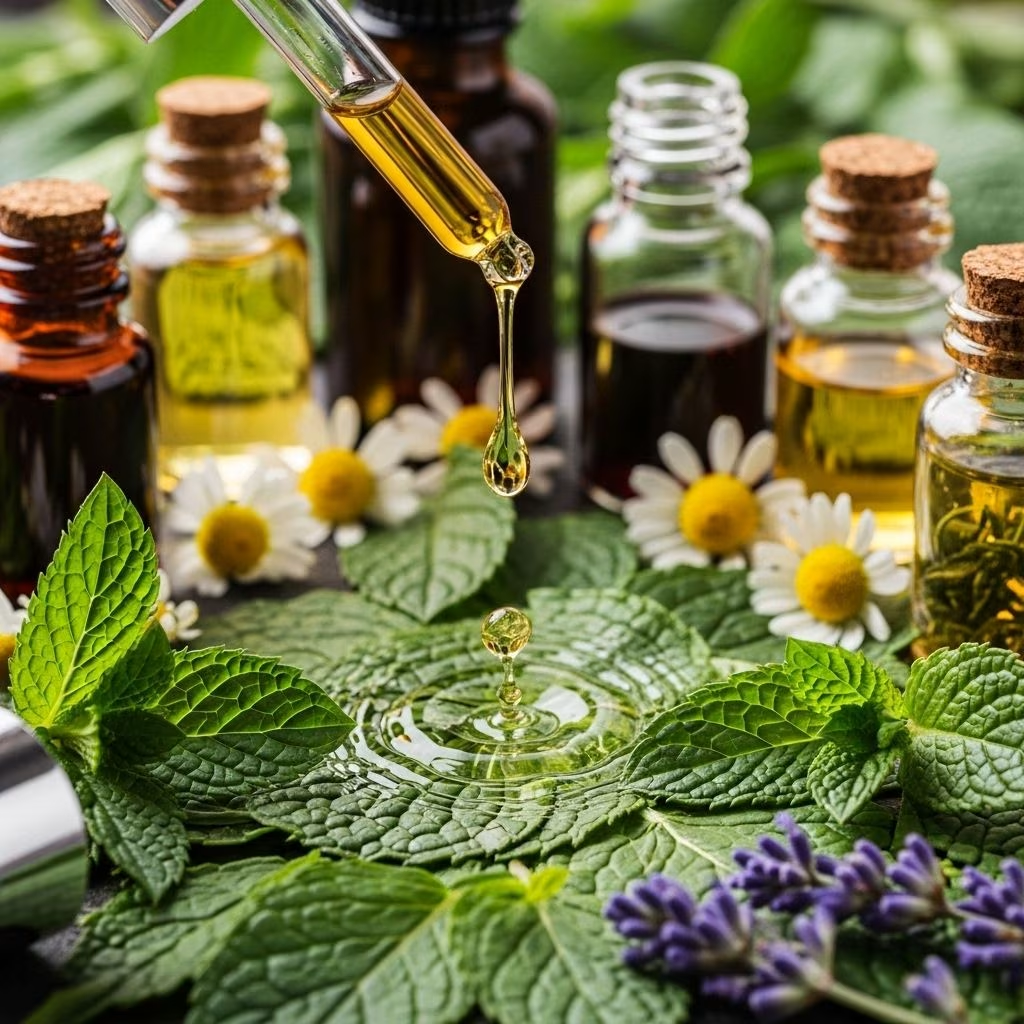
Herbal drops are concentrated liquid extracts made by soaking herbs—such as leaves, roots, flowers, or berries—in alcohol, vinegar, or glycerin. This process extracts the plant’s active compounds, resulting in a potent liquid that can be taken directly under the tongue, added to water, or applied topically, depending on the preparation.
Unlike teas or capsules, herbal drops offer a convenient and fast-acting way to benefit from the therapeutic properties of medicinal herbs.
Benefits of Herbal Drops
- Concentrated Potency: Herbal drops deliver a high concentration of active plant compounds, often more than you would get from teas or powders.
- Fast Absorption: Taken sublingually (under the tongue), herbal drops are quickly absorbed into the bloodstream, providing rapid effects.
- Versatility: They can be used for a wide variety of health concerns, from immune support to stress relief and digestive health.
- Long Shelf Life: Thanks to their alcohol or glycerin base, tinctures can last for several years when stored properly.
- Customizable: You can tailor the dosage to your specific needs, making them suitable for both adults and children (with appropriate dilution).
Popular Types of Herbal Drops and Their Uses
Echinacea
Known for its immune-boosting properties, echinacea is commonly used to help prevent and reduce the duration of colds and flu. It supports overall wellness, especially during seasonal changes.
Elderberry
Elderberry drops are popular for treating cold and flu symptoms, reducing severity, and supporting immune health. Modern research suggests they may shorten the duration of flu infections, though more studies are needed.
Ginseng
Used in traditional Chinese medicine for boosting energy, cognitive function, and immunity, ginseng comes in Asian and American varieties. Asian ginseng is considered stimulating, while American ginseng may promote relaxation.
Ginkgo Biloba
Ginkgo is traditionally used to support memory and cognitive function, as well as circulation. However, scientific evidence for its efficacy remains limited.
Valerian
Valerian is a natural sedative, often used for anxiety, insomnia, and restlessness. It is valued for its calming effects and may help with sleep disorders.
St. John’s Wort
Often used for mild to moderate depression, St. John’s Wort supports mood balance. It should be used with caution due to potential interactions with medications.
Milk Thistle
Milk thistle is recognized for its liver-supporting properties and is commonly used for liver detoxification and regeneration.
Chamomile
Chamomile is widely used for its calming effects, aiding in stress relief, digestive support, and as a gentle sleep aid.
CBD (Cannabidiol)
CBD drops have gained popularity for their analgesic, anti-anxiety, and anti-inflammatory effects, and are used to manage pain, insomnia, and anxiety.
Black Cohosh
Black cohosh is traditionally used to relieve menopausal symptoms, menstrual irregularities, and musculoskeletal pain due to its hormone-modulating properties.
Other Notable Herbs
Herbs like dandelion, nettle, feverfew, burdock, garlic, goldenseal, and yarrow each offer unique health benefits, from digestive support and anti-inflammatory effects to immune modulation and cardiovascular health.
How to Choose the Right Herbal Drops
- Health Goals: Identify your primary health concern—whether it’s immune support, stress relief, digestive health, or another issue—to select the most appropriate herb.
- Quality and Purity: Look for products from reputable brands that use organic, non-GMO, and sustainably sourced herbs.
- Extraction Method: Alcohol-based tinctures are most common, but glycerin-based options are available for those avoiding alcohol.
- Herb Combinations: Some products combine multiple herbs for synergistic effects. Consider blends tailored to specific conditions.
- Consult a Professional: Always consult with a healthcare provider or herbalist, especially if you are pregnant, nursing, or taking medications, to avoid contraindications and ensure safety.
How to Use Herbal Drops
- Dosage: Dosage varies depending on the herb and individual needs. Start with the recommended dose on the product label and adjust as needed.
- Administration: Most herbal drops are taken under the tongue for rapid absorption. Alternatively, you can add them to water, juice, or tea.
- Frequency: Use as directed—daily for general wellness, or as needed for acute symptoms.
- Storage: Store in a cool, dark place away from direct sunlight to preserve potency.
Safety and Side Effects
While herbal drops are generally safe when used appropriately, it’s important to be aware of potential side effects and drug interactions:
- Side Effects: Some herbs may cause mild side effects like digestive upset, headaches, or allergic reactions. For example, ginseng may cause insomnia or digestive issues in some individuals, and ginkgo may increase bleeding risk.
- Drug Interactions: Certain herbs, such as St. John’s Wort and ginkgo, may interact with prescription medications, including blood thinners, antidepressants, and immunosuppressants.
- Raw Herbs: Some herbs, like elderberry, are toxic when raw and should only be consumed in prepared forms.
- Special Populations: Pregnant or breastfeeding women, children, and individuals with chronic health conditions should consult a healthcare provider before use.
Herbal Drops vs. Other Herbal Preparations
| Preparation | Pros | Cons |
|---|---|---|
| Herbal Drops (Tinctures) | Concentrated, fast absorption, long shelf life, customizable dosage | Taste may be strong, alcohol base not suitable for everyone |
| Herbal Teas | Gentle, soothing, hydrating | Lower potency, requires preparation, shorter shelf life |
| Capsules/Tablets | Convenient, tasteless, precise dosing | Slower absorption, may contain fillers |
| Topical Applications | Direct application for skin issues | Limited systemic benefits |
How to Make Your Own Herbal Drops
Making herbal tinctures at home is straightforward and allows for customization. Here’s a basic method:
- Choose Your Herb: Select dried or fresh herbs based on your needs (e.g., echinacea root, elderberries, valerian root).
- Prepare the Jar: Place the herb in a clean glass jar.
- Add Solvent: Cover the herb with alcohol (e.g., vodka or brandy), vinegar, or glycerin. Use enough solvent to fully submerge the herbs.
- Seal and Store: Close the jar tightly and store in a cool, dark place for 4–6 weeks, shaking occasionally.
- Strain and Bottle: After steeping, strain the liquid through cheesecloth into a dark glass bottle. Label with the herb name and date.
Always research proper herb-to-solvent ratios and safety guidelines before starting.
Frequently Asked Questions (FAQs)
Are herbal drops safe for everyone?
While generally safe, some herbs may not be suitable for pregnant women, children, or individuals with certain health conditions or on specific medications. Always consult a healthcare provider before starting any herbal supplement.
Can I take multiple herbal drops at the same time?
Some herbs can be combined for synergistic effects, but others may interact negatively. It’s best to consult an herbalist or healthcare provider before mixing multiple tinctures.
How long do herbal drops last?
When stored properly in a cool, dark place, alcohol-based tinctures can last several years. Glycerin-based tinctures have a shorter shelf life, typically 1–2 years.
Do herbal drops taste bad?
Some tinctures have a strong, bitter taste due to their plant content and alcohol base. You can dilute them in water, juice, or tea to improve flavor.
Are herbal drops regulated?
In the U.S., herbal supplements are regulated as dietary supplements, not medicines. Choose products from reputable companies that follow good manufacturing practices for quality and safety.
Do herbal drops really work?
While traditional use and some studies support the benefits of certain herbs, scientific evidence varies. Many herbs lack large-scale clinical trials, so their effectiveness may not be fully proven.
Can I use herbal drops for chronic conditions?
Herbal drops may help manage symptoms of chronic conditions, but they should not replace conventional medical treatment. Always discuss with your healthcare provider.
Conclusion
Herbal drops offer a natural, convenient, and versatile way to support health and wellness. From immune boosters like echinacea and elderberry to calming agents like valerian and chamomile, there’s an herb for nearly every concern. However, their use should be informed—understand the benefits, potential side effects, and interactions before incorporating them into your routine. With proper research and guidance, herbal drops can be a valuable addition to your holistic health toolkit.
References
- https://www.medicalnewstoday.com/articles/324149
- https://www.healthline.com/nutrition/herbal-medicine
- https://www.medicinenet.com/what_are_the_benefits_of_tinctures/article.htm
- https://www.urmc.rochester.edu/encyclopedia/content?contenttypeid=1&contentid=1169
- https://bluestembotanicals.com/blogs/news/health-benefits-of-herbal-tinctures
- https://zenmaitri.com/blogs/health-and-wellbeing-journal/what-are-herbal-tinctures
- https://www.ncbi.nlm.nih.gov/books/NBK536964/
- https://health.clevelandclinic.org/herbal-supplements-use


