


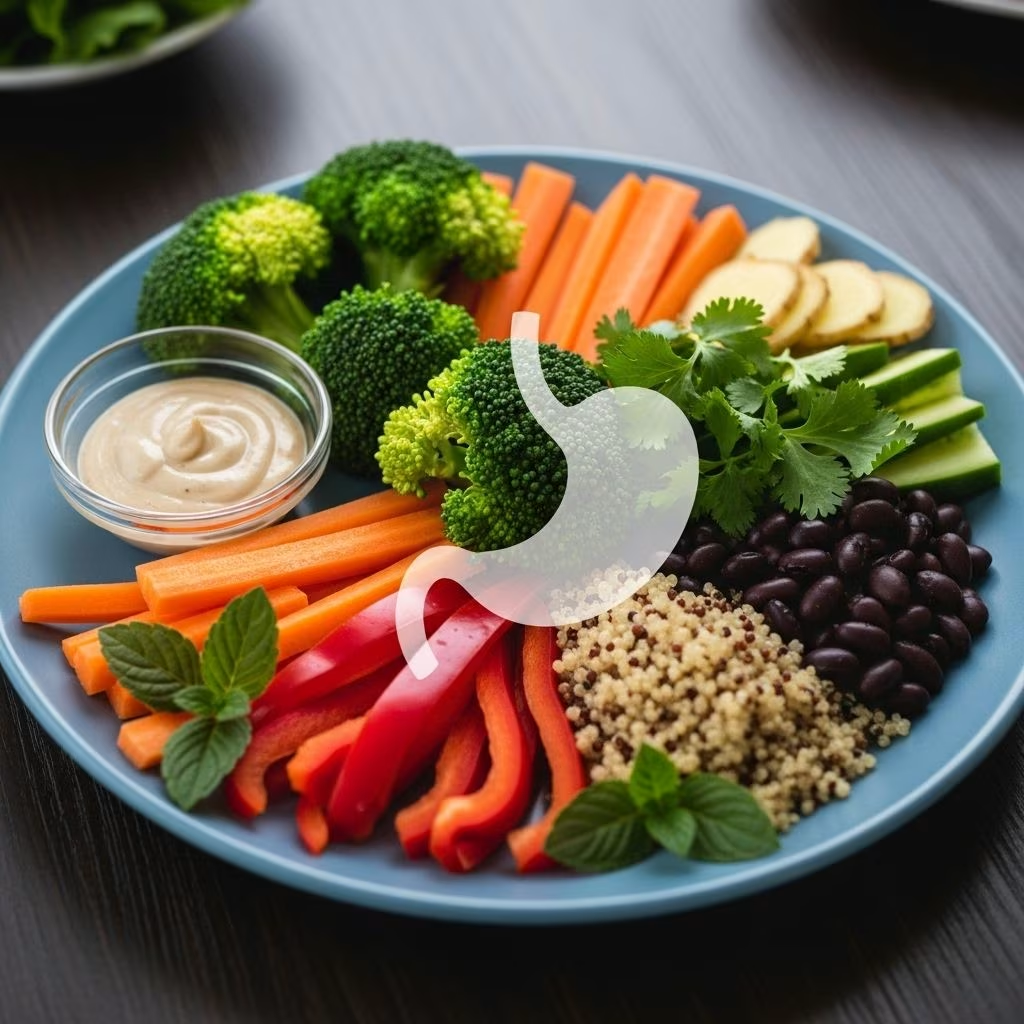
Transitioning to a vegan diet or maintaining a plant-based lifestyle can bring numerous health benefits, but many people experience unexpected digestive challenges along the way. Stomach problems are among the most frequently reported issues by both new and experienced vegans. Understanding why these problems occur and how to address them effectively can make your plant-based journey much more comfortable and sustainable.
Digestive discomfort doesn’t mean you’re doing something wrong or that a vegan diet isn’t suitable for you. Most stomach issues related to plant-based eating are temporary and manageable with the right knowledge and adjustments. This comprehensive guide explores the various stomach problems vegans may encounter, their underlying causes, and evidence-based solutions to help you thrive on a plant-based diet.
Understanding Common Vegan Digestive Issues
When adopting a vegan diet, your digestive system undergoes significant changes as it adapts to processing different types and volumes of food. The most common complaints include bloating, gas, stomach pain, cramping, and changes in bowel movements. These symptoms can range from mild inconvenience to significant discomfort that affects daily life.
Bloating can best be described as an uncomfortable feeling or increased pressure in your abdomen, which may or may not be accompanied by visible distension. It’s important to distinguish between bloating (the sensation of fullness and pressure) and distension (the actual physical swelling of the abdomen). While these often occur together, they can also happen independently and may have different underlying causes.
Gas production is another frequent concern. While everyone produces intestinal gas as a normal part of digestion, vegans often notice increased flatulence due to the higher fiber content and specific types of carbohydrates present in plant foods. This gas is typically a byproduct of bacterial fermentation in the large intestine, which actually indicates that your gut microbiome is actively working to break down beneficial plant fibers.
The Fiber Factor: Primary Cause of Digestive Changes
The most significant dietary shift when transitioning to veganism is the dramatic increase in fiber intake. Plant-based diets are inherently high in fiber because staple foods like fruits, vegetables, whole grains, legumes, nuts, and seeds are all rich sources of this indigestible carbohydrate. When you replace low-fiber animal products such as meat, seafood, eggs, and dairy with fiber-rich plant alternatives, your digestive system must adapt to processing substantially more fiber than before.
Fiber is unique because unlike other carbohydrates, proteins, and fats, our digestive enzymes cannot break it down. Instead, fiber passes through the stomach and small intestine relatively intact until it reaches the large intestine. Here, trillions of gut bacteria ferment the fiber, producing beneficial short-chain fatty acids along with gases like hydrogen, methane, and carbon dioxide. This fermentation process is actually beneficial for gut health, promoting a diverse and thriving microbiome, but the gas production can cause uncomfortable bloating and pressure.
Evidence suggests that the high fiber intake associated with plant-based diets appears to be beneficial for overall gut health by promoting a more rich and diverse gut microbiome. However, if your body isn’t accustomed to processing large amounts of fiber, the sudden increase can overwhelm your digestive system, leading to excessive gas, bloating, cramping, and changes in bowel habits including constipation or diarrhea.
FODMAPs and Their Impact on Digestion
Beyond general fiber content, certain types of carbohydrates found abundantly in plant foods can be particularly problematic for sensitive digestive systems. FODMAPs (Fermentable Oligosaccharides, Disaccharides, Monosaccharides, and Polyols) are specific types of sugars and sugar alcohols that are poorly absorbed in the small intestine.
When FODMAPs reach the large intestine undigested, gut bacteria rapidly ferment them, producing significant amounts of gas. Common high-FODMAP plant foods include:
Oligosaccharides: Found in wheat, rye, legumes (beans, lentils, chickpeas), onions, and garlic
Disaccharides: Lactose is the primary example, though vegans typically avoid this
Monosaccharides: Excess fructose in foods like apples, pears, mangoes, and honey
Polyols: Sugar alcohols in certain fruits (stone fruits, apples) and artificial sweeteners
Many plant-based staples are naturally high in FODMAPs, which means vegans often consume larger quantities of these fermentable carbohydrates compared to omnivores. For individuals with sensitive digestive systems or conditions like irritable bowel syndrome, this increased FODMAP load can trigger significant bloating, gas, abdominal pain, and altered bowel movements.
Volume and Caloric Density Considerations
An often-overlooked factor contributing to vegan stomach problems is the sheer volume of food required to meet energy needs on a plant-based diet. Plant foods generally have lower caloric density compared to animal products, meaning you need to eat larger quantities to consume the same number of calories.
For example, 100 grams of chicken breast contains approximately 165 calories, while 100 grams of cooked lentils provides only about 116 calories. To match the protein and caloric content of animal products, vegans often need to consume significantly larger portions. This increased food volume physically stretches the stomach and fills the digestive tract, which can manifest as bloating and fullness even when you haven’t technically overeaten in terms of calories.
The combination of high fiber content, increased food volume, and the time required for proper digestion means that plant-based meals typically take longer to move through the digestive system. This prolonged transit time can contribute to feelings of persistent fullness and bloating, particularly if you’re eating multiple substantial meals throughout the day without allowing adequate time for digestion between meals.
Specific Foods That Commonly Cause Problems
Certain plant foods are more notorious than others for causing digestive distress. Cruciferous vegetables like broccoli, cauliflower, cabbage, Brussels sprouts, and kale contain raffinose, a complex sugar that humans cannot digest. When gut bacteria break down raffinose, they produce substantial amounts of gas. Additionally, these vegetables contain sulfur compounds that can make the resulting gas particularly odorous.
Legumes and beans are protein-rich vegan staples, but they’re also prime culprits for causing gas and bloating. They contain oligosaccharides that our bodies lack the enzymes to break down properly. Different varieties affect people differently—some find chickpeas more tolerable than black beans, while others have the opposite experience.
Allium vegetables such as onions and garlic are used extensively in plant-based cooking for flavor, but they’re high in fructans (a type of oligosaccharide) and can cause significant digestive upset in sensitive individuals. Raw onions and garlic tend to be more problematic than cooked versions.
Certain whole grains, particularly wheat-based products, contain high amounts of fructans and can contribute to bloating. Even gluten-free whole grains eaten in large quantities can cause issues simply due to their high fiber content.
Medical Conditions That May Worsen on Vegan Diets
While dietary factors explain most vegan stomach problems, underlying medical conditions can be exacerbated by the compositional changes of a plant-based diet. Irritable Bowel Syndrome (IBS) is a functional gastrointestinal disorder characterized by abdominal pain, bloating, and altered bowel habits. The high FODMAP and fiber content of vegan diets can trigger or worsen IBS symptoms in susceptible individuals.
Small Intestinal Bacterial Overgrowth (SIBO) occurs when excessive bacteria colonize the small intestine, where they ferment carbohydrates prematurely, causing severe bloating, gas, and discomfort. The increased fermentable carbohydrate load from plant foods can feed this bacterial overgrowth, worsening symptoms.
Inflammatory Bowel Diseases such as Crohn’s disease and ulcerative colitis involve chronic inflammation of the digestive tract. While some research suggests plant-based diets may be beneficial, the high fiber content can irritate inflamed intestinal tissue during flare-ups, causing pain and diarrhea.
Celiac disease is an autoimmune condition triggered by gluten consumption. Vegans who rely heavily on wheat-based meat substitutes, seitan, and conventional baked goods may unknowingly consume large amounts of gluten, which can damage the small intestine in those with celiac disease.
Food allergies and intolerances to specific plant proteins (soy, nuts, legumes) or components (lectins) can also manifest as stomach problems. If dietary modifications don’t improve symptoms, consulting with a healthcare provider is essential to rule out underlying conditions.
The Gut Microbiome Transition Period
Your gut microbiome—the trillions of bacteria, fungi, and other microorganisms living in your digestive tract—is remarkably adaptable but requires time to adjust to dietary changes. When you transition to a vegan diet, the types and proportions of gut bacteria begin to shift to favor species that specialize in breaking down plant fibers and carbohydrates.
This transition period typically lasts several weeks to a few months and can be accompanied by increased digestive symptoms as your microbiome rebalances. The bacteria that thrive on plant foods multiply, while those that prefer animal products diminish. During this adjustment phase, fermentation activity may be particularly vigorous, leading to more gas production and bloating than you’ll experience once your gut microbiome has fully adapted.
Recent research shows that antibiotics and colonoscopy preparations can significantly alter intestinal flora balance. If you’ve recently taken antibiotics or undergone a colonoscopy, your gut recovery can take anywhere from several weeks to a few months. During this recovery period, you may be more sensitive to dietary changes and experience amplified digestive symptoms when eating high-fiber vegan foods.
Practical Solutions for Managing Vegan Stomach Problems
Gradual dietary transitions are crucial for minimizing digestive distress. If you’re new to plant-based eating, slowly increase your fiber intake over several weeks rather than making an abrupt change. Start by adding one additional serving of beans, whole grains, or vegetables per day, allowing your digestive system to adapt before increasing further. This gradual approach gives your gut bacteria time to adjust and multiply the species needed to efficiently process plant foods.
Proper food preparation techniques can significantly reduce the gas-producing potential of problematic foods. Soaking dried beans and legumes for 8-12 hours before cooking, then discarding the soaking water, removes many of the oligosaccharides responsible for gas. Adding kombu (a type of seaweed) to the cooking water can further improve digestibility. Sprouting grains, seeds, and legumes breaks down some of the complex carbohydrates and can make these foods gentler on your digestive system.
Mindful and slow eating is essential for preventing digestive discomfort. Eating too quickly causes you to swallow air, which contributes to bloating and gas. Additionally, when you eat mindfully and chew thoroughly, you become more aware of your body’s fullness signals, helping you avoid overeating. Thorough chewing also begins the digestive process in your mouth, making it easier for your stomach and intestines to process food efficiently.
Strategic food choices can help you identify and manage problematic foods. Keep a food diary tracking what you eat and any digestive symptoms that follow. You may notice patterns indicating specific foods that trigger problems. Common strategies include temporarily eliminating then gradually reintroducing specific foods to identify culprits, cooking vegetables rather than eating them raw to break down some of the harder-to-digest fibers, and choosing lower-FODMAP alternatives when possible.
Digestive enzyme supplements can provide temporary relief while your body adapts. Alpha-galactosidase (found in products like Beano) helps break down the oligosaccharides in beans and cruciferous vegetables. However, these should be viewed as temporary aids rather than long-term solutions, as your body should naturally adapt over time.
Probiotic and prebiotic support can help optimize your gut microbiome. Fermented foods like sauerkraut, kimchi, kombucha, and plant-based yogurts introduce beneficial bacteria, while prebiotic foods (certain fruits, vegetables, and whole grains) feed your existing good bacteria. However, introduce these gradually, as they can initially increase fermentation and gas production.
When to Seek Professional Help
While most vegan stomach problems are manageable through dietary adjustments, certain symptoms warrant medical attention. Consult a healthcare provider if you experience persistent or severe abdominal pain that doesn’t improve with dietary changes, unexplained weight loss despite adequate food intake, blood in your stool or persistent diarrhea lasting more than a few days, or symptoms that significantly impact your quality of life and daily activities.
A registered dietitian specializing in plant-based nutrition can provide personalized guidance for managing digestive issues while ensuring you meet all your nutritional needs. They can help you implement a low-FODMAP vegan diet if necessary, identify potential nutrient deficiencies that might affect digestion, create meal plans that balance nutrition with digestive comfort, and monitor your progress to ensure your vegan diet remains nutritionally adequate.
If you’re diagnosed with a condition like IBS, SIBO, or inflammatory bowel disease, working with both a gastroenterologist and a dietitian familiar with both your condition and plant-based nutrition is essential for managing symptoms while maintaining a vegan lifestyle.
Nutritional Considerations and Gut Health
Certain nutrient deficiencies can affect digestive function and exacerbate stomach problems. Vitamin B12 deficiency is particularly relevant for vegans, as this nutrient is found primarily in animal products. B12 plays a role in maintaining healthy digestive tract lining, and deficiency can contribute to digestive symptoms. All vegans should supplement with B12 or consume fortified foods regularly.
Adequate hydration is crucial when consuming a high-fiber diet. Fiber absorbs water as it moves through your digestive tract, and insufficient fluid intake can lead to constipation and discomfort. Aim for at least 8-10 glasses of water daily, increasing this amount if you’re particularly active or live in a hot climate.
Balanced meal composition helps prevent the blood sugar spikes and crashes that can affect digestion. Include sources of plant protein, healthy fats, and complex carbohydrates at each meal to promote steady energy and optimal digestive function. Don’t rely too heavily on any single food group—variety is key to both nutritional adequacy and digestive health.
Long-Term Outlook and Adaptation
The encouraging news is that most people who experience stomach problems when starting a vegan diet find that their symptoms significantly improve or completely resolve within a few months as their body adapts. Your digestive system is remarkably resilient and capable of adjusting to dietary changes when given adequate time and support.
Research consistently shows that well-planned vegan diets can support excellent gut health and may even reduce the risk of certain digestive diseases. The key is patience during the transition period and willingness to make adjustments based on your body’s feedback. What works for one person may not work for another, so individualization is essential.
Remember that experiencing some digestive changes when transitioning to a vegan diet is normal and doesn’t indicate that plant-based eating is unhealthy or unsuitable for you. With proper management strategies, most people can enjoy the numerous benefits of a vegan diet without ongoing digestive discomfort.
Frequently Asked Questions
Q: How long does it take for your stomach to adjust to a vegan diet?
A: Most people experience significant improvement in digestive symptoms within 2-4 weeks, though complete adaptation can take 2-3 months. The timeline varies depending on your previous diet, how gradually you transition, and individual digestive sensitivity. Your gut microbiome needs time to shift toward bacteria that efficiently process plant fibers.
Q: Is it normal to be gassy on a vegan diet?
A: Yes, increased gas production is completely normal on a vegan diet due to higher fiber and fermentable carbohydrate intake. Gas is a natural byproduct of beneficial bacteria fermenting plant fibers in your colon. While the amount typically decreases as your body adapts, some level of gas is expected and indicates healthy digestive function.
Q: Why does my stomach hurt after eating vegan food?
A: Stomach pain can result from several factors including eating too much fiber too quickly, consuming high-FODMAP foods if you’re sensitive, not chewing food thoroughly, eating too large a volume of food, or having an underlying digestive condition. Identifying specific trigger foods through an elimination diet and eating more slowly can help reduce pain.
Q: Can a vegan diet cause IBS symptoms?
A: A vegan diet doesn’t cause IBS, but the high fiber and FODMAP content can trigger symptoms in people who already have IBS or sensitive digestive systems. However, many people with IBS successfully follow modified vegan diets by choosing low-FODMAP plant foods and working with a knowledgeable dietitian to ensure nutritional adequacy.
Q: Should I take probiotics when starting a vegan diet?
A: Probiotics may help some people during the transition, but they’re not necessary for everyone. Consuming fermented plant foods like sauerkraut, kimchi, and kombucha can naturally introduce beneficial bacteria. If you choose supplements, look for vegan probiotic formulations with multiple bacterial strains, and introduce them gradually.
Q: What are the best vegan foods for sensitive stomachs?
A: Well-cooked vegetables without skins, white rice, quinoa, smooth nut butters, bananas, oatmeal, tofu, and tempeh are generally easier to digest. These foods provide nutrition while being gentler on sensitive digestive systems. As your tolerance improves, you can gradually reintroduce more challenging foods like raw vegetables and beans.
Q: Do digestive enzymes help with vegan bloating?
A: Digestive enzyme supplements containing alpha-galactosidase can help break down oligosaccharides in beans and cruciferous vegetables, reducing gas and bloating for some people. They’re useful as a temporary aid during the adaptation period but shouldn’t be relied upon long-term, as your body should naturally adjust to produce what’s needed.
Q: Can going vegan cause leaky gut?
A: There’s no evidence that properly planned vegan diets cause leaky gut syndrome. In fact, the high fiber content and diverse plant compounds in vegan diets generally support gut barrier integrity. However, if you have an existing condition or sensitivity to certain plant proteins (like gluten or soy), these may need to be managed individually.
References
- https://www.plantnutritionwellness.com/four-reasons-for-bloating-on-a-vegan-diet/
- https://plantbasedrds.com/blog/vegan-bloating-vegan-dietitian/
- https://www.uclahealth.org/news/article/vegan-diet-causes-increased-intestinal-gas
- https://pmc.ncbi.nlm.nih.gov/articles/PMC6172896/
- https://pmc.ncbi.nlm.nih.gov/articles/PMC6478664/
- https://www.veganfirst.com/article/gut-problems-on-a-vegan-diet-follow-these-tips
- https://www.youtube.com/watch?v=rCxCrFkgWw8
- https://timesofindia.indiatimes.com/life-style/food-news/7-dangerous-side-effects-of-vegan-diet/photostory/77717097.cms


