


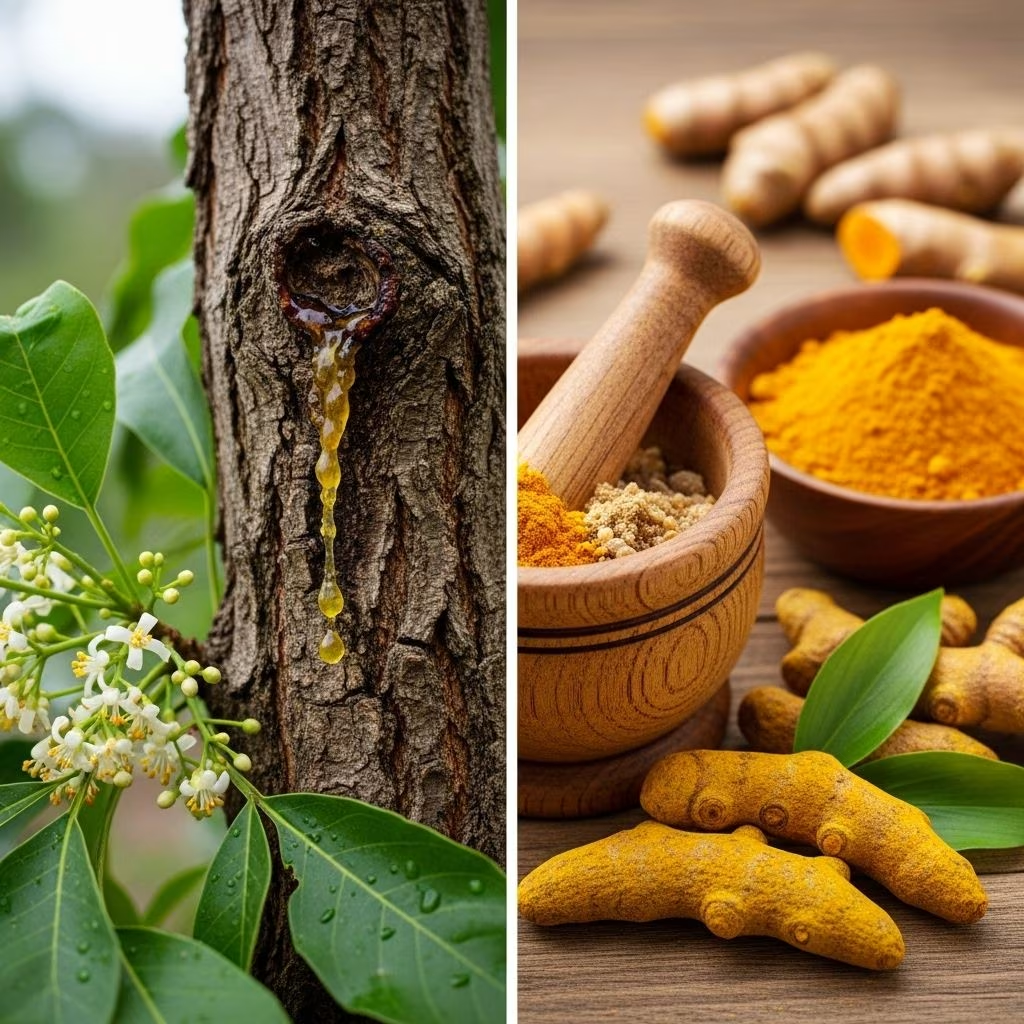
Boswellia vs. Turmeric: Best Natural Remedies for Arthritis
For those living with arthritis, finding effective natural remedies to manage joint pain and stiffness is essential. Two botanicals—Boswellia (Indian frankincense) and Turmeric (Curcuma longa)—stand out in both traditional and modern medicine for their anti-inflammatory effects, safety, and versatility. This article compares their efficacy, unique benefits, differences, recommended usage, and the latest research supporting their roles as supplements for arthritis relief.
Understanding Arthritis and Inflammation
Arthritis, marked by joint pain, swelling, and stiffness, includes osteoarthritis (OA), rheumatoid arthritis (RA), and other inflammatory conditions. Chronic inflammation damages cartilage and can severely affect mobility and quality of life. Natural anti-inflammatories like Boswellia and Turmeric are gaining attention for their potential to relieve symptoms without the long-term side effects associated with prescription medication.
Boswellia Serrata: Botanical Profile and Benefits
Boswellia derives from the resin of Boswellia serrata trees, commonly referred to as Indian frankincense. Its primary active compounds, boswellic acids (especially AKBA), possess potent anti-inflammatory properties.
- Mechanism: Blocks 5-lipoxygenase (5-LOX), halting production of inflammatory leukotrienes that attack joint tissue.
- Benefits:
- Reduces OA and RA joint pain and swelling
- May slow cartilage degradation and protect joint structure
- Supports flexibility and mobility
- Also studied for ulcerative colitis, Crohn’s, and some cancers
- Scientific Evidence: Clinical reviews confirm Boswellia reduces osteoarthritis pain and improves function scores substantially with minimal adverse effects.
- Dosage & Usage: Capsules/tablets, typically 100 mg daily for OA, 1200–3600 mg for RA. AKBA-enriched formulas offer enhanced efficacy. Piperine (from black pepper) can improve absorption.
Turmeric: Botanical Profile and Benefits
Turmeric is the golden-orange root of the Curcuma longa plant. Its chief active ingredient is curcumin, a compound known for broad-spectrum anti-inflammatory and antioxidant effects.
- Mechanism: Modulates NF-κB and COX-2 signaling to lower inflammatory mediators across the body.
- Benefits:
- Rapid pain relief in arthritis and multiple other inflammatory conditions
- Improves overall physical function
- Supports heart and metabolic health, brain function, and antioxidant defenses
- Safe when used as a supplement, with few reported side effects
- Scientific Evidence: Clinical trials show curcumin may rival the pain relief provided by NSAIDs, improving symptoms and daily mobility.
- Dosage & Usage: Typical doses range from 500–2000 mg of standardized extract daily. Bioavailability boosters like piperine (black pepper) are recommended.
Key Differences: Boswellia vs. Turmeric
| Aspect | Boswellia | Turmeric |
|---|---|---|
| Source | Tree resin (Boswellia serrata) | Root (Curcuma longa) |
| Main Active Compounds | Boswellic acids (esp. AKBA) | Curcumin, curcuminoids |
| Primary Mechanism | Inhibits 5-LOX → reduces leukotriene-mediated inflammation | Blocks NF-κB, COX-2 → multi-pathway inflammation reduction |
| Main Benefits | Joint structure, cartilage protection, OA & RA symptom relief | Fast pain reduction, broad anti-inflammatory, heart/metabolic support |
| Clinical Use | OA, RA, colitis, potential in cancer care | OA, RA, many systemic inflammatory disorders |
| Side Effects | Generally safe; rare digestive issues, possible drug interactions | Generally safe; minor GI discomfort possible |
Which Is Better for Joint Pain and Inflammation?
Both supplements have demonstrated benefits in clinical studies, but their strengths differ:
- Boswellia excels at supporting joint structure, cartilage volume, and slowing progression of osteoarthritis.
MRI and clinical data suggest long-term joint protection. - Turmeric acts faster against pain and is effective in acute inflammatory conditions. Improvements may be seen within days or weeks, supporting its use for flare-ups and chronic inflammation alike.
- Clinical Studies: Research comparing curcumin/turmeric and Boswellia shows both outperform placebo, with Boswellia potentially offering superior structural protection while turmeric provides rapid pain relief.
The Power of Combining Boswellia and Turmeric
Modern research makes it clear: using Boswellia and Turmeric together often yields superior results versus either supplement alone. Their distinct molecular targets create a synergistic anti-inflammatory effect.
- Boswellia protects joint structure and inhibits 5-LOX, a key pathway in cartilage damage.
- Turmeric controls NF-κB and COX-2 signaling, important for general inflammatory responses and pain.
- Clinical Trials:
- A randomized, double-blind placebo-controlled study found the combination improved joint pain, morning stiffness, and physical function better than either supplement alone.
- Participants saw up to 98% reduction in posture-related pain after 15 days of combined supplementation, compared to 56% relief at 7 days.
- Joint comfort and mobility improved significantly, with reductions in OA symptoms across multiple outcome measures.
- Safety: Both supplements are well-tolerated, with minimal side effects when taken in recommended doses.
Safety Profiles, Dosage, and Quality Considerations
- Boswellia Serrata: Typically 100–300 mg daily for OA; 1200–3600 mg for RA. AKBA-enriched formulas are proven effective—look for products using “5-Loxin” or “AKBA” as standardized extracts.
- Turmeric: Usual supplemental range is 500–2000 mg/day of standardized root extract, aiming for high curcumin content. Add piperine for enhanced absorption.
- Quality: Seek reputable brands with third-party testing; absorption boosters (black pepper, lecithin, or liposomal formulations) can make a significant difference.
- Possible Side Effects:
- Boswellia: Rare mild GI upset, headaches, skin rash. May impact other medications (antidepressants, NSAIDs, immunosuppressants). Use with caution if you have autoimmune disorders.
- Turmeric: Generally safe; large doses may cause nausea or diarrhea. Widely considered safe in food and supplement form.
- Consultation: Always discuss with your healthcare provider before starting new supplements, especially if you have other medical conditions or are on medication.
Additional Health Benefits Beyond Joint Pain
- Boswellia may support respiratory health, control ulcerative colitis and Crohn’s disease, and shows potential in some cancer therapies by modulating immune and inflammatory pathways.
- Turmeric provides antioxidant protection, may boost brain function, support heart health, and help manage blood sugar and cholesterol, making it a valuable supplement for overall wellness.
Frequently Asked Questions (FAQs)
Q: What are the main differences in how Boswellia and Turmeric work for arthritis?
Boswellia targets the 5-LOX pathway to directly reduce joint inflammation, whereas Turmeric works through NF-κB and COX-2 to provide pain relief across multiple inflammatory pathways.
Q: Can I take Boswellia and Turmeric together?
Yes. Studies show that combining both creates a synergistic effect, more effectively relieving symptoms, maintaining joint structure, and blocking diverse inflammatory pathways than using either alone.
Q: Are these supplements safe?
Both are generally well-tolerated at standard doses. Some people may experience mild digestive issues. Boswellia may interact with certain medications, so consult with your doctor if you are taking antidepressants, NSAIDs, immunosuppressants, or if you have autoimmune conditions.
Q: How soon can I expect results?
Turmeric can provide pain relief within days to one week. Boswellia may take longer but promotes underlying joint health and structural benefits over weeks or months.
Q: What are recommended dosages?
- Boswellia: 100–300 mg for osteoarthritis; 1200–3600 mg for rheumatoid arthritis.
- Turmeric: 500–2000 mg of extract per day; bioavailability with piperine recommended.
Q: Who should avoid these supplements?
Individuals with certain autoimmune conditions, those on specific medications (antidepressants, NSAIDs), or who may be pregnant or breastfeeding should consult a healthcare provider before supplementation.
Tips for Choosing the Best Supplements
- Choose products with standardized extracts (AKBA for Boswellia, high curcumin for Turmeric).
- Confirm third-party testing to ensure purity and potency.
- Look for formulations that improve absorption, such as pairing with black pepper or opting for liposomal delivery.
- Monitor for any side effects and report concerns to your healthcare provider.
Conclusion: Natural Allies for Healthier Joints
Boswellia and Turmeric offer well-researched, complementary approaches to managing arthritis symptoms. Their proven anti-inflammatory effects, relative safety, and potential for synergy make them ideal choices for those seeking plant-based alternatives to traditional medications for osteoarthritis, rheumatoid arthritis, and overall joint health. For optimal benefits, consider products that combine clinically effective doses of both, and always work with a medical professional to personalize your arthritis management plan.
References
- https://pmc.ncbi.nlm.nih.gov/articles/PMC6131088/
- https://www.jinfiniti.com/boswellia-vs-turmeric/
- https://pmc.ncbi.nlm.nih.gov/articles/PMC5761198/
- https://www.amandean.com/blogs/news/boswellia-vs-turmeric-which-is-better-for-managing-inflammation
- https://www.arthritis.org/health-wellness/treatment/complementary-therapies/supplements-and-vitamins/supplement-and-herb-guide-for-arthritis-symptoms
- https://www.arthritis.org/health-wellness/treatment/complementary-therapies/supplements-and-vitamins/supplements-for-arthritis
- https://www.frontiersin.org/journals/pharmacology/articles/10.3389/fphar.2025.1577429/full
- https://physioflexpro.com/blogs/joint-care/boswellia-vs-turmeric-comparison
- https://www.youtube.com/watch?v=7SuvKNiUW4E


