


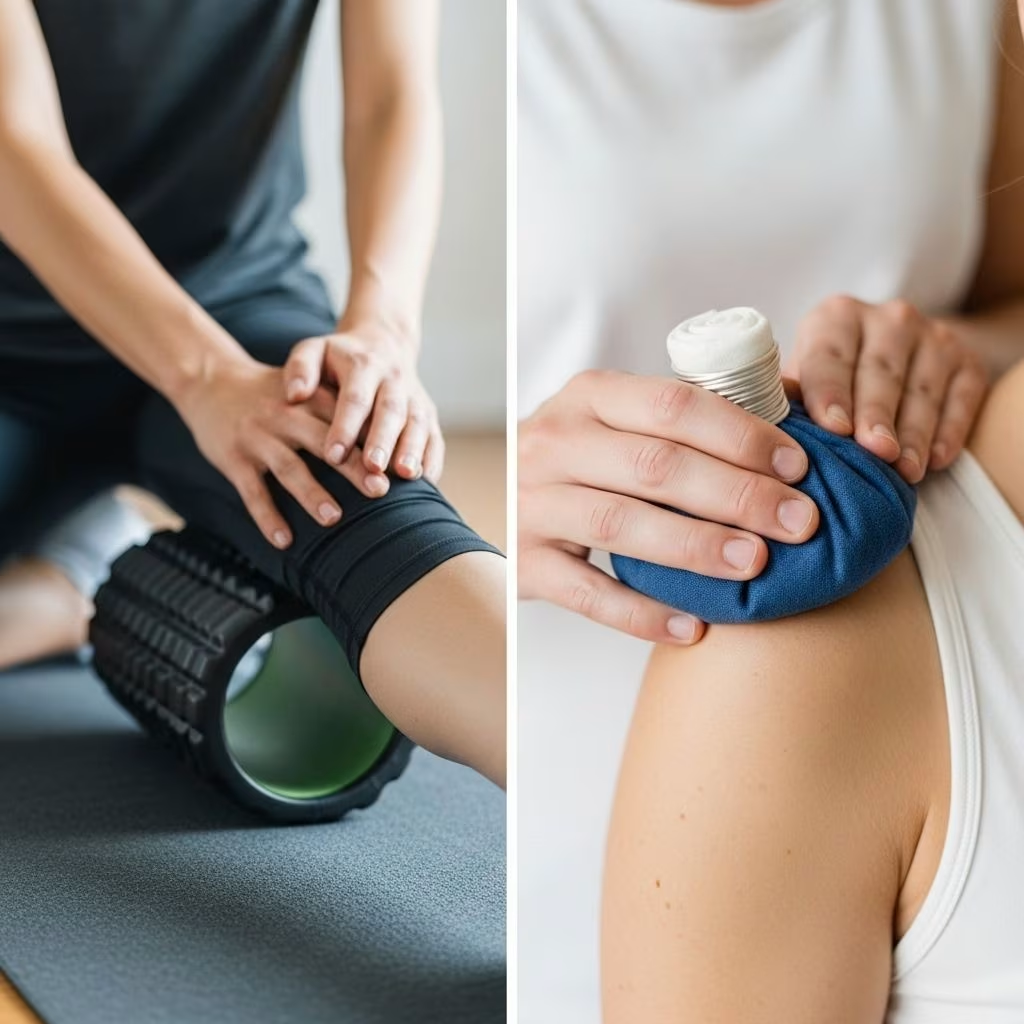
Introduction
If you exercise regularly, muscle pain—whether from soreness, knots, or fatigue—is almost inevitable. While some discomfort is a natural part of progress, persistent pain can hinder performance and discourage consistency. The good news? You don’t always need to seek professional help for relief. Two accessible, effective, and scientifically supported self-care remedies—self-massage (including foam rolling) and hydrotherapy (especially contrast baths)—can make a significant difference in your recovery process. This article guides you through these methods, offering step-by-step instructions, benefits, and practical tips so you can keep moving toward your fitness goals with less pain and more confidence.
Understanding Muscle Pain After Exercise
Muscle pain following exercise—also known as delayed onset muscle soreness (DOMS)—typically peaks 24 to 48 hours after exertion, especially when trying new activities, increasing intensity, or working out after a break. While this soreness is a sign of muscle adaptation, excessive or lingering pain can slow progress and increase injury risk. Fortunately, proactive self-care can ease discomfort and support faster recovery.
Remedy #1: Self-Massage for Muscle Pain
What Is Self-Massage?
Self-massage involves using your hands, fingers, or tools like foam rollers to apply pressure to sore muscles, helping to release tension, improve blood flow, and break up knots or adhesions. This technique is a practical, low-cost way to mimic the benefits of professional massage therapy at home.
Benefits of Self-Massage
- Reduces muscle soreness: Regular self-massage can help alleviate the tightness and discomfort associated with DOMS, allowing you to return to exercise more quickly.
- Improves flexibility and mobility: By releasing tight spots, self-massage can increase your range of motion and help you move more freely.
- Enhances overall recovery: Massage stimulates circulation, bringing oxygen and nutrients to tired muscles and flushing out waste products that contribute to soreness.
How to Perform Self-Massage
Foam Rolling
Foam rolling is a popular form of self-massage that uses a cylindrical foam roller and your body weight to target large muscle groups like the quadriceps, hamstrings, calves, glutes, and back. Here’s how to do it:
- Choose a foam roller: Select a roller with a firmness that matches your comfort level—firmer rollers provide deeper pressure.
- Position yourself: Place the roller under the muscle group you want to target (e.g., lie on your stomach with the roller under your thighs for quads).
- Roll slowly: Use your arms and legs to roll your body over the foam roller, pausing on particularly tender spots for several seconds.
- Breathe deeply: Relax and breathe as you roll; avoid holding your breath, as this can increase tension.
- Repeat: Spend about 1–2 minutes on each muscle group, and repeat daily as needed for soreness.
Hands-On Self-Massage
For smaller muscles or hard-to-reach areas, use your hands and fingers:
- Apply gentle pressure: Use your fingers, thumbs, or palm to press into sore spots, moving in circular or back-and-forth motions.
- Focus on trigger points: Spend extra time on knots or tight spots, gradually increasing pressure as tolerated.
- Combine with movement: For example, massage your bicep while flexing and extending your elbow to maximize the effect.
Tips for Effective Self-Massage
- Be consistent: Incorporate self-massage into your post-workout routine for best results.
- Listen to your body: Adjust pressure to avoid excessive discomfort—self-massage should feel good, not painful.
- Combine with stretching: Massage before stretching can help you achieve a deeper, more effective stretch.
Remedy #2: Hydrotherapy for Muscle Pain
What Is Hydrotherapy?
Hydrotherapy refers to the use of water—hot, cold, or alternating between the two—to relieve pain and promote healing. For exercisers, contrast baths (alternating hot and cold water immersion) are particularly effective for reducing muscle soreness and speeding recovery.
Benefits of Contrast Hydrotherapy
- Reduces inflammation: Cold water constricts blood vessels, reducing swelling and inflammation.
- Promotes circulation: Hot water dilates blood vessels, increasing blood flow to deliver nutrients and remove waste products.
- Relieves muscle stiffness: Alternating between hot and cold can help relax muscles, ease stiffness, and enhance overall recovery.
How to Perform Contrast Hydrotherapy
Contrast hydrotherapy can be performed on specific limbs or, if possible, the whole body. Here’s a simple method for using contrast therapy at home:
- Prepare two containers: Fill one with cold water (10–15°C/50–59°F) and ice, and the other with warm water (38–40°C/100–104°F).
- Immerse the affected area: Place your sore limb (e.g., leg, arm) in the warm water for 3–4 minutes.
- Switch to cold water: Immediately move the limb to the cold water for 1 minute.
- Repeat: Alternate between hot and cold for 2–3 cycles, ending with cold water.
- Dry and rest: Pat the area dry and rest for a few minutes.
Tips for Safe and Effective Hydrotherapy
- Monitor temperature: Avoid water that is too hot or too cold to prevent burns or frostbite.
- Check circulation: If you have circulatory issues, consult your doctor before trying contrast hydrotherapy.
- Start gradually: If you’re new to contrast baths, begin with shorter immersions and fewer cycles.
Complementary Strategies for Muscle Pain Relief
While self-massage and hydrotherapy are powerful tools, consider these additional strategies to further ease muscle pain and support recovery:
Active Recovery and Light Movement
Engaging in light exercise—such as walking, cycling, or gentle stretching—on rest days can improve circulation, reduce stiffness, and help flush out metabolic waste.
Nutrition for Muscle Recovery
Eating a diet rich in anti-inflammatory foods—such as fatty fish, berries, leafy greens, nuts, and olive oil—can help reduce muscle soreness and support healing. Stay hydrated, and consider adding protein to aid muscle repair.
Stretching and Flexibility Exercises
Incorporating regular stretching—both static (holding a stretch) and dynamic (movement-based)—can improve flexibility, prevent injuries, and relieve muscle tightness.
Rest and Sleep
Giving your muscles adequate time to rest and recover is essential. Aim for 7–9 hours of quality sleep each night, as this is when most muscle repair occurs.
When to Seek Professional Help
While self-care remedies are effective for most exercise-related muscle pain, consult a healthcare provider if you experience:
- Severe pain that doesn’t improve with self-care
- Swelling, redness, or warmth in the affected area
- Pain accompanied by numbness, tingling, or weakness
- Muscle pain that persists for more than a week
Frequently Asked Questions (FAQs)
How often should I use self-massage for muscle pain?
Daily self-massage, especially after workouts, can help prevent and relieve muscle soreness. For acute pain, use as needed until discomfort subsides.
Can I use a foam roller on any muscle?
Foam rollers are best for large muscle groups like the legs, back, and glutes. For smaller muscles, use your hands or a massage ball.
How long should I spend on contrast hydrotherapy?
Start with 2–3 cycles of hot and cold immersion, each lasting a few minutes, and adjust based on comfort and response.
Are there risks to self-massage or hydrotherapy?
When done correctly, both are safe for most people. Avoid excessive pressure or extreme temperatures, and consult a healthcare provider if you have underlying health conditions.
Can self-care remedies replace professional physical therapy?
While self-care is effective for mild to moderate pain, persistent or severe issues should be evaluated by a healthcare professional.
Conclusion
Muscle pain doesn’t have to derail your fitness journey. By incorporating self-massage (including foam rolling) and contrast hydrotherapy into your routine, you can accelerate recovery, reduce discomfort, and stay active. Remember, consistency and listening to your body are key. Combine these remedies with proper nutrition, stretching, and rest for optimal results. If pain persists or worsens, seek professional advice to ensure safe and effective recovery.
References
- https://uthealthaustin.org/blog/combat-aches-and-pains-physical-therapy-exercises
- https://ukhealthcare.uky.edu/wellness-community/blog-health-information/how-reduce-muscle-soreness-after-exercise
- https://www.henryford.com/Blog/2025/02/8-Ways-To-Ease-Post-Workout-Muscle-Pain
- https://www.youtube.com/watch?v=Jx-Bw97XHoA
- https://www.mayoclinic.org/healthy-lifestyle/adult-health/in-depth/back-pain/art-20546859
- https://my.clevelandclinic.org/health/symptoms/myalgia-muscle-pain
- https://www.aarp.org/health/conditions-treatments/best-exercises-for-pain/


