


Natural Remedies for Managing Lower Back Pain
\n\n
Lower back pain is one of the most widespread health issues, impacting millions of adults worldwide and leading to significant discomfort, reduced mobility, and diminished quality of life. While traditional medications and interventions can offer relief, many people turn to natural remedies and holistic therapies to manage symptoms and restore function. This comprehensive guide explores evidence-based natural solutions for lower back pain, including lifestyle adjustments, herbal medicine, exercise, and alternative treatments.
\n\n
Understanding Lower Back Pain
\n
Lower back pain, clinically known as lumbago, refers to discomfort in the region between the lowest rib and the buttocks. Causes can range from acute injuries to chronic degenerative conditions, and pain may stem from muscles, ligaments, discs, or vertebral joints. Most cases (up to 85%) are non-specific—meaning no serious underlying disease is present—making natural and self-management strategies especially valuable for most individuals.
\n\n
Herbal and Dietary Solutions
\n\n
- \n
- Anti-Inflammatory Drinks\n
- \n
- Turmeric Milk: Turmeric contains curcumin, a substance with potent anti-inflammatory and antioxidant effects. Mixing half a teaspoon of turmeric powder in warm milk (dairy or plant-based alternatives) and consuming it before bedtime can help reduce inflammation and possibly ease back pain.
- Tart Cherry Juice: Tart cherries are rich in antioxidants and have been shown to help relieve muscle pain. Drinking a glass of tart cherry juice daily may aid in chronic or exercise-induced lower back discomfort.
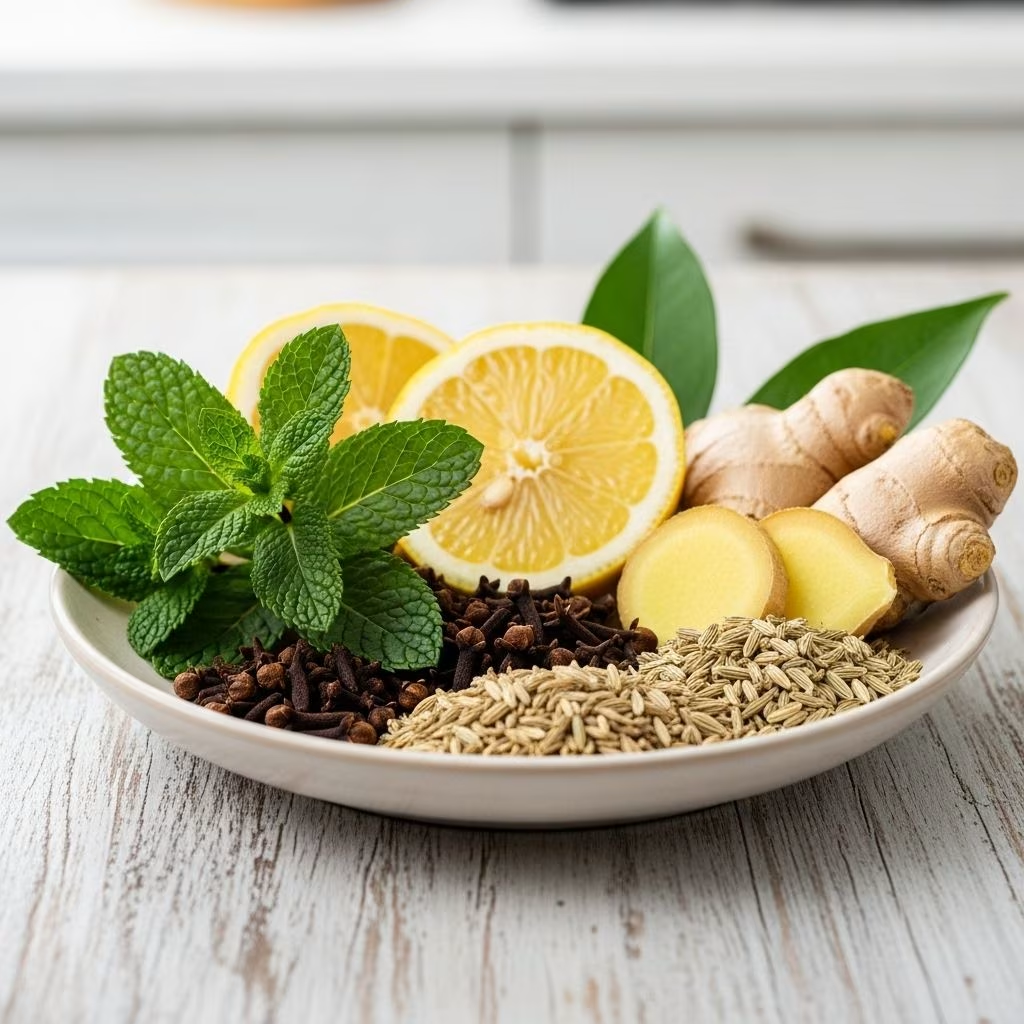
- Ginger-Green Tea: Combining ginger and green tea provides a source of both anti-inflammatory and pain-relief properties. Enjoying a cup regularly may gradually build up inflammation-fighting agents in your bloodstream, supporting overall back health.
\n
\n
\n
\n
- Herbal Medicines\n
- \n
- Devil’s Claw (Harpagophytum procumbens): Clinical studies show that oral intake can reduce pain comparable to some over-the-counter medications.
- White Willow Bark (Salix alba): Functions as a natural analgesic and platelet inhibitor, often recommended as a gentle alternative to conventional painkillers.
- Capsaicin (from chili peppers): Topical creams deplete substance P, a neurotransmitter involved in pain perception, helping reduce localized pain.
- Lavender Essential Oil: Applied through acupressure or massage, it has demonstrated effectiveness for pain reduction and improved flexibility.
- Arnica: Topical applications—gels, creams, or plasters—can decrease inflammation and ease pain.
- Comfrey Root (Symphytum officinale): Used in topical creams for easing muscle and joint discomfort.
- Ginger: Both oral and topical applications can improve pain and inflammation.
\n
\n
\n
\n
\n
\n
\n
\n
\n
\n
\n\n
Heat and Cold Therapy
\n
Alternating hot and cold treatments is a foundational self-care strategy for lower back pain:
\n
- \n
- Cold Compress: Effective soon after injury, as it numbs the area and prevents swelling.
- Heat Pads: Applied to chronic or stiff regions, heat relaxes muscles, improves blood flow, and reduces spasms.
\n
\n
\n
For best results, switch between cold and hot packs based on pain type, duration, and personal preference. Be mindful to protect skin from burns or frostbite.
\n\n
Exercise and Movement
\n
Regular, low-impact exercise is among the most reliable natural remedies for lower back pain. Physical activity strengthens supporting muscles, increases flexibility, and enhances spinal stability.
\n
- \n
- Stretching: Gentle stretching of the back, hips, and legs helps relieve tightness and promotes flexibility.
- Aerobic Exercise: Activities such as walking, swimming, or biking improve circulation, endurance, and muscle health.
- Yoga: Balances flexibility, strength, mental focus, and relaxation. Scientific studies show yoga can decrease pain and improve function.
- Pilates: Emphasizes core muscle engagement, posture control, and precision, which can improve torso stability and support the spine.
- Tai Chi: Gentle, flowing exercises cultivate bodily awareness, and research supports its role in reducing pain and improving utility for chronic back issues.
- Core Stabilization: Exercises targeting the abs and lower back can decrease pain and prevent future episodes.
\n
\n
\n
\n
\n
\n
\n\n
| Exercise Type | Key Benefits | Recommended For |
|---|---|---|
| Stretching | Increases flexibility, relieves tightness | Most back pain sufferers |
| Yoga | Improves mobility, relaxes muscles, reduces stress | Chronic, non-specific pain |
| Pilates | Strengthens core, enhances posture | Preventing recurrences |
| Tai Chi | Improves coordination, mental wellness | Mild to moderate chronic pain |
| Aerobic exercise | Boosts endurance and heart health | General health, prevention |
\n\n
Alternative and Holistic Therapies
\n
- \n
- Acupuncture: By stimulating specific points on the body, acupuncture promotes neurotransmitter release and alters pain perception. Many individuals report significant relief from muscle tightness and chronic lower back pain.
- Massage Therapy: Professional massage promotes blood flow, relaxes muscles, and often provides immediate symptom relief.
- Chiropractic Adjustment: Spinal manipulation can help restore alignment, reduce muscle tension, and improve overall spinal health.
- Biofeedback: This technique uses sensors to track muscle tension and teaches you how to consciously relax the affected muscles, easing spasms and pain.
- Electrical Nerve Stimulation: Devices like TENS (transcutaneous electrical nerve stimulation) deliver safe, low-level electrical impulses that disrupt pain signals and provide short-term relief.
\n
\n
\n
\n
\n
\n\n
Lifestyle and Ergonomic Adjustments
\n
Many cases of lower back problems start or worsen due to cumulative lifestyle choices. Making simple adjustments can support long-term spinal health:
\n
- \n
- Improve Posture: Slouching and poor alignment contribute to muscle strain. Practice mindful upright sitting and standing; consider ergonomic chairs or lumbar cushions.
- Footwear: Supportive shoes are crucial for spinal alignment during walking and standing. Avoid high heels or poorly cushioned footwear.
- Activity Modification: Avoid sudden lifting, twisting, or high-impact activities that can trigger pain.
- Weight Management: Maintaining a healthy weight reduces pressure on the back, lowering risk of injury and chronic pain.
\n
\n
\n
\n
\n\n
Natural Supplements for Back Pain
\n
Certain nutritional supplements have shown promise for musculoskeletal pain management. Always consult your healthcare provider before starting new supplements.
\n
- \n
- Omega-3 Fatty Acids: Anti-inflammatory benefits, may help reduce chronic pain.
- Vitamin D: Supports bone health and nervous system function.
- Glucosamine & Chondroitin: Maintain joint integrity and flexibility.
- Turmeric/Curcumin: Direct anti-inflammatory effects.
- Magnesium: Relieves muscle spasms and supports nerve signaling.
\n
\n
\n
\n
\n
\n\n
Safety and When to Seek Medical Advice
\n
Most cases of lower back pain improve with consistent, non-invasive approaches. However, certain signs mean you should contact a healthcare professional:
\n
- \n
- Pain accompanied by fever, unexplained weight loss, or history of cancer.
- Loss of bowel or bladder control, numbness in the groin, or leg weakness (could signal nerve compression).
- Pain persisting beyond a few weeks despite self-care.
\n
\n
\n
\n\n
Frequently Asked Questions (FAQs)
\n
Q: Are herbal medicines safe for back pain?
\n
A: Most herbal remedies, including turmeric, ginger, and devil’s claw, are well-tolerated for short-term use. However, interactions with other medications or health conditions are possible; always consult your physician first.
\n\n
Q: How long does it take for natural remedies to alleviate lower back pain?
\n
A: Results vary by individual and cause of pain. Some report relief within days of starting anti-inflammatory foods or herbal applications, while chronic conditions may require several weeks of consistent effort.
\n\n
Q: Which exercises are safest for beginners with lower back pain?
\n
A: Gentle stretching, walking, yoga, and swimming are generally safe starting points. Avoid high-impact or twisting motions that can worsen symptoms.
\n\n
Q: Can massage therapy cure chronic back pain?
\n
A: While massage often provides rapid relief and improves function, it does not cure structural or degenerative conditions. Regular massage can, however, support recovery and reduce recurrence when paired with other holistic therapies.
\n\n
Q: Is cold or heat better for my back pain?
\n
A: Immediate post-injury pain often responds best to cold. For persistent or chronic muscle stiffness, heat therapy is usually more effective in relaxing muscles and improving comfort.
\n\n
Q: Are there risks with relying solely on natural remedies?
\n
A: Natural remedies can be powerful, but are best used alongside proven medical advice. Avoiding professional intervention for serious symptoms can delay necessary treatment and worsen outcomes.
\n\n
Conclusion
\n
Lower back pain is a complex condition but can often be managed effectively with holistic, natural remedies. Combining anti-inflammatory foods, herbal treatments, targeted exercise, lifestyle modifications, and alternative therapies creates a comprehensive approach to pain management. Early intervention, informed choices, and a balanced lifestyle are critical for lasting comfort and spinal health.
\n
References
- https://www.spine-health.com/blog/7-ways-relieve-back-pain-naturally
- https://maximspine.com/holistic-solution-for-living-with-back-pain/
- https://www.medicalnewstoday.com/articles/322582
- https://pmc.ncbi.nlm.nih.gov/articles/PMC7197042/
- https://www.health.harvard.edu/pain/home-remedies-for-low-back-pain
- https://utswmed.org/medblog/supplements-for-back-joint-muscle-pain/
- https://www.mayoclinic.org/healthy-lifestyle/adult-health/in-depth/back-pain/art-20546859
- https://www.uclahealth.org/news/article/holistic-approach-helpful-lower-back-pain
- https://lcospc.com/12-back-pain-home-remedies-when-to-seek-help-from-a-back-doctor/


