


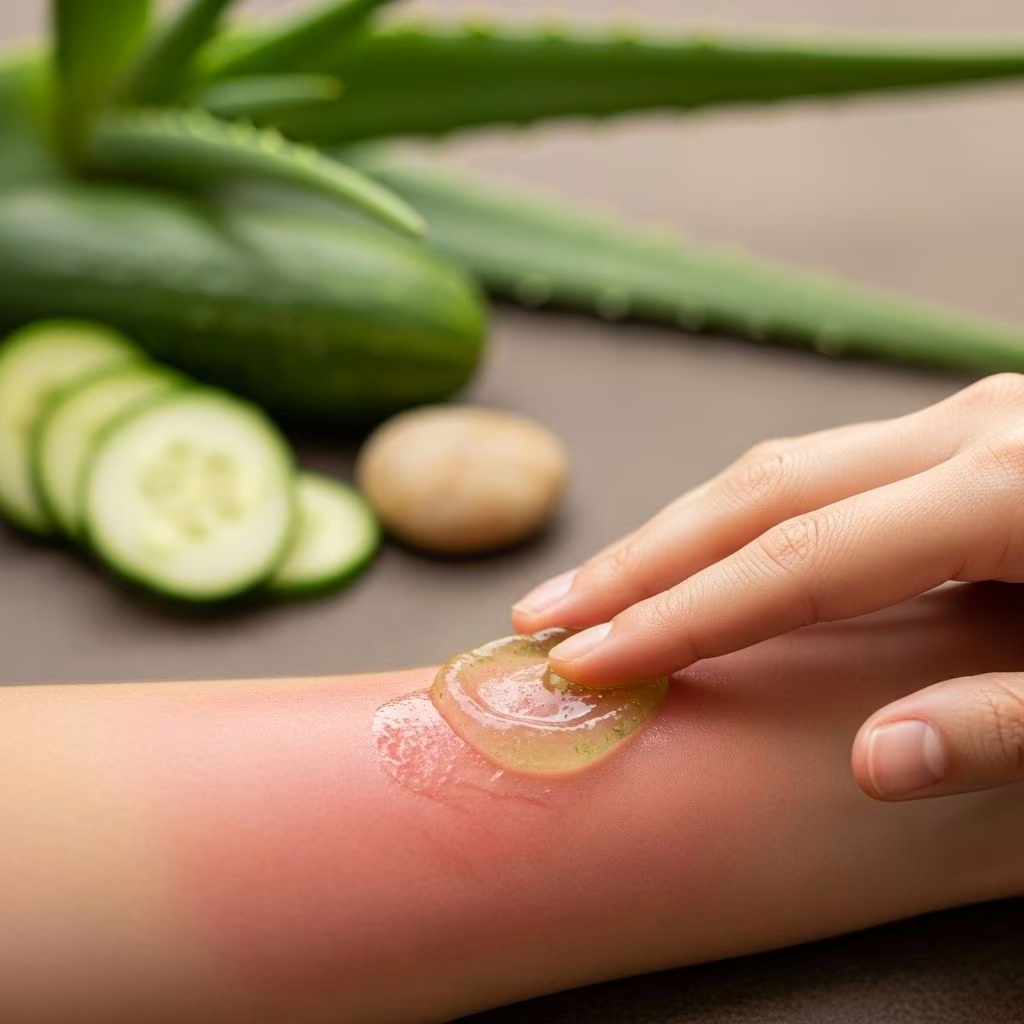
Natural Remedies for Sunburn Relief: Soothe, Heal, and Protect Your Skin
Enjoying time outdoors often comes with the risk of sunburn—a common, but preventable, skin injury that results from too much exposure to ultraviolet (UV) radiation. While the best solution is prevention, sometimes sunburn happens despite our best efforts. Understanding how to soothe the irritation, reduce inflammation, and help your skin heal quickly and safely is essential.
Below, explore top natural remedies and professional tips to ease sunburn pain, encourage skin recovery, and protect your skin going forward.
What is Sunburn?
Sunburn occurs when skin is exposed to UV rays for longer than it can safely tolerate. The result is redness, pain, swelling, tenderness, and sometimes blistering. In severe cases, sunburn can cause fever, chills, and dehydration. Using gentle, natural approaches can help alleviate discomfort and support your skin’s healing process.
Main Principles for Natural Sunburn Relief
- Cool the skin promptly to reduce inflammation and relieve pain.
- Keep the skin moisturized to support repair and prevent dryness.
- Use anti-inflammatory and soothing natural remedies for faster comfort.
- Stay hydrated to support skin healing from within.
- Avoid further sun exposure until the skin is healed.
Immediate Actions After Getting Sunburned
If you suspect you have sunburn, implement the following steps quickly for best results:
- Get out of the sun immediately to prevent further damage.
- Remove tight clothing and jewelry from the area to avoid irritation.
- Cool the skin with a brief, gentle cool water rinse, compress, or bath.
- Pat skin gently dry, avoid rubbing.
Top Natural Remedies for Sunburn Relief
1. Cool Compresses and Baths
Rapid cooling can help lower skin temperature, minimize inflammation, and provide immediate pain relief.
- Cool water: Lightly soak a clean cloth in cool (not cold) water and apply to the sunburned area for 10–15 minutes several times daily. If the burn covers a large area, soak in a cool (not icy) bath for up to 15 minutes.
- Avoid ice or ice packs directly on the skin as this may worsen damage to already irritated tissue.
- Oatmeal baths: Add a cup of colloidal oatmeal or finely ground oats to a cool bath to soothe itching and reduce inflammation.
- Baking soda baths: Dissolve 2 ounces (60 ml) baking soda in a cool bath, soak for 10 minutes, and air dry or pat gently with a towel.
- Vinegar soaks: Add one cup of white or apple cider vinegar to bath water to help restore pH balance and relieve discomfort.
2. Aloe Vera: The Skin Soother
Aloe vera is one of the most trusted natural remedies for burns and skin irritation.
- Why it helps: Aloe vera reduces inflammation, hydrates the skin, and stimulates healing.
- How to use: Apply pure aloe vera gel (from the plant or store-bought, fragrance-free) generously to the affected area. Repeat as needed throughout the day.
- Tip: For extra cooling, chill the aloe gel before application.
3. Herbal and Plant-Based Remedies
Certain herbs and plant extracts calm inflammation and promote skin recovery:
- Chamomile tea compresses: Brew a strong cup, let it cool, soak a clean cloth, and apply to sunburn. Chamomile soothes inflammation and provides relief.
- Cucumber: Cucumber’s high water content and antioxidants make it ideal for calming irritated skin. Chill cucumber slices or blend into a paste, then apply to affected areas for instant cooling.
- Calendula oil: Gently massage calendula oil onto sunburn for its anti-inflammatory benefits.
- Lavender essential oil (diluted only): Lavender is known for reducing inflammation and discomfort. Dilute with a carrier oil (like almond or coconut oil), then apply gently. Never apply essential oils undiluted.
- Tea tree oil (diluted): With antimicrobial properties, some people find relief by adding diluted tea tree oil to moisturizers or aloe vera gel.
4. Other Natural Topicals
- Honey: Raw honey has antibacterial and anti-inflammatory properties. Spread a thin layer over sunburn, leave for 15–20 minutes, then rinse gently with cool water. It helps reduce swelling and redness.
- Witch hazel: Dab onto the skin with a cotton pad to ease inflammation and cool hot skin.
- Cooled black tea compresses: The tannins in black tea can relieve swelling and soothe irritated skin. Use a cooled, brewed black tea bag as a compress.
- Coconut oil: Safe only after acute irritation subsides and the skin is no longer hot or blistered. Use as a moisturizer to prevent peeling (never apply oils to freshly burned skin).
5. Moisturizing Sunburned Skin
Sunburned skin loses moisture rapidly, so restoring hydration is crucial.
- Choose fragrance-free, gentle moisturizers that are free of harsh chemicals and alcohol.
- Aloe vera–based lotions are ideal.
- Apply generously after bathing and repeatedly throughout the day to minimize peeling and tightness.
- Avoid petroleum-based products or thick ointments initially, as they can trap heat in the skin.
- Do not apply moisturizer directly to open blisters or severely damaged skin. Consult a medical professional for such cases.
Holistic Support for Healing
Hydrate from the Inside Out
- Drink plenty of water to combat the dehydration that occurs as your body draws fluids to the skin’s surface to aid healing.
- Eat hydrating foods like watermelon, cucumber, and oranges.
- Sports drinks with electrolytes can help replace minerals lost through sweat if you have a more serious sunburn.
Additional Comfort Measures & Lifestyle Tips
- Wear loose, breathable clothing to avoid friction and additional irritation.
- Rest to allow the body’s natural healing processes to work effectively.
- Stay out of the sun until your skin is fully recovered. Future sun exposure can increase risk of skin cancer and worsen damage.
- Avoid scented products and harsh soaps that can irritate sunburned skin.
What NOT to Do After a Sunburn
- Do not apply ice directly to sunburned skin, as it may worsen tissue damage.
- Do not break any blisters. This increases infection risk and slows healing.
- Skip oil-based ointments during the acute phase—they can trap heat.
- Avoid tight clothing and any activity that causes rubbing.
Sunburn Prevention Strategies
While the remedies above are effective, the best treatment is prevention. Protect your skin and reduce the risk of sunburn and long-term UV damage with these strategies:
- Apply broad-spectrum sunscreen (SPF 30 or higher) at least 15 minutes before sun exposure. Reapply every 2 hours or after swimming/sweating.
- Wear protective clothing, including wide-brimmed hats and UV-rated sunglasses.
- Limit time outdoors during peak UV hours (usually from 10 a.m. to 4 p.m.).
- Seek shade whenever possible.
When to Seek Medical Advice
- Blistering over a large area or on the face, hands, feet, or genitals.
- Severe pain, swelling, fever, chills, nausea, or dehydration.
- Signs of infection (increased redness, pus, streaking).
- No improvement after several days using home remedies.
For severe burns or in children, the elderly, or those with chronic medical conditions, consult a healthcare provider immediately.
Frequently Asked Questions (FAQs)
Q: What is the fastest way to relieve sunburn pain?
A: Apply a cool compress or take a cool bath, then gently pat dry and apply aloe vera gel or a fragrance-free moisturizer. Avoid further sun exposure and rest.
Q: Can I put moisturizer on sunburned skin?
A: Yes—using a gentle, unscented moisturizer helps soothe dryness and supports healing, but avoid any products with alcohol, fragrance, or irritants, especially if blisters are present.
Q: How long does it take a sunburn to heal?
A: Mild sunburn typically heals in 3 to 7 days. More severe burns with blistering may take up to 2 weeks or more, depending on severity and aftercare.
Q: Can I use essential oils on sunburn?
A: Essential oils like lavender or tea tree should always be diluted with a carrier oil or added to aloe vera gel before applying to the skin. Never use them undiluted as they may cause further irritation.
Q: Does peeling skin mean the burn is healing?
A: Yes, peeling is a normal part of the healing process as new skin cells replace those damaged by the sun. Avoid pulling or picking at peeling skin to prevent infection and scarring.
Comparison Table: Popular Natural Sunburn Remedies
| Remedy | Primary Benefit | Application Method | Precaution |
|---|---|---|---|
| Aloe Vera Gel | Reduces inflammation, hydrates | Apply gel to affected area as needed | Use fragrance-free, 100% pure gel |
| Oatmeal Bath | Relieves itchiness, calms skin | Add to cool bath, soak 10–15 min | Do not scrub skin |
| Cucumber | Cools, reduces redness | Apply slices or paste to skin | Use only on intact skin |
| Chamomile Tea | Soothes, reduces inflammation | Apply as cool compress | Avoid if allergic (ragweed family) |
| Honey | Antibacterial, moisturizing | Spread thin layer, rinse after 20 min | Do not use on open blisters |
| Baking Soda | Relieves pain, balances pH | Add to bath or make paste | Rinse off thoroughly |
| Lavender Oil | Reduces discomfort | Dilute before use | Never use undiluted |
Conclusion: Natural Sunburn Care for Healthy Recovery
Sunburn can happen to anyone, but prompt, gentle care using proven natural remedies can significantly ease discomfort and speed recovery. By focusing on cooling the skin, keeping it well hydrated, and supporting healing with botanical ingredients, you can minimize pain and restore your skin’s health. Always ensure to protect yourself from future sunburns by using broad-spectrum sunscreen, wearing protective clothing, and seeking shade whenever possible.
References
- https://www.healthline.com/health/sunburn
- https://www.allinahealth.org/healthysetgo/heal/tips-for-healing-a-sunburn
- https://careteamplus.org/the-best-ways-to-treat-a-sunburn/
- https://www.mayoclinic.org/diseases-conditions/sunburn/diagnosis-treatment/drc-20355928
- https://health.clevelandclinic.org/sunburn-relief
- https://www.yalemedicine.org/news/how-to-treat-a-sunburn
- https://demainbeauty.com/en/blogs/blog/notre-guide-de-remedes-naturels-pour-les-coups-de-soleil
- https://www.aad.org/public/everyday-care/injured-skin/burns/treat-sunburn
- https://www.medanta.org/patient-education-blog/how-to-treat-sunburn-naturally


