


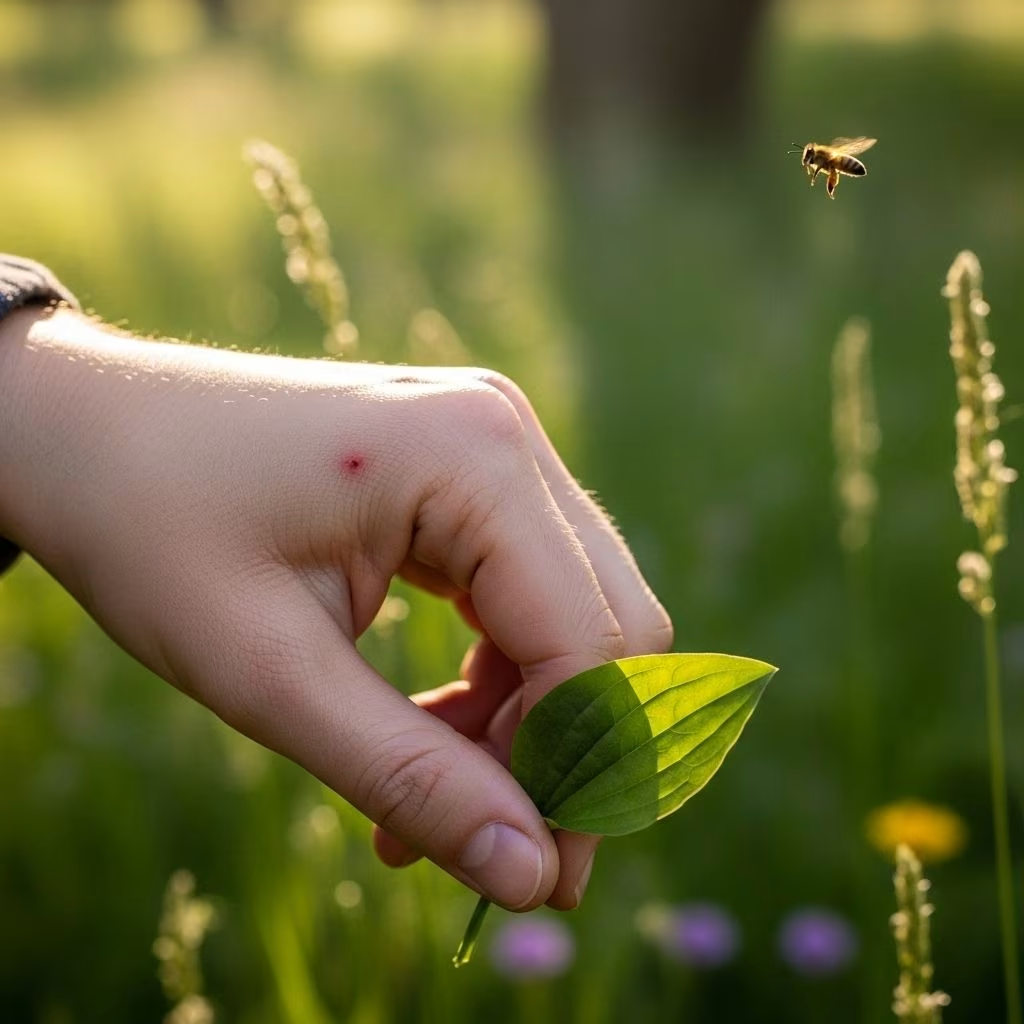
Bee stings are a common hazard in outdoor settings, and while most reactions are mild, some can be life-threatening. Understanding how to recognize symptoms, administer first aid, and use natural remedies is essential for anyone who spends time in nature. This guide covers everything from immediate treatment steps to prevention strategies, alternative remedies, and when to seek emergency care.
Understanding Bee Stings
Bees, wasps, and hornets—members of the Hymenoptera order—are responsible for most insect stings in North America. Honeybees leave behind a barbed stinger and venom sac, while other species can sting multiple times. Sting reactions can range from mild local irritation to severe systemic allergic responses.
Common Symptoms of Bee Stings
- Instant, sharp pain or burning at the sting site
- Redness, swelling, and warmth around the area
- Itching or hives near the sting
- Mild systemic reactions such as slight nausea or dizziness in sensitive individuals
Signs of a Severe Allergic Reaction (Anaphylaxis)
- Difficulty breathing or tightness in the chest
- Swelling of the face, lips, tongue, or throat
- Rapid or weak pulse
- Dizziness, fainting, or confusion
- Nausea, vomiting, or diarrhea
Anaphylaxis is a medical emergency and requires immediate treatment with epinephrine (e.g., EpiPen) and emergency medical care.
First Aid for Bee Stings
Proper first aid can reduce discomfort and prevent complications. Follow these steps if you or someone else is stung:
Immediate Actions
- Move to a safe area to avoid further stings, especially if bees are agitated.
- Remove the stinger quickly if present—scrape it out with a fingernail, credit card, or similar edge. Do not use tweezers, as squeezing the venom sac can release more venom.
- Wash the sting site with soap and water to reduce the risk of infection.
- Apply a cold compress or ice pack to reduce pain and swelling. Wrap ice in a cloth and apply for 10–20 minutes at a time.
- Elevate the affected limb if possible to minimize swelling.
- Take an over-the-counter pain reliever (e.g., ibuprofen or acetaminophen) for pain.
- Use an antihistamine (e.g., diphenhydramine) or topical hydrocortisone cream to help with itching and inflammation.
Natural and Home Remedies
For mild reactions or when conventional medicines are unavailable, several natural remedies may help alleviate symptoms. While scientific evidence for these remedies varies, many are supported by tradition and anecdotal experience.
Top Natural Remedies
| Remedy | How to Use | Possible Benefits |
|---|---|---|
| Baking soda paste | Mix with water and apply to sting | Neutralizes venom acidity, reduces pain and swelling |
| Honey | Apply a small amount to the sting | Anti-inflammatory, soothes skin |
| Apple cider vinegar | Soak a cotton ball and dab on area | May help neutralize venom and reduce swelling |
| Aloe vera gel | Apply directly to the affected area | Cools and soothes irritated skin |
| Lavender essential oil | Dilute and apply topically | Anti-inflammatory, may reduce pain |
Always perform a small patch test before applying any natural remedy to ensure no additional allergic reaction occurs.
Prevention Strategies
Preventing bee stings is the best approach for outdoor safety. Bees are generally non-aggressive unless threatened, so understanding their behavior and environment is key.
Tips to Avoid Bee Stings
- Avoid bright colors and floral prints, which can attract bees.
- Wear light-colored, smooth-finished clothing and cover as much skin as practical.
- Use unscented hygiene products; avoid perfumes, colognes, and scented lotions.
- Keep food and drinks covered when outdoors, and check containers for bees before drinking.
- Stay calm and move away slowly if bees are nearby—do not swat or panic.
- Inspect outdoor areas for nests before starting activities like mowing, trimming, or camping.
- Have professional pest control remove nests near your home or outdoor gathering areas.
Managing Allergic Reactions
For individuals with known bee sting allergies, preparation and prevention are crucial.
Carry an Epinephrine Auto-Injector
Those with a history of severe reactions should always carry an epinephrine auto-injector (e.g., EpiPen) and know how to use it. Prompt administration can be life-saving in the event of anaphylaxis.
Allergy Testing and Immunotherapy
If you have experienced a systemic reaction to a bee or wasp sting, consult an allergist for testing. Venom immunotherapy (allergy shots) can significantly reduce the risk of future severe reactions, protecting up to 95% of treated individuals from anaphylaxis.
When to Seek Medical Attention
- Immediate emergency care is needed for signs of anaphylaxis (difficulty breathing, swelling, dizziness, etc.).
- Monitor for infection if the sting area becomes increasingly red, swollen, or pus-filled.
- Consult a healthcare provider if you are unsure about your reaction, have multiple stings, or if symptoms worsen after 24 hours.
Children and Bee Stings
Children often experience mild reactions, but allergic reactions can occur. Teach children to stay calm, move away from bees, and tell an adult if stung. Most kids with only skin reactions (hives, swelling) do not require venom immunotherapy, but those with more severe reactions should see an allergist.
Frequently Asked Questions (FAQs)
Q: How do I know if I’m allergic to bee stings?
A: Most people experience local pain and swelling. Signs of allergy include hives, swelling away from the sting site, trouble breathing, or dizziness. If you suspect an allergy, consult an allergist for testing.
Q: Should I use tweezers to remove a bee stinger?
A: No. Scrape the stinger out with a fingernail, credit card, or similar edge. Using tweezers can squeeze more venom into the skin.
Q: Can I use vinegar for all bee stings?
A: Vinegar may help with wasp stings (which are alkaline), but baking soda paste is better for bee stings (acidic venom).
Q: How long do bee sting symptoms last?
A: Mild reactions usually resolve in a few hours to a couple of days. Severe reactions need immediate medical attention.
Q: Can I prevent future allergic reactions?
A: Venom immunotherapy, prescribed by an allergist, can greatly reduce the risk of future severe reactions in allergic individuals.
Final Thoughts
Bee stings are usually a minor nuisance, but they can escalate to serious health emergencies. By understanding the signs of allergic reactions, knowing first aid, and using prevention strategies, you can safely enjoy the outdoors. Natural remedies may help with mild symptoms, but always prioritize standard medical care when needed. If you have any doubt about your or someone else’s reaction, seek medical advice promptly.
References
- https://pmc.ncbi.nlm.nih.gov/articles/PMC3334720/
- https://www.robins.af.mil/News/Article-Display/Article/1199101/natures-hazards-bees-wasps-and-hornets/
- https://www.ama-assn.org/public-health/chronic-diseases/what-doctors-wish-patients-knew-about-treating-bee-sting
- https://wildernessawareness.org/articles/tag/remedies-for-stings/
- https://wildernessawareness.org/articles/
- https://health.mil/News/Articles/2022/08/15/Taking-the-Stings-Out-of-Summer-Fun-2022
- https://pmc.ncbi.nlm.nih.gov/articles/PMC7292703/
- https://www.redcross.org/take-a-class/resources/learn-first-aid/insect-bites-and-stings


