


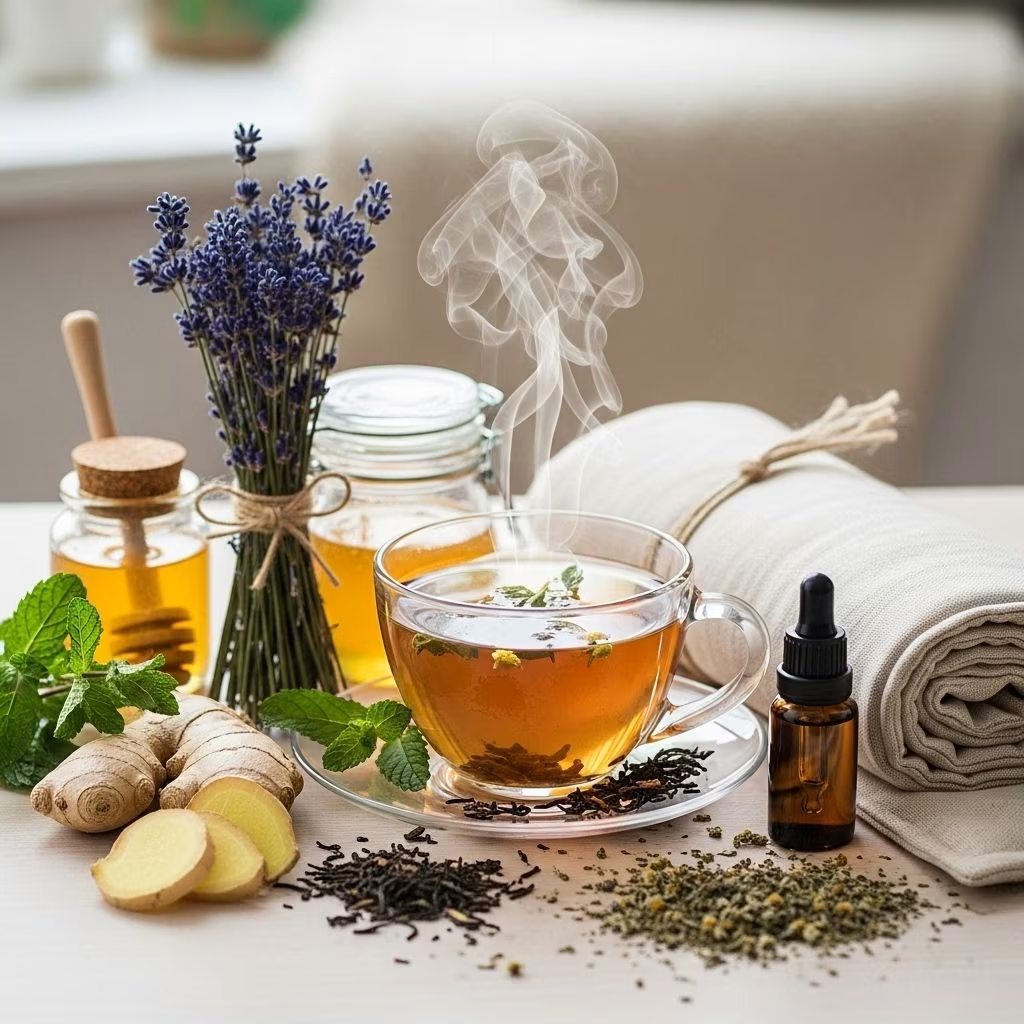
Natural Remedies for Menstrual Cramps
Many women experience menstrual cramps—discomfort or pain in the lower abdomen—just before or during their period. While over-the-counter medication is commonly used, a variety of natural remedies are available that may provide significant relief with fewer side effects. This comprehensive guide explores proven holistic, dietary, and lifestyle methods to ease period pain and support overall menstrual health.
Understanding Menstrual Cramps
Menstrual cramps, or dysmenorrhea, are caused primarily by contractions in the uterus, triggered by hormones called prostaglandins. Higher prostaglandin levels lead to more intense cramps. Although cramps are a normal part of the menstrual cycle, severe pain can significantly impact daily activities.
Effective Natural Approaches
1. Applying Heat
Heat therapy is a time-tested way to relieve menstrual cramps. Warmth improves blood flow, relaxes uterine muscles, and soothes painful contractions.
- Use a heating pad, hot water bottle, or microwaveable heat pack on the lower abdomen or back for 15–20 minutes at a time.
- Take a warm bath to ease muscle tension and promote relaxation.
- For a homemade option, fill a cloth bag with rice, heat it in the microwave, and apply (be sure it’s not too hot).
Studies have found heat therapy can be as effective as NSAID medication for relieving menstrual pain and may have fewer side effects.
2. Staying Hydrated
Drinking enough water helps reduce bloating and muscular discomfort often associated with menstruation. Dehydration can worsen cramps by affecting circulation and muscle function. Hot water or herbal teas can also provide relaxation and reduce inflammation.
- Aim for at least eight 8-ounce glasses of water daily.
- Drinking hot or warm water may enhance blood flow and further relax uterine muscles.
3. Dietary Changes and Nutrition
Anti-inflammatory and nutrient-rich foods can play a significant role in alleviating period pain:
- Incorporate berries, tomatoes, pineapple, greens, nuts, and fatty fish (like salmon) to promote blood flow and reduce inflammation.
- Prefer whole grains, legumes, and seeds, which supply fiber and beneficial nutrients.
- Magnesium-rich foods—such as pumpkin seeds, spinach, almonds, and black beans—may ease cramps due to magnesium’s muscle-relaxing effects.
- Include omega-3 fatty acids (from walnuts, chia seeds, and flaxseeds) for continued anti-inflammatory benefits.
- Avoid or limit red meat, processed foods, trans fats, and added sugar, as these can increase inflammation and worsen cramps.
Balanced nutrition supports stable hormone production and optimal body function throughout the menstrual cycle.
4. Herbal and Plant-Based Remedies
Certain herbal teas and supplements may offer supplementary pain relief due to their antispasmodic and anti-inflammatory properties. Here’s a quick table summarizing some researched herbal supports:
| Herb or Supplement | Suggested Use | Research-Backed Benefits |
|---|---|---|
| Chamomile Tea | Two cups daily, starting a week before your period | Relaxes muscles and acts as a mild nerve relaxant |
| Ginger | 250 mg powder 4x/day or grated into hot water | As effective as ibuprofen for pain relief in studies |
| Cinnamon | 840 mg capsules 3x/day during first 3 days | Reduces pain, nausea, and heavy bleeding |
| Fennel | 30 mg extract 4x/day for first 3 days | Relieves menstrual pain in young women |
| Dill | 1000 mg/day for 5 days starting two days before period | As effective as certain OTC pain medicine |
| French maritime pine bark (Pycnogenol) | 60 mg daily throughout menstrual cycle | May reduce overall pain and prolong relief |
| Raspberry Leaf Tea | As desired during PMS and menstruation | Traditionally used for uterine support, mild cramp relief |
| Thyme & Oolong Teas | Steep and drink during symptom days | Reduces inflammation and cramps |
Herbal remedies vary in effectiveness and should be used with caution if you have allergies, are pregnant, or take medication. Always consult a healthcare professional before trying new supplements.
5. Exercise and Stretching
Physical activity—even gentle movement—can increase circulation, release endorphins (your body’s natural painkillers), and reduce the severity of cramps.
- Light cardiovascular exercise: brisk walking, gentle cycling, or swimming
- Stretching and yoga: poses focused on the lower back and pelvis (such as child’s pose, cat-cow stretch, or lying spinal twist) can provide targeted relief
- Consistency is key—regular exercise throughout the month moderates hormonal swings and reduces bloating
Even low-intensity activity such as short walks can make a difference in pain levels and mood during menstruation.
6. Mind-Body Approaches
Nurturing a mind-body connection can help reduce the perception and intensity of pain:
- Yoga and mindfulness meditation techniques can trigger relaxation responses in the body, lowering stress and muscle tension.
- Simple deep breathing exercises (breathe in deeply, then exhale slowly) may help override the pain response and encourage muscle relaxation.
- Massage therapy—gently massaging the lower abdomen with circular motions can reduce uterine muscle spasms and promote relaxation. Using a few drops of essential oils (such as lavender or peppermint diluted in a carrier oil) can enhance this effect for some women.
7. Acupressure and Acupuncture
Acupressure involves applying gentle, sustained pressure on specific points of the body, such as the lower abdomen or legs, which traditional and some modern research suggest may interrupt pain signals and stimulate the body’s natural healing mechanisms.
- Acupressure point SP6 (located on the lower inner leg, about four finger-widths above the ankle bone) is commonly used for menstrual discomfort.
- Professional acupuncture treatments may also offer relief by modulating the nervous system and reducing inflammation, although individual results vary.
8. Essential Oil Therapy
Some women find relief by using aromatherapy and essential oils, particularly lavender and peppermint oils. These can be combined with massage or used in a diffuser to promote overall relaxation.
- Lavender oil is associated with calming effects and may reduce pain intensity when massaged on the abdomen.
- Peppermint’s cooling menthol may ease muscle tension when used sparingly in massage, always diluted with a carrier oil.
9. Over-the-Counter Pain Management
While not strictly “natural,” NSAIDs (such as ibuprofen or naproxen) remain a common and effective method for relieving period pain by reducing prostaglandin production. Use these only as needed and according to instructions, or after consulting with a healthcare provider if you have any contraindications.
10. Lifestyle Considerations
- Avoid excess caffeine—High caffeine consumption, especially from coffee and soda, can constrict blood vessels and worsen cramps. Try switching to decaf or herbal teas during your period.
- Sleep and stress management: Getting adequate sleep and incorporating stress-reduction techniques into your daily routine helps balance hormones and strengthen your body’s resilience to pain.
- Track your cycle: Using a period tracking app or journal to record symptoms, diet, and successful remedies over time can empower you to manage cycles more proactively.
Frequently Asked Questions (FAQs)
Q: Are herbal remedies safe for everyone with menstrual cramps?
A: Although many herbs have traditional and research-backed uses in pain relief, they are not universally safe. Certain herbs may interact with medications, be unsafe in pregnancy or for people with allergies. Always seek guidance from a healthcare provider before starting any supplement or herbal regimen.
Q: How long should I try a natural remedy before deciding if it works?
A: Some remedies, like heat therapy or hydration, offer rapid relief. For herbal remedies, dietary changes, and supplements, consistent use over two to three cycles may be necessary to assess effectiveness. If cramps do not improve or worsen, consult a physician to rule out underlying conditions.
Q: When should I see a doctor about menstrual cramps?
A: Seek medical evaluation if menstrual cramps are severe, last longer than several days, don’t respond to home remedies, or are accompanied by unusual symptoms (such as heavy bleeding, fever, or pain between periods). These may indicate conditions like endometriosis or fibroids which require professional care.
Q: Can lifestyle changes make period cramps go away for good?
A: While lifestyle changes—such as regular exercise, balanced nutrition, stress management, and adequate rest—can significantly reduce the frequency and intensity of cramps, many people still experience occasional discomfort. Tailoring a holistic self-care plan may minimize symptoms over the long term.
Q: Are menstrual cramps normal?
A: Mild to moderate cramps are a common part of the menstrual cycle and considered normal. However, debilitating pain is not. If cramps interfere with your daily life, a healthcare professional can help identify the cause and best management strategies.
Summary Table: At-a-Glance Remedies for Menstrual Cramps
| Remedy | How It Helps | Notes |
|---|---|---|
| Heat Therapy | Relaxes muscles and improves blood flow | Safe for most; use as needed |
| Hydration | Reduces bloating and assists muscle function | Especially important with increased fluid loss |
| Anti-inflammatory Diet | Decreases inflammation, supports hormone balance | Include fruits, veggies, fish; avoid processed foods |
| Herbal Teas | Gently reduce spasms and support sleep | Chamomile, ginger, cinnamon, raspberry leaf |
| Exercise & Yoga | Releases endorphins; improves mood and pain | Gentle movement usually best during symptom days |
| Massage & Essential Oils | Relaxes uterus; may enhance pain relief | Always dilute oils; test for allergies |
| Acupressure | Modulates pain pathways in the body | Can be self-applied or with practitioner |
| OTC Pain Relief | Reduces prostaglandin production, relieves pain | Temporary, consult medical advice for side effects |
Key Takeaways
- Natural remedies abound for period pain—finding what works best for your body may require some experimentation and patience.
- If severe, chronic, or worsening pain is present, or if pain does not respond to natural or medical management, do not hesitate to consult a gynecologist or other healthcare professional.
- A holistic, preventive approach—a healthy diet, regular exercise, adequate rest, and stress management—is the foundation for menstrual wellness.
- Empower yourself through knowledge, tracking, and self-care to manage and minimize period pain effectively.
References
- https://www.healthline.com/health/womens-health/menstrual-cramp-remedies
- https://www.healthpartners.com/blog/13-ways-to-stop-period-pain/
- https://www.motrin.com/adults/period/period-pain-relief
- https://www.mayoclinic.org/diseases-conditions/menstrual-cramps/diagnosis-treatment/drc-20374944
- https://pubmed.ncbi.nlm.nih.gov/11687013/
- https://sesamecare.com/blog/period-cramp-relief-foods
- https://www.medicalnewstoday.com/articles/324484


