


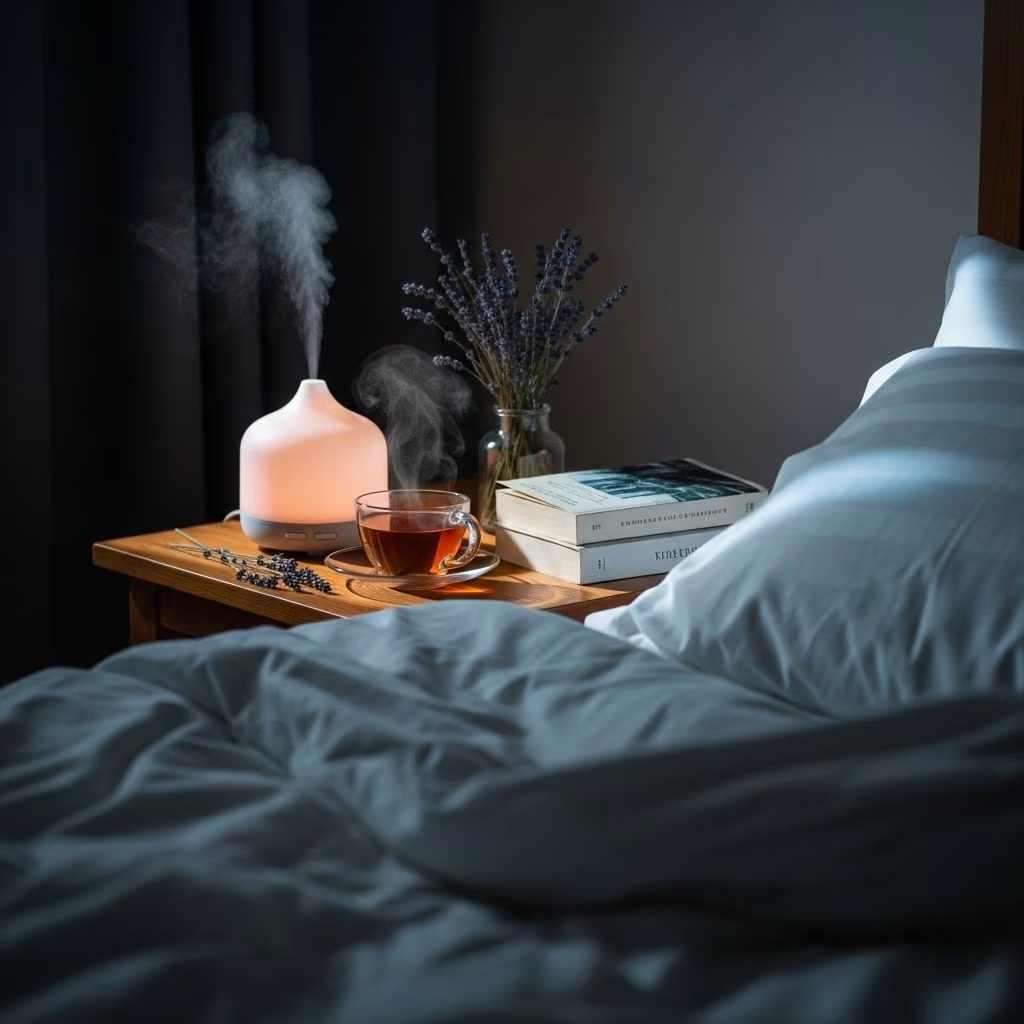
Sleep problems affect millions of people worldwide, leaving them exhausted, irritable, and unable to function at their best. If you’re struggling with insomnia or poor sleep quality, you’re not alone in this battle. The good news is that numerous natural remedies can help restore your ability to sleep soundly without relying on prescription medications that often come with unwanted side effects.
Traditional approaches to treating insomnia have relied heavily on pharmaceutical interventions, but these medications frequently cause morning grogginess, dependency issues, and other complications. An increasing number of people are turning to natural alternatives that address the root causes of sleep disturbances rather than simply masking symptoms. These holistic approaches work with your body’s natural rhythms and healing mechanisms to promote restful, restorative sleep.
Understanding Insomnia and Its Impact
Insomnia manifests in several ways, from difficulty falling asleep to waking frequently during the night or rising too early in the morning. This sleep disorder doesn’t just leave you tired—it affects every aspect of your life. People with chronic insomnia often experience decreased productivity at work, strained relationships, weakened immune function, and increased risk of serious health conditions including heart disease, diabetes, and depression.
The causes of insomnia vary significantly from person to person. Stress and anxiety are among the most common culprits, keeping the mind racing when the body desperately needs rest. Other factors include poor sleep habits, irregular schedules, excessive caffeine or alcohol consumption, certain medications, underlying medical conditions, and hormonal changes. Understanding what triggers your sleep problems is the first step toward finding effective solutions.
Acupuncture: An Ancient Solution for Modern Sleep Problems
Acupuncture has emerged as one of the most effective natural treatments for insomnia, backed by both centuries of traditional use and modern scientific research. This component of Traditional Chinese Medicine involves inserting thin needles at specific points on the body to restore balance and promote healing. When applied to sleep disorders, acupuncture addresses the underlying imbalances that prevent restful sleep.
Research has demonstrated acupuncture’s remarkable effectiveness for treating insomnia. Meta-analyses of randomized controlled trials involving thousands of patients showed that acupuncture produced significant improvements in sleep quality compared to no treatment, with patients experiencing better scores on the Pittsburgh Sleep Quality Index. Even more impressively, acupuncture was superior to medications in helping patients achieve increases in total sleep duration of more than three hours.
The beauty of acupuncture lies in its ability to treat different patterns of insomnia based on Traditional Chinese Medicine diagnosis. According to this system, each major organ system relates to specific sleep disturbances. For instance, liver and gallbladder imbalances often manifest as an inability to quiet the mind, with racing thoughts about planning and strategizing keeping people awake. Heart-related patterns may involve anxiety and restlessness, while kidney deficiency can cause waking during specific hours of the night.
Acupuncture works by modulating autonomic nervous system function, which plays a crucial role in sleep regulation. The treatment influences peripheral nerves and muscles, which in turn affect autonomic tone and central nervous system activation. This helps shift the body from a state of sympathetic nervous system dominance (the “fight or flight” response) to parasympathetic activation (the “rest and digest” state) that’s essential for quality sleep.
A typical acupuncture treatment protocol for insomnia involves sessions lasting 20 to 40 minutes, during which ultra-fine needles remain inserted at strategic points corresponding to the patient’s specific symptoms and diagnosis. For chronic insomnia, practitioners typically recommend treatments two to three times per week for approximately ten sessions, which constitutes one complete course. Acute insomnia may resolve within this single course, while chronic conditions might require additional treatment cycles.
Herbal Remedies That Promote Natural Sleep
Herbal medicine offers another powerful natural approach to treating insomnia, with both Chinese and Western herbal traditions providing effective solutions. Unlike pharmaceutical sleep aids that often cause morning grogginess and dependency, herbal remedies work gently with the body’s natural processes to encourage restful sleep without unwanted side effects.
Chinese Herbal Formulas are typically customized combinations of multiple herbs designed to address specific patterns of disharmony identified through Traditional Chinese Medicine diagnosis. These formulas work synergistically, with each herb contributing unique properties that enhance the overall therapeutic effect. When combined with acupuncture, Chinese herbs provide both external and internal treatment, creating a comprehensive approach that addresses insomnia from multiple angles.
Jujube, also known as Chinese date, is one of the most commonly recommended herbs for sleep problems in Traditional Chinese Medicine. This sweet fruit has been used for thousands of years to calm the spirit and nourish the blood, making it particularly effective for insomnia accompanied by anxiety or restlessness. Jujube can be eaten as a snack, added to soups, or brewed into a soothing tea before bedtime.
Lingzhi Mushroom, also called Reishi, is revered in Chinese medicine for its ability to calm the mind and improve sleep quality. This medicinal mushroom contains compounds that help regulate the nervous system and support stress resilience. Research has shown that lingzhi can improve sleep efficiency and reduce the time it takes to fall asleep, making it valuable for those who lie awake for hours before drifting off.
Chamomile is perhaps the most well-known Western herb for promoting sleep, and its reputation is well-deserved. This gentle flower contains compounds with mild sedative properties that help relax both mind and body. Chamomile tea is easy to incorporate into a bedtime routine and provides a comforting ritual that signals to the body that it’s time to wind down for sleep.
Dried Longan is another Chinese herb traditionally used to nourish the heart and calm the spirit. It’s particularly helpful for insomnia related to blood deficiency patterns in Traditional Chinese Medicine, where the heart lacks sufficient nourishment to maintain calm and stable emotions. Longan can be eaten as a dried fruit or added to soups and herbal tea blends.
Honey may seem like a simple food rather than a medicinal herb, but it has genuine therapeutic value for sleep. Natural honey contains compounds that promote the release of melatonin, the hormone that regulates sleep-wake cycles. Taking a small spoonful of raw honey before bed, perhaps in warm herbal tea, can help facilitate the transition into sleep.
Acupressure: Self-Treatment for Better Sleep
Acupressure applies the same principles as acupuncture but uses finger pressure instead of needles, making it accessible for self-treatment at home. Research has shown that real acupressure is significantly more effective than sham acupressure for improving sleep quality scores. This technique involves applying firm, steady pressure to specific points on the body for one to three minutes while breathing deeply.
Several acupressure points have proven particularly effective for insomnia. The Spirit Gate point, located on the wrist crease below the pinky finger, is traditionally used to calm anxiety and promote sleep. The Inner Frontier Gate point, found on the inner forearm about three finger-widths from the wrist crease, helps reduce stress and regulate heart function. The Bubbling Spring point on the sole of the foot is considered the body’s most grounding point and can help draw excess energy downward to promote relaxation.
Practicing acupressure as part of a bedtime routine provides both physical benefits through point stimulation and psychological benefits through establishing a relaxing pre-sleep ritual. Many people find that the act of mindfully attending to these points helps quiet racing thoughts and prepares the mind for rest.
Lifestyle Modifications for Optimal Sleep
While treatments like acupuncture and herbal medicine provide powerful therapeutic effects, lifestyle factors play an equally important role in achieving consistently good sleep. Creating an environment and routine that support natural sleep patterns amplifies the benefits of any treatment approach.
Sleep Hygiene Basics form the foundation of good sleep health. This includes maintaining a consistent sleep schedule by going to bed and waking at the same times every day, even on weekends. The bedroom should be cool, dark, and quiet, reserved primarily for sleep rather than work or entertainment. Removing electronic devices that emit blue light helps preserve natural melatonin production.
Dietary Considerations significantly impact sleep quality. Avoiding large meals, caffeine, and alcohol close to bedtime prevents digestive disturbances and blood sugar fluctuations that can disrupt sleep. Some people benefit from a light snack containing both protein and complex carbohydrates before bed to maintain stable blood sugar throughout the night. Foods rich in tryptophan, magnesium, and B vitamins support the body’s natural sleep processes.
Exercise and Movement promote better sleep, but timing matters. Regular physical activity helps regulate circadian rhythms and reduces stress hormones that interfere with sleep. However, vigorous exercise too close to bedtime can be stimulating rather than relaxing. Gentle practices like yoga, tai chi, or leisurely evening walks provide physical movement without excessive arousal.
Stress Management is crucial for overcoming insomnia, as anxiety and racing thoughts are among the most common causes of sleep problems. Meditation, deep breathing exercises, progressive muscle relaxation, and journaling can all help quiet the mind before bed. Some people find it helpful to set aside “worry time” earlier in the evening to process concerns rather than bringing them to bed.
Combining Treatments for Maximum Effectiveness
Research consistently shows that combining multiple natural approaches produces superior results compared to using any single treatment alone. Studies found that acupuncture combined with herbal medicine was significantly more effective than herbs alone for improving sleep rates. Similarly, acupuncture combined with conventional medications produced better outcomes than medications alone, with patients experiencing greater increases in total sleep duration.
This synergistic effect occurs because different treatments address insomnia through complementary mechanisms. Acupuncture regulates nervous system function and restores energetic balance, herbs provide internal nourishment and gentle nervous system support, lifestyle modifications optimize the sleep environment and daily rhythms, and stress reduction techniques calm the mind. Together, these approaches create comprehensive treatment that addresses both symptoms and root causes.
Working with qualified practitioners who can create individualized treatment plans ensures that interventions are properly selected and coordinated. A practitioner trained in Traditional Chinese Medicine can diagnose your specific pattern of imbalance and recommend the most appropriate combination of acupuncture points, herbal formulas, and lifestyle modifications for your unique situation.
Safety and Effectiveness of Natural Sleep Remedies
One of the significant advantages of natural insomnia treatments is their excellent safety profile. Research on acupuncture for sleep disorders found no serious adverse effects related to treatment in included trials. The most common side effects are minor and temporary, such as slight soreness at needle insertion sites or mild fatigue immediately following treatment.
Herbal remedies, when used appropriately under professional guidance, are generally well-tolerated and don’t produce the morning grogginess, cognitive impairment, or dependency issues associated with many pharmaceutical sleep aids. However, it’s important to work with qualified herbalists who can ensure proper herb selection, dosing, and quality, as well as screen for potential interactions with any medications you may be taking.
The effectiveness of natural approaches is well-documented in clinical research. Acupuncture has been shown to improve multiple measures of sleep quality including total sleep time, sleep efficiency, number of awakenings, and subjective sleep quality ratings. Many studies have found acupuncture to be as effective or more effective than conventional medications, with the added benefits of addressing underlying imbalances and lacking negative side effects.
What to Expect From Natural Insomnia Treatment
Natural treatments for insomnia typically work more gradually than pharmaceutical interventions, as they address root causes rather than simply suppressing symptoms. Most people begin noticing improvements within the first few weeks of treatment, though the timeline varies depending on the severity and duration of insomnia.
For acute insomnia that has been present for a few weeks or months, improvement often occurs relatively quickly, sometimes within four to six acupuncture sessions combined with appropriate lifestyle modifications. Chronic insomnia that has persisted for years may require more extensive treatment, potentially including multiple courses of acupuncture and ongoing herbal support.
The improvements tend to be progressive and cumulative. You might first notice that you fall asleep more easily, then find that you wake less frequently during the night, and eventually achieve longer periods of deep, restorative sleep. Many people also report beneficial side effects such as reduced stress levels, improved mood, better energy during the day, and enhanced overall well-being.
Taking the First Steps Toward Better Sleep
If you’re struggling with insomnia, taking action toward natural treatment begins with assessment and education. Consider keeping a sleep diary for a week or two, noting when you go to bed, how long it takes to fall asleep, how often you wake during the night, when you rise in the morning, and any factors that might have influenced your sleep. This information helps practitioners develop targeted treatment plans.
Research qualified acupuncturists and herbalists in your area who have experience treating sleep disorders. Look for practitioners certified by recognized professional organizations and don’t hesitate to ask about their training and approach to treating insomnia. Many practitioners offer initial consultations where you can discuss your sleep issues and learn about their recommended treatment approach.
Begin implementing basic sleep hygiene improvements even before starting professional treatment. Establish consistent sleep and wake times, optimize your bedroom environment, reduce evening screen time, and experiment with relaxing bedtime rituals. These foundational changes create conditions that allow other treatments to work more effectively.
Remember that overcoming chronic insomnia often requires patience and persistence. Natural treatments work with your body’s innate healing capacity rather than forcing sleep through pharmaceutical suppression. While this approach takes longer to produce results, the improvements tend to be more stable and sustainable over time. Many people find that after successfully treating their insomnia naturally, they maintain good sleep without needing ongoing treatment.
Frequently Asked Questions
Q: How long does it take for acupuncture to improve sleep?
A: Most people notice improvements within 4-6 weeks of consistent treatment, receiving acupuncture 2-3 times per week. Acute insomnia may respond faster, while chronic conditions might require longer treatment periods.
Q: Are herbal sleep remedies safe to use with medications?
A: While generally safe, some herbs can interact with medications. Always consult with a qualified herbalist or healthcare provider before combining herbs with pharmaceutical drugs to ensure safety.
Q: Can I practice acupressure on myself for insomnia?
A: Yes, acupressure is safe and effective for self-treatment. Apply firm pressure to sleep-promoting points like Spirit Gate and Inner Frontier Gate for 1-3 minutes while breathing deeply before bed.
Q: Will natural remedies work if I’ve had insomnia for years?
A: Yes, natural treatments can be effective for chronic insomnia, though improvement may take longer than with acute cases. Combining acupuncture, herbs, and lifestyle changes often produces the best results.
Q: Do I need to stop my sleep medication to try acupuncture?
A: No, acupuncture can be safely combined with sleep medications and may actually enhance their effectiveness. Work with your prescribing physician if you wish to reduce medication dosage as sleep improves.
Q: What herbs are most effective for racing thoughts at bedtime?
A: Jujube, chamomile, and lingzhi mushroom are particularly effective for calming racing thoughts. A qualified herbalist can recommend specific formulas based on your individual pattern of imbalance.
Q: How does acupuncture compare to sleeping pills?
A: Research shows acupuncture can be equally or more effective than medications for increasing sleep duration, with superior safety profiles and no risk of dependency or morning grogginess.
References
- https://pmc.ncbi.nlm.nih.gov/articles/PMC3156618/
- https://www.samitivejhospitals.com/article/detail/Acupuncture-for-Insomnia
- https://www.medicalnewstoday.com/articles/327274
- https://jcsm.aasm.org/doi/10.5664/jcsm.28048
- https://www.sleepfoundation.org/insomnia/treatment/natural-cures-for-insomnia
- https://kirklandacupunctureclinic.com/acupuncture-kirkland/treatment-insomnia-acupuncture/
- https://naturalsolutionsacupuncture.com.au/post/10-best-natural-remedies-for-insomnia/
- https://www.healthline.com/health/acupuncture-for-sleep


