


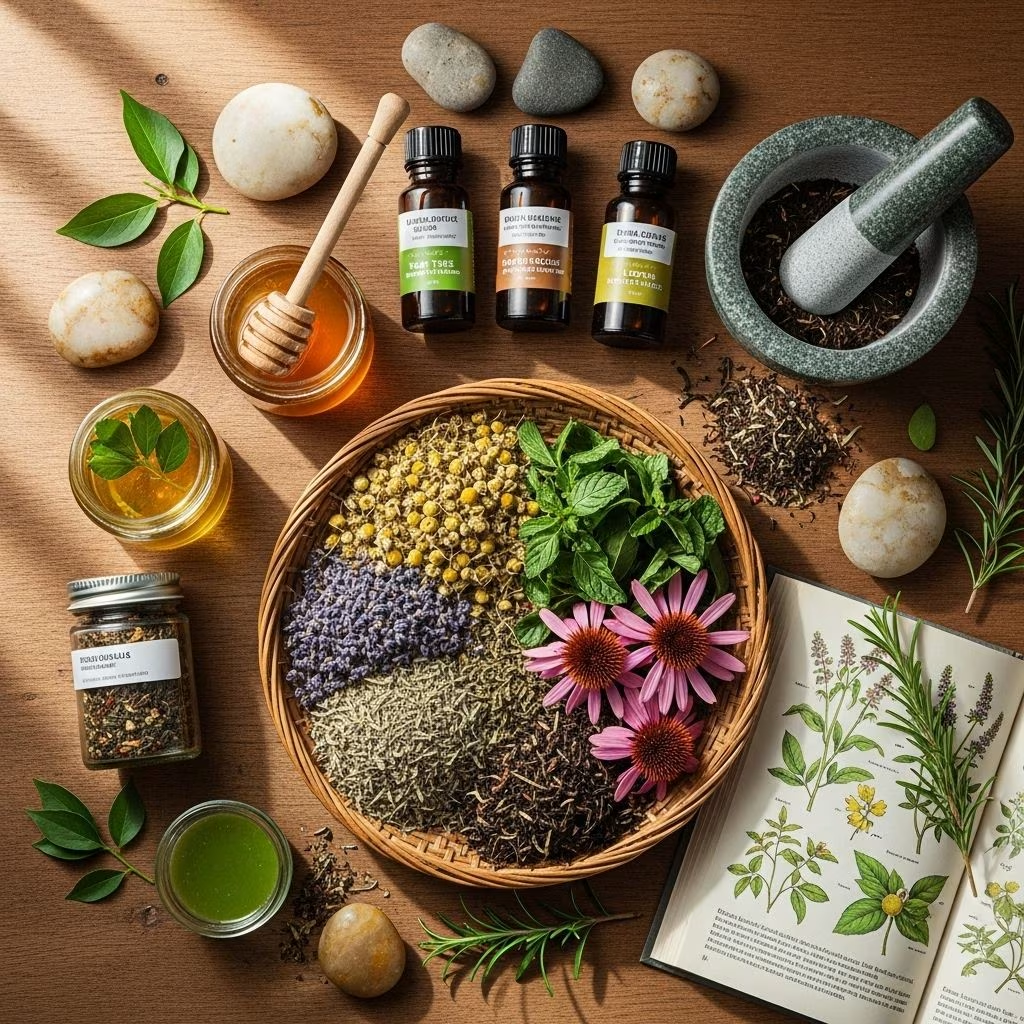
Herbal Medicine Natural Remedies: Unlocking Nature’s Pharmacy
Herbal Medicine Natural Remedies is a comprehensive resource for anyone seeking gentle, effective alternatives to pharmaceuticals. This guide is designed to simplify the often overwhelming world of herbalism, providing step-by-step instructions for creating 150 powerful remedies from 50 essential herbs and treating over 75 common health issues.
Why Choose Herbal Medicine?
Herbal medicine has predated modern pharmaceuticals by thousands of years and offers several key benefits:
- Gentle effectiveness: Many herbs deliver similar benefits as prescription drugs with fewer side effects (e.g., chamomile for anxiety, ginger for digestion).
- Holistic healing: Herbs often support multiple aspects of well-being, targeting both symptoms and underlying imbalances.
- Affordability: Medicinal plants are widely available and can be cultivated at home.
- Empowerment: Learning herbal medicine empowers individuals to take control of their health.
Herbalism 101: Starting Your Journey
This section lays the foundation for safe and effective herbal practice:
- Essential equipment: Gather basic kitchen tools such as pots, pans, double boilers, glass jars and bottles, strainers, cheesecloth, natural oils (olive, coconut, jojoba), beeswax, dried herbs, and essential oils.
- Safety first:
- Correct identification is crucial; misidentifying herbs may lead to ineffective or dangerous results.
- Always research contraindications and drug interactions.
- Label preparations by ingredient and date to monitor freshness and potency.
- Proper storage: Use dark glass containers and airtight lids to protect against moisture, contamination, and light exposure.
Essential Tools for the Herbal Kitchen
- Pots and pans (preferably stainless steel or glass)
- Double boiler for gentle heat infusion
- Glass jars/bottles for storage
- Strainer and cheesecloth
- Natural carrier oils (olive, coconut, jojoba)
- Beeswax or plant-based wax
- Dried herbs and essential oils
Forms of Herbal Remedies
- Tinctures: Alcohol or glycerin extracts, taken orally.
- Infused oils: Prepared for topical applications.
- Salves and balms: Semi-solid ointments with wax and oils for skin healing.
- Teas and decoctions: Hot-water infusions for internal use.
- Poultices and compresses: Direct application of herbs to affected areas.
Herbal Medicine for Common Ailments
Herbal Medicine Natural Remedies features 150 recipes addressing more than 75 everyday conditions. Below is a sample of ailments and corresponding herbal treatments:
- Headaches: Willow bark tea, feverfew infusion
- Digestive upset: Peppermint tea, ginger root infusion
- Colds and flu: Echinacea tincture, elderberry syrup
- Stress and anxiety: Chamomile or lemon balm tea
- Skin irritations: Calendula or aloe vera salve
- Hangovers: Dandelion root tea
50 Powerful Herbal Profiles
This guide includes profiles of 50 of the most common, useful, and healing herbs. Each profile details identification, medicinal properties, and preparation tips. A selection appears below:
| Herb | Main Use | Preparation Method |
|---|---|---|
| Agrimony | Liver and digestive tonic | Infusion, tincture |
| Chamomile | Calming, anti-inflammatory | Tea, salve |
| Echinacea | Immunity booster | Tincture, syrup |
| Licorice | Soothes cough and gastric issues | Tea, decoction |
| Skullcap | Nerve relaxant | Tincture, tea |
| Calendula | Skin healer | Salve, infusion |
| Lemon Balm | Anti-anxiety, digestive aid | Tea, tincture |
| Dandelion | Liver support, diuretic | Tea, salad |
| Ginger | Reduces nausea, inflammation | Tea, syrup |
| Peppermint | Digestive aid, headache relief | Tea, balm |
Note: Each herb profile includes tips for identification, safe cultivation, and preparation. Always consult the guide for possible contraindications.
Gathering and Cultivating Medicinal Herbs
- Identification:
- Observe leaf shape, arrangement, plant height, flower characteristics, aroma, and taste.
- Cultivation:
- Most herbs thrive in well-drained, nutrient-rich soil with varying sunlight needs.
- Harvest herbs at the correct season and stage for best potency (such as flowers at peak bloom).
- Ethical Wildcrafting:
- Gain permission before harvesting wild plants.
- Harvest responsibly: leave plenty for regeneration and avoid contaminated areas.
- Ensure accurate identification before collection.
Recipe Examples: Simple Herbal Preparations
- Herbal teas: Steep 1–2 tsp dried herb in one cup hot water for 5–10 minutes; strain and drink.
- Poultices: Crush fresh herb; apply directly to skin under a clean cloth for 15–30 minutes.
- Infused oils: Fill jar with dried herb and carrier oil; infuse for 2–4 weeks, strain, and use topically.
- Syrups: Simmer herb in water, strain, then combine with honey or sugar; take by spoonful as needed.
Safety Tips and Practical Advice
- Double check identification and research before consuming or applying any new herb.
- Start with small dosages to monitor effects.
- Consult health professionals about medical conditions, drug interactions, or pregnancy.
- Label all homemade remedies with creation and expiration dates.
- Store herbal products in cool, dark locations to preserve potency.
Customizing Your Remedies
Herbal medicines allow personalized approaches to health. You can combine herbs and adjust recipes to best suit your specific needs, symptoms, or sensitivities. Experimentation is encouraged, but always prioritize safety and consult reliable sources.
Benefits of Herbal Medicine Compared to Pharmaceuticals
| Herbal Remedies | Pharmaceuticals |
|---|---|
| Gentle, fewer side effects | May have stronger or more side effects |
| Targets multiple systems | Often targets single symptom/disease |
| Accessible and affordable | May require prescription, higher cost |
| Encourages self-care | Requires medical oversight |
Frequently Asked Questions (FAQs)
Q: Is herbal medicine safe for everyone?
A: Most herbs are safe when used as directed, but some can interact with medications or be unsafe in pregnancy. Always research thoroughly and consult a health professional for specific concerns.
Q: How do I know which herbs to start with?
A: Begin with well-known, time-tested herbs such as chamomile, peppermint, ginger, and calendula. These are widely regarded for their safety and effectiveness.
Q: Can I grow my own medicinal herbs?
A: Absolutely. Many herbs are easy to cultivate at home in gardens, windowsills, or containers as long as you pay attention to soils, watering, and sunlight needs.
Q: What if I accidentally misidentify a plant?
A: Stop immediately and consult an expert or botanical guide. Many edible herbs have poisonous lookalikes; accuracy is crucial.
Q: How long do homemade herbal preparations last?
A: Shelf life depends on the recipe. Teas and fresh poultices should be consumed or used immediately. Tinctures and oils may last several months if properly stored.
Conclusion: Making Herbal Medicine Easy, Effective, and Accessible
Herbal Medicine Natural Remedies provides clear, accessible guidance suitable for beginners and experienced herbalists alike. Whether you’re looking to address a stubborn headache, soothe an upset stomach, or simply embrace a more natural approach to health, this resource empowers you with the wisdom and practical tools of traditional herbal healing.
References
- https://sobrief.com/books/herbal-medicine-natural-remedies
- https://www.goodreads.com/book/show/34297595-herbal-medicine-natural-remedies
- https://miamioh.ecampus.com/herbal-medicine-natural-remedies-kennedy/bk/9781623158521
- https://sobrief.com/lists/top-5-books-on-herbalism-and-natural-remedies
- https://byrdsbooks.com/book/9781802870022
- https://www.barnesandnoble.com/w/herbal-medicine-natural-remedies-anne-kennedy/1125419314
- https://allstora.com/products/herbal-medicine-natural-remedies-150-herbal-remedies-to-heal-common-ailments


