


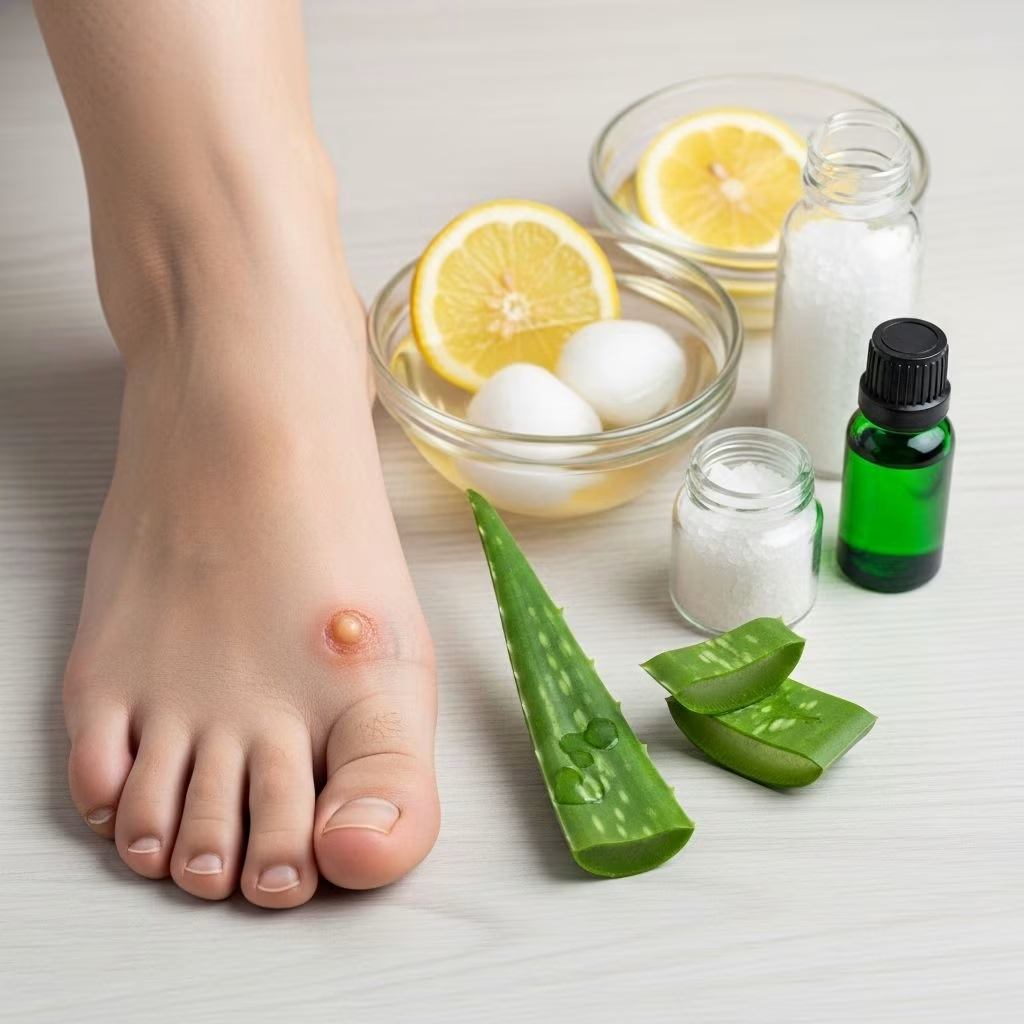
Home Remedies to Treat Foot Corns: Comprehensive Guide
Foot corns are a widespread and often painful condition that affects people of all ages. Typically caused by repeated friction, pressure, or irritation on your feet, corns develop as hard, thickened layers of skin that form to protect underlying tissues. While not a serious medical condition, corns can be uncomfortable and can even limit mobility if not addressed. Thankfully, several effective home remedies for foot corns can alleviate pain, promote healing, and prevent recurrence. This guide delves into practical, natural, and safe solutions you can try at home for healthier, pain-free feet.
What Are Foot Corns?
Foot corns are localized, thickened areas of skin most commonly found on the tops and sides of toes or the soles of the feet. They occur as the skin’s natural response to ongoing friction or pressure—often from ill-fitting shoes, high heels, or abnormal gait. Corns are distinct from calluses due to their smaller size and more defined, often painful core.
Causes of Foot Corns
The most common causes of foot corns include:
- Wearing tight, improperly fitted, or high-heeled shoes that rub against specific foot areas
- Frequent walking or standing on hard surfaces
- Abnormal foot structure such as hammertoes, bunions, or flat feet
- Not wearing socks with closed footwear
- Manual activities that provoke repeated stress on the skin (e.g., athletic activities)
Common Signs and Symptoms
Symptoms indicating the presence of foot corns include:
- Thickened, hardened, or rough skin in a small, defined area
- Pain or tenderness when pressure is applied
- A raised, circular bump with a hard center
- Redness or inflammation surrounding the corn
- Dry or flaky skin around the corn
Effective Home Remedies for Foot Corns
With the right self-care techniques and everyday ingredients, managing corns at home is entirely possible. The following home remedies help soften, reduce, and eliminate foot corns and promote long-term foot health.
1. Soak Your Feet in Warm Water
One of the most straightforward yet effective home treatments is soaking your feet in warm water. This softens the thickened skin and makes it easier to remove dead tissue.
- How to do it: Fill a basin with comfortably warm (not hot) water. Optionally, add 2-3 tablespoons of Epsom salt or apple cider vinegar to enhance the softening effect and reduce inflammation.
- Soak your feet for 15-20 minutes until the area feels softer.
This step loosens and hydrates the skin, making subsequent remedies more effective.
2. Gently Exfoliate With a Pumice Stone
Once the skin has softened, gently buff the corn with a pumice stone or foot file:
- Rub the pumice stone over the corn in circular motions for several minutes, using gentle pressure to avoid injuring healthy skin.
- Be sure to sterilize the pumice stone before and after use to prevent infection.
- Do not over-exfoliate; repeated, gentle sessions are more effective than aggressive attempts in a single sitting.
3. Apply a Corn Removal Paste
Natural pastes can help break down tough skin and speed up corn removal. A simple home recipe includes:
- 1 tablespoon of bicarbonate of soda (baking soda)
- 1 teaspoon salt
- 2 drops of tea tree oil (optional, for antiseptic benefit)
Instructions:
- Mix the ingredients into a paste.
- Apply to the corn with a cotton ball, cover, and let sit for 15 minutes.
- Rinse off and gently exfoliate.
4. Vinegar and Lemon Treatment
A blend of apple cider vinegar and lemon juice is an age-old, effective remedy:
- Mix two tablespoons each of apple cider vinegar, lemon juice, and water to form a thick solution.
- Apply the paste to your corn and leave it on for 15 minutes before rinsing.
- Once softened, gently rub with a pumice stone.
Acidic ingredients help break down tough skin, allowing the corn to peel away more easily.
5. Use Aloe Vera Gel
Aloe vera offers anti-inflammatory and skin-healing properties. For corns:
- Apply a spoonful of pure aloe vera gel to the corn before bed.
- Cover with a clean cloth or bandage, and leave it overnight.
- In the morning, rinse with warm water and exfoliate gently if needed.
Repeat nightly until the corn softens and reduces in size.
6. Lemon Juice Application
Lemon contains natural antiseptic, anti-inflammatory, and anti-fungal compounds:
- Squeeze fresh lemon juice directly onto the corn.
- Let it absorb; for added effect, soak your feet in lukewarm water containing lemon juice.
- Repeat daily for best results and relief from foot odor as well.
7. Onion Remedy
Onion juice is known to neutralize infections and soften hardened skin:
- Apply fresh onion juice to the affected area before bed.
- Cover with a cloth or bandage overnight.
- Leave in place for several hours or overnight, then rinse and repeat for a few days.
8. Vitamin E Oil Massage
Vitamin E oil helps soften corns and soothes inflammation:
- Massage a few drops of natural Vitamin E oil into the corn daily.
- It can be blended with coconut or olive oil for extra emollient effects.
9. Baking Soda Paste
Baking soda is a gentle exfoliant. To make a paste:
- Mix baking soda with water to form a thick paste.
- Apply to the corn, leave on for 10-15 minutes, then rinse.
- Gently exfoliate the softened area.
10. Protective Corn Pads
Corn pads, available over the counter, protect the area from further irritation while allowing healing:
- Apply adhesive pads with a cut-out center around the corn to cushion and reduce pressure.
- Nonmedicated versions are preferable for sensitive skin; medicated pads may contain salicylic acid to help remove dead skin.
- Always follow directions and change pads regularly.
| Remedy | How to Use | Key Benefit |
|---|---|---|
| Warm water Soak | Soak feet 15–20 min daily | Softens thickened skin |
| Pumice Stone | Gently file after soaking | Removes dead tissue |
| Aloe Vera Gel | Apply, cover overnight | Heals, soothes skin |
| Lemon Juice | Apply directly, soak feet | Antiseptic, anti-inflammatory |
| Baking Soda Paste | Leave on 10–15 min | Exfoliates dead skin |
Prevention Tips for Foot Corns
The following habits can help prevent the recurrence of corns:
- Wear well-fitting shoes with ample toe space and soft linings.
- Use protective pads or insoles to cushion pressure points.
- Keep your feet clean and dry—wash daily and dry thoroughly between toes.
- Moisturize regularly to prevent skin from drying out and thickening.
- Avoid walking barefoot in public areas to reduce risk of infection.
- Trim toenails straight across to avoid undue pressure on toes.
When to Seek Medical Attention
While most foot corns respond well to home remedies, seek prompt medical attention if you experience:
- Persistent pain or corns that recur despite treatment
- Signs of infection (redness, swelling, pus, warmth)
- Bleeding or increased tenderness
- Diabetes, poor circulation, or compromised immune system—always consult a healthcare professional before attempting any home treatments
Podiatrists can offer advanced therapies, prescription-strength medications, custom orthotics, or, in extreme cases, minor surgical interventions to resolve chronic or painful corns.
Frequently Asked Questions (FAQs)
Q: What causes repeated corns, even after removal?
A: Corns often return if the underlying cause, such as poorly fitting footwear or abnormal gait, is not addressed. Ensuring proper shoe fit and using insoles can reduce recurrence risk.
Q: Are medicated corn pads safe for everyone?
A: Medicated pads containing salicylic acid can be effective but should be avoided by individuals with diabetes, poor circulation, or sensitive skin. Consult your doctor before use if you are unsure.
Q: How long does it take to see results with home remedies?
A: With consistent application, most people notice softening and reduction in size within one to two weeks. Persistence and regular foot care are key.
Q: Can foot corns become infectious?
A: While corns themselves are not infectious, open or ulcerated corns can become infected if not cared for properly. Use clean tools and keep feet dry to minimize risk.
Q: Is surgery ever necessary for corns?
A: Surgery is rarely required but may be considered if corns cause ongoing pain, nerve involvement, or are linked to structural foot problems that do not respond to conservative measures.
Final Thoughts
Most cases of foot corns can be managed at home with gentle, consistent care and attention to footwear. However, do not hesitate to consult a healthcare professional if home remedies prove ineffective or if you have a medical condition that complicates healing. By taking steps to soften, protect, and properly care for your feet, you can enjoy pain-free mobility and reduce your risk of future corns.
References
- https://www.drfootin.com/blogs/articles/how-can-you-treat-foot-corn-naturally
- https://www.footandanklecentersofsj.com/blog/how-to-remove-corns-on-feet-overnight
- https://www.footandanklecentersofsj.com/blog/how-to-remove-foot-corn-at-home-in-5-easy-ways
- https://www.centurymedicaldental.com/how-to-safely-remove-a-foot-corn-at-home/
- https://newsnetwork.mayoclinic.org/discussion/home-treatment-options-for-corns-and-calluses/
- https://www.healthline.com/health/how-to-get-rid-of-corns
- https://my.clevelandclinic.org/health/diseases/16896-corns-and-calluses
- https://www.healthmarkfootandankle.com/blog/5-ways-you-can-find-relief-from-painful-corns-at-home-in-phoenixville.cfm
- https://www.medicalnewstoday.com/articles/324329


