


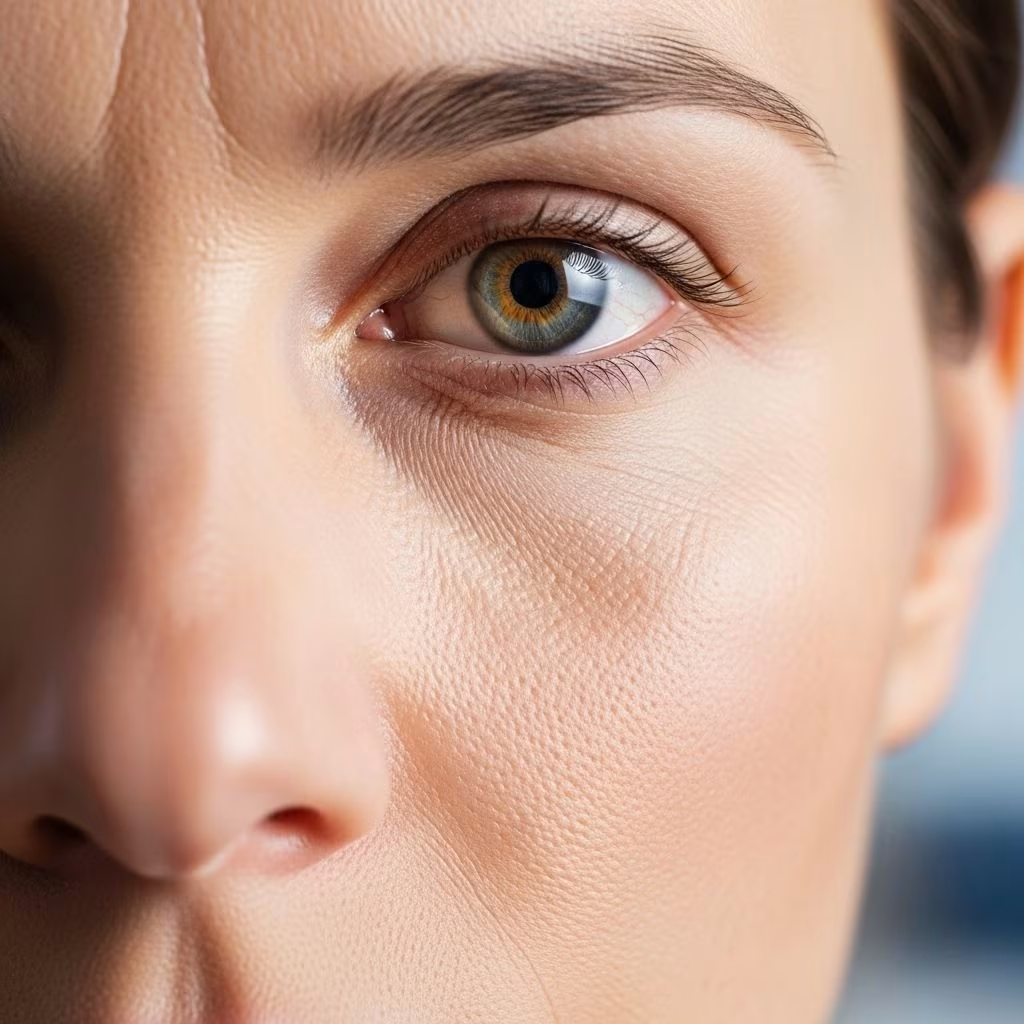
How to Stop Eye Twitching: Causes, Remedies, and Prevention Tips
Eye twitching, medically known as myokymia, involves involuntary, repetitive spasms of the eyelid muscles. While most eyelid twitches are mild and temporary, they can be a source of annoyance, disrupt concentration, and occasionally indicate underlying health issues. This comprehensive article explores the causes of eye twitching, practical home remedies, available medical treatments, and actionable prevention strategies for healthy eyes.
What Is Eye Twitching?
Eye twitching typically refers to small, involuntary contractions of the eyelid muscles, often affecting the upper lid but sometimes the lower. While these spasms are generally harmless and self-resolving, frequent or persistent twitching can signal a need for lifestyle adjustments or medical attention.
Common Causes of Eye Twitching
Understanding what triggers eye twitching can help you target effective solutions. The following factors are most frequently associated with eyelid spasms:
- Stress: Emotional or physical stress can provoke muscle spasms, including those in the eyelids.
- Fatigue: Lack of adequate sleep weakens the nervous system, increasing twitch susceptibility.
- Eye Strain: Prolonged screen exposure and overuse of digital devices contribute to \”computer vision syndrome\” and twitching.
- Caffeine: Excessive consumption of coffee, tea, energy drinks, or chocolate may overstimulate muscles.
- Alcohol: Like caffeine, alcohol can overstimulate nerves and muscles, increasing risk of twitches.
- Dehydration: Not getting enough fluids disrupts muscle and nerve function, causing spasms.
- Allergies: Allergic reactions cause dry, itchy, or irritated eyes, which can trigger twitching, especially if you rub your eyes.
- Nutritional Deficiency: Insufficient magnesium, potassium, or B vitamins may lead to muscle spasms.
- Dry Eyes: Insufficient tears or tear quality can make eyes feel gritty and twitchy.
- Other Medical Conditions: Rarely, chronic or severe twitching may indicate neurological disorders, such as benign essential blepharospasm or even, in extreme cases, conditions like Parkinson’s disease.
How to Stop Eye Twitching: Effective Home Remedies
To stop or reduce eye twitching, consider these evidence-based remedies and self-care strategies:
1. Apply a Warm Compress
Placing a warm, damp cloth gently over your closed eyelids helps relax the surrounding muscles and reduce spasms. Repeat as needed throughout the day.
2. Manage Stress
Stress is a leading cause of eye twitching. Effective strategies include:
- Mindfulness meditation and deep-breathing exercises
- Practicing yoga or progressive muscle relaxation
- Engaging in hobbies and activities that promote relaxation
- Scheduling regular breaks during stressful periods
3. Reduce Caffeine and Alcohol Intake
Gradually decrease consumption of coffee, tea, soda, chocolate, and alcoholic beverages to diminish stimulus on the nervous system.
4. Get Adequate Sleep
Prioritize consistent, high-quality sleep by:
- Setting and maintaining a regular sleep schedule
- Create a comfortable, quiet, and dark sleeping environment
- Avoiding screens before bedtime
Lack of rest is a key trigger for muscle spasms, so aim for 7–9 hours each night.
5. Address Dry Eyes
Keep your eyes moist by using over-the-counter lubricating eye drops or artificial tears.
- If symptoms persist, consult your eye doctor for further evaluation.
- Consider using a humidifier if your indoor air is dry.
6. Take Screen Breaks: 20-20-20 Rule
Prolonged screen time strains the eyes. To minimize eye fatigue:
- Every 20 minutes, look at something at least 20 feet away for 20 seconds.
- Adjust your work station for good lighting and optimal screen distance.
7. Stay Hydrated
Ensure regular fluid intake throughout the day. Dehydration can worsen or trigger muscle twitches, including in your eyelids.
8. Balance Your Diet
Avoid skipping meals and ensure your diet includes enough magnesium, potassium, and B vitamins from sources such as leafy greens, nuts, seeds, whole grains, and fruits.
9. Gently Massage the Eyelid
Using a finger, gently massage the twitching eyelid in slow, circular motions for brief periods. This may help relax the spasm.
10. Blink Slowly and Consciously
Closing your eyes and blinking slowly can help relax the muscle responsible for the twitch, disrupting the spasm cycle.
Medical Treatments for Severe or Persistent Eye Twitching
Most cases of eye twitching resolve on their own or respond to lifestyle adjustments. However, if the problem persists, intensifies, or disrupts daily life, consult a healthcare professional. Medical interventions include:
- Prescription Medications: Doctors may prescribe muscle relaxants or medications for allergies or underlying conditions causing twitching.
- Botulinum Toxin (Botox) Injections: For chronic cases (e.g., benign essential blepharospasm), small doses of botulinum toxin can temporarily paralyze overactive muscles, reducing twitching for several months. Repeated injections are usually necessary.
- Myectomy Surgery: In extremely rare, stubborn cases, surgical removal of a portion of the eyelid muscles or nerves may be recommended.
- Treating Underlying Conditions: Addressing root causes such as neurological disorders or eye disease can lead to symptom improvement.
Seek immediate medical care if eye twitching is accompanied by:
- Other areas of your face (such as mouth or cheek) moving involuntarily
- Twitching persisting for weeks without relief
- Pain, redness, or swelling of the eye
- Drooping eyelids or difficulty opening the eye
Eye Twitching Prevention Tips
To minimize risk and frequency of future eyelid twitches, incorporate the following preventative habits:
- Follow a regular sleep routine and get adequate rest
- Use proper lighting and appropriate screen positioning in study or work spaces
- Stay well hydrated throughout each day
- Avoid excessive caffeine and alcohol intake
- Eat a balanced, nutrient-rich diet
- Take breaks from electronic screens; apply the 20-20-20 rule
- Wear sunglasses outdoors and protective eyewear as needed
- Manage stress with relaxation techniques or professional support
Sample Table: Common Causes and Solutions for Eye Twitching
| Cause | Potential Solution |
|---|---|
| Stress | Rest, relaxation techniques, meditation |
| Fatigue | Increase sleep duration and quality |
| Caffeine | Reduce intake, opt for decaf |
| Screen Strain | Follow 20-20-20 rule, reduce screen time |
| Dry Eyes | Use lubricating drops, consult doctor if persistent |
| Allergies | Use antihistamine drops, avoid rubbing eyes |
| Dehydration | Increase water intake |
| Nutritional Deficiency | Eat foods rich in magnesium, B vitamins, potassium |
Frequently Asked Questions (FAQs)
Q: When should I be concerned about eye twitching?
A: Most eye twitches are harmless and temporary. However, seek medical advice if twitching lasts more than one week, affects other facial muscles, leads to the eyelid closing completely, or is associated with pain, swelling, or vision problems.
Q: Does eye twitching always mean a health problem?
A: In the vast majority of cases, occasional twitching does not indicate a serious medical condition. Persistent, severe, or associated muscle spasms elsewhere in the face may warrant further evaluation by a healthcare provider.
Q: Can stress and caffeine really cause eye twitching?
A: Yes, both elevated stress levels and excessive stimulant intake (caffeine or alcohol) are common triggers for eye muscle spasms. Managing stress and limiting stimulants often reduces episodes.
Q: Are there long-term complications of eye twitching?
A: While rare, chronic and untreated cases can sometimes cause eyelid drooping (ptosis) or discomfort. Most cases resolve without complications when triggers are addressed.
Q: Can nutritional supplements help?
A: Addressing deficiencies in magnesium, potassium, and B vitamins through diet or supplements may help some people, especially if their twitching is linked to poor nutrition. Consult your doctor before starting new supplements.
When to See a Doctor
You should schedule an eye exam if you encounter any of the following:
- Frequent/prolonged twitching that lasts over a week
- Twitching that causes your eyelid to close completely
- Involuntary movements affecting other facial muscles
- Pain, redness, swelling, or vision changes
- History of neurological conditions or concerns about underlying disease
Prompt diagnosis ensures that any serious underlying causes are properly addressed.
Conclusion
Eye twitching is often temporary and harmless, most commonly caused by stress, fatigue, eye strain, dietary factors, or dehydration. For most people, simple lifestyle changes such as managing stress, staying hydrated, reducing caffeine, and practicing good sleep hygiene will stop or minimize eye twitches. In persistent or concerning cases, a healthcare professional can rule out other medical issues and provide tailored treatment. Consistent care and self-awareness can help keep your eyes healthy and twitch-free.
References
- https://www.advancedeyecarecenter.net/5-tips-on-how-to-stop-eye-twitching/
- https://drshonah.ca/eye-twitching-8-causes-treatments-and-prevention/
- https://www.healthline.com/health/eyelid-twitch
- https://www.ummhealth.org/health-library/eye-twitching-0
- https://my.clevelandclinic.org/health/symptoms/17663-eye-twitching
- https://medlineplus.gov/ency/article/000756.htm


