


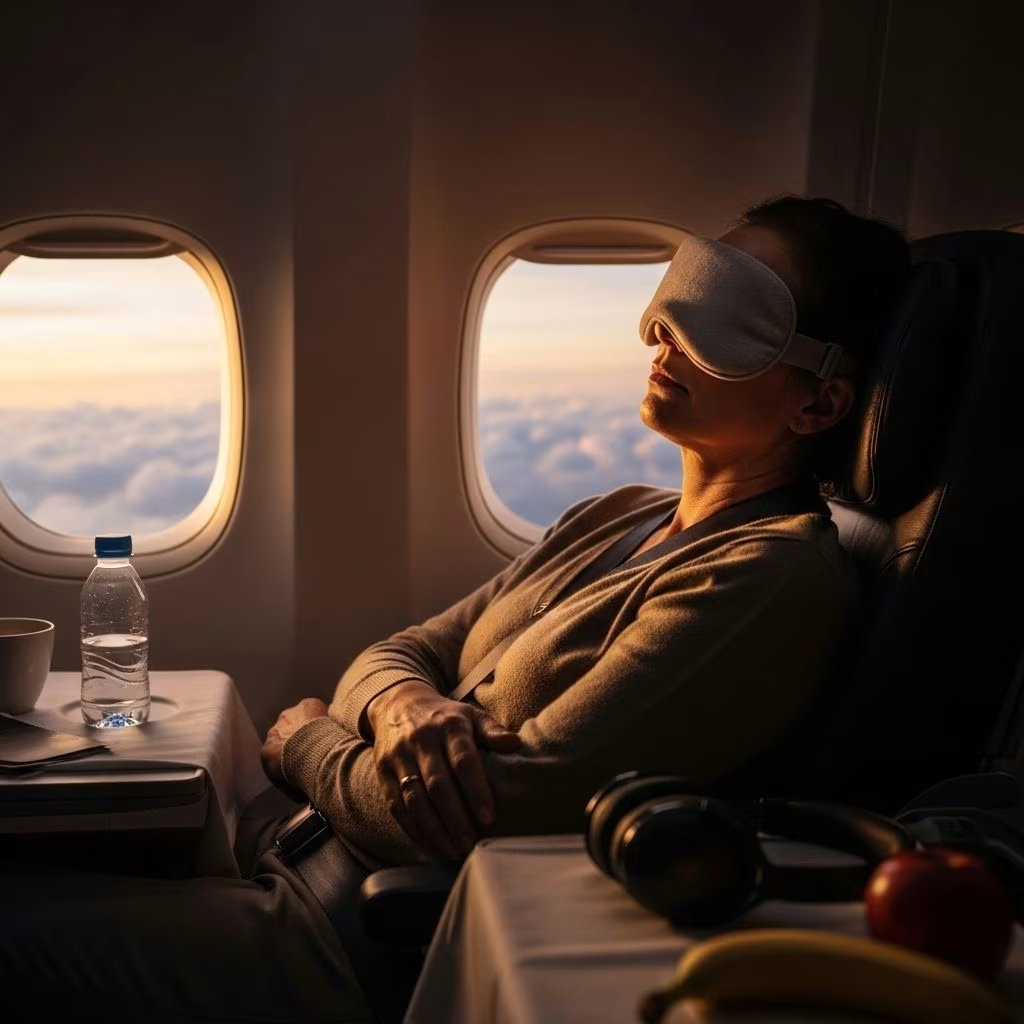
Jet Lag Remedies: Effective Strategies to Minimize and Overcome Symptoms
Jet lag, a common issue faced by travelers crossing multiple time zones, can leave you feeling tired, disoriented, and unable to enjoy your destination to the fullest. Symptoms often include daytime fatigue, disturbed sleep, difficulty concentrating, digestive problems, and mood changes. This guide offers expert-backed strategies, lifestyle tips, and answers to frequently asked questions to help you prevent, minimize, and treat jet lag.
What is Jet Lag?
Jet lag occurs when your body’s internal circadian rhythms are out of sync with the day-night schedule of your destination. The more time zones you cross, the more pronounced the symptoms tend to be. Although jet lag is a temporary condition, its impact can hinder business or leisure activities for days after arrival.
Key jet lag symptoms:
- Difficulty falling asleep or staying asleep
- Daytime fatigue and low energy
- Reduced alertness and memory
- Gastrointestinal disturbances
- Mood changes, irritability or mild depression
How Long Does Jet Lag Last?
Typically, the body requires about one day for each time zone crossed to recover from jet lag. For example, flying across five time zones may require four to six days for a full adjustment. Some travelers, however, may adapt more quickly, especially when employing advanced preparation and recovery techniques.
Why Does Jet Lag Happen?
Jet lag is caused primarily by an abrupt change in the timing of light and darkness, which disrupts your body’s production of hormones such as melatonin. This disruption confuses your brain’s sleep-wake center (the suprachiasmatic nucleus), making it difficult to fall asleep at appropriate local times and stay alert during the day.
Preventing Jet Lag: Preparation is Key
A well-planned approach before your trip can significantly reduce jet lag intensity.
Proven preparation strategies include:
- Bump your sleep schedule: Gradually shift your bedtime and wake-up time closer to your destination’s time zone a few days before you travel.
- Prioritize sleep before departure: Aim for several nights of good, uninterrupted rest to reduce sleep debt and fortify your resilience.
- Plan travel timing wisely: Choose flights that allow for arrival in the early evening or night, enabling rest soon after reaching your destination.
- Download a jet lag app: Use smartphone apps such as Timeshifter or Sleep Cycle to tailor your preparation plan and receive reminders about light exposure and sleep adjustments.
Travel-Day Tips
- Stay hydrated: Drink plenty of water before, during, and after your flight. Cabins are dehydrating and dehydration can amplify jet lag symptoms.
- Eat lightly: Opt for healthy, easy-to-digest meals with fruits, vegetables, and lean proteins. Heavy or greasy foods can slow digestion and worsen discomfort.
- Move regularly: Get up and stretch every hour to boost circulation and prevent muscle stiffness or clotting.
- Avoid alcohol: Alcohol disturbs sleep architecture and increases dehydration, making jet lag worse.
- Limit caffeine: While caffeine may help you stay alert, use it sparingly and avoid in the afternoon and night to prevent sleep issues.
Reducing Jet Lag on Arrival
Once you’ve arrived, adopt strategies to accelerate your body’s synchronization with the local time zone:
- Get outside in daylight: Natural light is the most powerful cue for resetting your internal clock. Spend time outdoors soon after landing.
- Stay active: Light exercise, such as walking or gentle stretching, not only exposes you to sunlight but also helps your body adjust more rapidly.
- Resist midday naps: Refrain from napping more than 20-30 minutes, as longer daytime sleep can hamper adjustment and increase fatigue.
- Keep your sleeping space comfortable:
- Set a cool, quiet temperature
- Remove noise or distractions (unplug phones, use earplugs, or try a white noise machine)
- Bring familiar comfort items (blanket, pillow, scented lotion)
Key Jet Lag Remedies
Experts have identified several remedies to decrease jet lag severity and speed recovery:
Light Therapy
Light exposure—especially bright, natural morning sunlight—helps reset your circadian rhythm. When flying east, get early morning light; when flying west, seek evening or late-afternoon light. If sunlight is unavailable, use artificial light boxes, lamps, or visors that simulate natural sunlight.
Melatonin Supplementation
- Take melatonin supplements 30 minutes before intended sleep in your destination time zone to help your body adjust.
- Typical doses range from 0.5 to 5 milligrams, with smaller doses often as effective as higher ones.
- Take melatonin nightly when flying east, or in the morning when flying west.
- Consult your doctor before use to avoid interactions.
- Common side effects: dizziness, headache, daytime sleepiness, mild gastrointestinal symptoms.
Medications
- In certain cases, doctors may prescribe sleep medications such as zolpidem (Ambien), eszopiclone (Lunesta), or benzodiazepines as a short-term aid for falling asleep faster in the new time zone.
- Use these medications only after other remedies fail and under medical supervision due to risks of dependency and side effects.
- Medications may help you sleep but do not necessarily eliminate daytime symptoms like lethargy or mood changes.
Additional Possible Remedies
- Exercise: Moderate cardio or stretching further supports mood and energy levels, and may help your body adapt faster.
- Healthy nutrition: Focus on lighter, balanced meals to decrease digestive disturbances that often accompany jet lag.
- Herbal supplements: Some travelers use herbal remedies (valerian root, chamomile), but consult a doctor as effectiveness and safety can vary.
Jet Lag Prevention: Essential Daily Habits
Incorporating healthy habits helps minimize jet lag and travel fatigue:
- Get enough sleep: Lack of sleep before and during travel worsens jet lag. Always strive for quality, uninterrupted rest leading up to and throughout your trip.
- Avoid unnecessary stress: Stress can sap energy and disrupt sleep. Prepare calmly and keep your first few days itinerary light and flexible.
- Recovery days: If possible, allow yourself buffer days before returning to work or major commitments after travel.
Table: Summary of Jet Lag Remedies
| Remedy | How It Helps | Key Guidelines |
|---|---|---|
| Light Therapy | Resets the circadian clock | Seek natural sunlight; use artificial alternatives when needed |
| Melatonin | Triggers sleepiness | Take 0.5–5 mg as advised 30 min before sleep; consult doctor |
| Medications | Treats acute insomnia | Prescription only; use short-term under supervision |
| Hydration | Alleviates dehydration, supports alertness | Drink water regularly, avoid alcohol |
| Healthy Meals | Prevents digestive upset | Choose light, balanced foods nearby travel |
| Physical Activity | Boosts mood and energy | Gentle exercise, stretching, or walking daily |
Frequently Asked Questions about Jet Lag Remedies
Q: Does jet lag affect everyone the same?
A: No, individual response varies by age, health, travel direction, and number of time zones crossed. Eastward travel generally causes more severe jet lag than westward travel.
Q: Will sleeping pills totally eliminate jet lag?
A: No, sleeping pills may help you fall asleep initially but do not address the mismatch of your body clock; daylight exposure and gradual adjustment are crucial for full recovery.
Q: Is melatonin safe for everyone?
A: Melatonin is generally regarded as safe for short-term use. However, consult your healthcare provider before using any supplement, especially if you’re pregnant, nursing, taking medications, or have chronic health issues.
Q: How can I adjust quicker to new time zones?
A: Prioritize morning daylight, maintain hydration, stay active, adjust sleep schedules before travel, use melatonin supplements (if approved by your doctor), and avoid long daytime naps.
Q: Can diet influence jet lag?
A: Yes, opting for lighter, balanced meals focused on fruits, vegetables, and lean proteins can help prevent stomach upset and speed recovery. Avoid heavy, greasy, or sugary foods around travel days.
Key Takeaways for Jet Lag Prevention and Relief
- Plan ahead by adjusting sleep schedules and using jet lag apps.
- Stay hydrated, eat healthy, and move regularly throughout your trip.
- Maximize daylight exposure at your destination to accelerate clock alignment.
- Discuss melatonin or sleep medications with your doctor if jet lag persists or disrupts important activities.
Additional Resources and Expert Guidance
- Consult the Sleep Foundation for more travel sleep tips.
- Mayo Clinic offers evidence-based guidelines for light therapy and melatonin usage.
- Use medical encyclopedias like MedlinePlus for prevention ideas and travel health preparation.
Final Thoughts
Jet lag may be an unavoidable reality for frequent flyers, but with careful planning and strategic remedies, its impact can be minimized. Combining lifestyle changes, targeted therapies like light and melatonin, and professional guidance can help you make the most of your travels—arriving refreshed and ready for adventure or business.
References
- https://www.uhhospitals.org/blog/articles/2024/09/8-strategies-for-reducing-jet-lag
- https://www.healthline.com/health/healthy-sleep/how-to-get-over-jet-lag
- https://www.mayoclinic.org/diseases-conditions/jet-lag/diagnosis-treatment/drc-20374031
- https://www.sleepfoundation.org/travel-and-sleep/how-to-get-over-jet-lag
- https://my.clevelandclinic.org/health/diseases/12781-jet-lag
- https://humanperformancealliance.org/playbook/beating-jet-lag-a-guide-to-strategic-light-exposure/
- https://pmc.ncbi.nlm.nih.gov/articles/PMC1125170/
- https://medlineplus.gov/ency/patientinstructions/000719.htm
- https://www.betterhealth.vic.gov.au/health/healthyliving/jet-lag


