


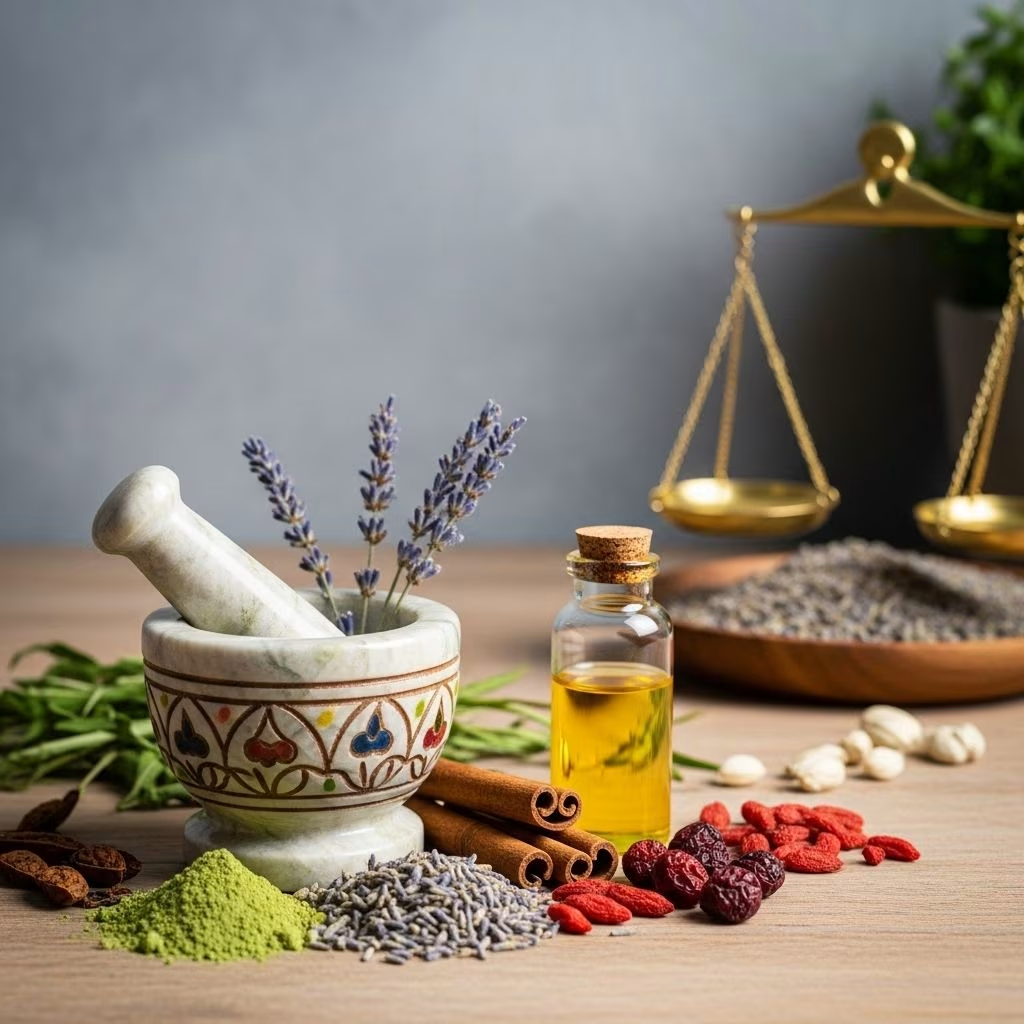
Hormonal imbalances affect millions of people worldwide, causing symptoms that range from mildly uncomfortable to significantly life-altering. When your hormones are out of balance, you may experience fatigue, weight changes, mood swings, irregular periods, sleep disturbances, and many other challenging symptoms. While conventional medical treatments have their place, many individuals seek natural approaches to restore hormonal harmony and support their body’s innate healing capabilities.
Understanding how to naturally support your endocrine system through targeted herbs, nutritional supplements, dietary modifications, and lifestyle changes can empower you to take control of your hormonal health. This comprehensive guide explores evidence-based natural remedies that have shown promise in helping to balance hormones and alleviate the uncomfortable symptoms associated with hormonal disruption.
Understanding Hormonal Imbalance
Hormones are chemical messengers that travel through your bloodstream, coordinating complex processes throughout your body. They influence metabolism, growth and development, mood, sexual function, reproduction, and much more. When hormone levels become too high or too low, the delicate balance your body needs to function optimally becomes disrupted.
Hormonal imbalances can stem from various causes including stress, poor diet, lack of sleep, environmental toxins, certain medications, and underlying health conditions. Women often experience hormonal fluctuations during menstruation, pregnancy, postpartum, and menopause, while conditions like polycystic ovary syndrome (PCOS), thyroid disorders, and adrenal dysfunction can affect people of any gender.
Common symptoms of hormonal imbalance include irregular menstrual cycles, unexplained weight gain or loss, persistent fatigue, difficulty sleeping, mood changes including anxiety and depression, decreased libido, digestive issues, hair loss or excessive hair growth, skin problems, and cognitive difficulties like brain fog. Recognizing these symptoms is the first step toward seeking appropriate support and implementing natural remedies.
Powerful Herbs for Hormonal Balance
Herbal medicine has been used for centuries across various cultures to support hormonal health. Modern scientific research is now validating many traditional uses of herbs, revealing their mechanisms of action and therapeutic potential for addressing hormonal imbalances.
Ashwagandha
Ashwagandha stands out as one of the most researched adaptogens for hormonal balance. This ancient Ayurvedic herb helps reduce elevated cortisol levels, making it particularly beneficial for stress-related hormonal disruption. Studies have demonstrated ashwagandha’s ability to improve thyroid function in people with subclinical hypothyroidism, and it has shown promise in treating perimenopausal symptoms including hot flashes, sleep disturbances, and vaginal dryness. The herb also supports reproductive health by potentially boosting testosterone levels and improving fertility markers in both men and women.
Vitex (Chasteberry)
Vitex agnus-castus, commonly known as chasteberry or vitex, has garnered significant attention for its effects on reproductive hormones. This herb works primarily by influencing prolactin levels and supporting dopamine production. Research indicates that vitex can help regulate menstrual cycles, reduce PMS symptoms including breast tenderness, improve fertility outcomes, and support women experiencing irregular periods due to elevated prolactin. By helping to balance progesterone and estrogen levels, vitex addresses one of the most common underlying causes of menstrual irregularities and reproductive health challenges.
Black Cohosh
Black cohosh has earned recognition as a natural alternative for managing menopausal symptoms. This Native American medicinal herb contains compounds that may exert estrogen-like effects in the body, helping to alleviate hot flashes, night sweats, mood swings, and sleep disturbances associated with menopause. While research results have been mixed, many women report significant symptom relief when using black cohosh supplements. The herb may be particularly useful during the perimenopausal transition when estrogen levels begin fluctuating.
Maca Root
Maca, a Peruvian root vegetable, functions as an adaptogen that supports overall hormonal balance without directly altering hormone levels. Instead, maca nourishes the endocrine system, helping the body produce hormones more efficiently. Studies suggest maca can improve energy levels, enhance libido, support fertility, reduce menopausal symptoms, and promote emotional well-being. Available in powder or capsule form, maca offers a gentle approach to hormonal support suitable for long-term use.
Evening Primrose Oil
Rich in gamma-linolenic acid (GLA), evening primrose oil provides essential fatty acids that support prostaglandin production and hormonal balance. This supplement has demonstrated effectiveness in reducing PMS symptoms, alleviating breast pain, managing hot flashes and other menopausal symptoms, and supporting skin health. The linoleic acid content in evening primrose oil plays a crucial role in maintaining healthy inflammatory responses and supporting reproductive health.
Spearmint
Spearmint tea offers particular benefits for women with PCOS. Research has shown that regular consumption of spearmint tea can help reduce elevated testosterone levels, improve menstrual cycle regularity, and support healthy follicle-stimulating hormone (FSH) and luteinizing hormone (LH) levels. The pleasant taste and accessibility of spearmint tea make it an easy addition to daily routines for those seeking hormonal support.
Essential Vitamins and Minerals for Hormone Health
Adequate micronutrient intake forms the foundation of hormonal health. Specific vitamins and minerals play direct roles in hormone production, metabolism, and signaling. Ensuring optimal levels of these nutrients can significantly impact hormonal balance.
Vitamin D
Vitamin D functions more like a hormone than a traditional vitamin, influencing gene expression and cellular function throughout the body. Deficiency is extremely common and has been linked to various hormonal imbalances, including thyroid dysfunction, insulin resistance, and reproductive hormone irregularities. Maintaining optimal vitamin D levels through sunlight exposure, food sources, or supplementation supports overall endocrine function and may improve symptoms of hormonal imbalance.
B-Complex Vitamins
The B vitamins work synergistically to support energy production, nervous system function, and hormone metabolism. Vitamin B6 specifically plays a role in progesterone production and can help alleviate PMS symptoms. B12 and folate support methylation processes crucial for hormone detoxification. B5 (pantothenic acid) supports adrenal function and cortisol production. A high-quality B-complex supplement can provide comprehensive support for hormonal health.
Magnesium
This essential mineral participates in over 300 enzymatic reactions in the body, many of which relate to hormone production and function. Magnesium helps regulate cortisol levels, supports thyroid hormone production, improves insulin sensitivity, and promotes restful sleep. Many people are deficient in magnesium due to soil depletion and dietary factors. Supplementation or increased intake of magnesium-rich foods can support hormonal balance and alleviate related symptoms.
Selenium
Selenium serves as a critical component of enzymes involved in thyroid hormone production and metabolism. This trace mineral helps convert inactive T4 thyroid hormone into active T3, supports immune function, and provides antioxidant protection. Adequate selenium intake is particularly important for thyroid health and may help reduce thyroid antibodies in autoimmune thyroid conditions.
Zinc
Zinc plays multiple roles in hormonal health, including supporting immune function, regulating inflammation, and participating in hormone production and signaling. This mineral is particularly important for reproductive health, as it influences testosterone, estrogen, and progesterone levels. Zinc also supports healthy insulin function and blood sugar balance. Many people, especially those following plant-based diets, may benefit from zinc supplementation.
Omega-3 Fatty Acids
Essential omega-3 fatty acids from fish oil or algae sources provide the building blocks for hormone production and help regulate inflammatory responses. These beneficial fats support cell membrane health, improve insulin sensitivity, reduce inflammation associated with hormonal imbalances, and may help alleviate PMS and menopausal symptoms. Regular consumption of omega-3-rich foods or high-quality supplements supports overall hormonal health.
Dietary Approaches for Hormonal Balance
What you eat profoundly impacts your hormonal health. Certain dietary patterns and specific foods can either support or disrupt hormonal balance. Adopting a hormone-friendly eating approach provides the foundation for lasting hormonal health.
Focus on Whole Foods
Prioritizing whole, unprocessed foods provides your body with the nutrients it needs to produce and regulate hormones effectively. Emphasize colorful vegetables, particularly cruciferous varieties like broccoli, cauliflower, and Brussels sprouts, which support estrogen metabolism. Include high-quality proteins from various sources to provide amino acids necessary for hormone production. Choose healthy fats from sources like avocados, nuts, seeds, and olive oil to support hormone synthesis.
Balance Blood Sugar
Stable blood sugar is crucial for hormonal balance, as insulin resistance and blood sugar dysregulation can trigger cascading hormonal problems. Include protein and healthy fats with each meal to slow glucose absorption. Choose complex carbohydrates with fiber over refined options. Eat regular meals and avoid extended periods without food. These strategies help maintain steady blood sugar levels and reduce stress on your endocrine system.
Support Gut Health
Your gut microbiome plays a surprising role in hormone metabolism and balance. Beneficial bacteria help metabolize and eliminate excess hormones, produce certain hormones, and influence systemic inflammation that can affect endocrine function. Include fermented foods like yogurt, kefir, sauerkraut, and kimchi to support healthy gut bacteria. Consume plenty of fiber to feed beneficial microbes and support hormone elimination.
Reduce Inflammatory Foods
Chronic inflammation disrupts hormonal signaling and can contribute to various endocrine disorders. Minimize consumption of processed foods, refined sugars, trans fats, and excessive alcohol, which promote inflammation. Some people may also benefit from reducing common inflammatory triggers like gluten or dairy, particularly if they have sensitivities or underlying autoimmune conditions.
Include Phytoestrogen-Rich Foods
Certain plant foods contain compounds called phytoestrogens that can exert mild estrogen-like effects in the body. For some people, particularly those with low estrogen, these foods may provide gentle hormonal support. Sources include flaxseeds, sesame seeds, legumes, and soy products. However, those with estrogen-dominant conditions should consume these foods in moderation and under professional guidance.
Lifestyle Modifications for Hormonal Health
Beyond diet and supplements, various lifestyle factors significantly influence hormonal balance. Implementing supportive lifestyle practices can enhance the effectiveness of other natural remedies and promote lasting hormonal health.
Stress Management
Chronic stress wreaks havoc on hormonal balance by keeping cortisol levels elevated, which can disrupt thyroid function, sex hormone production, and metabolic processes. Incorporate stress-reduction practices like meditation, deep breathing exercises, yoga, tai chi, or spending time in nature. Regular practice of stress management techniques helps restore balance to your stress response system and supports overall endocrine health.
Prioritize Sleep
Quality sleep is essential for hormonal regulation. During sleep, your body produces and regulates numerous hormones, including growth hormone, cortisol, insulin, and sex hormones. Aim for seven to nine hours of sleep nightly. Establish a consistent sleep schedule, create a dark and cool sleeping environment, avoid screens before bedtime, and develop a relaxing bedtime routine to support healthy sleep patterns and hormonal balance.
Regular Exercise
Physical activity supports hormonal health through multiple mechanisms. Exercise improves insulin sensitivity, supports healthy weight management, reduces stress hormones, promotes quality sleep, and may help balance sex hormones. However, excessive intense exercise can actually disrupt hormones, particularly in women. Find a balanced approach that includes moderate cardiovascular activity, strength training, and gentle movement like walking or yoga.
Minimize Toxin Exposure
Environmental toxins called endocrine disruptors can interfere with hormone production, signaling, and metabolism. These chemicals are found in plastics, personal care products, cleaning supplies, and pesticides. Reduce exposure by choosing organic foods when possible, using glass or stainless steel containers instead of plastic, selecting natural personal care and cleaning products, filtering drinking water, and avoiding synthetic fragrances.
Maintain Healthy Weight
Body fat tissue produces hormones and influences hormone metabolism. Both excess weight and being underweight can disrupt hormonal balance. Adipose tissue produces estrogen, so excess body fat can lead to estrogen dominance. Conversely, insufficient body fat can result in low hormone production and menstrual irregularities. Supporting a healthy weight through balanced nutrition and regular movement promotes optimal hormonal function.
Additional Natural Supplements for Hormone Support
Beyond herbs and essential nutrients, several other natural compounds have shown promise in supporting hormonal balance and addressing specific hormonal concerns.
DIM (Diindolylmethane)
DIM is a compound found in cruciferous vegetables that supports healthy estrogen metabolism. It helps the body process estrogen more efficiently, promoting the production of beneficial estrogen metabolites while reducing potentially harmful forms. DIM supplementation may be particularly helpful for those with estrogen dominance, PCOS, or fibrocystic breasts. Research suggests it may also support prostate health in men and potentially reduce the risk of certain hormone-related cancers.
Berberine
This plant compound found in several herbs has gained recognition for its ability to improve insulin sensitivity and support healthy blood sugar metabolism. Berberine activates an enzyme called AMPK, which helps regulate metabolism. Studies have shown it can be particularly beneficial for women with PCOS, helping to improve insulin resistance, support weight management, and regulate menstrual cycles. Its metabolic benefits also make it useful for preventing or managing type 2 diabetes.
Probiotics
Specific probiotic strains support hormonal health by promoting a healthy gut microbiome, which influences hormone metabolism and inflammation. The estrobolome—the collection of gut bacteria that metabolize estrogen—plays a crucial role in maintaining healthy estrogen levels. Probiotic supplementation can support optimal gut bacteria balance, improve hormone metabolism, reduce inflammation, and support overall endocrine function.
Holy Basil (Tulsi)
This adaptogenic herb helps the body manage stress and balance cortisol levels. Holy basil supports adrenal function, promotes mental clarity, reduces anxiety, and helps regulate blood sugar. Its stress-modulating properties make it valuable for addressing stress-related hormonal imbalances. The herb also provides antioxidant and anti-inflammatory benefits that support overall health.
When to Seek Professional Guidance
While natural remedies can be highly effective for supporting hormonal balance, some situations warrant professional medical evaluation and guidance. Severe or persistent symptoms, sudden onset of symptoms, suspected underlying conditions, pregnancy or breastfeeding considerations, and interactions with medications all require consultation with qualified healthcare providers.
Working with a healthcare practitioner experienced in both conventional and integrative approaches allows you to receive comprehensive care that addresses root causes while ensuring safety. They can order appropriate testing to identify specific hormonal imbalances, recommend personalized treatment protocols, monitor your progress, and adjust interventions as needed.
Functional medicine practitioners, naturopathic doctors, integrative gynecologists, and endocrinologists with holistic training can provide valuable guidance in implementing natural remedies safely and effectively. They can help you navigate the complexities of hormonal health and create a customized plan tailored to your unique needs and circumstances.
Creating Your Personalized Natural Hormone Balance Plan
Successfully addressing hormonal imbalances naturally requires a comprehensive, individualized approach. Start by identifying your specific symptoms and potential underlying causes through professional evaluation or self-assessment. Consider testing hormone levels through blood, saliva, or urine testing to gain concrete information about your hormonal status.
Begin implementing changes gradually, starting with foundational lifestyle modifications like improving diet quality, managing stress, and optimizing sleep. Then strategically add targeted supplements and herbs based on your specific needs and symptoms. Keep a symptom journal to track changes and identify what works best for your body.
Remember that restoring hormonal balance naturally takes time—typically several months of consistent effort. Hormones operate on various cycles, and your body needs time to respond to interventions and establish new equilibrium. Be patient with the process and maintain consistency with the approaches you implement.
Consider the interconnected nature of your endocrine system. Supporting one aspect of hormonal health often benefits other areas as well. For example, managing stress not only helps balance cortisol but also supports thyroid and reproductive hormone health. Taking a holistic approach yields the most comprehensive and lasting results.
Frequently Asked Questions
Q: How long does it take for natural remedies to balance hormones?
A: The timeline for experiencing improvements in hormonal balance varies depending on the severity of imbalance, specific hormones involved, and individual factors. Most people begin noticing some improvements within 4-6 weeks of implementing natural remedies, with more significant changes typically occurring after 3-6 months of consistent practice. Hormones operate on various cycles, so patience and consistency are essential for achieving lasting results.
Q: Can I take multiple herbs for hormone balance at the same time?
A: While some herbs can be safely combined, it’s important to introduce them one at a time to monitor individual effects and identify any adverse reactions. Some herbs may have synergistic effects, while others might interact with each other or medications. Consulting with a qualified healthcare practitioner, particularly one trained in herbal medicine, can help you create a safe and effective combination protocol tailored to your specific needs.
Q: Are natural remedies safe during pregnancy or while breastfeeding?
A: Many herbs and supplements that support hormonal balance are not recommended during pregnancy or breastfeeding due to limited safety data or known risks. Some herbs can stimulate uterine contractions or affect milk production. Always consult with your healthcare provider before using any natural remedies during pregnancy or while nursing to ensure safety for both you and your baby.
Q: What’s the difference between adaptogens and hormone-balancing herbs?
A: Adaptogens are a specific category of herbs that help the body adapt to stress and support overall homeostasis without directly altering hormone levels. They work by nourishing the endocrine system and improving stress resilience. Hormone-balancing herbs, on the other hand, may directly influence hormone production, metabolism, or signaling. Some herbs like ashwagandha function as both adaptogens and hormone modulators, while others work through only one mechanism.
Q: Should I stop taking natural remedies once my symptoms improve?
A: The answer depends on the specific remedy and underlying causes of your hormonal imbalance. Some supplements may need to be continued long-term for maintenance, while others can be phased out once balance is restored. Lifestyle modifications like healthy diet, stress management, and regular exercise should generally be maintained as ongoing practices. Work with your healthcare provider to develop an appropriate maintenance plan that prevents recurrence while avoiding unnecessary supplementation.
Q: Can men benefit from natural hormone-balancing remedies?
A: Absolutely. While many discussions about hormonal balance focus on women’s health, men also experience hormonal imbalances that can significantly impact their wellbeing. Natural remedies can support healthy testosterone levels, address stress-related cortisol imbalances, support thyroid function, and improve metabolic health in men. Specific herbs like ashwagandha, maca, and fenugreek have been studied for their benefits on male reproductive health and hormone balance.
Q: How do I know which natural remedies are right for my specific hormonal imbalance?
A: Identifying the most appropriate natural remedies requires understanding your specific hormonal imbalances through symptoms assessment and ideally hormone testing. Different herbs and supplements target different hormones and mechanisms. For example, vitex is particularly helpful for elevated prolactin and progesterone support, while spearmint benefits those with elevated testosterone. Working with a knowledgeable healthcare practitioner can help you identify the most targeted and effective approach for your individual situation.
References
- https://www.nhs.uk/medicines/hormone-replacement-therapy-hrt/alternatives-to-hormone-replacement-therapy-hrt/herbal-remedies-and-complementary-medicines-for-menopause-symptoms/
- https://www.plateandcanvas.com/the-15-best-herbs-for-hormone-balance
- https://www.medicalnewstoday.com/articles/324031
- https://my.clevelandclinic.org/health/diseases/22673-hormonal-imbalance
- https://aanmc.org/natural-remedies/hormonal-balance/
- https://www.healthline.com/nutrition/herbs-that-balance-hormones
- https://www.allarahealth.com/blog/natural-remedies-for-hormonal-imbalance
- https://www.premierob-gyn.com/blog/essential-vitamins-and-supplements-to-balance-hormones
- https://www.uclahealth.org/news/article/7-signs-hormonal-imbalance-and-what-do-about-it


