


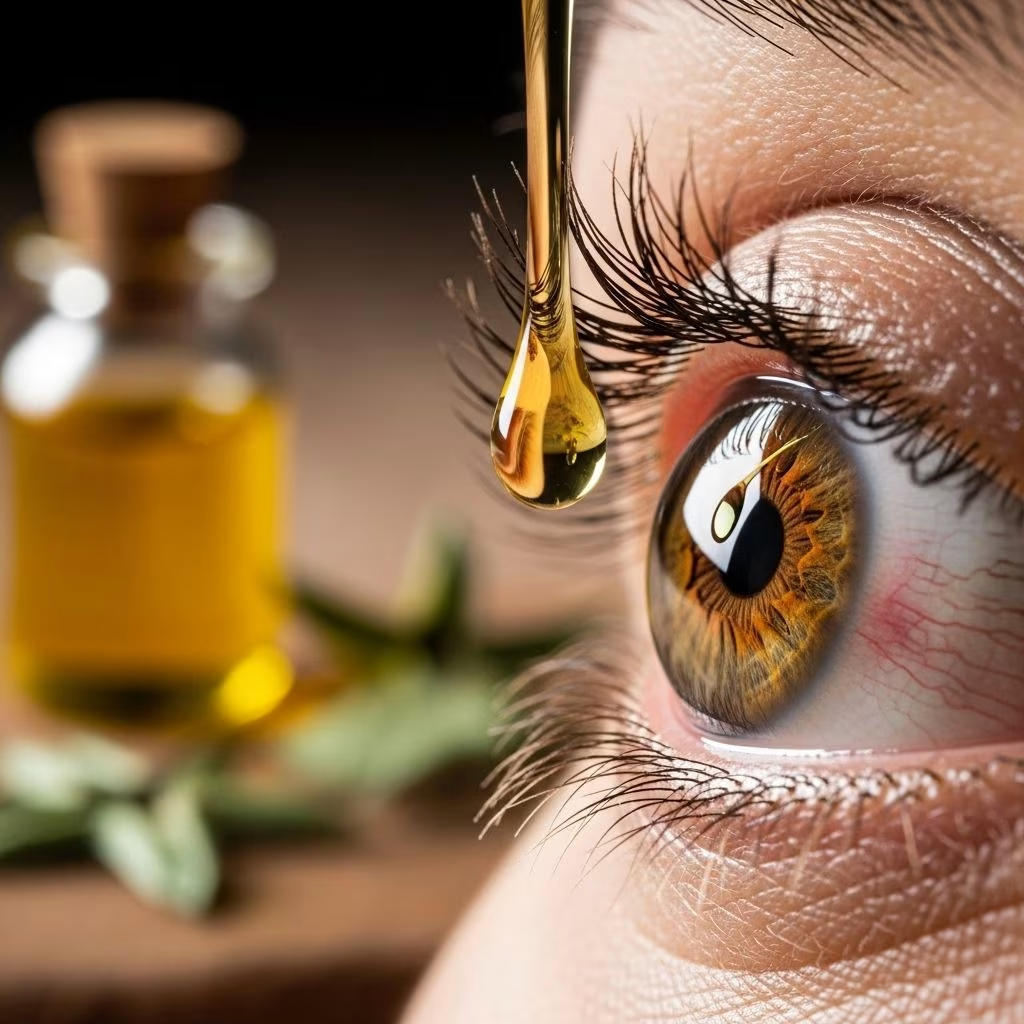
Natural Remedies for Dry Eyes: Castor Oil Insights
Dry eye syndrome affects millions and can have a significant impact on quality of life, causing discomfort, irritation, and even vision disturbances. As the quest for effective, affordable, and accessible remedies continues, natural approaches like castor oil are gaining renewed attention. In this in-depth guide, we explore the therapeutic potential of castor oil for dry eyes, its mechanisms of action, scientific research, optimal usage, safety considerations, and frequently asked questions.
Understanding Dry Eye Syndrome
Dry eye syndrome, medically known as keratoconjunctivitis sicca, arises when the eyes are unable to produce sufficient tears or when tear quality is poor, resulting in itchiness, burning, redness, sensitivity to light, and blurred vision.
Common causes include:
- Environmental factors (wind, dry climates, air conditioning)
- Prolonged digital device use
- Aging
- Certain medications (such as antihistamines or antidepressants)
- Medical conditions (autoimmune diseases, diabetes)
Chronic dry eyes can cause friction and damage to the ocular surface if left unmanaged, highlighting the importance of sustainable eye lubrication strategies.
The Role of Natural Remedies in Eye Care
Traditional treatments for dry eyes, such as over-the-counter artificial tears and prescription medications, play an important role but may not always deliver lasting relief. This has led many to explore natural and complementary remedies like dietary changes, warm compresses, and topical oils. Of these, castor oil has emerged as a promising candidate due to its unique composition and wide-ranging therapeutic properties.
What is Castor Oil?
Castor oil is a vegetable oil derived from the seeds of the Ricinus communis plant, native to India, South America, and Africa.
For centuries, it’s been used for a variety of medicinal and industrial purposes. In the context of eye health, castor oil is prized for its:
- Rich content of ricinoleic acid, an omega-9 fatty acid with anti-inflammatory, emollient, and moisturizing properties
- High viscosity, creating a lasting lubricating barrier on the ocular surface
- Antimicrobial and antioxidant effects, supporting the health of the eyelids and tear film
India remains the world’s top producer of castor oil, accounting for over 90% of exports worldwide, and pharmaceutical-grade castor oil is incorporated in various medical and ophthalmological formulations.
How Does Castor Oil Benefit Dry Eyes?
Castor oil’s benefits in dry eye management arise from its dual action on the tear film’s lipid layer and its anti-inflammatory effects:
- Stabilizing tear film: It prevents rapid evaporation of the water component of tears by thickening the lipid (oil) layer of the ocular surface, leading to prolonged moisture retention.
- Moisturizing effect: As an emollient, castor oil soothes irritation and helps maintain comfort by forming a protective barrier.
- Anti-inflammatory and antimicrobial actions: Reduces eyelid inflammation (such as in blepharitis and meibomian gland dysfunction), decreases microbial load, and supports healing.
- Lasting relief: Unlike water-based drops, castor oil can linger on the ocular surface for up to 4 hours, providing longer-lasting lubrication.
| Benefit | How Castor Oil Supports Eye Health |
|---|---|
| Reduced tear evaporation | Thickens the tear film lipid layer, decreasing water loss |
| Improved tear stability | Enhances overall quality and persistence of tear film |
| Mitigation of eyelid inflammation | Soothes inflamed eyelids and meibomian gland dysfunction |
| Lasting relief | Maintains lubrication for hours, reducing frequency of application |
Scientific Evidence and Clinical Insights
Recent studies echo what natural healers have long recognized—castor oil can play a valuable role in dry eye management:
- Pilot Trials: New Zealand researchers conducted a study where participants applied castor oil to their eyelids for four weeks, resulting in significant overall improvement in dry eye symptoms and eyelid health.
- Tear Film Research: Reviews have found that castor oil, as a component in artificial tears, increases the thickness of the eye’s lipid barrier, reducing evaporation and discomfort.
- Blepharitis and Meibomian Gland Dysfunction: Castor oil has demonstrated effectiveness in managing eyelid inflammation and associated gland dysfunction, key contributors to chronic dry eyes.
- Durability: Studies confirm that the effects of castor oil can last significantly longer than water-based solutions, providing sustained relief.
These positive outcomes have led eye health professionals to increasingly recommend castor oil-containing eye drops or topical formulations, particularly for those seeking natural, long-lasting alternatives to standard treatments.
How to Use Castor Oil for Dry Eyes
There are two primary ways to utilize castor oil for dry eye relief:
1. Pharmaceutical Eye Drops Containing Castor Oil
- Many commercial artificial tear products now include castor oil as an ingredient, typically in emulsion form (a mix of water and oil), which must be shaken before use.
- These are the safest options as they are sterile, preservative-free, and specifically designed for ocular application.
- Follow package directions regarding dosage and frequency. Typical use is 1–2 drops, up to 4 times daily.
2. Topical Eyelid Application
- Some studies have explored applying pharmaceutical-grade castor oil directly to the upper and lower eyelids using a clean cotton swab.
- This method targets the meibomian glands and is generally performed once at night, allowing the oil to penetrate overnight.
- Avoid getting unsterilized or cosmetic-grade castor oil directly into the eye, as this can introduce contaminants.
General Application Steps for Eye Drops
- Wash your hands thoroughly.
- Shake the eye drop emulsion well if directed.
- Carefully remove the cap without touching the dropper tip to prevent contamination.
- Tilt your head back and gently pull your lower eyelid down to create a pocket.
- Hold the bottle above the eye and squeeze out one drop into the pocket.
- Close your eyes gently and let the drop spread across the surface.
- Press gently on the inner corner of the eye (near the nose) for a minute to reduce drainage through the tear duct.
- Replace the cap securely and wash your hands again.
Consistency is key—use as directed to maintain relief. Consult an eye care specialist if symptoms persist.
Precautions and Safety Tips
While castor oil is generally safe when used as directed, it’s crucial to observe these safety guidelines:
- Choose only sterile, pharmaceutical-grade products intended for eye use. Never use cosmetic castor oil in or near the eyes.
- Check for allergies: Discontinue use and consult a physician if you experience red eyes, itching, swelling, blurry vision, dizziness, or sudden difficulty breathing.
- Do not self-medicate prolonged symptoms: Chronic dry eyes may signal underlying medical issues such as autoimmune conditions.
- Consult an ophthalmologist: Before starting any new regimen, especially if you have existing eye disease, wear contact lenses, or use other eye medications.
- Do not share eyedrop bottles: Avoid contamination and risk of transmitting eye infections.
- Follow storage directions: Keep drops sealed and stored properly to maintain sterility and effectiveness.
Other Natural and Medical Remedies for Dry Eyes
In addition to castor oil, the following practices can help alleviate dry eye symptoms:
- Use warm compresses to soften meibomian gland secretions
- Take regular breaks when using screens to reduce eye strain
- Stay hydrated and maintain a balanced diet rich in omega-3 fatty acids
- Use a humidifier to add moisture to indoor air
- Limit exposure to smoke and dry, windy environments
- Wear wraparound sunglasses outdoors to reduce evaporation
Medical options include prescription anti-inflammatory drops, punctal plugs, or procedures to improve gland function as recommended by your doctor.
Frequently Asked Questions (FAQs)
How does castor oil improve dry eyes?
Castor oil thickens the lipid layer of the tear film, reducing evaporation of moisture from the eyes and stabilizing overall tear quality. It also soothes inflammation, particularly in cases of blepharitis and meibomian gland dysfunction.
Is it safe to put pure castor oil directly in my eyes?
No. Only use sterile, pharmaceutical-grade products formulated for ophthalmic use. Using non-sterile or cosmetic-grade castor oil can introduce contaminants and cause irritation or infection.
How long does it take for castor oil to work?
Some people notice improvement within days, while lasting relief is often observed after consistent use over two to four weeks.
Can I use castor oil if I wear contact lenses?
Consult your eye doctor first. Most castor oil eye drops are not designed for use with contacts and may affect lens clarity.
What side effects should I watch for?
Common side effects are rare but may include temporary blurring, redness, itching, or swelling. Severe reactions (such as difficulty breathing) are medical emergencies; discontinue use and seek help immediately.
Can children and pregnant women use castor oil eye drops?
There is limited safety data for these populations. Seek advice from a healthcare professional before use.
How does castor oil compare with other natural remedies?
Castor oil projects its primary benefits through long-lasting lipid layer stabilization and anti-inflammatory effect, which sets it apart from some water-based or herbal remedies that may provide only short-term relief.
Summary: Castor Oil as a Natural Remedy for Dry Eyes
Castor oil offers a science-supported, safe, and affordable natural remedy for dry eye syndrome when used as part of a sterile, pharmaceutical-grade product. By supporting the tear film, moisturizing the ocular surface, and reducing inflammation, it can help restore eye comfort for many sufferers. Always consult with your eye care professional to ensure personalized, safe, and effective treatment.
References
- https://www.healthline.com/health/castor-oil-for-dry-eyes
- https://www.medicalnewstoday.com/articles/castor-oil-potential-natural-treatment-dry-eye-disease
- https://www.webmd.com/eye-health/health-benefits-of-castor-oil-eye-drops
- https://www.youtube.com/watch?v=RuvyCYpVOvM
- https://www.ophthalmologytimes.com/view/ophthalmologists-castor-oil-shouldn-t-be-rubbed-in-the-eyes-no-matter-what-they-do-on-tiktok
- https://pubmed.ncbi.nlm.nih.gov/33037703/
- https://www.mayoclinic.org/diseases-conditions/dry-eyes/diagnosis-treatment/drc-20371869
- https://www.optometricmanagement.com/issues/2024/julyaugust/castor-oils-use-as-a-dry-eye-treatment-what-to-tell-patients/


