


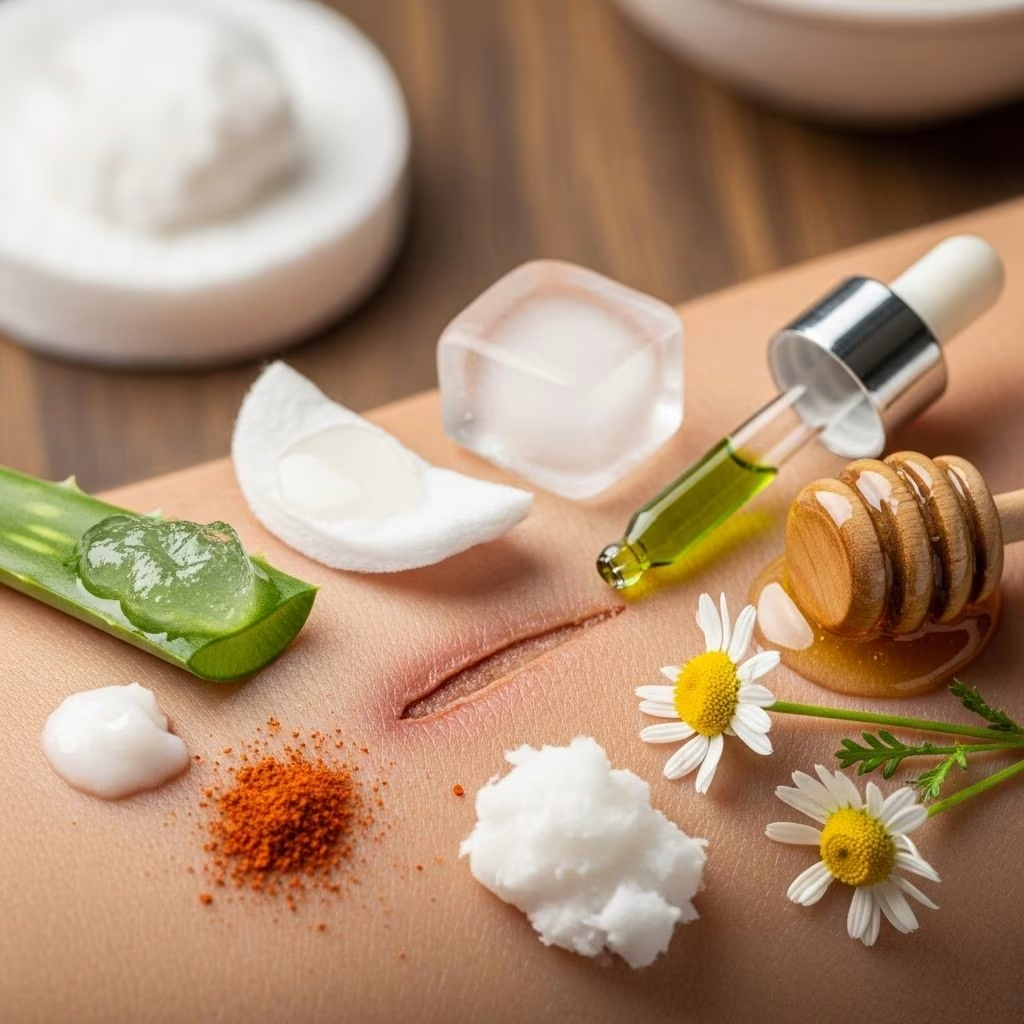
9 Effective Home Remedies for Shaving Nicks and Cuts
Shaving is a regular part of many people’s grooming routines, but even the most careful techniques can’t guarantee a nick-free experience. Whether you’re using the sharpest razor or following every precaution, minor cuts and nicks are almost inevitable. Luckily, there are practical and reliable remedies for treating these bothersome shaving injuries — most of which can be found right at home. In this guide, we cover nine proven home remedies for shaving nicks and cuts, why they work, how to use them, and tips for preventing future mishaps.
Why Do Shaving Nicks and Cuts Occur?
Shaving nicks and cuts most commonly occur due to:
- Dull or dirty razor blades that drag across the skin, increasing the risk of injury.
- Improper shaving technique, such as applying too much pressure or shaving against the grain.
- Insufficient skin preparation, including not softening the hair or missing lubricant application.
- Using the wrong shaving products for your skin type.
Fortunately, most shaving-related cuts are minor and respond well to simple home treatments.
Top 9 Home Remedies for Shaving Nicks and Cuts
1. Hot Water or Hot Compress
How it works: Applying hot water directly to a shaving cut stimulates cauterization — a natural sealing process. Heat causes blood vessels to contract and helps clot formation, stopping bleeding quickly.
- Run warm to hot water over the cut for several seconds.
- Alternatively, press a clean hot cloth or compress gently against the wound.
This method is the simplest and often highly effective for minor bleeding.
2. Cold Water or Ice Compress
How it works: Cold constricts blood vessels, reducing bleeding, swelling, and the risk of further irritation. It’s also a useful initial step for cleaning out the wound.
- Splash cold water over your face or the affected area.
- Hold an ice cube wrapped in cloth on the cut for up to a minute.
Cold treatment slows down blood flow, helping the skin to heal swiftly.
3. Petroleum Jelly (Vaseline) or Lip Balm
How it works: Petroleum jelly forms a protective barrier over the wound, preventing further bleeding and contamination. Lip balm can serve a similar purpose.
- Apply a thin layer of petroleum jelly or lip balm onto the nick using a clean cotton swab.
- This seals the skin and supports clotting.
It’s important to use a clean applicator to avoid introducing bacteria into the wound.
4. Witch Hazel
How it works: Witch hazel is a natural astringent derived from the witch hazel bush. Applied topically, it constricts blood vessels and reduces inflammation, stopping bleeding and soothing the skin.
- Dab witch hazel onto the cut with a cotton pad after shaving.
- Can also help prevent razor burn and calm skin irritation.
Witch hazel is available at most drugstores and is a staple in many natural medicine cabinets.
5. Sugar (and Alternatives: Salt, Pepper, Cayenne)
How it works: Sugar acts as a natural disinfectant and helps clot blood over small wounds. Salt, pepper, and cayenne have similar properties but may sting when applied.
- Apply a tiny pinch of sugar directly onto the nick.
- Allow the wound to close and rinse gently afterwards.
Sugar is often preferred for its mild effect, but alternatives exist in a pinch (expect some discomfort if using salt, pepper, or cayenne).
6. Eye Drops
How it works: Eye drops (especially those meant to reduce redness) contain vasoconstrictors that shrink blood vessels, halting bleeding with minimal irritation.
- Place a few drops of redness-reducing eye drops onto the shaving nick.
- Wait a few moments for blood vessels to constrict and the bleeding to stop.
This remedy offers a fast and convenient fix for minor cuts.
7. Mouthwash
How it works: Mouthwash was originally developed as a surgical antiseptic, and its astringent properties still make it ideal for treating small wounds. Most mouthwashes contain alcohol, which kills bacteria and contracts tissues, stopping the bleed.
- Soak a cotton swab in mouthwash and dab onto the cut.
- Expect a mild tingling or stinging sensation.
Mouthwash disinfects while helping the wound to close rapidly.
8. Deodorant (Containing Aluminum Chloride)
How it works: Deodorants and antiperspirants containing aluminum chloride constrict blood vessels and promote clotting.
- Check ingredient list for aluminum chloride.
- Apply a small amount on a cotton swab and gently press onto the nick.
This method is best for those with sensitive skin — always use a clean applicator.
9. Styptic Pencil or Alum Block
How it works: These are classic barbershop solutions. Styptic pencils and alum blocks contain potassium alum, an astringent that contracts tissue and blood vessels, instantly stopping minor shaving cuts and soothing skin.
- Wet the tip of the styptic pencil or alum block and press gently to the cut for a few seconds.
- Rinse after bleeding stops.
Widely available and very effective, these tools should be part of any shaving kit.
Comparing Key Remedies: Pros and Cons
| Remedy | Speed of Relief | Disinfects | Availability | Possible Stinging |
|---|---|---|---|---|
| Hot Water/Compress | Fast | No | High | No |
| Cold Water/Ice | Fast | No | High | No |
| Petroleum Jelly/Lip Balm | Medium | No | High | No |
| Witch Hazel | Fast | Yes | Medium | Light |
| Sugar | Medium | Yes | High | No |
| Eye Drops | Fast | No | Medium | No |
| Mouthwash | Fast | Yes | High | Light |
| Deodorant (Aluminum Chloride) | Medium | No | Medium | Light |
| Styptic Pencil/Alum Block | Very Fast | Yes | Medium | Light |
Additional Tips: Preventing Shaving Nicks and Cuts
The best remedy is prevention. By practicing smart shaving habits, you can dramatically reduce the risk of nicks and cuts:
- Wet your skin and hair thoroughly before shaving to soften them.
- Use a high-quality shaving cream or gel to create a protective lather and minimize friction.
- Shave in the direction of hair growth, not against it.
- Replace dull razors regularly — don’t wait until you feel tugging.
- Rinse your razor after every few strokes to keep it clear of debris.
- Moisturize your skin after shaving for enhanced healing and to minimize irritation or razor burn.
Choosing the right products and getting into a routine will help keep your skin irritation-free and smooth.
When Should You Seek Medical Attention?
Most shaving nicks and cuts are superficial and heal with simple home care. However, contact a healthcare professional if:
- The cut is deep or gaping and bleeding does not stop after 10 minutes of direct pressure.
- You suspect infection: signs include persistent redness, swelling, pus, or heat around the area.
- You are unable to clean the wound thoroughly or if a foreign object remains inside.
Serious or stubborn injuries may require prescription topical antibiotics or stitches.
Frequently Asked Questions (FAQs)
Q: Are these remedies safe for sensitive skin?
A: Yes, most remedies like cold water, petroleum jelly, and witch hazel are gentle and safe. Avoid mouthwash and deodorant with strong chemicals if your skin is highly sensitive. Always patch-test new remedies if you are prone to allergic reactions.
Q: How long does it take for a shaving cut to heal?
A: Most minor shaving cuts heal within 24–72 hours when properly treated. Deep or infected cuts may take longer; keeping the area clean and applying a healing ointment speeds up recovery.
Q: Should I use antibiotic ointment?
A: Over-the-counter antibiotic ointments can be helpful for larger cuts or if infection risk is high. However, for small nicks, most home remedies alone suffice if the area is kept clean.
Q: Will these remedies help prevent scarring?
A: Prompt treatment, keeping the cut moist and protected, and avoiding picking or scratching are the best ways to minimize scarring from shaving cuts.
Q: Can I use these remedies for other minor skin cuts?
A: Yes, most of these methods (except those with skin-specific ingredients like deodorant) are suitable for any minor skin wound. Always sanitize the area and use clean applicators.
Final Thoughts: Building a Better Shaving Routine
Every shaving routine has its occasional mishaps, but with the right remedies close at hand, nicks and cuts need not be a major concern. Knowing how to treat minor injuries quickly — and how to prevent them — will not only improve your daily grooming but help you maintain healthy, smooth skin for years to come. Stock your medicine cabinet with the essentials, practice smart shaving techniques, and approach each shave with confidence and care.
References
- https://www.annmariegianni.com/men-say-goodbye-to-nicks-cuts-and-overall-shaving-fatigue/
- https://www.youtube.com/watch?v=QW45lFN-x2M
- https://www.valetmag.com/the-handbook/grooming/shaving-nicks-fix.php
- https://www.youtube.com/watch?v=CVRRzVVvEt4
- https://www.gentlemansgazette.com/how-deal-nicks-cuts/
- https://beaubrummellformen.com/blogs/blog/how-to-deal-with-nicks-and-cuts-from-shaving
- https://www.nakedarmor.com/blogs/grown-man-shave-society-articles/how-to-stop-a-shaving-cut-nicks-from-bleeding


