


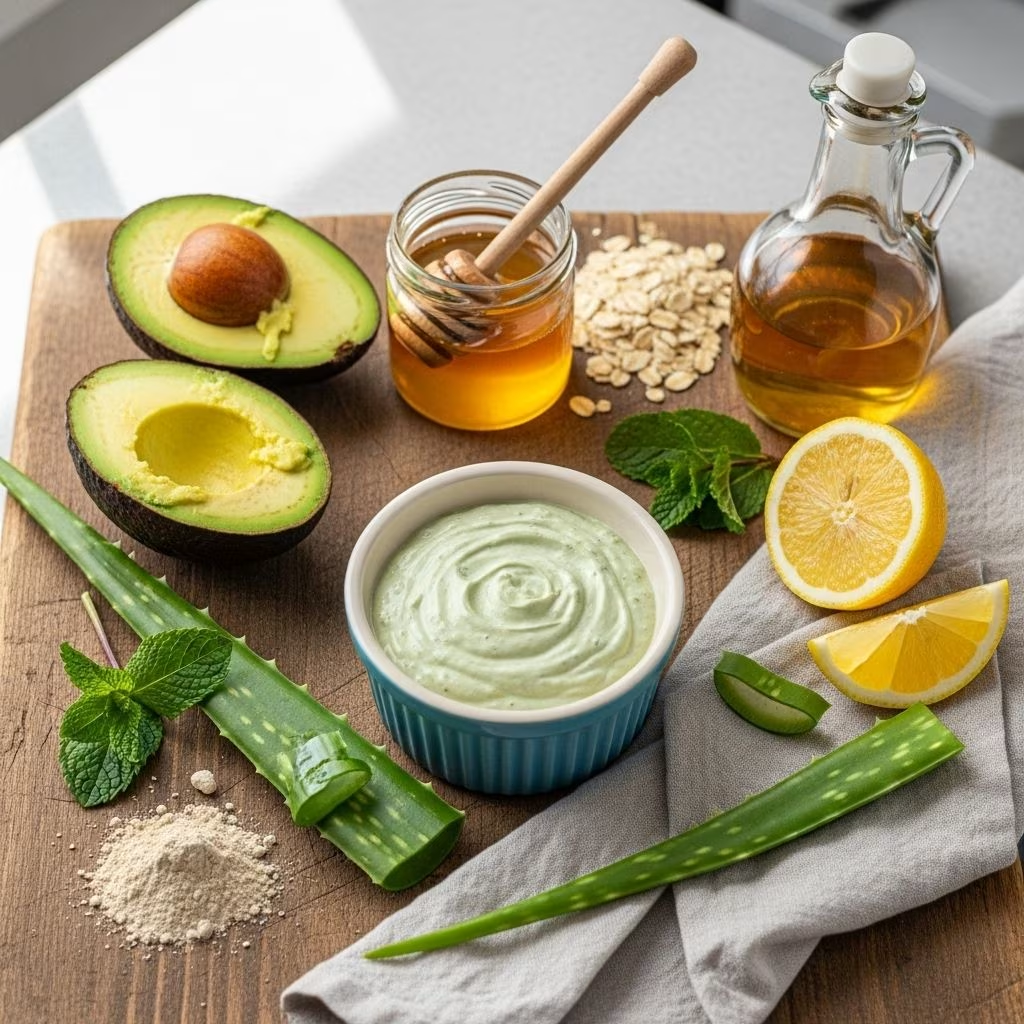
Homemade Face Packs for Acne: Natural Solutions for Clearer Skin
Acne is a widespread skin condition affecting millions, causing not just physical discomfort but also impacting confidence and self-esteem. While pharmaceutical and commercial products are readily available, a significant number of people prefer homemade, natural alternatives for their gentle effectiveness and low risk of side effects. This comprehensive guide explores the effectiveness of homemade face packs for acne, benefits of natural treatments, recipes to try, essential usage tips, and ongoing skin care recommendations.
The Benefits of Homemade Face Packs for Acne
Homemade face packs, using natural ingredients such as aloe vera, honey, and turmeric, offer numerous advantages compared to conventional acne treatments:
- Gentle on the skin: Unlike many commercial products that contain harsh chemicals, homemade packs are less likely to cause irritation, dryness, or adverse reactions.
- Cost-effective: Most recipes use ingredients commonly found in the kitchen, making these solutions affordable and accessible.
- Customizable formulations: Recipes can be tailored to your specific skin type and acne concerns, allowing you to avoid problematic ingredients.
- Natural and non-toxic: Homemade face packs avoid synthetic additives, artificial fragrances, and preservatives that can aggravate sensitive skin.
- Moisturising and healing properties: Ingredients such as honey and yoghurt provide hydration and help heal inflamed skin, instead of solely drying out pimples.
Common Ingredients for Homemade Face Packs for Acne
Acne-fighting DIY remedies rely on several well-established, natural ingredients with proven skin benefits:
| Ingredient | Primary Benefit | How it Works |
|---|---|---|
| Honey | Antibacterial, hydrating | Kills acne-causing bacteria, soothes inflammation |
| Aloe Vera | Soothing, healing | Reduces redness and irritation, promotes wound healing |
| Turmeric | Anti-inflammatory | Fights redness, calms breakouts |
| Tea Tree Oil | Antibacterial | Disrupts the growth of acne-causing microbes |
| Yogurt | Exfoliating, probiotic | Gently removes dead skin, balances skin microbiome |
| Coconut Oil | Moisturizing | Prevents dryness, maintains skin barrier |
| Neem | Antibacterial, purifying | Kills bacteria, soothes inflamed skin |
| Multani Mitti (Fuller’s Earth) | Oil-absorbing | Removes excess sebum and dirt |
These ingredients can be mixed in various combinations to enhance acne-fighting effects, while minimizing the risk of side effects often seen with synthetic or chemical-based products.
Homemade Face Pack Recipes for Acne
The following recipes target the key causes of acne—excess oil, bacteria, and inflammation—while also nourishing your skin:
1. Honey and Aloe Vera Face Pack
- Ingredients:
- 2 tablespoons honey
- 2 tablespoons aloe vera gel
- Method:
- Mix honey and aloe vera gel in a bowl until well combined.
- Apply evenly to the face, avoiding eye area.
- Leave on for 15–20 minutes.
- Rinse with lukewarm water and pat dry.
- Benefits: Honey fights acne-causing bacteria while aloe vera cools and repairs irritated skin.
2. Tea Tree Oil and Coconut Oil Face Pack
- Ingredients:
- 3–4 drops tea tree oil
- 1 teaspoon coconut oil
- Method:
- Mix tea tree and coconut oil thoroughly.
- Lightly dab onto acne-prone areas.
- Leave on for 15–20 minutes.
- Wash with lukewarm water.
- Benefits: Tea tree oil sterilizes pores; coconut oil hydrates and protects the skin barrier.
3. Turmeric and Yogurt Face Pack
- Ingredients:
- 1 teaspoon turmeric powder
- 2 tablespoons yogurt
- Method:
- Mix turmeric and yogurt until a smooth paste forms.
- Spread gently over the face, avoiding the eyes and mouth.
- Leave for 10–15 minutes.
- Rinse off and pat skin dry.
- Benefits: Turmeric reduces redness; yogurt’s lactic acid gently exfoliates and balances skin flora.
4. Neem and Multani Mitti Face Pack
- Ingredients:
- 1 tablespoon neem powder
- 2 tablespoons Multani Mitti (Fuller’s Earth)
- Rose water (as needed)
- Method:
- Combine neem powder and Multani Mitti with enough rose water to create a paste.
- Apply to clean skin.
- Rinse off after 10–15 minutes, before the pack dries completely.
- Benefits: Neem cleanses pores; Multani Mitti removes excess oil and soothes inflammation.
5. Turmeric and Honey Face Pack
- Ingredients:
- 1 teaspoon turmeric powder
- 1 tablespoon honey
- Method:
- Mix turmeric and honey until fully blended.
- Apply to problem areas or the entire face.
- Wash off after 10–15 minutes.
- Benefits: Combines antibacterial and anti-inflammatory actions for maximum effect.
6. Oatmeal and Yogurt Face Pack
- Ingredients:
- 2 tablespoons finely ground oatmeal
- 2 tablespoons yogurt
- Method:
- Mix oatmeal and yogurt to a thick paste.
- Massage gently onto skin using circular motions.
- Leave for 10 minutes and rinse with water.
- Benefits: Oatmeal gently exfoliates and soothes; yogurt hydrates and repairs.
7. Multani Mitti and Rose Water Face Pack
- Ingredients:
- 2 tablespoons Multani Mitti
- Enough rose water to form a paste
- Method:
- Blend Multani Mitti with rose water.
- Apply a thin layer on cleansed face.
- Remove with water just before the mask dries.
- Benefits: Controls excess oil and refreshes skin.
Tips for Using Homemade Face Packs for Acne
- Patch test first: Always test new recipes on a small area of skin to check for allergies or irritation.
- Use clean utensils: Make sure all bowls, spatulas, and brushes are sanitized to prevent introducing bacteria to your mixture.
- Start with clean skin: Wash your face thoroughly before applying any pack to maximize absorption and prevent dirt sealing into pores.
- Avoid sensitive areas: Stay clear of the eyes and mouth, where skin is more delicate.
- Do not overuse: Apply face packs 1–2 times per week; overuse can lead to dryness or irritation.
- Moisturize after use: Follow up with a lightweight, non-comedogenic moisturizer to maintain hydration.
- Monitor results: Track how your skin responds and adjust recipes or frequency as needed.
Long-term Acne Prevention and Skin Care Strategies
Homemade face packs can be part of a broader acne management routine, but are most effective when combined with overall skin hygiene and healthy lifestyle choices:
- Adopt a consistent skincare routine: Gentle cleansing and regular (but not excessive) exfoliation keep pores clean and prevent buildup of dead skin and oil.
- Choose non-comedogenic products: Make sure your moisturizers and sunscreens do not clog pores.
- Eat a balanced diet: Cut back on processed, sugary foods and include plenty of fruits, vegetables, and whole grains that support skin health.
- Stay hydrated: Proper hydration helps flush out toxins and keeps skin supple.
- Manage stress: High stress can trigger breakouts; adopt relaxation techniques such as yoga, meditation, or deep breathing.
- Avoid picking or squeezing pimples: This can worsen inflammation and lead to scarring.
Frequently Asked Questions (FAQs)
Are homemade face packs as effective as commercial acne treatments?
While they may not work as rapidly or aggressively as certain prescription medications, homemade face packs can play a significant role in reducing inflammation and bacteria, especially for mild to moderate acne. Their main advantages are being gentle, safe, and free from harsh chemicals.
Which natural ingredient is best for quick acne relief?
Tea tree oil is one of the most researched ingredients for its quick-acting antibacterial properties; turmeric and honey also offer fast soothing and anti-inflammatory effects.
How often should I apply a homemade face pack for acne?
Generally, 1–2 times per week is sufficient. Overuse can strip the skin of its natural oils and worsen irritation.
Can these packs help with acne scars?
Some ingredients, such as turmeric and honey, can lighten dark spots and aid skin repair over time, but results are gradual and vary by individual.
Is it safe to use these recipes on sensitive or combination skin?
Many recipes are suitable for sensitive skin when patch tested first. Always listen to your skin’s response and remove immediately if you experience discomfort or burning.
Which ingredients should I avoid if I have severe acne?
Oily or comedogenic (pore-clogging) bases such as coconut oil may worsen severe acne for some people. Always use light, non-comedogenic bases if you are prone to breakouts.
Conclusion
Homemade face packs for acne are a safe, effective, and affordable option for many individuals looking to reduce breakouts and support overall skin health. Harnessing the power of ingredients such as honey, aloe vera, tea tree oil, and turmeric, these packs can soothe irritation, fight bacteria, and provide long-term benefits for clearer, brighter skin. Consistency, personalization, and a comprehensive skincare routine are key to making the most out of these natural remedies.
References
- https://www.kamaayurveda.in/blog/face-pack-for-pimples
- https://www.healthline.com/health/homemade-face-masks
- https://www.youtube.com/watch?v=b3h50U0Zyto
- https://ask-ayurveda.com/articles/1177-what-is-the-best-homemade-face-mask-for-pimples-and-dark-spots
- https://www.apollo247.com/health-topics/acne-pimples-treatment/homemade-face-pack-for-acne
- https://www.medicalnewstoday.com/articles/315877
- https://smytten.com/blogs/skincare/7-diy-face-packs-for-pimples-and-dark-spots
- https://www.influennz.com/blog/homemade-face-masks-for-glowing-skin/


