


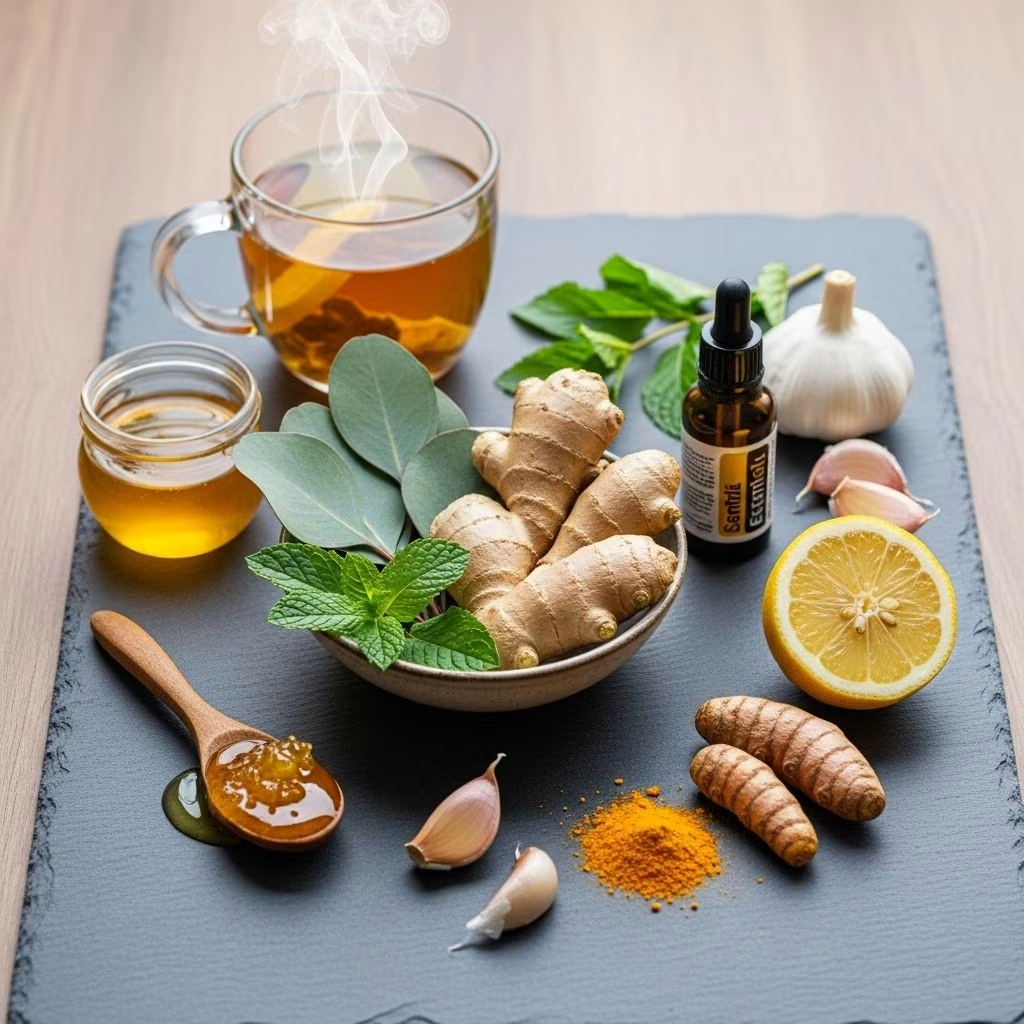
Sinus disorders affect millions of people worldwide, causing uncomfortable symptoms that can significantly impact daily life. While conventional medical treatments are available, many individuals seek natural remedies that offer relief without the side effects associated with pharmaceutical interventions. Understanding how to treat sinus disorders naturally can empower you to take control of your health and find lasting relief from persistent symptoms.
Sinusitis, or inflammation of the sinus cavities, manifests through various symptoms including facial pressure, headaches, nasal congestion, and difficulty breathing. These symptoms can range from mild discomfort to severe pain that interferes with work, sleep, and overall quality of life. The good news is that numerous natural remedies have proven effective in alleviating these symptoms and promoting healing without relying solely on antibiotics or surgical interventions.
Understanding Sinus Disorders
Sinus disorders occur when the tissue lining the sinuses becomes inflamed or infected, leading to blockages that prevent proper drainage. The sinuses are air-filled cavities located in the forehead, cheeks, and behind the nose. When functioning properly, these cavities produce mucus that drains naturally through the nasal passages. However, when inflammation occurs, mucus accumulates and creates an environment conducive to bacterial growth and infection.
Several factors contribute to sinus disorders, including viral infections, allergies, environmental irritants, and structural abnormalities in the nasal passages. Chronic sinusitis affects approximately 35 million Americans annually, making it one of the most common health complaints. Understanding the underlying causes helps determine the most effective natural treatment approach for your specific condition.
The Power of Hydration for Sinus Health
Proper hydration stands as one of the most fundamental yet powerful natural remedies for sinus disorders. Water serves as a natural solvent that thins mucus secretions, making them easier to drain and preventing the stagnation that leads to infection. When your body is adequately hydrated, mucus maintains a thin, flowing consistency that can move freely through the sinus cavities and nasal passages.
Drinking eight to ten glasses of water daily provides the foundation for healthy sinus function. The moisture helps keep nasal passages lubricated while preventing mucus from becoming thick and difficult to expel. Dehydration causes mucus to thicken significantly, creating blockages that trap bacteria and prolong infection. Beyond plain water, herbal teas offer additional benefits through their anti-inflammatory and immune-boosting properties.
Warm liquids prove particularly beneficial for sinus relief. Herbal teas such as chamomile, peppermint, and ginger not only provide hydration but also deliver therapeutic compounds that reduce inflammation and soothe irritated tissues. Clear broths and warm lemon water with honey offer similar benefits while providing additional nutrients that support immune function. Avoiding caffeinated beverages and alcohol is crucial, as these substances promote dehydration and can worsen sinus symptoms.
Steam Therapy: Nature’s Decongestant
Steam inhalation represents one of the most effective natural treatments for sinus congestion and inflammation. Warm water vapor naturally rises and penetrates blocked nasal passages, reaching deep into the sinus cavities where it works to thin mucus and promote drainage. The warmth of the steam also soothes inflamed tissues, reduces pain, and improves blood circulation to the affected areas, supporting the body’s natural healing processes.
Creating an effective steam treatment requires nothing more than hot water and a few minutes of your time. Boiling water and pouring it into a heat-safe bowl provides a simple yet powerful remedy. Leaning over the bowl with a towel draped over your head traps the rising steam, directing it into your nasal passages. Breathing deeply through the nose for ten to fifteen minutes allows the steam to work its magic, breaking through blockages and facilitating drainage.
Enhancing steam therapy with essential oils amplifies its therapeutic effects. Eucalyptus oil contains compounds with powerful decongestant and antimicrobial properties that help fight infection while opening airways. Peppermint oil provides similar benefits with its cooling, refreshing sensation that eases breathing. Tea tree oil offers antimicrobial action that combats the bacteria causing sinus infections. Adding just a few drops of these essential oils to your steam bowl creates a potent natural treatment that addresses multiple aspects of sinus disorders.
Alternative methods for steam therapy include spending extra time in a warm shower or bath, allowing the steam to naturally penetrate your nasal passages while you breathe deeply. Warm mist humidifiers provide a continuous source of moisture-rich air, particularly beneficial during sleep when sinus symptoms often worsen. These electronic devices offer a safer alternative to steam pots, eliminating concerns about handling hot liquids while delivering consistent therapeutic benefits throughout the night.
Nasal Irrigation for Sinus Cleansing
Nasal irrigation, also known as nasal rinsing or nasal flushing, involves using a saline solution to wash out the nasal passages and sinus cavities. This ancient practice, which has been used for centuries in Ayurvedic medicine, effectively removes mucus, allergens, bacteria, and other irritants that contribute to sinus inflammation and infection. Regular nasal irrigation can significantly reduce symptom severity and duration while preventing recurring infections.
The process works by physically flushing accumulated debris from the sinuses, restoring normal drainage patterns and reducing inflammation. A neti pot, which resembles a small teapot, provides the traditional tool for nasal irrigation. Filling the pot with a warm saline solution and gently pouring it through one nostril while tilting your head allows the liquid to flow through the nasal cavity and exit through the other nostril, carrying away mucus and irritants.
Preparing the saline solution correctly ensures both safety and effectiveness. Using distilled, sterile, or previously boiled water prevents introducing harmful bacteria or contaminants into your sinuses. Mixing one-quarter to one-half teaspoon of non-iodized salt with eight ounces of water creates the proper concentration. Some people add a pinch of baking soda to buffer the solution and reduce any stinging sensation. Pre-packaged saline rinse packets eliminate guesswork and ensure consistent results.
Performing nasal irrigation two to three times daily during active sinus infections provides optimal relief. Once symptoms improve, continuing the practice once daily helps prevent recurrence by maintaining clear sinus passages. Nasal saline sprays offer a more convenient alternative for those uncomfortable with the neti pot technique, though they may not provide the same thorough cleansing effect.
Herbal Remedies for Sinus Support
Nature provides numerous herbs and botanicals with powerful anti-inflammatory, antimicrobial, and immune-boosting properties that specifically target sinus disorders. These plant-based remedies work synergistically with your body’s natural healing mechanisms, offering relief without the side effects associated with synthetic medications. Incorporating specific herbs into your treatment regimen can accelerate recovery and prevent future infections.
Ginger stands out as a remarkable natural anti-inflammatory that reduces swelling in the sinus tissues while promoting drainage. Brewing fresh ginger tea several times daily delivers therapeutic compounds directly to inflamed tissues. The warming properties of ginger also improve circulation, supporting the immune response and accelerating healing. Adding honey and lemon enhances both the flavor and therapeutic benefits of this powerful remedy.
Echinacea has earned recognition for its immune-boosting capabilities, helping the body fight off the viral or bacterial infections that cause sinusitis. Taking echinacea supplements at the first sign of symptoms can reduce both the severity and duration of sinus infections. This herb stimulates white blood cell production and enhances the body’s natural defense mechanisms against pathogens.
Goldenseal exhibits potent antimicrobial properties that directly combat the bacteria responsible for sinus infections. The herb contains berberine, a compound that inhibits bacterial growth and reduces inflammation. Goldenseal supplements or teas provide effective support for acute sinus infections, though extended use should be avoided without professional guidance.
Elderberry offers rich antioxidant content that reduces inflammation while supporting immune function. Studies have demonstrated elderberry’s effectiveness against viral infections, making it particularly valuable for sinusitis triggered by colds or flu. Elderberry syrup provides a pleasant-tasting option that both children and adults readily accept.
Oil of Oregano contains carvacrol and thymol, powerful compounds with antibacterial and antifungal properties. Placing a few drops of oregano oil under the tongue twice daily or adding it to steam inhalation treatments delivers concentrated therapeutic benefits directly to affected tissues. The strong flavor may be challenging for some individuals, but its effectiveness makes it worthwhile for many sinus sufferers.
Nutritional Strategies for Sinus Health
What you eat significantly impacts your body’s ability to fight sinus infections and maintain healthy sinus function. Certain foods promote inflammation and mucus production, while others provide nutrients that support immune function and reduce swelling. Making strategic dietary choices can complement other natural remedies and accelerate healing.
Vitamin C serves as a natural antioxidant that strengthens immune function and helps fight infections. Consuming foods rich in vitamin C, including citrus fruits, berries, bell peppers, and leafy greens, provides steady support for your body’s defense mechanisms. Supplementing with vitamin C during active infections can boost your immune response and potentially shorten the duration of symptoms.
The relationship between dairy consumption and sinus problems remains somewhat controversial, but many individuals report improvement after eliminating dairy products from their diet. Casein and whey proteins in milk, cheese, and yogurt may trigger excess mucus production in susceptible individuals, exacerbating congestion and prolonging infections. Experimenting with dairy elimination for a few weeks can reveal whether these foods contribute to your sinus problems.
Anti-inflammatory foods help reduce the swelling that causes sinus pressure and pain. Incorporating foods rich in omega-3 fatty acids, such as fatty fish, walnuts, and flaxseeds, provides natural compounds that combat inflammation throughout the body. Turmeric, with its active compound curcumin, offers powerful anti-inflammatory effects when consumed regularly. Adding turmeric to cooking or taking curcumin supplements supports overall sinus health.
Physical Therapies and Practices
Beyond dietary and herbal approaches, certain physical practices and therapies provide significant relief from sinus disorders. These techniques work by improving circulation, promoting drainage, and reducing inflammation through gentle, natural means.
Warm Compresses applied to the face provide immediate soothing relief for sinus pain and pressure. Soaking a clean cloth in warm water, wringing out excess moisture, and placing it over the forehead, cheeks, and bridge of the nose helps relax tense muscles and improve blood flow to inflamed tissues. The warmth encourages drainage while reducing discomfort, making this simple technique particularly valuable for acute symptom relief.
Facial Massage techniques specifically designed for sinus drainage can help move trapped mucus and reduce congestion. Using gentle circular motions with your fingertips, massage the areas around your eyebrows, the sides of your nose, and your cheekbones. This massage stimulates circulation and encourages natural drainage, providing relief from pressure and fullness.
Yoga Poses that involve gentle inversions can help drain congested sinuses naturally. Poses such as downward-facing dog, supported bridge, and child’s pose position your head below your heart, using gravity to promote drainage. These poses also improve overall circulation and reduce stress, supporting your body’s natural healing capabilities. Practicing these poses for several minutes daily can significantly reduce sinus congestion.
Lifestyle Modifications for Sinus Health
Long-term sinus health requires attention to environmental factors and lifestyle habits that influence sinus function. Making strategic modifications to your daily routine and living environment can prevent recurring infections and reduce symptom severity.
Humidity Control plays a crucial role in maintaining healthy sinuses. Dry air dries out nasal passages, making them more susceptible to infection and inflammation. Using a humidifier to maintain indoor humidity between 30 and 50 percent keeps mucous membranes moist and functioning properly. Clean your humidifier regularly to prevent mold and bacteria growth that could worsen sinus problems.
Air Quality significantly impacts sinus health, with pollutants, allergens, and irritants triggering inflammation and congestion. Using HEPA air filters removes airborne particles that aggravate sinuses. Avoiding cigarette smoke, strong perfumes, and chemical fumes reduces exposure to irritants that provoke symptoms. Regular dusting and vacuuming minimizes allergen accumulation in your living spaces.
Sleep Position affects sinus drainage during the night when symptoms often worsen. Elevating your head with extra pillows promotes drainage and reduces congestion. Sleeping on your back rather than your stomach or side can also improve nighttime breathing and reduce morning sinus pressure.
Stress Management supports immune function and reduces inflammation throughout the body. Chronic stress weakens your immune system, making you more susceptible to infections. Practicing relaxation techniques such as meditation, deep breathing exercises, or gentle yoga helps manage stress while supporting your body’s natural healing processes. Adequate rest and quality sleep provide essential support for immune function during recovery from sinus infections.
When to Seek Medical Attention
While natural remedies effectively treat many cases of sinusitis, certain situations require professional medical evaluation. Understanding when to seek help ensures you receive appropriate care for more serious conditions.
Symptoms persisting beyond ten days without improvement suggest the need for medical assessment. High fever exceeding 102°F (38.9°C), severe headache, vision changes, or facial swelling indicate potentially serious complications requiring immediate attention. If you experience multiple sinus infections within a year, consulting an ear, nose, and throat specialist can help identify underlying causes and develop an effective long-term treatment strategy.
Individuals with compromised immune systems, chronic health conditions, or structural abnormalities in the nasal passages may require medical treatment alongside natural remedies. Your healthcare provider can determine whether antibiotics, prescription medications, or surgical interventions are necessary for your specific situation.
Frequently Asked Questions
Q: How long does it take for natural remedies to work for sinus infections?
A: Most people experience noticeable improvement within 3-5 days of consistently using natural remedies. Complete resolution typically occurs within 7-10 days. If symptoms persist beyond two weeks, consult a healthcare provider.
Q: Can I use essential oils directly in my nose for sinus relief?
A: No, essential oils should never be applied directly inside the nasal passages as they can irritate delicate tissues. Instead, add them to steam inhalation treatments or diffuse them in the air for safe therapeutic benefits.
Q: Is it safe to perform nasal irrigation daily?
A: Yes, daily nasal irrigation is safe and beneficial for most people. However, always use distilled, sterile, or previously boiled water to prevent introducing harmful bacteria into your sinuses.
Q: Should I avoid exercise when I have a sinus infection?
A: Light exercise is generally fine and may even help with drainage, but avoid strenuous activities that can worsen symptoms. Listen to your body and rest when needed to support healing.
Q: Can children use these natural remedies for sinus problems?
A: Many natural remedies are safe for children, including steam therapy, hydration, and saline rinses. However, consult a pediatrician before using herbal supplements or essential oils with children, as dosages and safety considerations differ from adults.
Q: Why do my sinus infections keep coming back?
A: Recurring sinus infections may result from allergies, structural abnormalities, weakened immune function, or environmental factors. Identifying and addressing underlying causes with help from a healthcare provider is essential for preventing future episodes.
Q: Can natural remedies completely replace antibiotics for sinus infections?
A: Natural remedies effectively treat many viral and mild bacterial sinus infections. However, severe bacterial infections may require antibiotics. Work with your healthcare provider to determine the most appropriate treatment for your specific situation.
References
- https://newsnetwork.mayoclinic.org/discussion/home-remedies-self-help-for-sinusitis/
- https://www.sinusandallergywellnesscenter.com/blog/natural-remedies-for-sinus-infection-relief-what-works-and-what-doesnt
- https://www.healthline.com/health/how-to-get-rid-of-sinus-infection
- https://www.ct-ent.com/blog/natural-home-remedies-for-sinus-infections
- https://www.dallasbreathefree.com/post/natural-home-remedies-for-sinus-infections
- https://www.otolaryn.com/blog/natural-remedies-for-sinus-infections/
- https://www.unitypoint.org/news-and-articles/5-best-ways-to-treat-a-sinus-infection
- https://my.clevelandclinic.org/health/symptoms/24690-sinus-pressure
- https://www.urgiclinic.com/natural-remedies-for-sinus-infection-when-to-visit-urgent-care


