


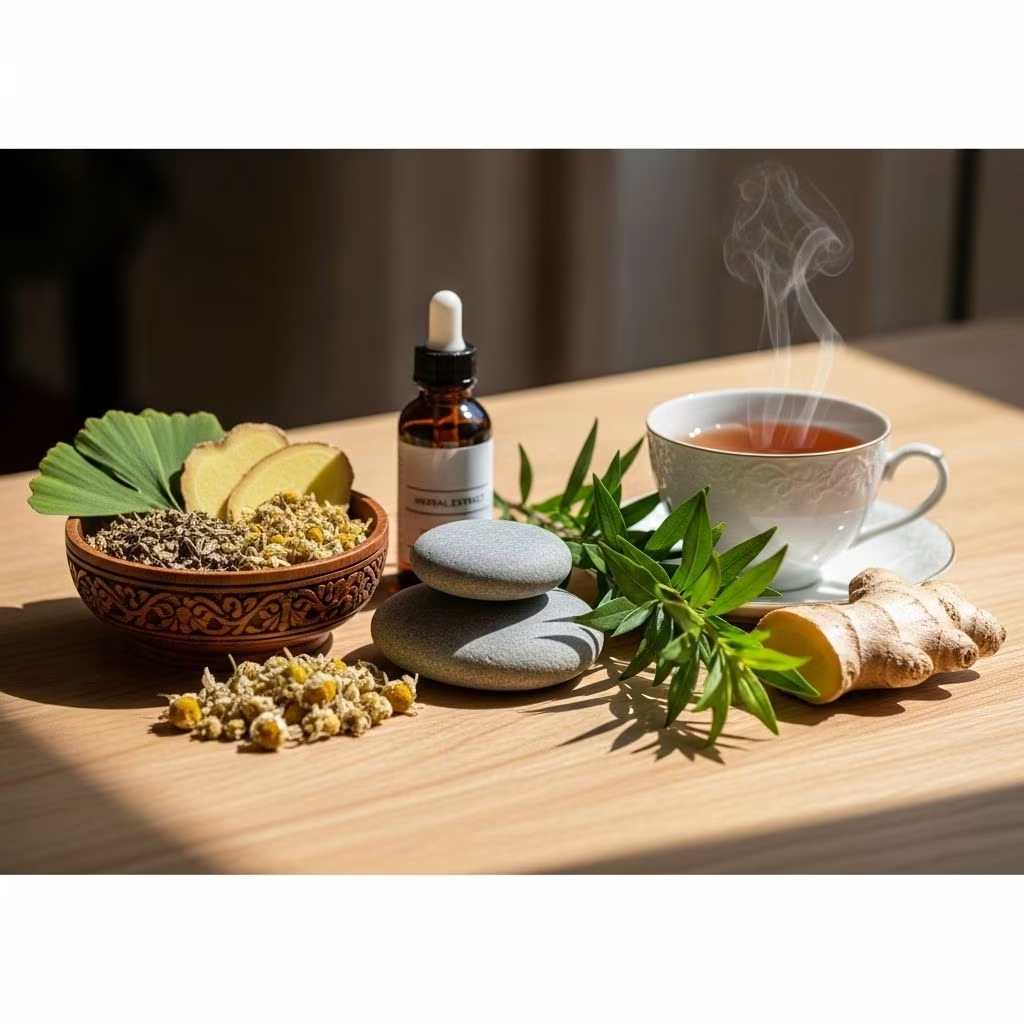
5 Natural Remedies for Meniere’s Disease
Meniere’s disease is a chronic and often disruptive disorder of the inner ear, characterized by recurrent episodes of vertigo, hearing loss, tinnitus (ringing in the ears), and a feeling of pressure or fullness in the ear. While conventional medical interventions are sometimes necessary, many individuals seek safe and natural approaches to help manage their symptoms. In this article, we explore five of the most effective natural remedies for Meniere’s disease, discuss supporting lifestyle changes, and examine holistic approaches that can be integrated alongside standard treatments.
Understanding Meniere’s Disease
Meniere’s disease is believed to arise from abnormal fluid dynamics in the inner ear, resulting in the characteristic symptoms that can severely affect daily life. While the precise cause remains unclear, factors such as genetics, autoimmune responses, allergies, and vascular issues might all play a role. Since there is no definitive cure, symptom management is central to improving quality of life for those affected.
1. Adopting a Low-Sodium Diet
A key natural strategy for managing Meniere’s disease involves reducing dietary sodium intake. Excess dietary salt can promote fluid retention, potentially increasing pressure within the inner ear and exacerbating symptoms such as vertigo and tinnitus.
- Why Sodium Matters: The logic behind sodium restriction is based on the theory that Meniere’s involves fluid buildup in the inner ear. Since dietary salt affects water retention and fluid distribution, a low-sodium diet may reduce pressure and the frequency of dizzy spells.
- Implementation Tips: Limit daily sodium intake to less than 1500mg. Avoid processed foods, fast food, and canned soups, which often contain high levels of sodium. Opt for fresh produce, unprocessed meats, and homemade meals. Use herbs and spices (like garlic powder, onion powder, or fresh herbs) instead of salt for flavor.
- Scientific Support: Clinical guidelines and patient advice generally encourage sodium reduction for Meniere’s, although results vary by individual. Some studies recommend keeping sodium under 2000mg daily for optimal benefit.
While a low-sodium diet isn’t a cure, it’s a widely adopted first-line strategy and offers benefits for cardiovascular health as well.
2. Stress Reduction Techniques
Emotional stress can worsen Meniere’s symptoms and trigger episodes. Managing stress is therefore a powerful tool in holistic symptom control.
- Mind-Body Practices: Regular practice of deep breathing, yoga, tai chi, or meditation can help lower cortisol levels and promote a sense of calm.
- Routine and Rest: Establish healthy sleep habits and a consistent daily routine to support the nervous system and minimize symptom flare-ups.
- Cognitive Tools: Techniques such as progressive muscle relaxation, mindful journaling, or guided visualization may be beneficial during times of high stress.
Managing emotional well-being not only helps reduce Meniere’s episodes but can also enhance resilience and quality of life.
3. Removing Common Dietary Triggers
Beyond sodium, other dietary triggers like caffeine and alcohol can aggravate Meniere’s symptoms in many people:
- Caffeine: Found in coffee, tea, and many sodas and energy drinks, caffeine may increase tinnitus or dizziness for some individuals. Try switching to caffeine-free beverages and herbal teas.
- Alcohol: Alcoholic drinks can contribute to dehydration, changing fluid balance in the body. White wine and clear spirits often contain fewer additives, but complete avoidance may yield the best results.
- Other Dietary Considerations: Some people find symptom improvement after reducing their intake of sugar, processed foods, and artificial sweeteners.
Tracking your food and beverage intake in a journal can help identify personal dietary triggers.
4. Vestibular Rehabilitation and Balance Exercises
Meniere’s disease often leads to problems with balance and an increased risk of falls. Vestibular rehabilitation therapy (VRT) is a set of personalized balance exercises, usually guided by a physical therapist, that can help retrain the body’s sense of equilibrium.
- Key Benefits: Reduces dizziness, improves stability, and enhances confidence in daily activities.
- Exercise Examples: Simple balance drills, head movement routines, and gait stabilization exercises are commonly included in VRT programs. At home, practicing standing on one leg or heel-to-toe walking can also help.
VRT can be particularly helpful for reducing the impact of vertigo between acute attacks and for those living with chronic instability.
5. Supplements and Herbal Remedies
Several natural supplements and herbal preparations may offer symptom relief. While these are not cures and may respond differently among individuals, some have shown promise in patient reports and limited clinical studies:
- Ginkgo Biloba: May support inner ear circulation and reduce tinnitus and vertigo episodes, possibly by promoting microvascular blood flow.
- Ginger: Widely used for nausea, ginger root (in tea, capsules, or candied form) is a favorite for managing the dizziness and digestive discomfort that accompany vertigo.
- Turmeric: Thanks to its active compound curcumin, turmeric is valued for anti-inflammatory support. Some people find that lowering systemic inflammation with turmeric reduces the frequency of attacks.
- Lemon Balm: For those whose symptoms are aggravated by anxiety or stress, lemon balm tea or extract may offer calming relief.
- Bilberry: Antioxidant-rich bilberry may strengthen blood vessel health, and some believe it supports microcirculation in the inner ear.
- Cayenne Pepper: Containing capsaicin, cayenne is known for stimulating circulation. Some patients anecdotally report fewer dizzy spells after regular consumption.
Supplement Safety: Consult your healthcare provider before beginning any new supplement, especially if you take prescription medications or have underlying health concerns.
Supporting Lifestyle Adjustments for Holistic Relief
Combining these core remedies with further healthy lifestyle modifications can enhance your ability to manage Meniere’s disease:
- Stay Well-Hydrated: Fluid balance affects the pressure in your inner ear. Aim for regular, moderate water intake throughout the day.
- Avoid Sudden Head Movements: When feeling dizzy, sit or lie down until symptoms subside. Move slowly and avoid quick changes in position.
- Monitor Environmental Triggers: Some individuals are sensitive to temperature changes, humidity, or even seasonal allergies. Managing allergy symptoms may reduce vestibular symptoms.
- Balance Nutrient Intake: Eat a varied, nutrient-dense diet to support overall inner ear and nervous system health.
Additional Holistic and Complementary Approaches
- Massage Therapy: Deep tissue massage or craniosacral therapy may reduce tension in the neck and shoulders, alleviate headaches, and sometimes lessen tinnitus.
- Acupuncture: Studies have shown that acupuncture can decrease vertigo in some cases, though effects on hearing loss are less clear. Multiple sessions may be necessary for best results.
- Essential Oils: While not directly therapeutic, essential oils like peppermint, lavender, or frankincense may provide calming or energizing effects. Always use oils as directed, ensuring adequate ventilation and proper dilution.
Foods that Support Brain and Ear Health
In addition to the above remedies, certain foods rich in antioxidants and flavonoids support both cognitive and vascular health, which may in turn benefit the delicate structures of the inner ear. One healthy snack idea is:
- Dark Chocolate and Berries: An ounce of dark chocolate (minimum 70% cocoa) with half a cup of berries provides powerful antioxidants, enhances mood, improves brain blood flow, and is a delicious way to eat smart.
Limiting processed snacks and focusing on brain-boosting foods aids energy, focus, and may help reduce mid-afternoon crashes.
Seeking Professional Guidance
Always consult with a physician or specialist to develop an individualized care plan, especially if your symptoms are severe, change suddenly, or don’t respond to home management. Natural and holistic approaches work best when tailored to your specific health profile, and some may interact with existing treatments or medications.
Final Thoughts
Meniere’s disease can be physically and emotionally taxing, but integrating natural remedies, dietary modifications, and lifestyle changes can empower patients to regain control over their symptoms. Remember, no treatment is universally effective, so a process of patient trial-and-error, guided by professional advice, is often necessary. Many find substantial relief through these holistic approaches, improving not only ear health, but overall wellness.
Frequently Asked Questions (FAQs)
What is the most important dietary change for Meniere’s disease?
A low-sodium diet is usually the first dietary modification recommended for Meniere’s disease. Lowering your salt intake may help reduce fluid buildup in the inner ear and decrease the severity and frequency of dizziness episodes.
Are herbal supplements safe for long-term use?
Many herbal supplements (like ginger and ginkgo biloba) are safe for most people when taken as directed. However, possible drug interactions and side effects do exist, so always consult with your healthcare provider before starting new herbal remedies.
Can stress really make my Meniere’s symptoms worse?
Yes. Chronic or acute emotional stress can exacerbate Meniere’s symptoms, especially vertigo and tinnitus. Employing stress management techniques—such as meditation, deep breathing, or gentle yoga—can help reduce the frequency and intensity of flare-ups.
Will balance exercises help reduce vertigo?
Vestibular rehabilitation and targeted balance exercises are highly effective for many patients, improving equilibrium, decreasing dizziness, and reducing the risk of falls.
Is it necessary to eliminate caffeine and alcohol completely?
It’s not always necessary to eliminate these completely, but many patients experience symptom relief when reducing or removing caffeine and alcohol from their diets. Monitor your response and consider a period of avoidance to evaluate any improvements.
References
- https://excellenceinaudiology.org/2025/03/03/exploring-herbal-remedies-for-menieres-disease/
- https://getwellnj.com/5-natural-remedies-for-menieres-disease/
- https://draxe.com/health/menieres-disease/
- https://mckinneychiropractor.org/what-natural-remedies-menieres-disease/
- https://medlineplus.gov/ency/patientinstructions/000709.htm
- https://www.mayoclinic.org/diseases-conditions/menieres-disease/diagnosis-treatment/drc-20374916
- https://pmc.ncbi.nlm.nih.gov/articles/PMC7265917/
- https://www.medicalnewstoday.com/articles/163888
- https://www.neckwise.com/articles/menieres-disease/holistic-treatments-for-menieres-disease-a-path-to-natural-relief/
- https://pmc.ncbi.nlm.nih.gov/articles/PMC8734431/


