


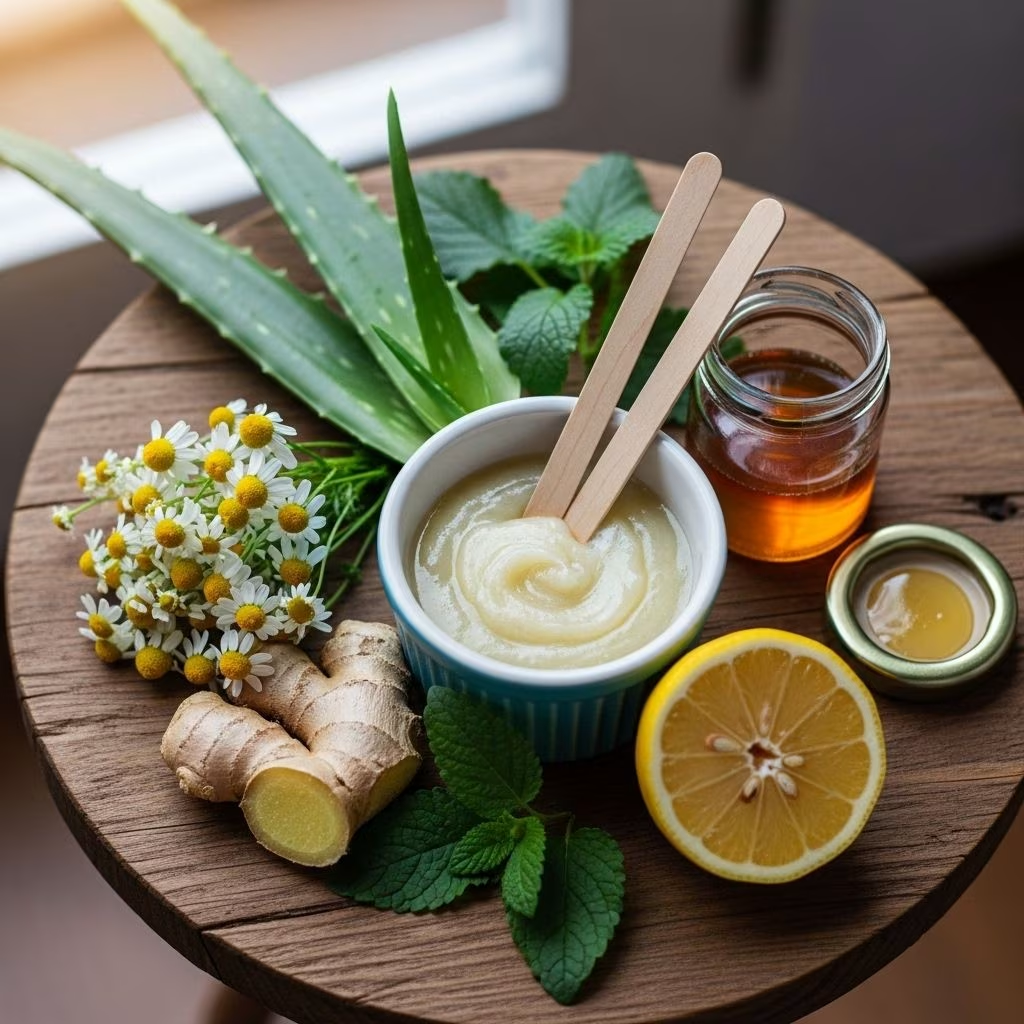
Natural Remedies for Cold Sores: Gentle Relief You Can Try at Home
Cold sores, also known as fever blisters, often seem to appear at inopportune moments—just before a major event, during stressful periods, or when your immune system is feeling tired. These small, fluid-filled blisters typically emerge around the lips and mouth, triggered by the herpes simplex virus type 1 (HSV-1). While prescription antiviral medication can provide relief, many seek natural remedies for minor outbreaks to soothe symptoms and support healing without harsh chemicals.
This article explores trusted natural cold sore remedies that you can try at home, discusses how to use each option safely, and provides tips for preventing future outbreaks. Whether you’re searching for gentle relief, looking to supplement conventional care, or simply want to boost your comfort during an outbreak, these approaches offer accessible, evidence-based solutions.
Understanding Cold Sores
Cold sores are a manifestation of the herpes simplex virus (HSV-1), which remains dormant in nerve cells and can reactivate due to:
- Stress
- Fatigue
- Sun exposure
- Illness or weakened immunity
- Hormonal changes
Common symptoms include tingling, itching, or burning sensations near the lips, followed by the emergence of small, painful blisters. While not generally dangerous to healthy adults, cold sores can be uncomfortable and may impact self-confidence.
Gentle, Natural Remedies for Cold Sores
Below are some of the most popular and effective natural remedies for cold sores. For each, you’ll find tips for safe application and insights on how they work.
1. Cold Compresses: Simple, Soothing Relief
A cold compress is a time-tested remedy for reducing swelling, redness, and discomfort during a cold sore outbreak. While it won’t cure the infection, applying cold can lessen pain and inflammation, and some users report that prompt use at the first sign of tingling can slow the outbreak.
- Wrap a few ice cubes or a chilled gel pack in a clean cloth.
- Apply gently to the affected area for 5–10 minutes.
- Repeat as needed throughout the day.
- Tip: Never place ice directly on your skin, as this can cause tissue damage.
2. Aloe Vera: Nature’s Skin Soother
Aloe vera gel is famous for its anti-inflammatory, antiviral, and antioxidant properties, making it a gentle option for calming irritated skin. Scientific studies show that aloe vera can help inhibit viral activity and promote skin repair.
- Apply a thin layer of 100% pure aloe vera gel to the sore.
- Use clean hands or a cotton swab for application.
- Reapply 2–3 times daily until the sore has healed.
- Tip: Ensure your gel contains no alcohol or additives that might further irritate skin.
3. Raw Honey: Naturally Antiviral and Antibacterial
Raw or Manuka honey contains natural enzymes and compounds that exhibit antiviral and antibacterial effects. Keeping a cold sore moist can help prevent cracking and secondary infection, and honey’s properties may support faster healing.
- With a clean cotton swab, dab a small amount of honey directly onto the sore.
- Repeat the process a few times daily.
- Tip: Opt for unprocessed, raw honey or medical-grade Manuka honey when possible.
4. Essential Oils (Used with Care)
Certain essential oils, such as tea tree oil and peppermint oil, have demonstrated antiviral activity against HSV-1 in laboratory studies. They may help dry out cold sores and limit viral replication, but must always be diluted to prevent irritation or chemical burns.
- Mix 1–2 drops of essential oil (tea tree or peppermint) with a teaspoon of carrier oil such as coconut or olive oil.
- Apply gently to the cold sore using a cotton swab, once per day.
- Caution: Never use undiluted oils, and avoid contact with the inside of your mouth.
If you have sensitive skin or a history of allergies, do a small patch test first.
5. Lysine: A Natural Viral Inhibitor
L-lysine is an amino acid found in foods and available as a supplement. Research suggests it may help reduce the frequency and severity of outbreaks by inhibiting the virus’s ability to reproduce.
- Add lysine-rich foods to your diet, such as dairy, chicken, beans, and legumes.
- Lysine supplements (capsules or cream) are available; consult your healthcare provider for personalized advice.
- Tip: Do not start supplements without professional guidance, as dosages can vary and may interact with other medications.
6. Boost Your Immune System: Vitamin C & E
Vitamin C and vitamin E are essential for immune function and skin health.
| Vitamin | Benefit | Natural Sources |
|---|---|---|
| Vitamin C | Strengthens immune system, may inactivate HSV-1 | Oranges, bell peppers, strawberries |
| Vitamin E | Promotes skin repair, reduces pain | Almonds, sunflower seeds, spinach |
Including these vitamins in your daily food intake can aid recovery and support overall wellness. Topical vitamin E oil is sometimes used directly on cold sores to reduce pain.
Lifestyle Tips and Prevention
- Rest and Hydration: Give your body time to heal with plenty of fluids and rest.
- Sunscreen: Sun exposure can trigger outbreaks. Use lip balm with SPF or sunscreen on lips when outdoors.
- Manage Stress: Practice relaxation techniques, such as deep breathing, meditation, or gentle exercise, to reduce stress-related outbreaks.
- Healthy Diet: Nutritious, balanced diets with adequate vitamins and minerals help boost immune resistance to HSV-1.
- Keep Area Clean: Gently clean cold sores with hydrogen peroxide or rubbing alcohol to prevent secondary infection, but avoid harsh scrubbing.
Other Natural Remedies and Complementary Approaches
- Propolis: A resin-like substance made by bees, propolis ointment may support healing due to its antiviral potential.
- Lemon Balm: Clinical studies have shown benefit with lemon balm extract cream for cold sores.
- Homeopathy: Some people explore homeopathic preparations such as calendula or rhus toxicodendron. Consult a professional for safety and efficacy.
- Garlic or Lemon Juice: Garlic’s anti-inflammatory and lemon’s antiviral properties are sometimes used topically—but can irritate skin, so use with caution.
- Petroleum Jelly: Applying a thin layer helps prevent cracking and secondary infection while keeping the area moist.
What to Avoid During an Outbreak
- Do not pop or squeeze cold sores; this increases infection risk.
- Avoid sharing eating utensils, drinks, lip balm, or towels during outbreaks.
- Steer clear of harsh cleansers, acidic foods (like citrus if painful), and anything that further irritates the area.
- Minimize direct skin-to-skin contact until sores have fully healed.
When to Seek Medical Advice
Natural remedies can be effective for mild outbreaks, but you should consult your healthcare provider if:
- You experience frequent, severe, or persistent cold sores.
- Sores do not heal after two weeks.
- You have weakened immunity, such as from an underlying medical condition.
- The sore is unusually large, spreading, or is accompanied by high fever.
Prescription antivirals or alternative approaches may be recommended in these cases.
Frequently Asked Questions (FAQs)
Q: What causes cold sores to flare up?
A: Cold sores are triggered by the herpes simplex virus (HSV-1). Common triggers include stress, illness, hormonal changes, and sun exposure.
Q: Are natural remedies as effective as prescription treatments?
A: Natural remedies can support healing and comfort but may not eliminate the virus. Prescription antivirals can shorten symptom duration and reduce recurrence, especially in severe or frequent outbreaks.
Q: Can I prevent cold sores?
A: It is possible to reduce outbreaks by managing triggers, practicing good hygiene, and supporting your immune system through healthy lifestyle choices.
Q: Is it safe to use essential oils on cold sores?
A: Essential oils like tea tree and peppermint may help but must always be diluted. Do not use undiluted oils, and perform a patch test to check for sensitivity.
Q: How long do cold sores typically last?
A: Most cold sores heal within 7–14 days. Natural remedies may help accelerate healing and relieve discomfort but do not always shorten recovery time for everyone.
Q: When should I see a doctor about a cold sore?
A: If sores persist for more than two weeks, become severe, or if you have a compromised immune system, seek medical advice.
Conclusion
Natural remedies for cold sores offer gentle ways to ease symptoms, support healing, and reduce discomfort. These approaches—including cold compresses, aloe vera, raw honey, essential oils, lysine, vitamins, and additional supplements—may be used to complement medical care or as a primary strategy for mild outbreaks. Remember to maintain healthy lifestyle habits, avoid triggers, and consult your healthcare provider if outbreaks are severe or persistent. With informed choices and proper care, you can improve comfort and speed up recovery during cold sore episodes.
References
- https://www.vaccafamilydentistry.com/natural-remedies-for-cold-sores-gentle-relief-you-can-try-at-home
- https://www.webmd.com/skin-problems-and-treatments/cold-sores-at-home-care
- https://www.prospersmilestudio.com/cold-sores-how-do-i-treat-them-naturally/
- https://www.medicalnewstoday.com/articles/311864
- https://cls.health/blog/5-effective-ways-to-get-rid-of-cold-sore-fast
- https://www.mayoclinic.org/diseases-conditions/cold-sore/diagnosis-treatment/drc-20371023
- https://www.healthline.com/health/sexually-transmitted-diseases/home-remedies-for-herpes
- https://www.polishdentistry.com/cold-sore-remedies-tips-to-know/
- https://pmc.ncbi.nlm.nih.gov/articles/PMC10301284/


