


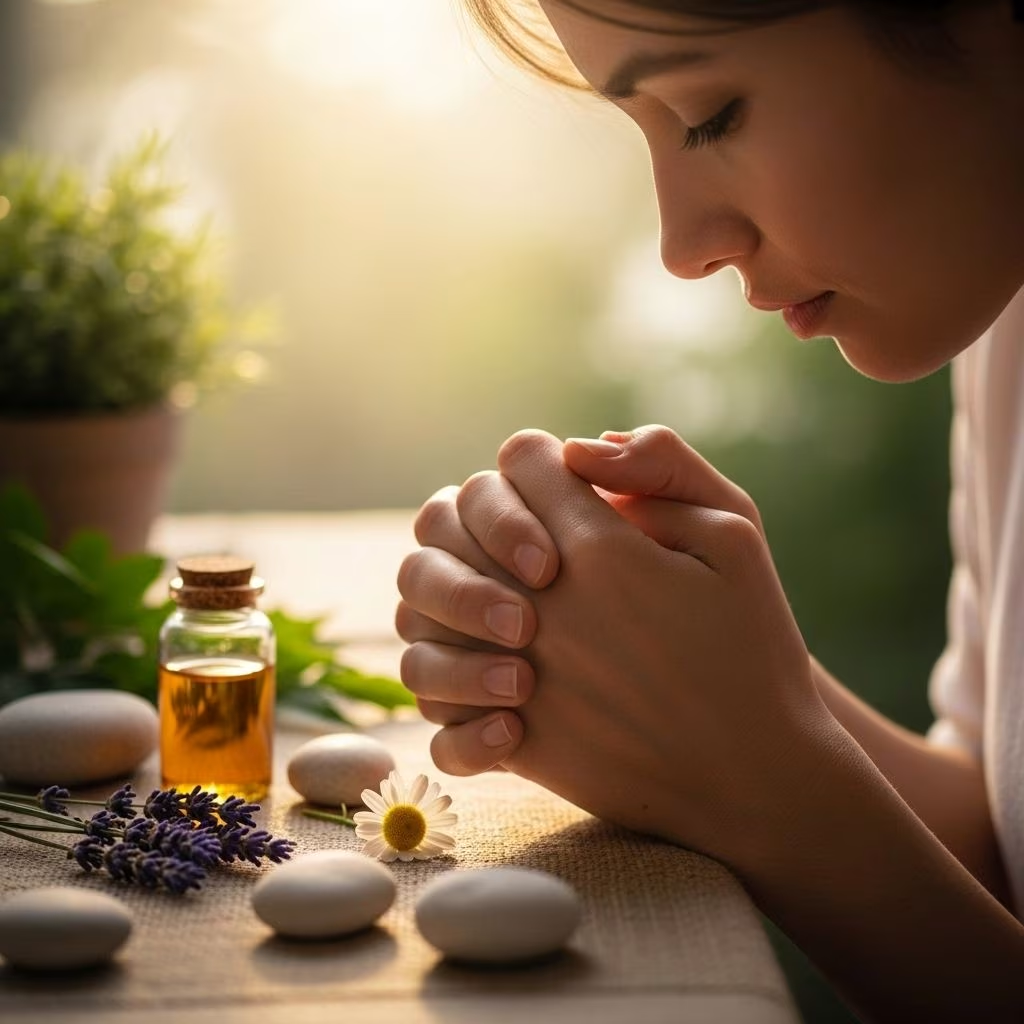
Feeling Anxious? 7 Natural Remedies for Fast Anxiety Relief
Anxiety is a common response to stress, but if it becomes overwhelming or persistent, it can interfere with day-to-day life. While conventional treatments like psychotherapy and medication play vital roles, there are also natural remedies that can provide rapid relief and support lasting wellbeing. In this article, we explore seven effective strategies you can try to manage anxiety—each backed by research and tradition.
Understanding Anxiety: Symptoms and Impact
Anxiety is characterized by symptoms such as excessive worry, nervousness, rapid heartbeat, shortness of breath, sleep difficulties, muscle tension, and digestive discomfort. These physical and emotional manifestations are responses to real or perceived stressors, and over time, chronic anxiety may lead to fatigue, irritability, and other health concerns.
Rapid intervention and support, alongside holistic self-care, can help rebalance the nervous system and restore a sense of calm.
1. Herbal Remedies for Anxiety
- Chamomile (Chamomilla recutita): Widely known for its calming and mild sedative effects, chamomile can ease stress and promote sleep. It is often used as a tea or tincture for mild to moderate anxiety symptoms.
Chamomile works by relaxing the nervous system, helping to alleviate restlessness, stomach discomfort, and tension.
- Lemon Balm (Melissa officinalis): This uplifting herb revives the heart and mood, making it especially helpful when anxiety is accompanied by sadness or nervousness. Lemon balm can be brewed as a tea or taken as a supplement, and is well-tolerated for regular use.
- Passionflower (Passiflora incarnata): Recognized for its gentle tranquilizing effect, passionflower calms excitability and supports sleep by increasing levels of GABA, a neurotransmitter that quiets nerve activity.
- Valerian (Valeriana officinalis): Valerian root is a powerful calming agent and nervine tonic, helpful for anxiety with sleep issues, muscle tension, and stress. It is often combined with other herbs for enhanced effect.
- Lavender (Lavandula angustifolia): Aromatic lavender calms the mind and soothes emotional distress. Its essential oils can be inhaled, applied topically, or taken as an infusion to help with anxious thoughts and support deeper sleep.
- Skullcap (Scutellaria lateriflora): Acts as a grounding nervine, especially when anxiety is accompanied by scattered thoughts, irritability, or restlessness. Skullcap can settle the mind and promote restful sleep.
- Lime Blossom (Tilia cordata): Traditionally prepared as a tea, lime blossom relieves mild anxiety and tension, easing headaches and heart palpitations.
| Herb Name | Main Benefits | Best Usage |
|---|---|---|
| Chamomile | Calms nerves, supports sleep | Tea, tincture |
| Lemon Balm | Lifts mood, eases excitability | Tea, supplement |
| Passionflower | Reduces excitability, supports sleep | Tea, extract |
| Valerian | Soothes stress, muscle relaxant | Capsule, tincture |
| Lavender | Relaxes mind and body | Inhalation, infusion |
| Skullcap | Grounds & calms scattered thoughts | Tea, tincture |
| Lime Blossom | Relieves tension, headaches | Tea |
Many of these herbs are available over-the-counter at pharmacies or health food stores. It’s best to consult with a qualified practitioner, especially if you are taking other medications or have health conditions.
2. Breathwork: Rapid Calming through the Breath
Regulating your breath is one of the fastest and most effective ways to manage anxiety. Conscious breathing techniques provide instant relief by activating the parasympathetic nervous system, lowering heart rate, and calming the mind. Here are a few methods to try:
- Box Breathing: Inhale for 4 counts, hold for 4, exhale for 4, hold for 4, and repeat. This creates a steady rhythm that relaxes both body and mind.
- 4-7-8 Breathing: Inhale for 4 counts, hold for 7, exhale for 8 counts. This method is particularly effective before sleep.
- Diaphragmatic Breathing: Focus on expanding the diaphragm rather than shallow chest breathing. This technique increases oxygen flow and reduces tension.
Practicing breathwork even for a few minutes can interrupt the anxiety cycle and restore a sense of control.
3. Movement and Exercise: Shake off Stress Fast
Physical activity is a well-established remedy for anxiety. Movement releases endorphins and supports healthy neurotransmitter levels, which are vital for mood regulation. Some exercises that work quickly include:
- Brisk Walks: Walking outdoors—especially in nature—can immediately lower stress hormones and improve mental clarity.
- Yoga and Tai Chi: Gentle stretching and mindful movement help relax muscles, deepen the breath, and calm an overactive nervous system.
- Dance or Aerobic Activity: Even a few minutes of dancing or jogging can relieve nervous energy and shift your focus.
4. Nutrition: Essential Support for a Calm Mind
Your diet plays an essential role in anxiety management. Low blood sugar, nutrient deficiencies, and stimulant overload can worsen anxiety symptoms. Some nutrition tips include:
- Magnesium & B Vitamins: Magnesium calms nerves and muscles, while B vitamins are vital for brain health and energy. Sources include leafy greens, nuts, whole grains, and legumes.
- Low Glycaemic Index Diet: Choosing complex carbohydrates like oats and sweet potatoes helps stabilize blood sugar and mood swings.
- Avoiding Stimulants: Limit caffeine, sugar, and processed foods, which can trigger or intensify anxiety.
- Hydration: Dehydration can worsen anxiety; drinking water supports clear thinking and relaxation.
Supplements such as omega-3 fatty acids and L-theanine may also support brain health and emotional balance. Talk to a healthcare practitioner before adding new supplements to your routine.
5. Journaling: Transforming Anxiety through Self-Reflection
Journaling is a powerful tool for emotional processing and clarity. By writing down your thoughts and feelings, you create space from distressing emotions, gain insight into patterns, and track your progress. Journaling can be done in multiple ways:
- Stream of Consciousness: Write whatever comes to mind—no censoring or editing.
- Prompt-Based: Use questions like “What is making me anxious right now?” or “What do I need at this moment?”
- Gratitude List: Focusing on positive experiences helps reframe the mind and counterbalance anxiety.
6. Nature Immersion: The Calming Power of the Outdoors
Studies demonstrate that spending time in nature—a practice known as forest bathing—can dramatically reduce symptoms of anxiety and depression. Exposure to natural environments lowers stress hormones, improves mood, and encourages mindfulness.
- Take Short Walks in the Park or Woods
- Practice Mindfulness Outdoors: Notice sights, sounds, and smells to anchor in the present.
- Engage with Natural Settings: Gardening, hiking, or sitting quietly by water can provide significant stress relief.
Even brief nature breaks (as little as 10-20 minutes) offer a fast and effective respite from anxiety.
7. Mind-Body Techniques and Lifestyle Changes
- Yoga Nidra: This deeply restorative practice involves guided meditation while lying down. Yoga nidra releases tension and fosters profound relaxation.
- Cognitive Behavioral Theory (CBT): Practicing CBT skills—such as reframing negative thought patterns—can rapidly diminish anxiety intensity.
- Limit Screen Time: Excess exposure to screens and negative news can trigger or worsen anxiety. Prioritize unplugged periods to destress.
- Sleep Hygiene: Establish a consistent bedtime routine, limit blue light exposure before sleep, and create a calming environment.
- Social Support: Talking with trusted friends or family can bring reassurance and perspective.
Frequently Asked Questions (FAQs)
Q: Are herbal remedies safe for anxiety?
A: Most herbal anxiety remedies are considered safe at recommended doses, but interactions are possible. Consult a healthcare professional—especially if pregnant, nursing, or taking prescription medication.
Q: How quickly do natural remedies for anxiety work?
A: Some remedies (like breathing exercises or herbal teas) may provide relief within minutes, while others (like adaptogenic herbs and lifestyle changes) support resilience over weeks to months.
Q: Can I use these remedies alongside prescribed medications?
A: Many natural approaches can be safely integrated with conventional treatments, but always discuss with your doctor to avoid interactions or side effects.
Q: What lifestyle changes help anxiety long-term?
A: Incorporating regular movement, balanced nutrition, adequate sleep, time in nature, journaling, and mind-body practices can all support lasting anxiety relief and wellbeing.
Q: When should I consider professional help for anxiety?
A: If anxiety becomes unmanageable, persistent, or affects daily functioning, seek guidance from a mental health professional for tailored support.
Conclusion: Building Your Personal Toolkit
Anxiety is a natural experience, but fast and effective self-care can make a real difference. Herbal remedies, mindful movement, nutrition, journaling, nature immersion, and holistic lifestyle changes form a comprehensive toolkit for relief and resilience. Begin with what feels most accessible, and adjust as your needs evolve. Remember—support is available, and even small steps can lead to meaningful improvements in your mental wellbeing.
References
- https://www.herbalreality.com/condition/anxiety/
- https://www.herbalreality.com/health-lifestyle/stress-sleep/5-herbs-instead-anti-anxiety-medications/
- https://www.valleyoaks.org/health-hub/feeling-anxious-7-natural-remedies-for-anxiety-that-work-really-fast/
- https://www.valleyoaks.org/health-hub/herbal-treatment-for-anxiety-is-it-effective/
- https://www.youtube.com/watch?v=f8AaoZRfhUU
- https://www.frontiersin.org/journals/public-health/articles/10.3389/fpubh.2025.1454992/full
- https://pmc.ncbi.nlm.nih.gov/articles/PMC2959081/
- https://www.oleantimesherald.com/2018/10/16/home-remedies-treating-anxiety-with-herbal-remedies/
- https://www.mayoclinic.org/diseases-conditions/generalized-anxiety-disorder/expert-answers/herbal-treatment-for-anxiety/faq-20057945


