


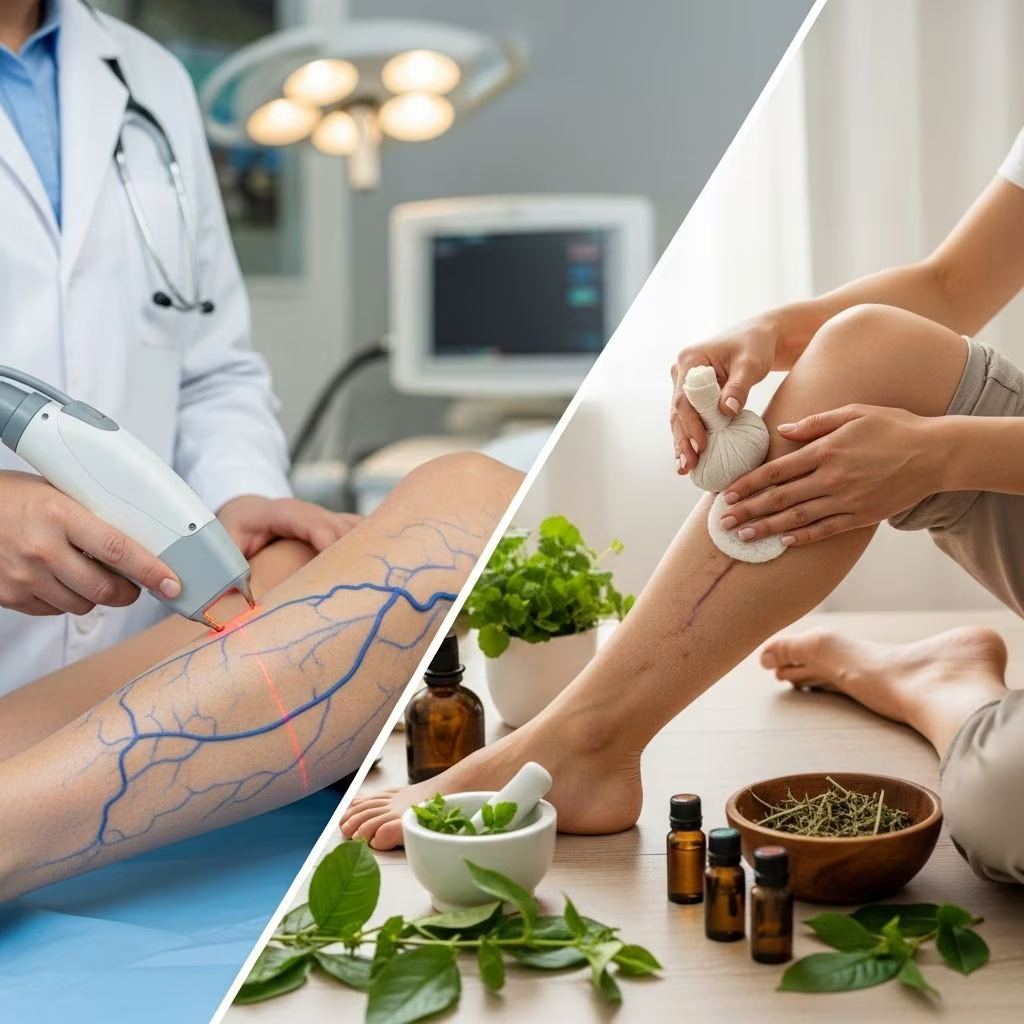
When it comes to treating varicose veins and spider veins, patients are often overwhelmed by conflicting information about treatment options. The internet is flooded with claims about miracle natural remedies that promise to eliminate unsightly veins without medical intervention, while others warn that only professional medical treatments can provide real results. This confusion leads many people to delay seeking proper treatment or waste time and money on ineffective solutions.
Understanding the difference between evidence-based medical treatments and unproven natural remedies is crucial for making informed decisions about your vein health. While some lifestyle modifications can certainly support vein health and potentially slow the progression of venous disease, many popular myths persist about what natural remedies can actually accomplish. Let’s explore the most common misconceptions and separate fact from fiction when it comes to treating vein conditions.
Understanding Varicose Veins and Spider Veins
Before diving into treatment options, it’s important to understand what these conditions actually are. Spider veins, medically known as telangiectasia, are small damaged veins that appear on the surface of the skin, typically on the legs or face. They result from weakened or damaged veins and can be caused by genetics, aging, hormonal changes, and prolonged periods of standing or sitting. While often considered primarily cosmetic concerns, spider veins can sometimes indicate underlying venous insufficiency, especially when accompanied by symptoms like swelling, aching, or itching.
Varicose veins are larger, swollen blood vessels that twist and turn beneath the skin. They occur when the valves inside the veins stop working properly, allowing blood to pool instead of flowing efficiently back to the heart. This pooling causes the veins to enlarge and become visible through the skin. Varicose veins can cause significant discomfort, including pain, heaviness, cramping, and swelling in the legs. Left untreated, they may lead to more serious complications such as skin changes, ulcers, or blood clots.
Common Myths About Natural Remedies
The appeal of natural remedies is understandable—they often seem safer, more affordable, and less invasive than medical procedures. However, many claims about natural vein treatments are based on anecdotal evidence rather than scientific research. Let’s examine some of the most persistent myths.
Myth: Apple Cider Vinegar Can Eliminate Varicose Veins
One of the most popular home remedies promoted online involves applying apple cider vinegar topically or consuming it orally to treat varicose veins. Proponents claim that apple cider vinegar improves circulation and reduces swelling due to its anti-inflammatory properties. While apple cider vinegar does contain compounds that may have some health benefits, there is no scientific evidence supporting its effectiveness in treating or eliminating varicose veins.
The reality is that varicose veins are caused by structural problems within the vein walls and malfunctioning valves. No topical application or dietary supplement can repair these structural defects. While applying diluted apple cider vinegar to the skin is unlikely to cause harm, it also won’t address the underlying venous insufficiency causing your varicose veins.
Myth: Essential Oils Can Make Spider Veins Disappear
Another widely circulated claim suggests that essential oils like cypress, lavender, and geranium can reduce or eliminate spider veins when massaged into the affected areas. While essential oils do possess anti-inflammatory properties and gentle massage may temporarily improve circulation, these effects are superficial and temporary. Essential oils cannot penetrate deeply enough to affect the damaged veins beneath the skin’s surface or repair the underlying vascular damage.
That said, massage with essential oils may provide some symptomatic relief by reducing minor swelling and promoting relaxation. However, patients should understand that any improvement in appearance is likely temporary and does not represent actual healing of the affected veins.
Myth: Horse Chestnut Extract is as Effective as Medical Treatment
Horse chestnut extract is one of the few natural supplements that has been studied for venous conditions. The extract contains a compound called aescin, which has been shown to reduce inflammation and improve blood flow. Some research suggests that horse chestnut extract may help manage symptoms of chronic venous insufficiency, such as leg pain, heaviness, and swelling.
However, while horse chestnut extract may provide symptomatic relief, it does not eliminate varicose veins or spider veins. Studies comparing horse chestnut extract with compression therapy have shown that both approaches can reduce edema and discomfort, but neither addresses the structural vein damage. Additionally, horse chestnut extract can cause side effects including gastrointestinal discomfort and may interact with certain medications. Patients should consult with a healthcare provider before using this supplement.
Myth: Compression Stockings Cure Varicose Veins
Compression stockings are often recommended for managing varicose vein symptoms, leading some people to believe they can cure the condition. While compression stockings are valuable therapeutic tools, they are not a cure for varicose veins. These specially designed garments work by applying graduated pressure to the legs, which helps support weakened vein walls and promotes better blood flow back to the heart.
Compression stockings can effectively control swelling, reduce discomfort, and prevent varicose veins from worsening. They are particularly beneficial for people who stand or sit for extended periods. However, once you stop wearing the stockings, the underlying venous insufficiency remains. Medical professionals typically recommend compression therapy as a complementary treatment alongside other interventions or as a conservative management strategy for patients who are not candidates for medical procedures.
The Limitations of Natural Approaches
While natural remedies and lifestyle modifications certainly play a role in vein health, it’s important to understand their limitations. Most natural approaches focus on symptom management rather than treating the underlying vascular problems. They may help slow the progression of venous disease and provide some relief from discomfort, but they cannot reverse existing vein damage or eliminate visible varicose veins and spider veins.
The most effective natural strategies involve lifestyle changes rather than topical treatments or supplements. Regular exercise, particularly activities that strengthen the calf muscles like walking, swimming, and cycling, improves circulation and reduces pressure on veins. Maintaining a healthy weight decreases the burden on the venous system. Elevating the legs when resting helps blood flow back to the heart more efficiently. A diet rich in fiber and antioxidants supports overall vascular health.
These lifestyle modifications are valuable for everyone, especially those at risk for venous disease or in the early stages of vein problems. However, for patients with established varicose veins or significant spider veins, lifestyle changes alone typically cannot produce the cosmetic or therapeutic results they desire.
Evidence-Based Medical Treatments
Modern medical vein treatments have advanced significantly over the past two decades, offering patients safe, effective, and minimally invasive options for addressing both the symptoms and appearance of venous disease. Unlike natural remedies, these procedures directly target the damaged veins, providing long-lasting or permanent results.
Sclerotherapy
Sclerotherapy remains the gold standard treatment for spider veins and small varicose veins. During this procedure, a specialized solution is injected directly into the affected vein, causing it to collapse and seal shut. Over time, the body naturally absorbs the treated vein, and blood reroutes through healthier vessels. Sclerotherapy is performed in an office setting, requires no anesthesia, and allows patients to return to normal activities immediately.
Multiple treatment sessions may be needed for optimal results, but the improvement in both appearance and symptoms is significant. Research consistently demonstrates that sclerotherapy is far more effective than any natural remedy for eliminating visible spider veins and small varicose veins.
Endovenous Laser Ablation
For larger varicose veins, endovenous laser ablation (EVLA) offers a minimally invasive alternative to traditional vein stripping surgery. This procedure uses laser energy delivered through a thin fiber inserted into the diseased vein. The laser heats the vein wall, causing it to collapse and seal. Like sclerotherapy, the body eventually absorbs the treated vein, and blood flow redirects to healthy veins.
Endovenous laser ablation is performed under local anesthesia and takes less than an hour. Patients experience minimal discomfort and can typically resume normal activities within a day or two. The success rate for EVLA is excellent, with the vast majority of treated veins remaining closed permanently.
Radiofrequency Ablation
Radiofrequency ablation works similarly to laser treatment but uses radiofrequency energy instead of laser light to heat and close diseased veins. Many patients find radiofrequency ablation causes less bruising and discomfort than laser treatment, though both procedures are highly effective. The choice between laser and radiofrequency ablation often depends on the specific characteristics of the veins being treated and physician preference.
Ambulatory Phlebectomy
For bulging varicose veins close to the skin’s surface, ambulatory phlebectomy provides excellent results. This procedure involves removing the affected vein segments through tiny incisions that typically require no stitches. Ambulatory phlebectomy is often combined with other treatments like endovenous ablation for comprehensive results. The procedure is performed under local anesthesia, and patients can walk immediately afterward.
Comparing Treatment Approaches
To help clarify the differences between natural remedies and medical treatments, consider the following comparison:
| Factor | Natural Remedies | Medical Treatments |
|---|---|---|
| Effectiveness | May reduce symptoms; cannot eliminate veins | Directly eliminates damaged veins with high success rates |
| Duration of Results | Temporary symptom relief | Long-lasting to permanent results |
| Treatment Time | Ongoing, indefinite use required | One to several treatment sessions |
| Cost | Lower upfront cost; cumulative over time | Higher initial cost; may be covered by insurance |
| Side Effects | Generally minimal but unpredictable | Well-documented, typically minor and temporary |
| Scientific Evidence | Limited or no clinical studies | Extensive research demonstrating safety and efficacy |
When to Seek Medical Treatment
While lifestyle modifications and conservative measures have their place, certain symptoms and situations warrant professional medical evaluation. You should consult a vein specialist if you experience persistent leg pain, swelling, or heaviness that interferes with daily activities. Skin changes around the ankles, including discoloration, hardening, or open sores, indicate advanced venous disease requiring medical intervention.
Bleeding from varicose veins, even minor bleeding, should be evaluated immediately as it suggests significant vein wall weakening. Similarly, if you develop a tender, red, warm area along a varicose vein, you may have superficial thrombophlebitis, a condition requiring medical treatment.
Even in the absence of concerning symptoms, many people choose to pursue medical treatment for cosmetic reasons. Visible spider veins and varicose veins can cause significant self-consciousness and impact quality of life. Modern vein treatments offer safe, effective solutions for these cosmetic concerns.
The Role of Prevention and Maintenance
Both natural approaches and medical treatments benefit from a comprehensive strategy that includes prevention and maintenance. After successful medical treatment, adopting healthy lifestyle habits helps protect remaining veins and reduce the risk of developing new varicose or spider veins.
Regular physical activity keeps blood circulating efficiently and strengthens the muscles that support venous return. Avoiding prolonged periods of standing or sitting without movement reduces pressure on leg veins. When sitting, avoid crossing your legs, which can impede blood flow. Taking breaks to elevate your legs throughout the day gives your veins a rest from fighting gravity.
Maintaining a healthy weight reduces the burden on your venous system. A diet rich in fiber prevents constipation, which can increase abdominal pressure and strain leg veins. Foods high in antioxidants and bioflavonoids support vascular health. Staying well-hydrated maintains blood volume and prevents blood from thickening, which can impede flow through damaged veins.
For individuals at high risk due to family history, occupation, or other factors, compression stockings may be recommended as a preventive measure. While they won’t cure existing vein problems, they can help prevent new issues from developing.
Making Informed Treatment Decisions
The abundance of information—and misinformation—about vein treatments can make decision-making challenging. The key is to seek guidance from qualified vein specialists who can provide accurate information based on scientific evidence rather than marketing claims. A thorough evaluation including ultrasound imaging helps identify the extent of venous disease and determines which treatment approach is most appropriate for your specific situation.
Many patients benefit from a staged approach that begins with conservative measures and progresses to medical interventions if symptoms persist or worsen. However, for patients with significant varicose veins or extensive spider veins, medical treatment typically offers the most efficient path to improvement. Delaying appropriate medical care in favor of unproven natural remedies may allow the condition to worsen, potentially leading to complications that are more difficult and expensive to treat.
Cost concerns often influence treatment decisions, but it’s worth noting that medical vein treatments may be covered by health insurance when performed for medical rather than purely cosmetic reasons. Procedures to address symptomatic varicose veins, venous ulcers, or other complications of venous insufficiency often qualify for coverage. Even when treatment is elective, many practices offer financing options to make care more accessible.
The Bottom Line on Vein Treatment Options
The persistent myths surrounding natural vein remedies stem from a desire for simple, affordable solutions to a complex medical problem. While this desire is understandable, it’s important to base treatment decisions on scientific evidence rather than anecdotal claims or marketing hype. Natural approaches like exercise, healthy diet, compression stockings, and leg elevation support overall vein health and may help manage symptoms, but they cannot eliminate existing varicose veins or spider veins.
Modern medical treatments offer proven, effective solutions for venous disease. Procedures like sclerotherapy, endovenous ablation, and ambulatory phlebectomy directly address the damaged veins, providing results that natural remedies simply cannot match. These treatments are safer and less invasive than ever before, with minimal downtime and excellent outcomes.
Rather than viewing natural approaches and medical treatments as competing options, consider them complementary strategies. Healthy lifestyle habits support successful medical treatment outcomes and help prevent future vein problems. The most effective approach typically combines appropriate medical intervention with ongoing attention to vein health through exercise, weight management, and other preventive measures.
If you’re struggling with varicose veins or spider veins, schedule a consultation with a qualified vein specialist. A proper evaluation will clarify which treatment options are most appropriate for your situation and help you develop a plan based on evidence rather than myths. Your vein health is too important to leave to unproven remedies—invest in treatments that have been scientifically validated to deliver real, lasting results.
Frequently Asked Questions
Q: Can natural remedies completely eliminate varicose veins?
A: No, natural remedies cannot eliminate varicose veins. While lifestyle modifications like exercise and compression stockings can help manage symptoms and prevent worsening, they cannot repair the structural damage to vein walls and valves that causes varicose veins. Only medical procedures can directly address and eliminate damaged veins.
Q: Are medical vein treatments painful?
A: Modern vein treatments are minimally invasive and performed under local anesthesia, resulting in minimal discomfort. Most patients describe feeling only mild pressure or slight stinging during procedures. Any post-treatment discomfort is typically minor and easily managed with over-the-counter pain relievers.
Q: How long do results from medical vein treatments last?
A: When performed correctly, medical vein treatments like sclerotherapy and endovenous ablation provide long-lasting to permanent results. The treated veins are permanently closed and absorbed by the body. However, new veins may develop over time due to genetics or lifestyle factors, which is why maintaining healthy habits after treatment is important.
Q: Is horse chestnut extract safe to use for varicose veins?
A: While horse chestnut extract has shown some promise in reducing symptoms of venous insufficiency, it can cause side effects including gastrointestinal upset and may interact with certain medications, particularly blood thinners. Always consult with a healthcare provider before using horse chestnut extract or any supplement for vein problems.
Q: Will insurance cover medical vein treatments?
A: Insurance coverage depends on whether the treatment is considered medically necessary. Procedures to address symptomatic varicose veins that cause pain, swelling, skin changes, or other complications are often covered. Treatments for purely cosmetic concerns typically are not covered. Your vein specialist can help determine whether your condition meets medical necessity criteria.
Q: How soon after treatment can I return to normal activities?
A: Most modern vein treatments allow patients to return to normal activities immediately or within a day or two. Walking is actually encouraged after procedures to promote healthy circulation. Strenuous exercise and heavy lifting may need to be avoided for a week or two, depending on the specific procedure performed.
References
- https://drdarryllim.com/blog/best-treatment-for-spider-veins/
- https://pmc.ncbi.nlm.nih.gov/articles/PMC10690676/
- https://chicagoveininstitute.com/best-varicose-vein-treatment-natural-vs-surgical/
- https://pmc.ncbi.nlm.nih.gov/articles/PMC5552898/
- https://www.veindoctor.com/vein-doctors/why-spider-vein-solutions-are-more-effective-than-home-remedies/
- https://www.veincenterofflorida.com/blog/medical-vein-treatment-vs-natural-remedies-common-myths-debunked
- https://www.veinhealth.com.au/do-herbal-supplements-work-on-varicose-veins/
- https://www.elizabethmedspa.com/medical-vein-vs-cosmetic-treatments/
- https://laservascularcenter.com/laser-vs-traditional-vein-treatment-which-is-right-for-you/


