


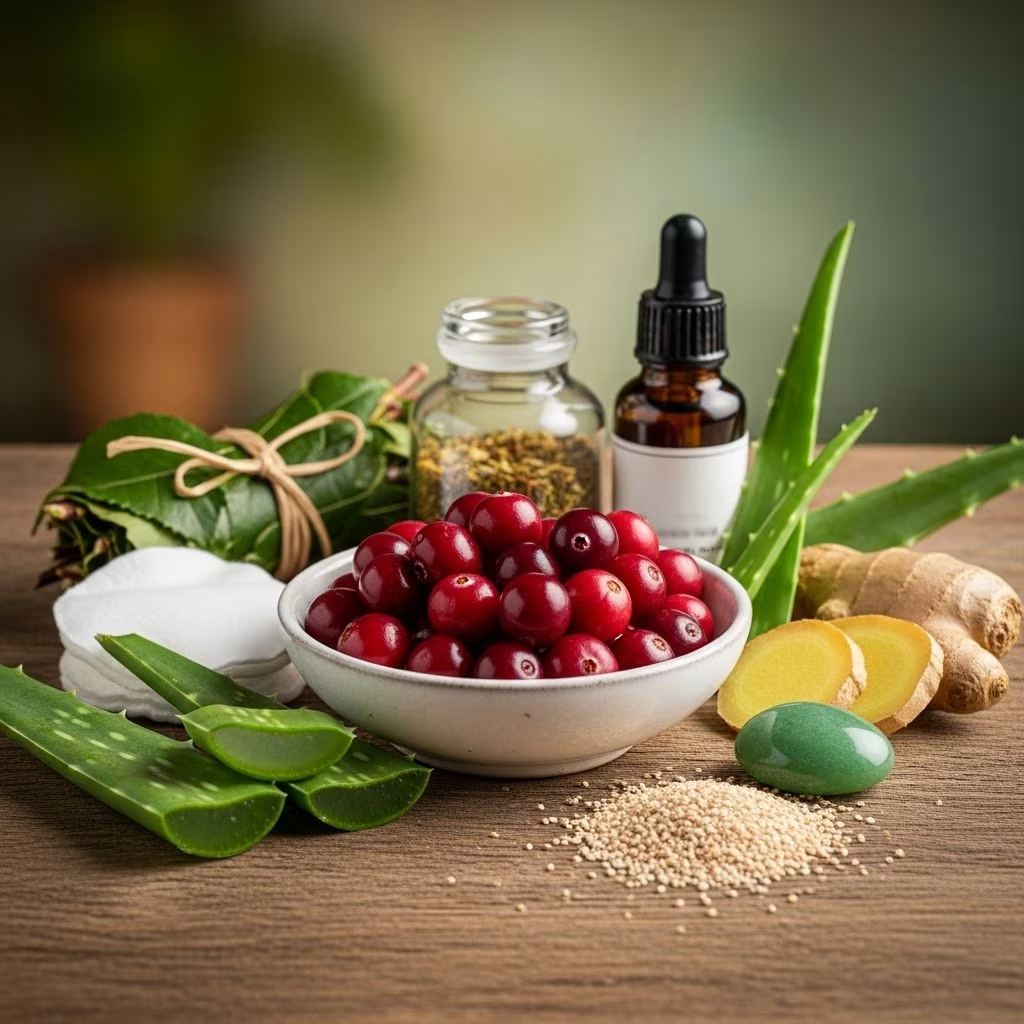
Piles, medically known as hemorrhoids, are swollen and inflamed veins in the rectal and anal region that affect millions of people worldwide. This uncomfortable condition manifests as internal or external swellings that can cause significant pain, itching, bleeding, and distress during bowel movements. While modern medicine offers various interventions ranging from topical creams to surgical procedures, an increasing number of individuals are turning toward natural remedies that provide relief without the side effects associated with pharmaceutical treatments or invasive procedures.
\n\n
Natural approaches to managing piles have been used for centuries across different cultures and continue to demonstrate effectiveness in alleviating symptoms and promoting healing. These remedies work by addressing the root causes of hemorrhoids, including poor circulation, constipation, inflammation, and weakened vein walls. By incorporating these natural treatments into daily routines, individuals can experience significant improvement in their quality of life while avoiding the potential complications and costs associated with medical interventions.
\n\n
Understanding Hemorrhoids and Their Causes
\n\n
Before exploring natural remedies, understanding what causes hemorrhoids is essential for effective treatment and prevention. Hemorrhoids develop when the veins in the lower rectum and anus become swollen due to increased pressure. This pressure can result from chronic constipation, prolonged sitting or standing, obesity, pregnancy, heavy lifting, or straining during bowel movements. Internal hemorrhoids occur inside the rectum and are typically painless but may bleed, while external hemorrhoids develop under the skin around the anus and can be extremely painful and uncomfortable.
\n\n
The condition affects approximately 20% to 50% of people at some point in their lives, making it one of the most common digestive system disorders. Symptoms include rectal bleeding during bowel movements, itching or irritation in the anal region, pain or discomfort, swelling around the anus, and a lump near the anal opening. While hemorrhoids are rarely dangerous and often resolve on their own within a few weeks, the discomfort they cause can significantly impact daily activities and overall well-being.
\n\n
Dietary Modifications for Hemorrhoid Relief
\n\n
One of the most fundamental and effective approaches to managing hemorrhoids naturally involves making strategic dietary modifications. The relationship between diet and hemorrhoid development is well-established, with dietary fiber playing a crucial role in preventing and treating this condition. A high-fiber diet helps soften stools and promotes regular bowel movements, which reduces the strain during defecation that often triggers or worsens hemorrhoids.
\n\n
Increasing Fiber Intake: Incorporating fiber-rich foods into your daily diet is paramount for hemorrhoid management. Excellent sources include whole grains such as oats, brown rice, and whole wheat bread; legumes like beans, lentils, and chickpeas; fruits including apples, pears, berries, and bananas; and vegetables such as broccoli, carrots, Brussels sprouts, and leafy greens. Aim for 25-30 grams of fiber daily, gradually increasing intake to avoid gas and bloating.
\n\n
For those struggling to meet fiber requirements through food alone, fiber supplements can be beneficial. Psyllium husk supplements draw water into the stool, making it easier to pass and helping to reduce hemorrhoid bleeding and inflammation. If psyllium causes digestive discomfort, alternatives like wheat dextrin or methylcellulose supplements may be better tolerated while still providing the necessary fiber content.
\n\n
Hydration and Fluid Intake: Staying adequately hydrated is equally important as increasing fiber intake. Water helps soften stools and facilitates easier bowel movements, preventing the constipation that exacerbates hemorrhoid symptoms. Aim to drink at least eight glasses of water throughout the day, and increase intake during hot weather or physical activity. Herbal teas, particularly those with anti-inflammatory properties like ginger or chamomile, can also contribute to daily fluid intake while providing additional therapeutic benefits.
\n\n
Foods to Avoid: Certain foods can irritate the digestive tract and worsen hemorrhoid symptoms. Limiting or avoiding processed foods, spicy dishes, caffeine, and alcohol can help reduce inflammation and discomfort. These substances can irritate the anal area and contribute to constipation or diarrhea, both of which can aggravate hemorrhoids. Additionally, reducing intake of low-fiber foods like cheese, white bread, and processed meats can prevent the constipation that often triggers hemorrhoid flare-ups.
\n\n
Sitz Baths and Warm Water Therapy
\n\n
Sitz baths represent one of the most recommended and effective natural remedies for immediate hemorrhoid relief. This simple yet powerful treatment involves sitting in warm water that covers the hips and buttocks, providing soothing relief from multiple hemorrhoid symptoms simultaneously. The therapeutic benefits of sitz baths make them an essential component of any natural hemorrhoid treatment regimen.
\n\n
To prepare a sitz bath, fill a bathtub or specialized sitz bath basin with three to four inches of warm (not hot) water. The temperature should be comfortable and soothing, typically around body temperature or slightly warmer. Sit in the water with knees bent for 10 to 15 minutes, allowing the warmth to penetrate the affected area. This can be repeated two to three times daily, especially after bowel movements, for maximum benefit.
\n\n
Enhanced Sitz Bath Formulations: Adding therapeutic substances to sitz baths can amplify their healing properties. Epsom salts are particularly beneficial, as they help reduce inflammation and promote relaxation of the anal muscles. The magnesium in Epsom salts can also improve circulation to the affected area, facilitating healing. Witch hazel, another excellent addition, provides astringent and anti-inflammatory properties that help shrink swollen tissues and reduce itching. A few tablespoons of either substance added to the warm water can significantly enhance the therapeutic effects.
\n\n
After completing a sitz bath, gently pat the area dry with a soft towel rather than rubbing, which could cause further irritation. The warm water helps cleanse the anal area, improve blood flow to hemorrhoidal tissues, and promote muscle relaxation, all of which contribute to symptom relief and faster healing. Regular sitz baths can also prevent infection by keeping the area clean and reducing bacterial growth.
\n\n
Topical Natural Remedies and Applications
\n\n
Various natural topical remedies can provide immediate relief from hemorrhoid discomfort while promoting healing. These applications work by soothing irritated tissues, reducing inflammation, and creating a protective barrier that facilitates recovery. Most can be easily prepared at home using readily available natural ingredients.
\n\n
Witch Hazel: This natural astringent is one of the most effective topical treatments for hemorrhoids. Witch hazel contains tannins and volatile oils that reduce inflammation and swelling while providing cooling relief from itching and discomfort. Apply witch hazel to the affected area using soft pads or cotton balls several times daily, particularly after bowel movements. The astringent properties help tighten and shrink swollen tissues while promoting healing.
\n\n
Aloe Vera Gel: Known for its powerful anti-inflammatory and soothing properties, pure aloe vera gel can provide significant relief when applied directly to external hemorrhoids. The gel reduces inflammation, soothes irritated skin, and promotes healing of damaged tissues. Use only pure aloe vera gel without added chemicals or fragrances, applying it gently to the affected area several times daily. Some individuals find relief by freezing aloe vera gel in ice cube trays and applying the frozen cubes wrapped in cloth for combined cooling and anti-inflammatory effects.
\n\n
Coconut Oil: Virgin coconut oil offers moisturizing and anti-inflammatory benefits that can alleviate hemorrhoid symptoms. Its natural antimicrobial properties also help prevent infection while reducing itching and inflammation. Apply pure, unrefined coconut oil to clean, dry hemorrhoids several times daily. The oil creates a protective barrier that moisturizes the area and facilitates healing while reducing friction during bowel movements.
\n\n
Other Beneficial Topical Remedies: Calendula cream possesses anti-inflammatory and wound-healing properties that can accelerate recovery. Chamomile ointment provides soothing relief and reduces inflammation. A paste made from turmeric powder and olive oil combines the powerful anti-inflammatory properties of curcumin with the moisturizing effects of olive oil. Tea tree oil, when properly diluted with a carrier oil, offers antimicrobial and anti-inflammatory benefits, though it should be used cautiously due to its potency.
\n\n
Herbal Remedies and Supplements
\n\n
Traditional herbal medicine has long recognized various plants and herbs that can effectively treat hemorrhoids by strengthening blood vessels, reducing inflammation, and improving circulation. These herbal remedies can be taken internally as supplements or teas, or applied topically depending on the specific herb and preparation method.
\n\n
Butcher’s Broom: This herb has been used for centuries to treat circulatory problems and venous insufficiency. Butcher’s broom contains ruscogenins, compounds that help tighten and strengthen vein walls, reducing swelling and improving circulation. Taking butcher’s broom supplements can help alleviate hemorrhoid symptoms by supporting vein health and reducing inflammation. The herb is particularly beneficial for individuals with chronic hemorrhoid problems related to poor circulation.
\n\n
Horse Chestnut: Horse chestnut extract contains aescin, a compound that improves vein elasticity and possesses powerful anti-inflammatory properties. This herb strengthens blood vessel walls and reduces fluid leakage from capillaries, helping to decrease swelling and discomfort associated with hemorrhoids. Horse chestnut supplementation can be particularly effective for individuals with varicose veins or chronic venous insufficiency who are prone to developing hemorrhoids.
\n\n
Psyllium Husk: While primarily known as a fiber supplement, psyllium husk also possesses medicinal properties that make it valuable for hemorrhoid treatment. This natural bulking agent absorbs water in the intestines, creating softer, easier-to-pass stools that reduce strain during bowel movements. Regular use of psyllium husk can prevent constipation and reduce the pressure on hemorrhoidal veins that leads to flare-ups.
\n\n
Therapeutic Herbal Teas: Various herbal teas can provide internal anti-inflammatory support for hemorrhoid treatment. Ginger tea reduces inflammation and improves circulation throughout the body. Dandelion tea acts as a mild laxative and supports liver function, promoting regular bowel movements. Marshmallow root tea soothes inflamed tissues and forms a protective coating in the digestive tract. Drinking these teas regularly can provide systemic support for hemorrhoid healing while preventing constipation.
\n\n
Lifestyle Modifications and Preventive Measures
\n\n
Implementing strategic lifestyle changes is crucial for both treating existing hemorrhoids and preventing future occurrences. These modifications address the underlying factors that contribute to hemorrhoid development, providing long-term relief and reducing the likelihood of recurrence.
\n\n
Physical Activity and Exercise: Regular physical activity improves circulation, promotes healthy bowel function, and helps maintain a healthy weight, all of which reduce hemorrhoid risk. Engaging in moderate exercise such as walking, swimming, or yoga for at least 30 minutes daily can significantly decrease hemorrhoid symptoms. Exercise stimulates intestinal function, preventing constipation and reducing pressure on rectal veins. However, avoid heavy lifting or exercises that increase abdominal pressure, as these can worsen hemorrhoids.
\n\n
Avoiding Prolonged Sitting and Standing: Extended periods of sitting or standing increase pressure on the rectal veins, contributing to hemorrhoid development and worsening existing symptoms. If your occupation requires prolonged sitting, take regular breaks to stand, stretch, and walk around. When sitting, use a cushion to reduce direct pressure on the anal area. Similarly, if you must stand for long periods, shift your weight frequently and take sitting breaks when possible.
\n\n
Proper Bowel Habits: Developing healthy bathroom habits is essential for hemorrhoid management. Never delay bowel movements when the urge arises, as postponing can lead to harder stools and increased straining. However, avoid sitting on the toilet for extended periods, as this tends to make hemorrhoids protrude and swell. When using the toilet, elevate your feet with a small stool to change the position of your rectum, allowing for easier passage of stools and reducing strain. This position mimics the natural squatting posture that facilitates easier defecation.
\n\n
Hygiene Practices: Maintaining proper anal hygiene prevents infection and reduces irritation. After bowel movements, gently cleanse the area with warm water using a bidet, handheld shower, or moistened toilet paper. Avoid harsh soaps, perfumed products, or rough toilet paper that can irritate sensitive tissues. Pat the area dry gently rather than rubbing. Some individuals find relief using witch hazel pads, soothing baby wipes, or soft cloths soaked in warm water for cleansing. If irritation occurs, apply petroleum jelly or aloe vera gel to protect and soothe the skin.
\n\n
Clothing Choices: Wearing breathable cotton underwear helps keep the anal area clean and dry, reducing moisture that can irritate hemorrhoids and promote bacterial growth. Avoid tight clothing made from synthetic materials that trap heat and moisture. Choose loose-fitting garments that allow air circulation and reduce friction in the affected area. Use unscented laundry detergents and avoid fabric softeners that may contain irritating chemicals.
\n\n
Cold Compresses and Ice Therapy
\n\n
Cold therapy provides immediate relief from hemorrhoid pain and swelling by constricting blood vessels and numbing the affected area. Ice packs or cold compresses can be particularly effective for external hemorrhoids that are painful and inflamed. To apply cold therapy safely, wrap ice cubes or a cold pack in a soft cloth and apply it to the affected area for 10 to 15 minutes at a time. This can be repeated several times daily as needed for pain relief.
\n\n
The cold temperature reduces blood flow to the hemorrhoidal tissues, which decreases swelling and provides numbing relief from pain. Many individuals find alternating between cold compresses and warm sitz baths particularly effective, as this contrast therapy stimulates circulation and promotes healing. However, never apply ice directly to the skin, as this can cause ice burns and further tissue damage. Always use a protective barrier such as a cloth between the ice and your skin.
\n\n
Preventing Hemorrhoid Recurrence
\n\n
Once hemorrhoid symptoms have improved, maintaining the natural remedies and lifestyle modifications that provided relief is essential for preventing recurrence. Continue consuming a high-fiber diet with adequate hydration to ensure regular, soft bowel movements. Maintain your exercise routine to promote circulation and digestive health. Practice proper bathroom habits by responding promptly to bowel urges and avoiding straining or prolonged sitting on the toilet.
\n\n
Monitor your body for early signs of hemorrhoid recurrence, such as mild itching or discomfort, and immediately implement natural remedies to address symptoms before they worsen. Understanding your personal triggers, whether dietary, lifestyle-related, or stress-induced, allows you to make proactive adjustments that prevent hemorrhoid flare-ups. By integrating these natural approaches into your daily routine, you can maintain hemorrhoid-free comfort and avoid the need for medical interventions.
\n\n
Frequently Asked Questions
\n\n
Q: How long does it take for natural remedies to relieve hemorrhoid symptoms?
\n
A: Most people experience some relief within a few days of consistently applying natural remedies, though complete healing typically takes one to two weeks. Severe hemorrhoids may require longer treatment periods, and consistent application of multiple remedies often yields the best results.
\n\n
Q: Can I use multiple natural remedies simultaneously?
\n
A: Yes, combining different natural approaches often provides more comprehensive relief than using a single remedy. For example, you might take fiber supplements, apply witch hazel topically, and practice regular sitz baths together. However, when using multiple topical applications, allow time between different treatments and monitor for any adverse reactions.
\n\n
Q: Are natural remedies safe during pregnancy?
\n
A: Many natural remedies like dietary modifications, sitz baths, and topical applications of witch hazel or aloe vera are generally safe during pregnancy. However, pregnant women should consult their healthcare provider before using herbal supplements or any new treatment, as some herbs may not be appropriate during pregnancy.
\n\n
Q: When should I seek medical attention for hemorrhoids?
\n
A: Consult a healthcare professional if you experience persistent bleeding, severe pain that doesn’t improve with natural remedies, signs of infection such as fever or pus, or if your hemorrhoids don’t improve after one to two weeks of consistent natural treatment. Additionally, seek medical attention if you notice changes in bowel habits or if bleeding is heavy or accompanied by dizziness.
\n\n
Q: Can dietary changes alone eliminate hemorrhoids?
\n
A: For many individuals, dietary modifications focusing on increased fiber and hydration can significantly improve hemorrhoid symptoms and even eliminate mild cases. However, most people benefit from combining dietary changes with other natural remedies like sitz baths, topical applications, and lifestyle modifications for comprehensive treatment and prevention.
\n\n
Q: Do natural remedies work for both internal and external hemorrhoids?
\n
A: Natural remedies can be effective for both types, though the approach may differ. External hemorrhoids respond well to topical applications and cold compresses, while internal hemorrhoids benefit more from dietary modifications, fiber supplements, and sitz baths. Both types respond positively to lifestyle changes that reduce pressure on rectal veins.
\n\n
Q: How can I prevent hemorrhoids from returning after successful treatment?
\n
A: Maintain the healthy habits that eliminated your hemorrhoids, including a high-fiber diet, adequate hydration, regular exercise, and proper bathroom habits. Avoid prolonged sitting, heavy lifting, and straining during bowel movements. Responding promptly to early symptoms can prevent minor discomfort from developing into full hemorrhoid flare-ups.
\n\n
Conclusion
\n\n
Natural remedies for hemorrhoids offer safe, effective, and affordable alternatives to pharmaceutical treatments and surgical interventions. By addressing the root causes of hemorrhoids through dietary modifications, herbal treatments, topical applications, and lifestyle changes, individuals can achieve significant relief from symptoms while promoting long-term healing. The comprehensive approach outlined in this article combines traditional wisdom with evidence-based practices, providing multiple strategies that can be customized to individual needs and preferences.
\n\n
The key to successfully managing hemorrhoids naturally lies in consistency and patience. While some remedies provide immediate symptomatic relief, others work gradually to address underlying issues and prevent recurrence. By implementing multiple natural approaches simultaneously and maintaining these healthy practices even after symptoms resolve, you can effectively manage hemorrhoids and significantly improve your quality of life without the need for invasive medical procedures. Remember that while natural remedies are effective for most cases, persistent or severe symptoms warrant consultation with a healthcare professional to rule out more serious conditions and ensure appropriate treatment.
References
- https://ccrdaz.com/how-can-hemorrhoids-be-treated-naturally/
- https://www.health.harvard.edu/blog/natural-remedies-for-hemorrhoid-2021022321942
- https://www.healthline.com/health/home-remedies-for-hemorrhoids
- https://www.kingedwardvii.co.uk/health-hub/36-ways-to-reduce-piles-haemorrhoids
- https://health.clevelandclinic.org/how-to-get-rid-of-hemorrhoids
- https://www.webmd.com/digestive-disorders/hemorrrhoid-home-care
- https://pmc.ncbi.nlm.nih.gov/articles/PMC9629089/
- https://www.preparationh.com/learn-more/how-to-prevent-hemorrhoids-at-home/
- https://piedmontcolorectal.com/news/home-treatment-for-hemorrhoids/


