


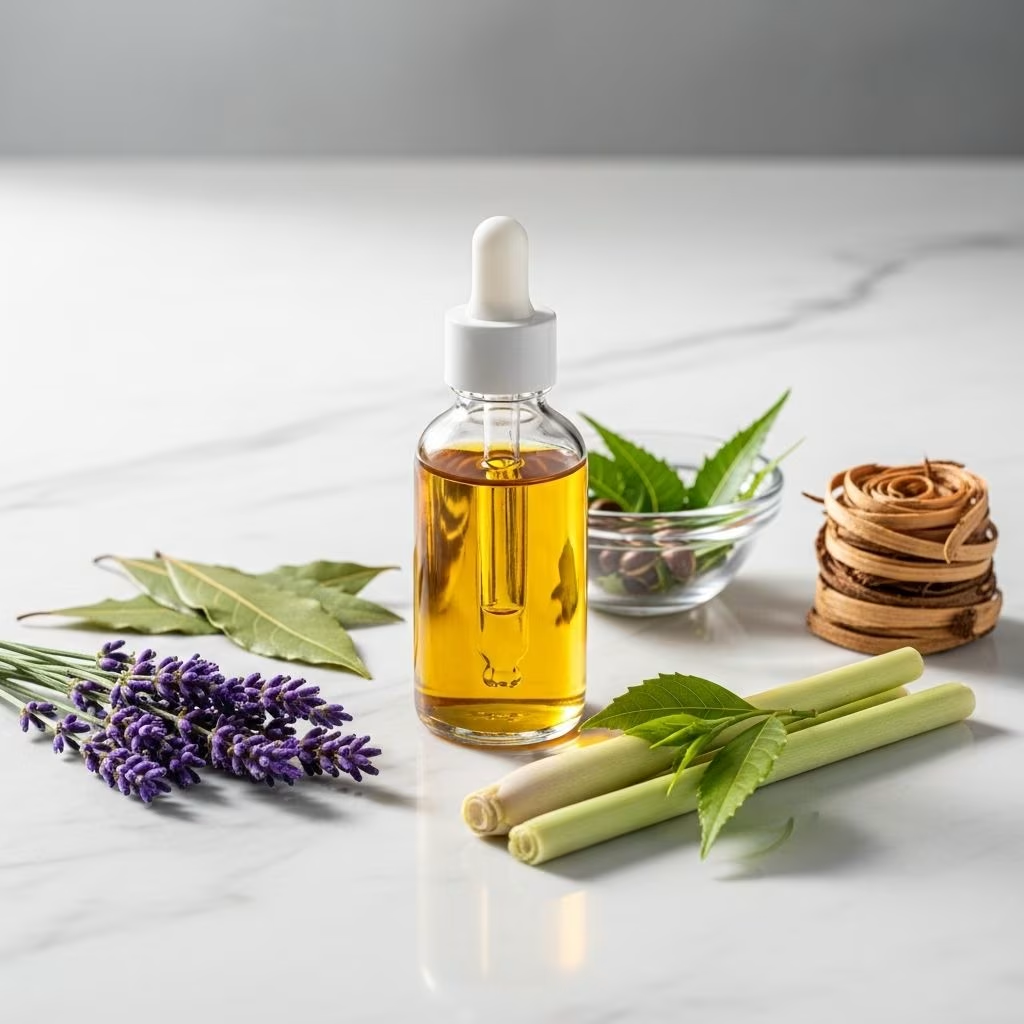
Natural Remedies for Killing Pet Fleas in the Home
Fleas are a persistent problem for pet owners, causing discomfort and posing health risks to both pets and humans. While chemical treatments are available, many seek natural remedies for killing pet fleas due to concerns about toxicity and environmental impact. This comprehensive guide explores safe, effective, and holistic solutions for flea elimination and prevention—protecting your pets, home, and yard organically and affordably.
Understanding Flea Infestations
Fleas are tiny, fast-reproducing parasites that thrive on the blood of mammals and birds. When pets bring fleas into the home, these pests quickly lay eggs in carpets, bedding, furniture, and cracks. Each flea can lay up to 50 eggs per day, leading to rapid infestations if not promptly addressed.
- Adult fleas feed on blood and remain on pets.
- Eggs, larvae, and pupae develop in the environment, including household fabrics and outdoor spaces.
- If left untreated, infestations can cause itching, skin infections, anemia in pets, and even transmit tapeworms.
Natural Flea Remedies for Pets
Addressing flea infestations on your pet is the first step. These natural options minimize risks compared to chemical treatments and are often safe for regular use. Always monitor your pet for allergic reactions and consult your veterinarian, especially if your animal is young, elderly, or has health issues.
Bathing Your Pet
Regular baths physically remove fleas and can drown many adult pests. Use a mild, pet-safe shampoo or gentle soap; harsh chemicals can dry out the skin. Gently lather and scrub, paying special attention to the neck, tail, and underbelly. Rinse thoroughly and dry your pet afterwards.
Bathing should not substitute for ongoing prevention but is vital for immediate relief.
Brushing with a Flea Comb
A fine-toothed flea comb is an invaluable tool for capturing adult fleas and eggs from your pet’s coat. Comb daily, especially after outdoor activities. Have a bowl of warm, soapy water nearby to dip the comb after each pass—fleas caught on the comb will drown in the soapy solution. Avoid use on irritated or damaged skin.
Apple Cider Vinegar
Apple cider vinegar (ACV) makes the environment less attractive for fleas due to its strong odor and acidity. ACV can be used topically as a spray or as an additive in bathing (never undiluted).
To make a flea spray:
- Mix 6 cups of apple cider vinegar with 4 cups of water in a spray bottle.
- Optionally, add a teaspoon of sea salt.
- Lightly spray your dog’s fur, avoiding the eyes, nose, and any broken skin.
Some pet owners add a small amount of ACV to a pet’s drinking water, but always consult your vet and start with small doses to avoid discouraging water intake.*
Lemon Juice
Lemon’s natural acidity and citrus odor repel and help kill fleas. Squeeze half a cup of fresh lemon juice into two cups of water and add to your pet’s bath, or use as a spray:
- Mix equal parts lemon juice and water in a spray bottle (avoid sensitive areas, cuts, or rashes).
- Dip a comb or cloth in lemon juice and gently use it to wipe or brush your pet’s fur.
Lemon solutions can also be sprayed onto soft furnishings to repel fleas in the home environment.*
Essential Oils (Safe for Dogs)
Certain essential oils have natural flea-repellent or killing properties. Only use pet-safe essential oils (like lavender, rose geranium, lemongrass, rosemary, and cedarwood), always diluted with a carrier oil (such as coconut or avocado oil) or water. Never use undiluted essential oils or put them in drinking water.
- Add a drop or two to your dog’s shampoo, or mix with water in a glass spray bottle and spritz lightly on the back of the neck.
- Take care to avoid the eyes, nose, mouth, and ears; do not allow ingestion.
- Never use essential oils on cats, as many oils are toxic to felines.
Rosemary Spray and Dip
Rosemary has a distinctive aroma that fleas dislike and contains compounds that act as a mild flea repellent.
- Boil fresh rosemary in water, strain, cool, and pour into a spray bottle.
- Spray on pet’s fur or use the cooled water as a rinse after your pet’s bath.
- Growing rosemary plants in your garden can also help deter outdoor flea populations.
Coconut Oil
Massaging a small amount of organic coconut oil into your dog’s coat can suffocate adult fleas and leave the fur glossy and soft.
Coconut oil is also a safe carrier for diluting essential oils when making homemade sprays or flea rinses.*
Natural Flea Remedies for the Home
Even after treating your pet, fleas can remain hidden in carpets, upholstery, pet bedding, and even floor cracks. Frequent cleaning and the right natural remedies are critical to stop the flea life cycle in your home environment.
Vacuuming and Cleaning
- Vacuum all carpets, floors, and upholstery daily during infestations. Pay close attention to areas where pets sleep or rest. Empty the vacuum bag or canister outside after each use to prevent fleas from escaping.
- Wash pet bedding, blankets, and washable toys in hot water weekly during outbreaks.
Steam Cleaning Carpets
The combination of heat and moisture from a steam cleaner kills fleas in all life stages. Periodic steam cleaning of carpets and upholstery provides a deep clean and disrupts breeding cycles.
Diatomaceous Earth
Diatomaceous earth is a fine, white, powdery material made from fossilized algae. Safe for most pets and humans (food-grade only), it dehydrates and kills fleas and their eggs on contact.
- Sprinkle a thin, even layer over carpets, pet bedding, and flooring in infested areas. Use a brush or broom to distribute the powder.
- Leave undisturbed for 24–48 hours, then vacuum thoroughly.
- Keep pets and children away from dusty areas during treatment to avoid inhalation.
Salt and Baking Soda
Both table salt and baking soda can help dehydrate and kill fleas and their eggs.
- Sprinkle salt or baking soda (or both) freely over carpets and soft furnishings.
- Leave for at least 24 hours before vacuuming up.
Lemon or Citrus Spray for House
Fleas dislike citrus, and extracts from citrus peels can control both fleas and their eggs.
- Boil thinly sliced lemons or oranges in water.
- Let cool and steep overnight; strain and pour into a spray bottle.
- Spray on upholstery, bedding, carpets, and pet sleeping areas. Test a small patch before widespread use to check for staining.
Homemade Flea Traps
Trapping fleas is an effective way to reduce the adult population indoors.
- At night, place a shallow dish or pan of warm water with a few drops of dish soap under a table lamp on the floor.
- The light attracts fleas, which jump into the soapy water and cannot escape.
- Discard the water and wash the dish each morning.
Frequent Washing
- Regularly launder bed sheets, throw blankets, and clothing that may have come into contact with pets.
- This practice helps destroy flea eggs and larvae before they mature.
Natural Flea Control for the Yard and Outdoor Spaces
Pets picking up fleas outdoors can rapidly re-infest your home. Diligent outdoor management is essential to break the cycle.
- Mow your lawn regularly and keep bushes, shrubs, and weeds trimmed.
- Remove leaves, debris piles, and dense undergrowth where fleas thrive.
- Spread cedar chips around gardens, pet runs, and shady resting spots; cedar has natural flea-repelling oils.
- Introduce beneficial nematodes—biological controls that consume flea larvae naturally.
Holistic Flea Prevention and Management
Prevention is always easier and safer than treating a major infestation. Combine multiple approaches for best results:
- Maintain regular grooming and bath schedules for all pets.
- Vacuum and clean your home frequently to eliminate eggs and larvae.
- Use natural repellents on pets and in home environments, adjusting according to pet tolerance and effectiveness.
- Monitor your pets and home for signs of recurring fleas and act at the first sign.
Always consult your veterinarian before introducing new treatments or supplements, particularly if your pet has health concerns, is pregnant, or is a young kitten or puppy.
Natural Remedies at a Glance
| Remedy | Where to Use | Main Benefit | Precautions |
|---|---|---|---|
| Apple Cider Vinegar | Pet (topically), Home (spray) | Repels fleas, reduces skin itch | Avoid eyes; check for skin sensitivity |
| Lemon/Lemon Juice | Pet (spray, comb), Home (spray) | Repels/kills fleas; fresh scent | Avoid wounds; can irritate sensitive skin |
| Essential Oils | Pet (dogs only), Home | Adds repellent effect | Never use undiluted or on cats; avoid ingestion |
| Diatomaceous Earth | Home, Yard | Kills fleas/eggs by dehydration | Use food grade; avoid dust inhalation |
| Baking Soda/Salt | Home (carpets, furniture) | Dehydrates and kills larvae/eggs | Vacuum thoroughly afterward |
| Cedar Chips | Yard, Outdoor beds | Repels fleas naturally | May not be suitable for all pets |
| Frequent Vacuuming | Home (all floors) | Removes eggs, larvae, adult fleas | Dispose of vacuum contents outside |
Frequently Asked Questions (FAQs)
Are natural remedies safe for all pets?
Most natural remedies are safe for healthy adult dogs and cats when used as directed. Exercise special caution with young, senior, pregnant, or sick pets—consult your veterinarian before starting any regimen. Many essential oils and citrus extracts are toxic to cats and some dogs.
Can I use essential oils to control fleas on my cat?
No. Many essential oils (like tea tree, eucalyptus, and citrus oils) are highly toxic to cats, causing serious health issues or death. Stick to mechanical methods such as bathing, combing, and vacuuming for feline flea control.
How often should I use these natural methods?
During active infestations, daily cleaning, combing, and washing may be necessary. Continue treatments weekly for at least a month after you notice the last fleas to ensure the life cycle is broken. Prevention (like vacuuming and pet grooming) should be ongoing.
Do natural remedies work as well as chemical products?
Natural remedies can be very effective for mild to moderate infestations and as part of a holistic prevention plan. However, severe infestations may require the assistance of chemical treatments and professional pest control. Use a multi-modal approach and always prioritize safety for your pets and family.
Are there any supplements to help repel fleas?
Certain supplements (like brewers yeast and garlic tablets for dogs) are anecdotally reported to change skin odor and make pets less appealing to fleas. However, scientific backing is limited, and garlic can be toxic in excessive amounts—never use garlic for cats. Always get veterinary guidance before supplement use.
Tips for Lasting Flea Control
- Maintain consistent routines: frequent cleaning, ongoing monitoring, and immediate treatment at first signs.
- Combine multiple remedies—what works best may depend on your household, pets, and climate.
- Check all pets: Fleas move easily between animals.
- Re-treat your home and yard periodically, especially during flea season (spring and summer).
- Make regular vet visits a habit—early detection is key.
By integrating these safe and effective natural remedies, you can proactively control fleas and create a comfortable, pest-free environment for your pets and your family—without resorting to harsh chemicals.
References
- https://wearethecure.org/natural-flea-treatments-for-dogs/
- https://peakcitypuppy.com/natural-remedies-to-get-rid-of-fleas-and-ticks-on-your-pets/
- https://www.petmd.com/general-health/natural-flea-repellent-your-pets-and-home
- https://www.webmd.com/pets/remedies-for-fleas
- https://www.petmd.com/parasites/flea-and-tick-treatments-that-dont-work
- https://www.webmd.com/pets/ss/slideshow-fleas-natural-remedies
- https://www.onlynaturalpet.com/collections/flea-tick-supplements


