


Introduction
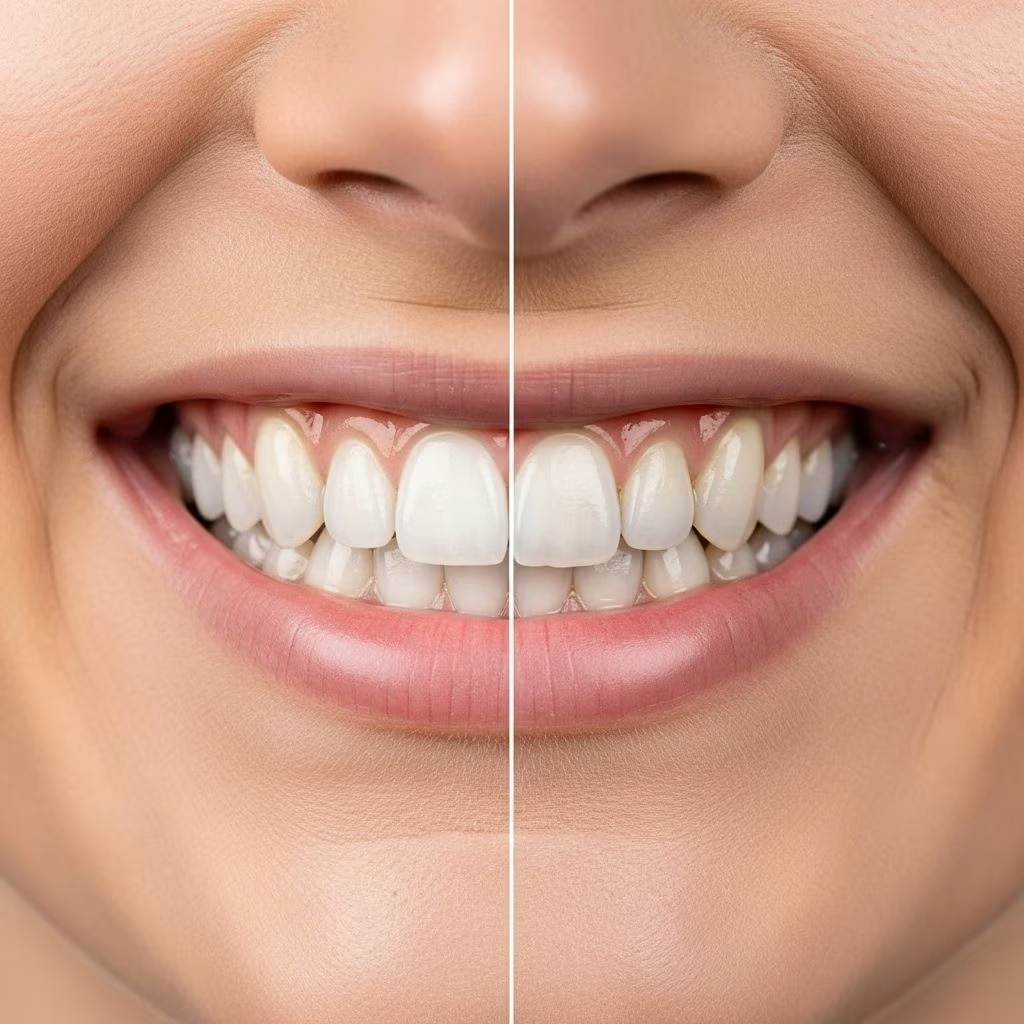
A bright, white smile is a universal symbol of health and confidence. While professional dental whitening treatments deliver dramatic results, many people seek at-home remedies for convenience and cost-effectiveness. However, not all DIY solutions are safe or effective. This comprehensive guide explores the science behind popular at-home teeth whitening methods, highlights what works, and warns against unsafe practices—helping you make informed choices for a brighter, healthier smile.
Understanding Teeth Stains and Whitening
To effectively whiten teeth at home, it’s important to understand how stains form and how different remedies work:
- Extrinsic Stains: Surface stains caused by foods, drinks (coffee, tea, red wine), tobacco, and plaque.
- Intrinsic Stains: Discoloration within the tooth structure, often due to aging, trauma, or certain medications. At-home remedies primarily address extrinsic stains.
Proven At-Home Teeth Whitening Remedies
Baking Soda and Hydrogen Peroxide
Baking soda acts as a mild abrasive that helps polish away surface stains, while hydrogen peroxide is a bleaching agent that breaks down deeper stains.
- How to use: Mix a pinch of baking soda with a few drops of hydrogen peroxide to form a paste. Brush gently for up to two minutes, then rinse thoroughly. Limit use to once or twice weekly to avoid enamel erosion.
- Effectiveness: Research shows baking soda can produce statistically significant whitening, especially over repeated use.
- Safety: Safe in moderation, but overuse can damage enamel and increase tooth sensitivity.
Whitening Toothpaste
Commercial whitening toothpastes contain mild abrasives and low concentrations of hydrogen peroxide or other whitening agents.
- How to use: Brush twice daily as part of your regular oral hygiene routine.
- Effectiveness: Gradual improvement over time; suitable for maintenance but not dramatic whitening.
- Safety: Generally safe for daily use, but some formulations may cause temporary sensitivity.
Oil Pulling
Oil pulling, traditionally with coconut or sesame oil, involves swishing oil in the mouth for about 20 minutes daily.
- How to use: Swish a tablespoon of coconut oil for 15–20 minutes, then spit out and rinse.
- Effectiveness: May reduce plaque and bacteria, but evidence for whitening is limited; best as a supplementary oral health practice.
- Safety: Safe for daily use, but not a primary whitening method.
Activated Charcoal
Activated charcoal is a trendy natural remedy that binds to stains and removes them through mild abrasion.
- How to use: Wet a toothbrush, dip in activated charcoal powder, brush gently, then rinse thoroughly.
- Effectiveness: Can produce noticeable whitening, but studies show mixed results on long-term color stability.
- Safety: May be too abrasive for enamel; use sparingly and avoid daily use.
Questionable or Risky Natural Remedies
Lemon Juice and Citrus Peels
The acidity of lemon juice and citrus peels can remove surface stains but at a high cost to enamel health.
- Effectiveness: Lemon juice can show significant color change, but this is mainly due to enamel erosion rather than true whitening.
- Safety: Highly acidic; frequent use leads to enamel erosion, increased sensitivity, and even more staining over time.
- Bottom line: Not recommended due to irreversible dental damage.
Strawberries and Strawberry Paste
Strawberries contain malic acid, which may help remove surface stains.
- Effectiveness: Some studies suggest a mild whitening effect, but it’s much less than baking soda or charcoal.
- Safety: The acid and sugar content may contribute to enamel erosion and cavities; use with caution.
Turmeric
Turmeric’s intense yellow pigment makes it an unlikely candidate for whitening, despite some anecdotal claims.
- Effectiveness: Little to no scientific evidence supports turmeric as a whitening agent; it may stain teeth and clothing.
- Safety: Generally harmless but not effective for whitening.
Professional vs. At-Home Whitening
Professional Treatments: Dentists use higher concentrations of hydrogen peroxide or carbamide peroxide for faster, more dramatic results—often in a single session.
At-Home Kits: Whitening strips, trays, and gels contain lower concentrations of bleaching agents. Results are typically visible within a few days to two weeks, but are less dramatic than professional treatments.
| Method | Effectiveness | Speed of Results | Safety | Cost |
|---|---|---|---|---|
| Professional Whitening | High | Very fast (1 visit) | High (when done by a professional) | High |
| Whitening Strips/Gels | Moderate | 1–2 weeks | Moderate | Moderate |
| Whitening Toothpaste | Low | Gradual (weeks–months) | High | Low |
| Baking Soda/Peroxide | Moderate | Weeks | Moderate (with proper use) | Low |
| Oil Pulling | Low | Gradual (months) | High | Low |
| Lemon/Citrus | Low (due to erosion) | Fast (but harmful) | Low | Low |
Safety and Risks of At-Home Whitening
While most at-home whitening methods are safe when used as directed, there are risks:
- Enamel Erosion: Abrasives and acids can wear away enamel, leading to sensitivity and increased risk of cavities.
- Tooth Sensitivity: Whitening agents, especially peroxides, may cause temporary sensitivity.
- Gum Irritation: Contact with high-concentration whitening gels can irritate gums; custom-fitted trays minimize this risk.
- Uneven Results: DIY methods may not whiten evenly, especially if you have restorations (crowns, veneers, fillings) that do not respond to whitening agents.
Best Practices for At-Home Teeth Whitening
- Moderation: Limit abrasive and acidic treatments to avoid enamel damage.
- Consistency: Follow product instructions and maintain good oral hygiene.
- Consult a Dentist: If you have sensitive teeth, existing dental work, or persistent staining, consult your dentist before starting any whitening regimen.
- Dietary Choices: Reduce intake of stain-causing foods and drinks, and rinse your mouth with water after consuming them.
- Regular Checkups: Maintain regular dental visits for cleanings and to monitor oral health.
Frequently Asked Questions (FAQs)
Q: Are at-home teeth whitening remedies safe?
A: Many at-home remedies are safe when used in moderation and as directed. However, some natural methods (like lemon juice or excessive baking soda) can damage enamel and should be avoided.
Q: How long does it take to see results from at-home whitening?
A: Results vary by method. Whitening strips and gels may show results in a few days to two weeks, while toothpaste and natural remedies often require weeks to months for noticeable change.
Q: Can at-home whitening work on intrinsic stains?
A: At-home methods primarily address surface (extrinsic) stains. Intrinsic discoloration usually requires professional treatment.
Q: What should I do if my teeth become sensitive after whitening?
A: Stop the treatment and consult your dentist. Sensitivity is often temporary but may indicate enamel damage if persistent.
Q: Are there any foods or drinks to avoid during whitening?
A: Avoid coffee, tea, red wine, and tobacco, as these can stain teeth. Acidic foods and drinks can also increase sensitivity and enamel erosion during whitening.
Conclusion
At-home teeth whitening offers a convenient and affordable way to enhance your smile, but not all methods are created equal. Baking soda, hydrogen peroxide, and certain commercial products can be effective and safe when used properly, while lemon juice and other acidic remedies pose significant risks. For the best results, combine proven at-home methods with good oral hygiene and regular dental care. If you’re unsure which approach is right for you, consult your dentist to ensure safe, effective, and lasting whitening results.
References
- https://www.lwdentist.com/diy-teeth-whitening-what-works-and-what-to-avoid/
- https://pmc.ncbi.nlm.nih.gov/articles/PMC10024105/
- https://health.clevelandclinic.org/is-teeth-whitening-safe
- https://pmc.ncbi.nlm.nih.gov/articles/PMC4058574/
- https://www.healthline.com/nutrition/whiten-teeth-naturally
- https://www.urmc.rochester.edu/news/publications/health-matters/diy-teeth-whitening-too-good-to-be-true
- https://www.ada.org/resources/ada-library/oral-health-topics/whitening
- https://www.palatinedentalassociates.com/the-truth-about-teeth-whitening-what-works/
- https://www.sunbritedental.com/dental-services/cosmetic/blog/do-natural-teeth-whitening-remedies-really-work


