The Complete Guide to Scorpion Repellents and Prevention
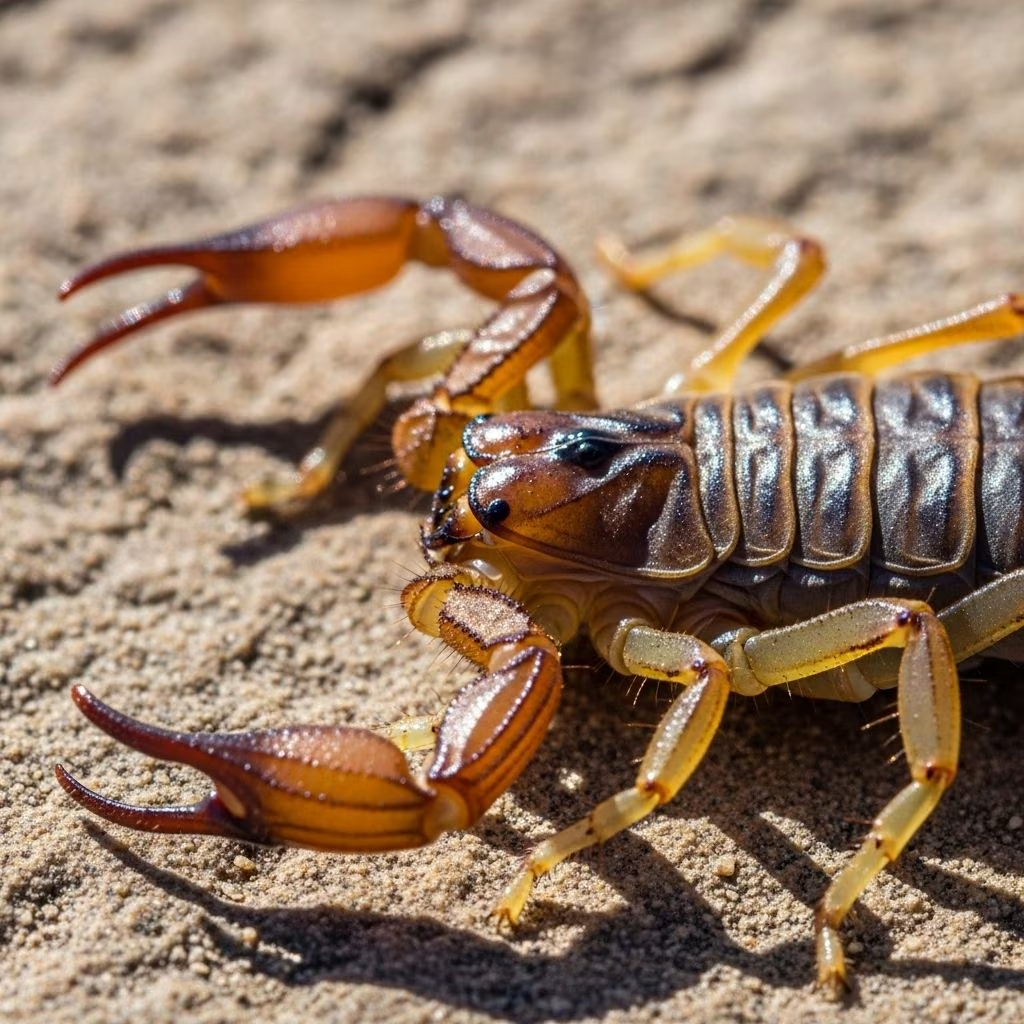
Scorpions are among the oldest land-dwelling arthropods, notorious for their menacing appearance and, in some cases, venomous stings. While they serve an important role in ecosystems, sharing your home or yard with them is hardly comforting. Whether you live in the desert Southwest or a region where scorpions have become more common, understanding the best methods for scorpion control and prevention is essential for safety and peace of mind.
What Draws Scorpions to Homes?
To keep scorpions away, it’s crucial to know what brings them close to human dwellings. Scorpions seek three things:
- Food sources – such as insects and spiders
- Water – accessible moisture can attract scorpions, particularly in dry climates
- Shelter – clutter, dark crevices, and cool hiding spots in and around homes
By minimizing these attractants, you reduce the chances of a scorpion infestation.
Signs of Scorpion Activity
Before implementing repellents, identify if scorpions are present. Key indicators include:
- Finding actual scorpions in bathrooms, kitchens, garages, or yard debris
- Empty or shed exoskeletons (molts) in hidden areas
- Unusual pet or family reactions, like pets barking or humans experiencing unexpected stings
Proven Scorpion Repellent Methods
Several methods stand out when it comes to repelling scorpions. These range from straightforward home maintenance strategies to natural solutions and commercial products. Combining multiple techniques provides the best long-term results.
1. Seal Entry Points
Scorpions can squeeze through incredibly small cracks and crevices. Sealing entry points is a frontline defense:
- Use silicone caulk to fill cracks in walls, door frames, and baseboards
- Install weather stripping around doors and windows
- Ensure screen doors and windows are free of holes or tears
- Check areas where pipes, cables, or wires enter walls, sealing any gaps
2. Reduce Clutter and Maintain Cleanliness
Scorpions favor dark, undisturbed spaces. Protect your areas by:
- Removing piles of firewood, rocks, and debris from yards
- Regularly vacuuming, dusting, and keeping storage areas tidy
- Decluttering closets, basements, and attics
- Minimizing cardboard use for storage, as scorpions can hide inside boxes
3. Install Yellow Bug Lights Outdoors
Regular outdoor lights attract insects, which in turn attract scorpions. Swapping these for yellow bug lights can minimize this cycle, making your home less appealing to both bugs and predators like scorpions.
4. Use Scorpion Repellent Sprays
Commercial scorpion repellent sprays can help when applied around foundations, entryways, and baseboards. When choosing a repellent:
- Opt for sprays labeled safe for children and pets
- Observe all safety instructions and apply regularly for best results
5. Scatter Diatomaceous Earth
Diatomaceous earth is a natural, non-toxic powder composed of fossilized algae. It destroys the waxy exoskeletons of scorpions and insects, causing dehydration and death. To use it effectively:
- Sprinkle a fine layer along baseboards, in attics, behind appliances, and around foundations
- Reapply after cleaning or rainfall outdoors
- Vacuum or sweep up excess after several days
6. Sticky Glue Traps
Placing glue traps in high-traffic areas or where you suspect scorpions are entering offers a dual benefit: trapping pests and identifying their favorite paths. Replace the traps as needed and use them as part of a broader control strategy.
Natural and Plant-Based Scorpion Repellents
If you prefer chemical-free methods or want to supplement your efforts, several plants and essential oils show promise in repelling scorpions.
Key Plants that Repel Scorpions
- Lavender: Its powerful aroma is off-putting to scorpions. Grow lavender beside entryways, patios, or in pots throughout your home.
- Citrus Trees: Lemon, lime, or orange trees emit strong scents unappealing to scorpions. The natural oils can function as barriers when leaves or peels are placed near doors and windows.
- Peppermint: Scorpions dislike strong minty scents. Peppermint oil on cotton balls or potted peppermint plants can act as natural deterrents indoors and outdoors.
- Rosemary: This robust herb is not only a cooking staple but also discourages scorpions and other insects from settling nearby.
- Marigolds: These classic garden flowers add vibrant color while also emitting a fragrance that repels many pests, including scorpions.
Essential Oils as Scorpion Repellents
Several essential oils are rumored to deter scorpions. While purely natural, they should be used carefully, especially if you have pets or small children.
- Lavender oil diluted with water can be sprayed on door frames, window sills, and outdoor boundaries
- Cedarwood oil is another effective choice, often used around foundations and in closets
- Peppermint oil can be sprayed or applied to cotton balls left in scorpion-prone areas
- Reapply oils every few days for continued effectiveness
Note: Essential oils are not as potent as professional treatments and should be combined with other maintenance tactics.
Professional Scorpion Control
For serious or recurring infestations, hiring a professional is often necessary. Pest control experts offer:
- Thorough property inspections to identify nests and entry points
- Application of specialized insecticides (residual and direct-contact)
- Sealing services for cracks, vents, and crawl spaces
- Long-term prevention plans, advice, and follow-up visits
Professional interventions are particularly essential if you discover venomous species or have vulnerable individuals (small children, elderly, or pets) in your home.
Safe and Pet-Friendly Scorpion Repellents
Safety is a top concern, especially for families and pet owners. Most natural repellents and plant-based strategies are considered pet-safe when used as directed. Still, always:
- Keep even natural powders (like diatomaceous earth) away from eating and play areas
- Research plant toxicity before adding new varieties, as some may be harmful if ingested by pets
- Choose insecticides labeled as safe for use around pets and children
FAQs About Scorpion Repellents and Prevention
Q: Are natural repellents effective for scorpions?
A: Natural repellents like lavender, peppermint, and diatomaceous earth can help reduce scorpion activity, especially when combined with home maintenance. However, none guarantee complete protection on their own.
Q: How dangerous are scorpions in residential areas?
A: While most scorpion stings are painful but not life-threatening, some species (like the Arizona bark scorpion) can pose serious health risks, especially to children, seniors, or allergic individuals.
Q: What home maintenance steps can I take to keep scorpions out?
A: Focus on sealing entry points, reducing indoor and outdoor clutter, installing door sweeps and window screens, and addressing other insect issues that may attract scorpions.
Q: Can I handle a scorpion infestation on my own?
A: For small problems, DIY methods can be effective, but persistent or large infestations require professional pest control to ensure safety and long-lasting results.
Q: Which is the safest scorpion repellent if I have pets?
A: Diatomaceous earth and plant-based barriers generally offer effective, low-toxicity options—but always use according to label directions and keep pets from directly ingesting any repellents.
Quick Comparison of Scorpion Repellent Methods
| Repellent Method | Effectiveness | Pet Safety | Notes |
|---|---|---|---|
| Seal Entry Points | High | Safe | Best foundation; prevents all pests |
| Diatomaceous Earth | Moderate | Generally Safe | Keep out of reach of children/pets; use food-grade |
| Repellent Sprays (Chemical) | High | Varies | Always check safety labels |
| Essential Oils | Low-Moderate | Varies | Can irritate pets in large amounts |
| Sticky Glue Traps | Moderate | Safe | Good for monitoring but not prevention |
| Repellent Plants | Low-Moderate | Varies | Some plants are toxic to pets; check species |
| Yellow Bug Lights | Moderate | Safe | Reduces insect, thus scorpion, attraction |
| Professional Pest Service | Very High | Professionally Evaluated | Best for infestations or recurring problems |
Expert Tips for Ongoing Scorpion Prevention
- Inspect your home’s perimeter each season for new cracks or entry points
- Keep shrubs and tree branches trimmed away from the house foundation
- Store firewood and building materials off the ground and away from your residence
- Address excess moisture problems such as leaks, irrigation issues, or sweaty pipes
- Check shoes, towels, bedding, and storage containers before each use, especially in scorpion-prone areas
Conclusion: Achieving a Scorpion-Free Home
Keeping scorpions at bay requires a combination of vigilant home maintenance, effective repellents, and sometimes professional help. The most successful approach leverages both natural deterrents and proven exclusion tactics to achieve long-term safety for your family and pets. By understanding what attracts scorpions and deploying a range of strategies— from plant barriers to pest control services— you can reduce encounters and enjoy a more secure, comfortable living environment.
References
- https://www.fwpest.com/blog/top-10-things-to-consider-when-getting-rid-of-scorpions-in-braintree-massachusetts/
- https://www.angi.com/articles/best-scorpion-repellent.htm
- https://tolerpestcontrol.com/scorpion-repellent/
- https://www.blueskypest.com/blog/how-to-kill-scorpions-the-diy-way/
- https://ortho.com/en-us/insect-control/how-to-identify-control-scorpions.html