How to Remove Dog Urine Stains and Odors
Dealing with dog urine stains and odors is a common challenge for pet owners. Quick and effective cleaning not only restores your home’s freshness but also stops repeat accidents caused by lingering scents. This guide covers proven methods, the science behind urine odor, surface-specific solutions, and prevention tips for a clean, odor-free home.
Why Does Dog Urine Smell Linger?
Dog urine contains water, uric acid, urea, creatinine, and numerous organic compounds. When left untreated, it acts as a breeding ground for bacteria. These bacteria break down urea, releasing ammonia and other foul-smelling substances. The longer the urine sits, the more persistent and challenging the odor becomes.
Quick action to remove both the cause and sources of odor is crucial. Lingering smell signals your dog that this spot is ‘okay’ to pee, fostering repeat accidents.
Masking the odor with air fresheners will not resolve the issue; true odor removal means neutralizing the underlying compounds.
Fast Cleaning: Fresh Dog Urine Stains
Immediate action gives the best chance of totally removing stains and odors. Always keep paper towels, newspaper, and clean water on hand for fast response.
- Blot Quickly: Place a thick layer of paper towels over the wet area. If the stain penetrated deeply (such as on a carpet), place towels below it as well. Lay a thick stack of newspaper on top and press down with your body weight for several minutes to soak up as much liquid as possible.
- Remove Absorbents: Discard the paper towels and newspapers once they are saturated.
- Rinse Area: Rinse the spot with cool water to dilute remaining urine traces.
- Blot Again: Absorb excess moisture with dry towels or use a wet-dry vacuum.
- Check for Residual Odor: Expect the towels to smell—this means the urine is being extracted, which is a good sign.
Odor and Stain Removal Methods
Once you’ve absorbed most of the liquid, focus on eliminating lingering odor and discoloration:
- Enzymatic Cleaners: Specially formulated enzyme-based cleaners break down uric acid and other organic compounds at a molecular level, eradicating not just stains but also stubborn odors. These are typically biodegradable and safe for pets and children, though they may require longer contact time to work effectively.
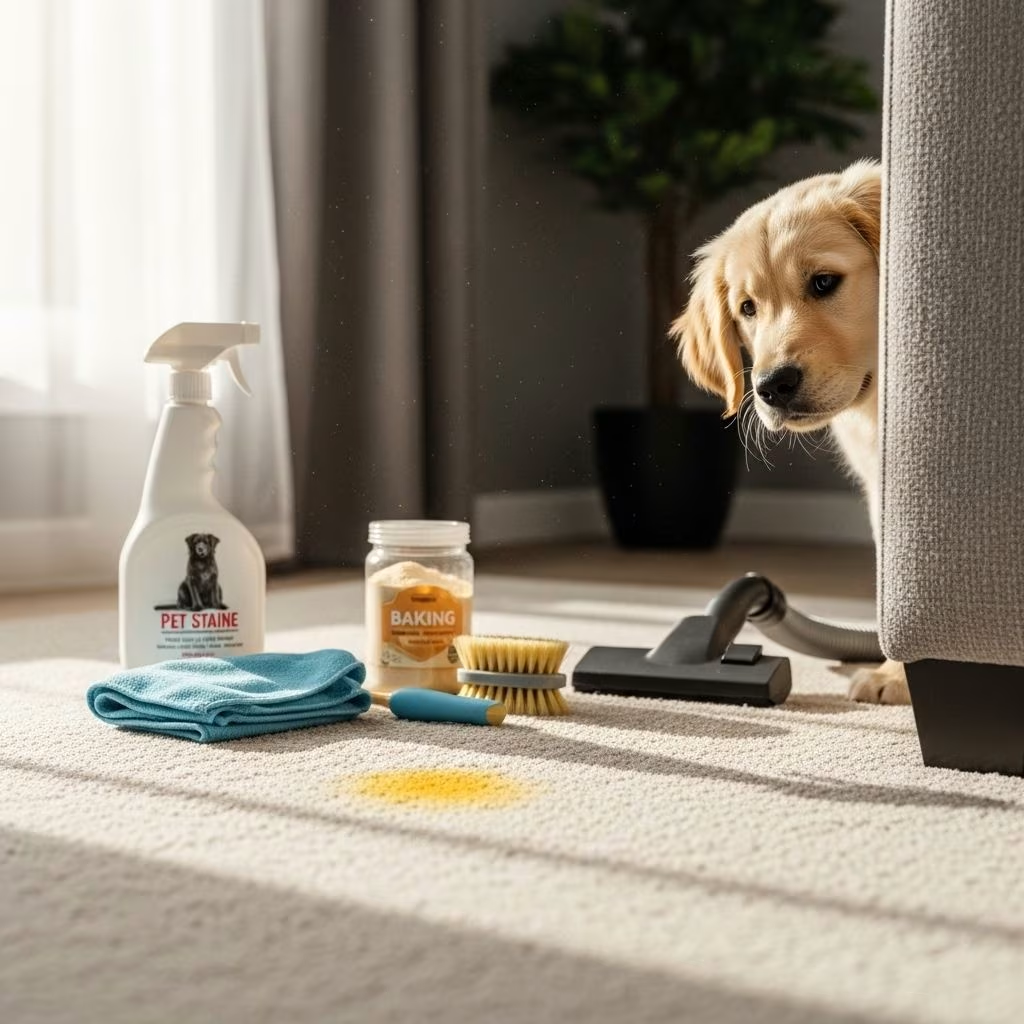
- DIY Solutions: Ingredients like vinegar, baking soda, and hydrogen peroxide are effective for mild spots. Create a mixture of one cup water, one cup white vinegar, and two teaspoons baking soda in a spray bottle. Apply, blot, then sprinkle more baking soda for odor absorption.
- Odor Control: If a faint smell remains, an air purifier may help until deeper cleaning eliminates the odor entirely.
CAUTION: What Not to Use
- Avoid ammonia-based cleaners—dogs may associate the scent with urine and be attracted back to the same spot.
- Do not use undiluted vinegar on wood or delicate fabrics, as it can damage surfaces.
- Be cautious with hydrogen peroxide, as it can bleach dark fabrics or carpets and cause discoloration.
Cleaning Dog Urine from Different Surfaces
The right method often depends on the surface affected:
Carpet & Fabric
- For fresh spots: Blot, rinse with cool water, and re-blot. Use DIY spray or enzymatic cleaner for odor and stain removal.
- For older stains: Homemade solutions may not be strong enough. Use an enzymatic pet stain remover specifically designed for carpets. Check labels for pet safety and follow manufacturer instructions for best results.
- Baking Soda: Sprinkle over the cleaned area and let sit overnight before vacuuming. If discoloration remains on the baking soda, repeat cleaning steps.
- Vacuum: Always finish by vacuuming to lift remaining particles.
Mattresses
- Saturate towels over the wet patch and blot until little liquid remains.
- Do NOT use steam cleaners, as high heat can set stains and odors into the fabric.
- For heavy stains: Use an enzymatic cleaner according to product instructions. For less stubborn marks, sprinkle baking soda and spray with a vinegar solution, or use a diluted hydrogen peroxide and dish soap mix (test for fabric safety first).
Hard Surfaces (Tile, Wood, Vinyl)
- Wipe up urine immediately with towels or absorbent cloths.
- Rinse and clean: Use a pet-safe surface cleaner or mild solution of water and vinegar for odor removal. Avoid undiluted vinegar on wood.
- Finish: Dry the cleaned area fully to prevent warping or surface damage, especially on wood flooring.
Natural vs. Commercial Neutralizers: Pros & Cons
| Neutralizer | Benefits | Drawbacks |
|---|---|---|
| Baking Soda | Absorbs moisture and odors | May leave residue; not effective for deep stains |
| Hydrogen Peroxide | Excellent for removing stains and odors | Can bleach fabric; harmful if ingested by pets |
| White Vinegar | Neutralizes ammonia; effective deodorizer | Can damage wood/fabrics if undiluted |
| Enzymatic Cleaner | Breaks down urine at a molecular level; removes both odors and stains | Requires longer wait times; may be pricier |
DIY Dog-Safe Cleaning Solutions
- Baking Soda: Sprinkle on wet stains, allow to sit, and vacuum up.
- Hydrogen Peroxide + Dish Soap: Mix and apply to affected area (test first for colorfastness).
- Vinegar Solution: Mix equal parts white vinegar and water, spray onto stain, blot, then sprinkle baking soda and vacuum when dry.
- Enzyme Cleaner: Follow product directions, ensuring adequate contact time to break down urine compounds.
- Dawn Dish Soap: When combined with hydrogen peroxide, it can be highly effective on carpets for both stains and odors.
Preventing Repeat Accidents
Removal of all traces of urine odor is key—otherwise, your dog may revisit the same spot. Additional tips to help prevent repeat incidents include:
- Regular Cleaning: Remove traces of previous accidents promptly and thoroughly.
- Training & Routine: Maintain a consistent toileting schedule and reinforce positive habits with rewards.
- Medical Checks: If accidents are frequent or sudden, consult a veterinarian to rule out health issues.
- Behavioral Solutions: If the behavior is established, pet behavioral counseling may be helpful.
- Air Purifiers: Use to temporarily control lingering odors while cleaning protocols are being followed.
Frequently Asked Questions (FAQs)
What is the fastest way to get dog pee out of carpet?
Blot the spot quickly with paper towels and newspaper, rinse with cool water, and blot again. For lingering odor, use baking soda or an enzymatic cleaner.
Are natural solutions like vinegar and baking soda safe?
Yes—when used properly. Vinegar neutralizes ammonia but must be diluted to avoid damaging some fabrics and wood. Baking soda absorbs odors but may need repeating. Test all solutions in an inconspicuous area first.
What is an enzymatic cleaner and why is it recommended?
An enzymatic cleaner uses natural enzymes to break down organic compounds in urine, effectively removing stains and odors. These cleaners work at a molecular level and are generally the most thorough solution.
Can steam cleaning set urine stains?
Yes—using heat (like with a steam cleaner) can permanently set odors and stains in fabric or carpet. Always use cold water and avoid steam until the area is fully cleaned and deodorized.
How do I stop my dog from peeing in the same place?
Remove all traces of odor, reinforce positive toilet habits, and consult a vet if the behavior persists. Persistent accidents could signal medical issues.
Conclusion
Eliminating dog urine stains and odors is possible with prompt action, targeted cleaning methods, and preventive strategies. Use a mix of DIY and commercial enzyme options depending on stain age, surface type, and severity. Remember, safety for pets and surface integrity come first—test cleaners, avoid ammonia-based or harsh chemicals, and foster healthy habits for a fresh, welcoming home for both pets and people.
References
- https://basepaws.com/blog/what-neutralizes-dog-urine
- https://thepetlabco.com/learn/dog/behavior/dog-pees-on-carpet
- https://www.akc.org/expert-advice/home-living/dog-urine-stains/
- https://fotp.com/learn/dog-lifestyle/how-to-get-dog-urine-stains-out-of-almost-anything
- https://www.cuteness.com/article/urine-odor-carpets-steam-cleaner/
- https://www.akc.org/expert-advice/home-living/diy-dog-safe-cleaning-solutions/
- https://www.akcpetinsurance.com/blog/best-diy-pet-stain-removers