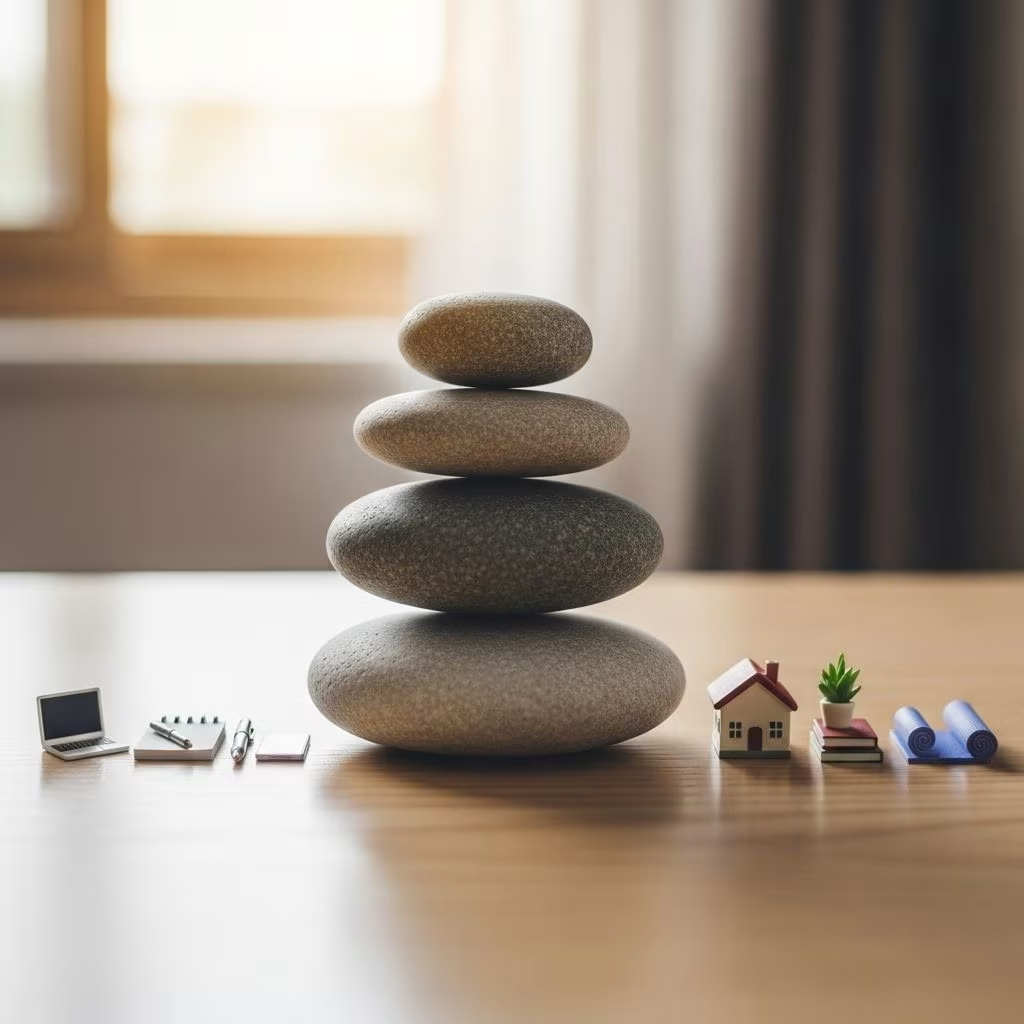
Balancing Home and Work: Staying Centered When Life Is Full of Distractions
In our hyperconnected, always-on world, finding harmony between work and home life feels increasingly elusive. Distractions loom at every turn — ringing phones, urgent emails, and the subtle demands of home and family responsibilities. As technology invades personal spaces and the lines between office and living room blur, the quest for work-life balance becomes not just desirable, but essential for well-being and satisfaction.
The Challenge of Balancing Work and Home in a Distracted World
Many people fantasize about excelling at work, nurturing family, and still finding time for themselves. But reality often brings unmet deadlines, household chores, and fragmented attention. The noise of modern life — from constant notifications to the relentless pace of social and professional commitments — can drown out the voice that guides us towards peace and fulfillment.
What does balance really mean, and is it possible with so many distractions? The answer lies in mindful living, making intentional choices, and practicing gentle self-discipline.
Recognizing the Sources of Distraction
Before one can tackle imbalance, it’s important to name the culprits that pull us away from presence and productivity. Distractions come in many forms:
- External triggers: Phone calls, texts, emails, noise, and unexpected visitors.
- Internal triggers: Restlessness, worry, self-doubt, and the urge to multitask.
- Environmental distractions: Visual clutter, unorganized spaces, or chaotic routines.
- Emotional turbulence: Relationship stress, fear of missing out (FOMO), or mental overload.
Learning to identify which distractions are most persistent in your life is the first step to overcoming them.
Why Work-Life Balance Matters More Than Ever
Continually juggling home and work without boundaries leads to frustration, exhaustion, and even burnout. Research consistently shows that:
- Chronic distractions decrease productivity and heighten stress levels.
- Blurring boundaries impairs relationships and diminishes quality time.
- Neglecting self-care can result in physical and mental health issues.
Work-life balance is not about splitting time equally; it’s about shifting attention purposefully so both arenas feel meaningful and aligned with your values.
Strategies for Achieving Balance Amid Distraction
1. Practice Mindful Awareness
Mindfulness means paying attention to the present moment without judgment. It allows you to gently notice when you’re pulled into distraction so you can return your attention to what matters most.
- Take brief pauses throughout your day to notice your breath or sensations in your body.
- Use grounding techniques like naming five things you can see or hear right now.
- When you catch your thoughts racing or your attention wandering, pause and reset by focusing on the immediate task before you.
These micro-moments of awareness serve as anchors in chaos, helping you route your energy intentionally.
2. Set and Protect Your Boundaries
Boundaries act as invisible fences that keep work from flooding your home life — and vice versa. To establish boundaries effectively:
- Carve out device-free times, such as during meals or family activities.
- Designate physical spaces for work and rest; even a small corner can signal mentally when you’re “on” or “off the clock.”
- Communicate clearly with colleagues and loved ones about your working hours and availability — then stick to them.
- Turn off non-essential notifications and only check email at set times.
Setting boundaries may require difficult conversations or discipline, but it creates vital space for both focus and relaxation.
3. Clarify Your Non-Negotiables
Life’s distractions make it easy for important things to slip through the cracks. It’s crucial to identify and protect what is most valuable to you. Ask yourself:
- Which routines or activities are essential for my health and happiness? (e.g., sleep, exercise, family dinners)
- What do I refuse to compromise, no matter how busy life becomes?
- How will I ensure these priorities aren’t sacrificed to urgent distractions?
Putting your non-negotiables in your calendar or to-do list affirms their importance and makes you more likely to honor them.
4. Embrace Flexibility, Not Perfection
Rigid schedules can backfire, especially when life is unpredictable. A more compassionate approach involves:
- Accepting that some days are unbalanced, but the goal is balance over time.
- Adjusting your expectations when work or home life demands surge.
- Forgiving yourself for days when you drop the ball.
Balance isn’t about perfection — it’s about responding skillfully and making changes as needed.
5. Harness the Power of Single-Tasking
Multitasking may seem efficient, but research shows it fragments attention and increases errors. Instead, try:
- Focusing on one task at a time.
- Setting a timer for 25–50 minutes of focused work followed by a short break (the Pomodoro Technique).
- Batching similar tasks together — like answering emails in a specific window rather than all day long.
Persistently returning your attention to a single priority dramatically improves quality and satisfaction.
Letting Go of Unrealistic Standards
Choosing “Good Enough” Over Perfection
Chasing an ideal version of balance can be exhausting. Instead, reset your standards to embrace “good enough” in both work and home life. This might look like:
- Delegating simple tasks (laundry, errands, childcare) when possible to free up time and reduce stress.
- Accepting that some days, achieving the basics is enough.
- Celebrating small wins, rather than waiting for perfect outcomes.
Defining “success” by your own values, not by external pressures, is liberating.
Asking for Help and Building a Support Network
Striving to do everything yourself is a fast road to overwhelm. Instead, seek support:
- Delegate household chores and errands when possible.
- Reach out to family, friends, or coworkers when you feel stretched thin.
- Trust others to take on responsibilities so you can focus on your health and desired projects.
Connection is a crucial antidote to isolation and stress. Leaning on your support network also models healthy interdependence at home and work.
Strategies for Managing Distractions at Home
1. Create Rituals to Mark Transitions
Establish clear routines that signal work time versus home time. Examples include:
- Beginning each workday with a specific song or beverage, and ending with a walk or meditation.
- Changing clothes after work to mark the shift into family mode.
- Using short rituals — like lighting a candle or setting aside your devices — to create psychological separation.
2. Organize Your Spaces Mindfully
Your environment can either support or sabotage your focus. Try:
- Decluttering workspaces to minimize visual noise.
- Storing distractions — such as TVs or unnecessary gadgets — out of your work zone.
- Placing inspiring items (plants, photos, quotes) where you’ll see them during stressful times.
3. Schedule “Distraction Time”
Instead of battling interruptions all day, give yourself permission for downtime:
- Block out short intervals for social media, personal calls, or even worry breaks.
- Allow yourself moments to decompress, then return to your priority tasks feeling recharged.
Keeping Relationships and Connection Central
Healthy relationships are the lifeblood of meaningful balance. To protect and nurture your connections:
- Engage in regular, gadget-free activities with loved ones.
- Practice active listening and presence during conversations.
- Express appreciation and communicate openly about your needs and limits.
Building in quality time with others reduces resentment and increases your reserves for tackling distractions in other areas.
Self-Care Routines That Resist Distraction
Physical Well-Being
- Prioritize sleep, healthy eating, and movement — these energize you for sustained focus.
- Incorporate small, daily practices, like stretching, hydration, and breath work.
Mental and Emotional Well-Being
- Check in with yourself regularly using journals, reflection, or talking with a trusted friend.
- Give yourself permission to rest and play; creativity often flourishes in downtime.
Finding Your Own Definition of Balance
The path to work-life balance is deeply personal. What feels “balanced” for one person may not suit another. The most sustainable solutions are rooted in self-knowledge, purpose, and honesty about your needs.
| Common Distractions | Counter-Strategies |
|---|---|
| Constant email notifications | Designate fixed times for email, turn off notifications |
| Device overload | Implement tech-free periods and spaces |
| Visual clutter | Organize workspace; declutter regularly |
| Interruptions from family/roommates | Communicate boundaries and use signals for “do not disturb” times |
| Mental restlessness | Practice mindfulness; take regular breaks; journal thoughts |
Frequently Asked Questions (FAQs)
Q: Is it really possible to find balance when life feels overwhelming?
A: Yes, but balance is not about perfection. It’s about noticing your priorities, making intentional changes, and accepting that some days will be less balanced than others. Regularly reassessing and adjusting your approach keeps you centered over the long-term.
Q: How do I maintain boundaries when others don’t respect them?
A: Start by communicating your needs clearly and assertively. Use physical and digital cues, like closed doors or silenced notifications, and calmly reinforce your boundaries as needed. Remember, it often takes time for others to adapt, especially when you change established patterns.
Q: What’s the best way to avoid burnout at home and work?
A: Prioritize self-care and non-negotiables, set realistic expectations, ask for help when needed, and make time for rest and connection with loved ones. Recognize early warning signs of overwhelm and respond with self-compassion and adjustments to your routine.
Q: How can mindfulness help with distractions?
A: Mindfulness grounds you in the present, making you more aware when distractions arise. This awareness lets you gently redirect your focus, reduces anxiety, and fosters greater satisfaction in both work and home life.
Final Thoughts: Embracing Presence Despite Distractions
Work-life balance is an evolving journey rather than a single destination. In a world brimming with distractions, the keys are intention, flexibility, and self-compassion. By bringing mindful awareness to your choices, protecting your most important priorities, and nurturing both work and personal relationships, you can reclaim a sense of harmony and purpose — even when life is at its most hectic.
References
- https://tinybuddha.com/blog/work-fulfillment-blog/why-i-broke-down-mentally-while-striving-for-work-life-balance/
- https://tinybuddha.com/blog/10-ways-to-seize-the-day-and-achieve-greater-work-life-balance/
- https://tinybuddha.com/blog/the-areas-of-our-lives-we-need-to-balance-to-find-peace-and-contentment/
- https://tinybuddha.com/blog/6-tips-work-life-balance-for-people-with-big-dreams-2/
- https://tinybuddha.com/blog/improve-worklife-balance-reclaim-time/
- https://tinybuddha.com/topic/struggling-to-settle-in-new-role/page/2/
- https://tinybuddha.com/blog/9-tips-to-create-a-balanced-life/
- https://tinybuddha.com/topic/struggling-to-settle-in-new-role/page/3/
- https://tinybuddha.com/blog/balanced-living-how-to-stay-on-track/
- https://tinybuddha.com/blog/4-tips-live-balanced-happy-life-fewer-regrets/