A Broken Home: Turning Pain into Purpose
Behind closed doors, many people harbor memories and wounds from broken homes, families fractured by conflict, absence, or unspoken trauma. The impact stretches far beyond childhood, shaping our sense of worth, the voice in our heads, and the way we approach relationships. Yet, amid the rubble of disappointment and longing, it is possible to unearth hope, acceptance, and even immense growth.
Understanding the Depth of a Broken Home
A broken home is more than a phrase; it’s a deeply personal reality marked by experiences such as divorce, estrangement, addiction, mental illness, abuse, or chronic neglect. For some, the cracks began appearing early—with shouting matches, abandonment, or, perhaps even more insidiously, icy silences. For others, the facade of perfection hid decades of coldness, shame, and unspoken pain. The wounds often persist, shaping self-talk, beliefs about love, and a yearning for connection.
Common Struggles from a Broken Home
- Strained relationships with parents or caregivers: Absence, rejection, or patterns of criticism and emotional distance.
- Deep-rooted feelings of inadequacy: A sense of being different, unwanted, or not enough.
- Longing for what could have been: Fantasies about nurturing, intact families seen in movies, at friends’ houses, or holiday events.
- Repeating unhealthy patterns: Struggling with trust, setting boundaries, or finding oneself drawn to relationships that mirror the pain of home.
- Shame and secrecy: Feeling compelled to hide the truth, keep up appearances, or avoid the stigma attached to family wounds.
The Unseen Story: Everyone Has a Struggle
Looking out at the world, it’s easy to believe others have what we lack—supportive parents, tight-knit families, unconditional love. We see the highlight reels of others’ lives through social media, family gatherings, or casual conversations, while covering up the messy reality of our own stories. Many people carry silent scars, stemming from the homes where they first learned to love and be loved. Acknowledging this can be the first step in releasing self-judgment and a sense of isolation.
Recognizing the Hidden Pain in Others
- Most families have their own struggles, conflicts, and moments of brokenness, no matter the outward appearance.
- Even seemingly perfect childhoods can be marked by unmet needs, emotional neglect, or the pressure to suppress vulnerability.
- Understanding this commonality helps foster compassion—for ourselves and for others who appear to “have it all together”.
Why Are Family Wounds So Painful?
Humans are wired for connection. As children, we crave unconditional love, validation, and the sense of safety that comes with attentive caregivers. When those needs are unmet or inconsistently met, the impact is profound. Early pain can leave us questioning our value, blaming ourselves for the faults of adults, and carrying those burdens into every stage of life. The shame of estrangement or family trauma can be particularly acute, as society often idealizes the family bond and attaches stigma to those who distance themselves from relatives.
Why It Feels So Hard
- Attachment Needs: Our parents are our first teachers, shaping our self-view and world-view.
- Societal Expectations: Cultural norms insist that family relationships should be preserved at all costs, making it difficult to validate the choice to step back from harm.
- Persistent Longing: Even after years of hurt, many still hope for reconciliation, for the love they deserved.
- Invisible Grief: The loss of a family relationship isn’t usually marked by funerals or rituals, leaving a private but persistent mourning process.
Shame and the “Perfect Family” Illusion
The notion of the “broken home” often brings with it a sense of shame. Many who grow up in such environments become expert secret-keepers. Protecting the family’s image often takes precedence over healing honest wounds. This silence can feel suffocating, keeping pain alive and blocking the path to authenticity. Challenging these false narratives is a brave act—and one that is often necessary for healing.
Breaking Through Chronic Shame
- Refuse to be defined by the circumstances of your upbringing; your worth is not contingent on family history.
- Share your story, even with just one trusted person, to release the grip of secrecy and shame.
- Recognize that people with seemingly “perfect” families may also grapple with unspoken wounds.
Acceptance: The Foundation for Healing
One of the most powerful—though initially painful—steps on the healing journey is acceptance. This doesn’t mean condoning harmful behavior or denying justifiable longing. Rather, it’s the process of seeing things as they are, rather than as we wish they could be. Acceptance allows us to move forward, to release hope for a different past, and to create space for growth and change.
What Acceptance Is (And Isn’t)
| Acceptance Is | Acceptance Isn’t |
|---|---|
| Facing reality without denial | Approving or excusing hurtful actions |
| Letting go of “if only” thinking | Giving up on hope for a better future |
| Finding peace within yourself | Forgetting or erasing the pain |
| Reclaiming your power to choose your response | Forcing relationships that remain damaging |
Finding Meaning in the Ruins
The past can inform, but it need not determine, the fullness of your life today. Many who have journeyed through brokenness eventually align with new sources of meaning: authenticity, compassion for self and others, a drive to create healthier relationships, and an empowered sense of self-worth. Pain is not a life sentence; instead, it can foster deep resilience, empathy, and clarity about what truly matters.
Lessons Gained
- Self-compassion: Learning to care for ourselves in the ways our parents could not.
- Healthy boundaries: Gaining the clarity and courage to set limits to protect our well-being.
- Real connection: Choosing relationships where trust, honesty, and mutual respect are present.
- Purpose from pain: Channeling lived experience into advocacy, helping others, or creative pursuits.
Hope Beyond the Brokenness
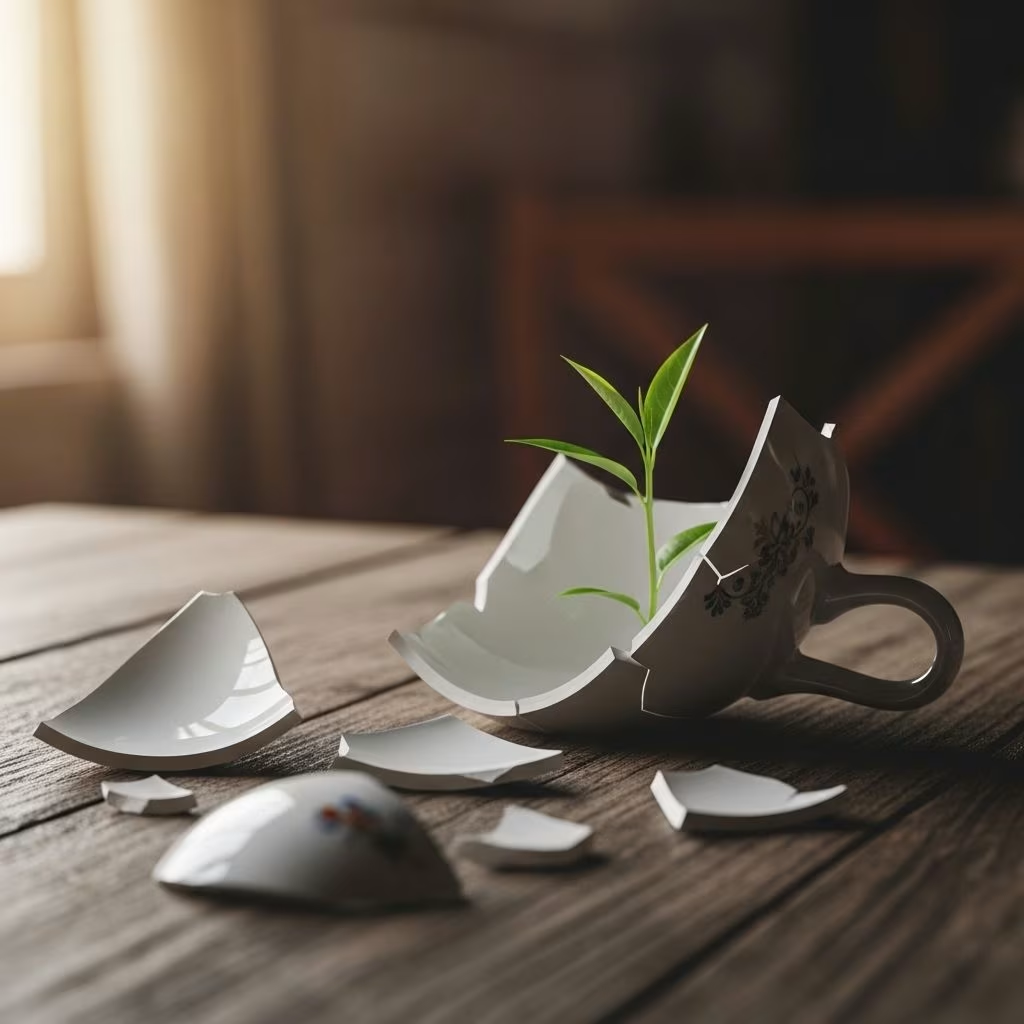
The healing journey is rarely linear. There are moments of grief, anger, longing, and regret, often revisited at major life milestones. But each act of self-understanding, each boundary drawn, and each compassionate gesture—toward oneself and others—adds one brick to a new, sturdier home: the self you are building, intentional and imperfect, but truly yours.
There are ways to find hope beyond broken roots:
- Build a “chosen family” of friends, mentors, and loved ones who accept you as you are.
- Invest in your own well-being through therapy, spiritual practices, self-reflection, and creative outlets.
- Embrace the freedom to define your story, separate from the one you inherited.
- Practice gratitude for moments of connection and healing, however small.
- Support others who share your struggle, bringing generational cycles of pain into the light.
Frequently Asked Questions (FAQs)
Q: Can you ever truly heal from a broken home?
A: Healing from family pain is a lifelong process rather than a final destination. While residual sadness may linger, self-compassion, acceptance, and new relationships can allow you to live a deeply meaningful life.
Q: Should I try to reconcile with toxic family members?
A: Only you can decide what is healthiest for you. Reconciliation is not always possible or safe. Sometimes, distance or estrangement is the most compassionate choice for your well-being, despite cultural pressures to “keep the peace.”
Q: How do I deal with the stigma of estrangement or family dysfunction?
A: You are not alone—many struggle in silence. As you share your authentic story, even with a few trusted people, you reduce the grip of stigma and help others to do the same.
Q: What can I do to stop repeating unhealthy patterns in my own relationships?
A: Awareness is the crucial first step. Reflect on learned beliefs from your family of origin, seek support from mental health professionals or support groups, and practice new ways of relating—grounded in honesty, respect, and care for yourself and others.
Q: Is it possible to create a sense of family if you don’t have one?
A: Absolutely. Many people build deep and lasting “chosen families” through friends, partners, and communities that provide love, acceptance, and a sense of belonging that may have been missing at home.
Building Your Own Path Forward
Life after growing up in a broken home is not defined by the pain that came before. Through acceptance, ongoing self-compassion, and commitment to building healthier connections, you can rewrite your narrative. You can become not just a survivor, but a builder of something beautiful: a home within yourself, and among those you choose to love. In that, there is hope for everyone.
References
- https://tinybuddha.com/blog/what-my-parents-did-to-me-and-why-i-cut-them-out-of-my-life/
- https://tinybuddha.com/blog/dear-everyone-who-tells-me-i-should-reconcile-with-my-parents/
- https://tinybuddha.com/blog/family-estrangement-3-stories-and-the-advice-you-need-to-hear/
- https://tinybuddha.com/fun-and-inspiring/a-broken-home/
- https://tinybuddha.com/blog/how-to-cope-with-a-toxic-family-relationship/
- https://tinybuddha.com/blog/lost-love-how-to-survive-and-seize-the-future/
- https://tinybuddha.com/blog/change-life-feel-like-nothing-going-way/