There’s something magical about the bar experience—the ambient lighting, the clinking of glasses, the expertly crafted cocktails, and the social atmosphere that makes every visit memorable. But what if you could capture that same magic without leaving your home? Creating an authentic bar experience in your own space isn’t just about having drinks available; it’s about crafting an environment that engages all your senses and provides that special feeling you get when you step into your favorite watering hole.
Whether you’re looking to impress guests at your next gathering or simply want to elevate your evening routine, transforming part of your home into a bar-worthy space is more achievable than you might think. From the physical setup to the drinks you serve, and from the atmosphere you create to the entertainment you provide, every element plays a crucial role in recreating that coveted bar experience.
Setting Up Your Physical Bar Space
The foundation of any great home bar experience starts with the physical space itself. You don’t need a massive area or expensive renovations to create something special. A dedicated corner, a repurposed cabinet, or even a stylish bar cart can serve as your home bar headquarters. The key is making it functional and visually appealing.
Choose the right location for your bar setup. Consider positioning it in an area that naturally draws people in, such as near your living room or dining area. If you have the luxury of space, a dedicated room or a tucked-away nook can create that exclusive speakeasy vibe that makes the experience feel even more special.
Invest in quality bar furniture that matches your style. Bar stools with comfortable seating encourage guests to linger, while a proper bar counter at the right height makes drink preparation feel professional. The surface material matters too—opt for something that can handle spills and moisture, like sealed wood, marble, or granite.
Storage solutions are essential for keeping your bar organized and functional. Install shelving to display your spirits collection, creating visual interest while keeping bottles accessible. Use drawers or cabinets for bar tools, napkins, and other essentials. A well-organized bar not only looks better but makes the bartending process smoother and more enjoyable.
Essential Bar Equipment and Tools
Having the right tools transforms amateur drink-making into professional-level mixology. While you don’t need every gadget under the sun, certain essentials will significantly improve your cocktail game and make the experience feel more authentic.
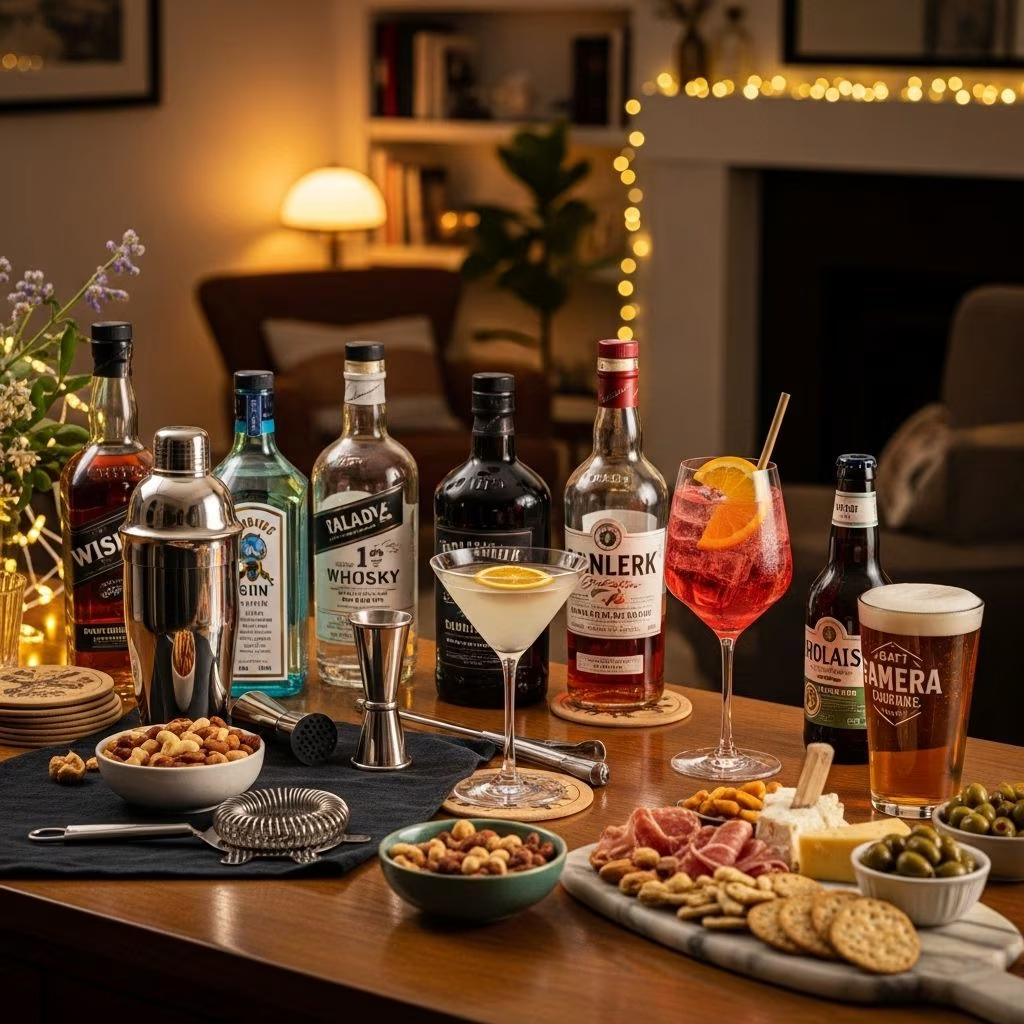
A quality cocktail shaker is non-negotiable. Choose between a Boston shaker (preferred by professionals) or a cobbler shaker (easier for beginners). Both work excellently, so pick what feels comfortable in your hands. Pair it with a Hawthorne strainer for perfect pours every time.
Jiggers ensure precise measurements, which is crucial for consistent cocktails. Having both 1-ounce and 2-ounce measurements on a double-sided jigger covers most recipe needs. A long bar spoon isn’t just for stirring—it’s perfect for layering drinks and reaching the bottom of tall glasses.
Invest in proper glassware to elevate the presentation. Start with versatile options like rocks glasses, highball glasses, and martini glasses. As your collection grows, add specialty glasses for specific drinks like coupe glasses for champagne cocktails or copper mugs for Moscow Mules. The right glass doesn’t just look good—it enhances the drinking experience.
Don’t forget about ice management. A quality ice maker or large silicone ice molds for crafting oversized cubes make a significant difference. Clear ice cubes melt slower and look more professional, while crushed ice is perfect for tiki drinks and juleps.
Building Your Spirits Collection
A well-stocked bar doesn’t mean having every bottle imaginable. Instead, focus on quality over quantity, building a collection of versatile spirits that can create dozens of classic cocktails. Start with the foundational spirits and expand based on your preferences and the drinks you enjoy most.
The essential base spirits include vodka, gin, rum (both light and dark), tequila, and whiskey (bourbon and rye). These six categories form the backbone of most classic cocktails. Choose mid-range bottles that offer good quality without breaking the bank—you can always upgrade specific bottles as your palate develops.
Liqueurs and modifiers add complexity and variety to your cocktail repertoire. Stock sweet and dry vermouth for martinis and manhattans, triple sec or Cointreau for margaritas and cosmos, and Campari for negronis. Having a bottle of simple syrup (or the ingredients to make it), bitters (Angostura and orange), and fresh citrus juices opens up countless cocktail possibilities.
Consider adding a few specialty items that reflect your taste. Perhaps you love Old Fashioneds, so a quality bottle of bourbon becomes your centerpiece. Maybe you’re into tiki drinks, making various rums and exotic liqueurs your focus. Personal touches make your home bar unique and give you signature drinks to serve guests.
Mastering Signature Cocktails
Every great bar has signature drinks, and your home bar should too. Rather than attempting to master every cocktail in existence, focus on perfecting a handful of drinks you can make confidently and consistently. This approach impresses guests while reducing stress during entertaining.
Start with three to five classic cocktails that use your base spirits. An Old Fashioned, Margarita, Martini, Mojito, and Whiskey Sour cover different spirit categories and flavor profiles. Practice these until you can make them without consulting recipes, adjusting sweetness and strength to your preference.
Develop your own signature creation that becomes your calling card. Experiment with flavor combinations, trying different spirits, mixers, and garnishes until you find something unique. Give it a clever name and perfect the recipe through repeated testing. When guests ask what they should try, you’ll have a confident answer that showcases your creativity.
Pre-batching cocktails for parties removes stress while maintaining quality. Drinks like Negronis, Manhattans, and Martinis can be mixed in large quantities ahead of time and stored in the refrigerator or freezer. Simply pour over ice when guests arrive, and you’ll look like a professional without the last-minute scramble.
Creating the Perfect Ambiance
The atmosphere separates a simple drink at home from a genuine bar experience. Lighting, music, and decor work together to transport you and your guests to that special place where time slows down and conversation flows freely.
Lighting sets the mood more than any other single element. Replace harsh overhead lights with warm, dimmable options. String lights create a casual, welcoming glow, while Edison bulbs in vintage fixtures add sophistication. Candles provide flickering ambiance and work especially well for intimate gatherings. Consider installing LED strips under bar shelves to backlight your bottle collection for a professional look.
Music selection requires thoughtfulness. Create playlists for different occasions—upbeat jazz for lively gatherings, mellow acoustic for relaxed evenings, or classic rock for casual hangouts. Keep the volume at a level where conversation flows naturally without shouting. A quality Bluetooth speaker ensures good sound without complicated setups.
Decor elements bring personality to your space. Vintage bar signs, framed cocktail recipes, or artwork featuring your favorite spirits add visual interest. Plants soften the space and improve air quality. Personal touches like photos from memorable nights out or souvenirs from distillery visits make the space uniquely yours.
Stocking Bar Snacks and Appetizers
No bar experience is complete without something to nibble on. Having the right snacks available keeps guests satisfied and enhances the drinking experience by providing palate cleansers between cocktails.
Classic bar snacks require minimal preparation but deliver maximum impact. Keep your pantry stocked with mixed nuts (roasted and salted for that authentic bar taste), pretzels, olives, and quality potato chips. These basics require zero preparation but feel appropriate in a bar setting.
Elevate your offerings with simple homemade options that impress without demanding hours in the kitchen. A cheese and charcuterie board takes minutes to assemble but looks sophisticated and pairs beautifully with drinks. Include a variety of textures and flavors—soft and hard cheeses, cured meats, crackers, fresh and dried fruits, and nuts.
Consider preparing one or two hot appetizers for special occasions. Sliders, chicken wings, loaded nachos, or bacon-wrapped dates can be prepped ahead and quickly finished when guests arrive. Having something warm and savory enhances the experience and shows thoughtfulness in your hosting.
Interactive Entertainment Options
Bars aren’t just about drinks—they’re social hubs where people connect through shared activities. Incorporating entertainment elements into your home bar experience creates lasting memories and gives guests reasons to linger.
Classic bar games never go out of style. A dartboard on the wall provides friendly competition without taking up much space. Pool tables make a statement if you have the room, or consider tabletop versions that fold away when not in use. Card games, dice games like Liar’s Dice, or even a deck of conversation starter cards keep groups engaged.
Create cocktail-making experiences where guests become participants rather than just consumers. Set up a DIY cocktail station with recipes, ingredients, and tools, letting people craft their own drinks. Host blind taste tests comparing different spirits or cocktail variations. Teaching guests to make signature drinks turns the evening into an interactive workshop they’ll remember.
Modern technology offers new entertainment possibilities. Set up a large screen for sports viewing, creating a sports bar atmosphere during big games. Stream live music performances or comedy shows. Video chat with friends who can’t be there in person, making them virtual guests at your home bar.
Seasonal Themes and Special Occasions
Adapting your home bar experience to seasons and special occasions keeps things fresh and gives you reasons to experiment with new drinks, decorations, and themes.
Summer calls for refreshing, fruit-forward cocktails served in the backyard or patio. Stock up on fresh herbs like mint and basil, tropical fruits, and light spirits. Tiki torches, citronella candles, and outdoor string lights create a tropical oasis vibe. Frozen drinks and punch bowls become the stars of summer entertaining.
Fall and winter demand cozier approaches. Dark spirits, warming spices, and rich flavors take center stage. Apple cider cocktails, hot toddies, and boozy hot chocolate feel appropriate when temperatures drop. Swap bright summer decor for warmer tones, add blankets to seating areas, and consider a small fireplace or space heater to create that cozy tavern atmosphere.
Holiday-specific themes offer endless creativity. Valentine’s Day calls for romantic red cocktails and champagne. St. Patrick’s Day means Irish whiskey and green beer (or more sophisticated Irish coffee). Halloween invites spooky garnishes and smoke effects, while Christmas encourages festive punches and winter spices. Themed decorations, specialty cocktails, and appropriate music make each occasion memorable.
Perfecting Your Bartending Skills
Technical proficiency elevates your home bar from amateur to professional level. While you don’t need to attend bartending school, learning fundamental techniques makes a noticeable difference in drink quality and presentation.
Shaking and stirring aren’t interchangeable—each serves a specific purpose. Shake cocktails containing citrus juice, dairy, eggs, or thick ingredients to properly combine them and create aeration. Stir spirit-forward drinks like Martinis and Manhattans to maintain clarity and silky texture. Master the hard shake technique for proper dilution and temperature.
Garnishing transforms drinks from ordinary to Instagram-worthy. Learn to cut proper citrus twists, creating aromatic oils that enhance drinks. Master the art of expressing oils over cocktails before dropping in the garnish. Fresh herbs should be slapped between your palms to release aromatics before garnishing. Even simple garnishes like quality cherries or olives on cocktail picks add polish.
Understanding balance is crucial for adjusting recipes to taste. The classic cocktail structure balances spirit, sweet, sour, and sometimes bitter elements. If a drink tastes too sweet, add citrus. Too sour? Add simple syrup or liqueur. Too strong? Add dilution through more ice or a splash of water. Tasting and adjusting separates good bartenders from great ones.
Managing Your Home Bar on a Budget
Creating an impressive home bar experience doesn’t require unlimited funds. Strategic choices allow you to build something special while respecting financial constraints.
Start small and expand gradually. Begin with equipment and spirits needed for three favorite cocktails, then add one new item monthly. This approach spreads costs over time while building expertise with each addition. Avoid the temptation to buy everything at once—you’ll likely find that certain bottles or tools rarely get used.
Smart shopping strategies save significant money. Buy spirits at duty-free shops when traveling for substantial savings. Join loyalty programs at local liquor stores for discounts and early access to limited releases. Purchase larger bottles when possible—the per-ounce cost drops significantly. Consider house brands for mixers and less prominent ingredients while investing in quality base spirits.
DIY projects reduce costs while adding personal touches. Make your own simple syrups, infused spirits, and bitters at a fraction of retail costs. Build bar shelving from reclaimed wood or repurpose furniture as bar storage. Create garnishes from items in your garden or local farmers market. Handmade elements often look better and feel more authentic than store-bought alternatives.
Hosting Memorable Bar Nights
All the preparation culminates in hosting experiences that guests talk about long after they’ve gone home. Successful bar nights require planning but shouldn’t feel stressful or overly formal.
Plan your menu around drinks you’ve practiced and can make confidently. Limit cocktail options to three or four choices plus beer and wine to avoid overwhelming yourself. Prep everything possible beforehand—cut garnishes, make simple syrups, chill glasses, and batch cocktails when appropriate. A well-prepared host can actually enjoy their own party.
Create a welcoming arrival experience. Have a signature welcome cocktail ready when guests arrive, saving them from making decisions while still getting settled. Prepare a small tasting flight of different spirits or cocktail variations as an icebreaker. First impressions set the tone for the entire evening.
Pace yourself and your guests throughout the night. Offer water between cocktails and ensure substantial food is available. Have a plan for guests who shouldn’t drive—arrange rideshares, offer to call taxis, or prepare guest accommodations. Responsible hosting ensures everyone has fun safely.
Frequently Asked Questions
Q: How much does it cost to set up a basic home bar?
A: A functional starter home bar can be established for $300-500, including essential tools ($50-75), basic glassware ($50-75), and a selection of foundational spirits and mixers ($200-350). This budget allows for quality mid-range bottles and professional-grade tools without breaking the bank.
Q: What are the five most important spirits to have in a home bar?
A: The five essential spirits are vodka, gin, rum, tequila, and whiskey (bourbon or rye). These base spirits enable you to create dozens of classic cocktails and provide variety for different guest preferences. Add vermouth and a few liqueurs to expand your options significantly.
Q: How do I make cocktails taste as good as bar cocktails?
A: The secret lies in using quality ice (large, clear cubes), fresh ingredients (especially citrus juice), proper measurements with a jigger, and correct technique (knowing when to shake versus stir). Additionally, serving drinks in appropriate glassware at the right temperature makes a substantial difference.
Q: What’s the best way to store opened spirits?
A: Store spirits upright in a cool, dark place away from direct sunlight and heat sources. Most spirits last indefinitely when properly stored, though opened bottles are best consumed within 1-2 years for optimal flavor. Liqueurs and cream-based drinks have shorter shelf lives and should be refrigerated after opening.
Q: How can I create a bar atmosphere in a small apartment?
A: Use a bar cart as a mobile, space-efficient solution that can be moved when needed. Install floating shelves for bottle display, use multi-functional furniture, and focus on ambiance through lighting and music rather than size. A well-designed small bar can feel just as authentic as a large dedicated space.
Q: Should I offer non-alcoholic options at my home bar?
A: Absolutely. Stock quality non-alcoholic options including craft sodas, interesting juices, sparkling water, and ingredients for mocktails. This ensures all guests feel included and provides alternatives for designated drivers or those choosing not to drink. Many classic cocktail recipes work beautifully as alcohol-free versions.
References
- https://www.carolinacraftsontap.com/how-to-create-an-interactive-bar-experience-your-guests-will-love/
- https://archierose.com.au/journal/recreating-the-cocktail-bar-experience-at-home
- https://www.robinhearddesign.com/post/creating-a-luxury-bar-space-at-home-how-to-recreate-a-five-star-resort-experience
- https://imbibemagazine.com/how-to-make-your-dream-home-bar-a-reality/
- https://www.knoxnews.com/story/entertainment/columnists/2020/04/08/nightlife-virtual-happy-hour-coronavirus-stay-at-home-order/2957531001/
- https://in.thebar.com/articles/home-cafe-meets-home-bar-how-to-craft-gin-experiences-at-home