Enjoy Delicious Espresso at Home: Your Comprehensive Guide to Choosing the Right Espresso Machine
Dreaming of starting your morning with a smooth, aromatic espresso shot without stepping out to a café? With the right espresso machine, you can enjoy barista-quality coffee in your own kitchen—every day. Whether you’re a coffee enthusiast or a curious beginner, this guide will help you navigate the world of espresso makers, highlighting must-have features, essential buying tips, and budget-friendly picks to make espresso a daily habit you’ll love.
Why Brew Espresso at Home?
Making espresso at home has become more accessible and enjoyable than ever before. Advances in espresso machine technology deliver café-quality results without the steep learning curve or price tag once associated with professional gear. Today’s machines are designed to combine convenience, durability, and style, putting rich, robust espresso at your fingertips.
- Save Money: Skip daily coffee runs and save money in the long run.
- Convenience: Enjoy your favorite coffee drinks at any time, exactly how you like them.
- Customization: Experiment with grind size, extraction times, and milk frothing to perfect your signature brew.
What Makes a Great Home Espresso Machine?
The best espresso machine for you depends on your budget, space, coffee preferences, and how hands-on you want the brewing process to be. Here’s what experts recommend looking for when shopping for your ideal machine:
- Pressure: Choose a machine with at least 15 bars of pressure, which is the sweet spot for real espresso extraction.
- Consistent Temperature: Look for models that offer stable brewing temperatures for consistent results.
- Portafilter Quality: Sturdier metal portafilters usually produce better shot quality compared to plastic ones.
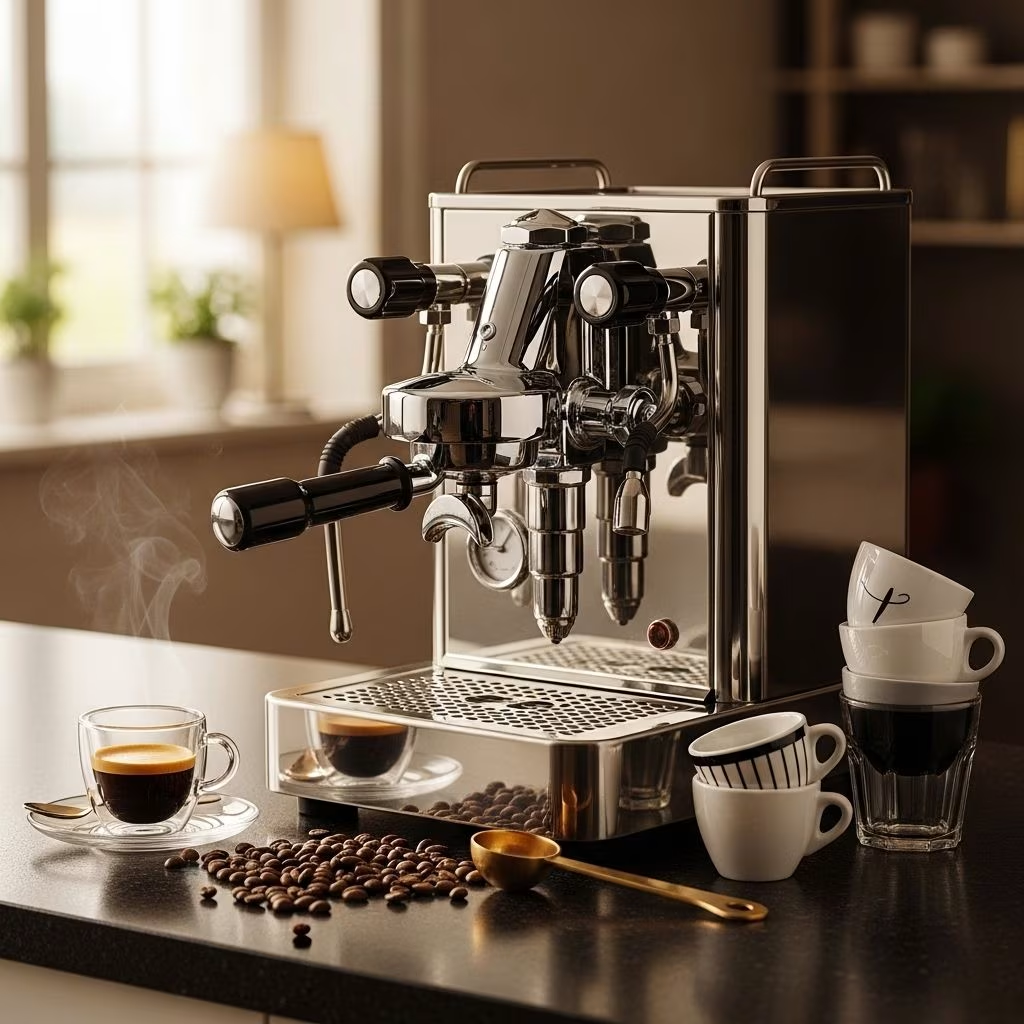
- Steam Wand: A swivel, stainless steel steam wand lets you texture milk for lattes and cappuccinos.
- Ease of Use and Cleaning: Removable water tanks, intuitive controls, and straightforward cleaning routines keep the experience hassle-free.
- Size: Make sure the machine fits your counter space—compact footprints now pack serious power.
- Compatibility: Models that accept both ground coffee and pods offer greater flexibility, especially for beginners.
Types of Home Espresso Machines
Espresso machines range from simple manual presses to advanced semi-automatics and all-in-one models. Here’s a breakdown to help you find your match:
| Type | Features | Best For |
|---|---|---|
| Manual | Hands-on lever action, full control over every aspect, requires practice | Coffee purists, enthusiasts |
| Semi-Automatic | Automated pump/action, control over timing and shot consistency | Home baristas, hobbyists |
| Automatic | Programmable shot volume, hands-free brewing | Busy users, convenience-seekers |
| Super-Automatic | All-in-one: grinds, tamps, brews, and froths milk on the push of a button | Ultimate convenience, minimal effort |
| Hybrid/Pod Machines | Compatible with pods as well as ground coffee, easy operation | Quick espresso drinks, casual users |
Must-Have Features for Espresso Machine Shoppers
Not all espresso machines are created equal. As you compare models, keep an eye out for these must-have features:
- 15-Bar Pump System: Delivers true espresso and rich crema.
- Metal Portafilter: Durable, improves heat retention, and enhances taste extraction.
- Temperature Stability: Machines with PID controllers or thermocoil systems hold steady temperatures for better consistency.
- Swivel Steam Wand: Essential for micro-foam milk texture and latte art.
- Removable Water Reservoir: Easier to refill and clean, especially for daily use.
- Sized for Small Kitchens: Compact models can still deliver big flavor.
- Pre-Ground Coffee & Pod Support: Helps beginners or those seeking speed and simplicity.
Top Budget and Entry-Level Espresso Machines
If you’re just getting started or want reliable, everyday espresso without a huge investment, many outstanding machines now deliver professional results for far less than you might expect. Here are expert favorites for affordability and function:
- De’Longhi Stilosa: Reliable 15-bar pressure and manual frother ensure genuine espresso and silky milk foam. At under $100, it’s a surprise standout with consistency well above its price.
- Breville Bambino Plus: Three-second heat-up and automatic milk texturing, with the extra benefit of a small size—ideal for kitchens short on counter space.
- Cuisinart EM-100: Compact, sturdy, and capable of strong espresso shots. A great choice for dependable daily brewing.
Quick Comparison Table: Entry-Level Espresso Machines
| Model | Pressure | Milk Frother | Footprint | Key Advantage |
|---|---|---|---|---|
| De’Longhi Stilosa | 15-bar | Manual | Compact | Affordably consistent shots |
| Breville Bambino Plus | 15-bar | Auto + Manual | Ultra-compact | Fast heat, easy frothing |
| Cuisinart EM-100 | 15-bar | Manual | Compact | Durable, tasty extraction |
Beginner’s Buying Guide: What to Look For
Buying your first espresso machine can be daunting—so focus on the essentials. Here’s what coffee experts suggest:
- Simple Controls: Machines with toggle switches or basic buttons are easier to learn than models with dozens of options.
- Forgiving Design: Features such as pressurized portafilters and compatibility with pre-ground coffee help minimize early mistakes.
- Room to Grow: Select a model that supports accessories and lets you explore advanced techniques like flow control or latte art.
- Solid Build Quality: Stainless steel and brass components last longer and provide greater reliability than most plastic equivalents.
- Reputable Support: Choose brands that are known for good customer service and have accessible repair options.
Types of Boilers to Consider
Understanding boiler types helps you predict how quickly you can make multiple drinks and how much control you’ll have over the espresso-making process:
- Single Boiler: Handles brewing and steaming, but not simultaneously. More affordable, suitable for beginners, but requires waiting between tasks.
- Heat Exchanger (HX): A single boiler with internal heat exchange allows you to brew and steam at the same time, boosting speed and workflow.
- Dual Boiler: Separate boilers for brewing and steaming. This setup provides maximum temperature control and speed for back-to-back drinks, ideal for aspiring experts or larger households.
Premium Espresso Machines: What to Expect
For those ready to invest a bit more in their espresso journey, premium machines ($500–$1,500+) deliver:
- PID Temperature Control: Digital precision within a degree or two gives more consistent results.
- Commercial Group Heads: E61 or similar heads offer improved thermal stability and better pre-infusion.
- Professional-Grade Components: Stainless steel bodies, brass or copper boilers, and commercial-quality pumps ensure long-term reliability.
- Larger Portafilters (58mm): More professional accessories and improved extraction.
Espresso Accessories That Make a Difference
The right accessories can amplify your espresso experience and help unlock the full potential of your machine:
- Burr Grinder: Quality espresso starts with a consistent grind; burr grinders beat blade grinders every time.
- Tamper: A properly fitting tamper ensures even extraction for balanced, flavorful espresso shots.
- Milk Pitcher: Ideal for practicing latte art and frothing.
- Knock Box: Makes disposing of spent grounds neater and easier.
- Cleaning Tools: Brushes, descalers, and cleaning tablets keep your machine running—and tasting—fresh.
Maintaining Your Espresso Maker: Tips for Longevity
Even the best machines require routine care to perform at their best. Here’s how to keep yours in tip-top shape:
- Descale Regularly: Prevent mineral buildup by descaling your machine every few months, especially if you use hard water.
- Clean Group Head and Portafilter: Wipe and rinse between shots; deep clean weekly to prevent residue and bitter flavors.
- Empty and Rinse Water Tank: Avoid stagnant water by emptying and rinsing the tank if unused for more than a couple of days.
- Check for Leaks and Wear: Regularly inspect all seals, hoses, and fittings to catch problems early.
Expert Tips for Brewing Better Home Espresso
Once your machine is set up, a few barista tricks can help perfect your daily shot:
- Use Fresh Coffee: Quality beans ground just before brewing will always taste better.
- Dose and Tamp Consistently: Measure your grounds and tamp evenly for balanced extraction.
- Purge Before Brewing: Run a small amount of water through the group head to remove old grounds and stabilize temperature.
- Dial in Grind Size: Adjust grind fineness until you achieve a 25–30 second extraction time for a double shot.
- Steam Milk Last: Always steam your milk immediately before pouring for best texture and temperature.
Frequently Asked Questions (FAQs) About Home Espresso Machines
Q: What’s the difference between espresso and regular coffee?
A: Espresso is made by forcing hot water under pressure through finely ground coffee, resulting in a concentrated shot with a layer of crema. Regular coffee is typically brewed at lower pressure and is less concentrated.
Q: How important is grinder quality?
A: Using a burr grinder is crucial for producing the even, fine grounds necessary for espresso. An inconsistent grind leads to uneven extraction and less flavorful results.
Q: Can I use pre-ground coffee?
A: Many machines support pre-ground coffee, which is convenient for beginners. However, grinding fresh beans always yields the best flavor and aroma.
Q: How often should I clean and descale my machine?
A: Clean the portafilter and group head after every use. Descale the machine every 1–3 months, depending on water hardness, to prevent mineral buildup and maintain taste quality.
Q: Can I make lattes and cappuccinos with all espresso machines?
A: Most machines with a steam wand allow you to froth milk for drinks like lattes and cappuccinos. Manual and entry-level models usually include a basic wand, while higher-end models offer more powerful, flexible options.
Final Thoughts: Start Enjoying Espresso at Home
Bringing home your first espresso machine is both a pleasure and a journey. By focusing on key features and matching a machine to your needs, you can transform your kitchen into a true coffee oasis. With regular care and a bit of barista experimentation, your daily espresso ritual will fast become one of life’s best small luxuries.
References
- https://coffeekev.com/best-espresso-machine/
- https://coffeegeek.com/guides/feature-guides/best-budget-espresso-machines-for-2025/
- https://upscalecoffee.com/blogs/news/top-espresso-machines-under-300-for-2025
- https://cliffandpebble.com/blogs/our-blog/the-best-espresso-machines-for-beginners-2025-edition
- https://www.everydaypeoplecoffeeandtea.com/blogs/news/best-espresso-machines-under-1000-your-complete-2025-guide
- https://food-hacks.wonderhowto.com/news/best-espresso-machines-2025-75-models-tested/