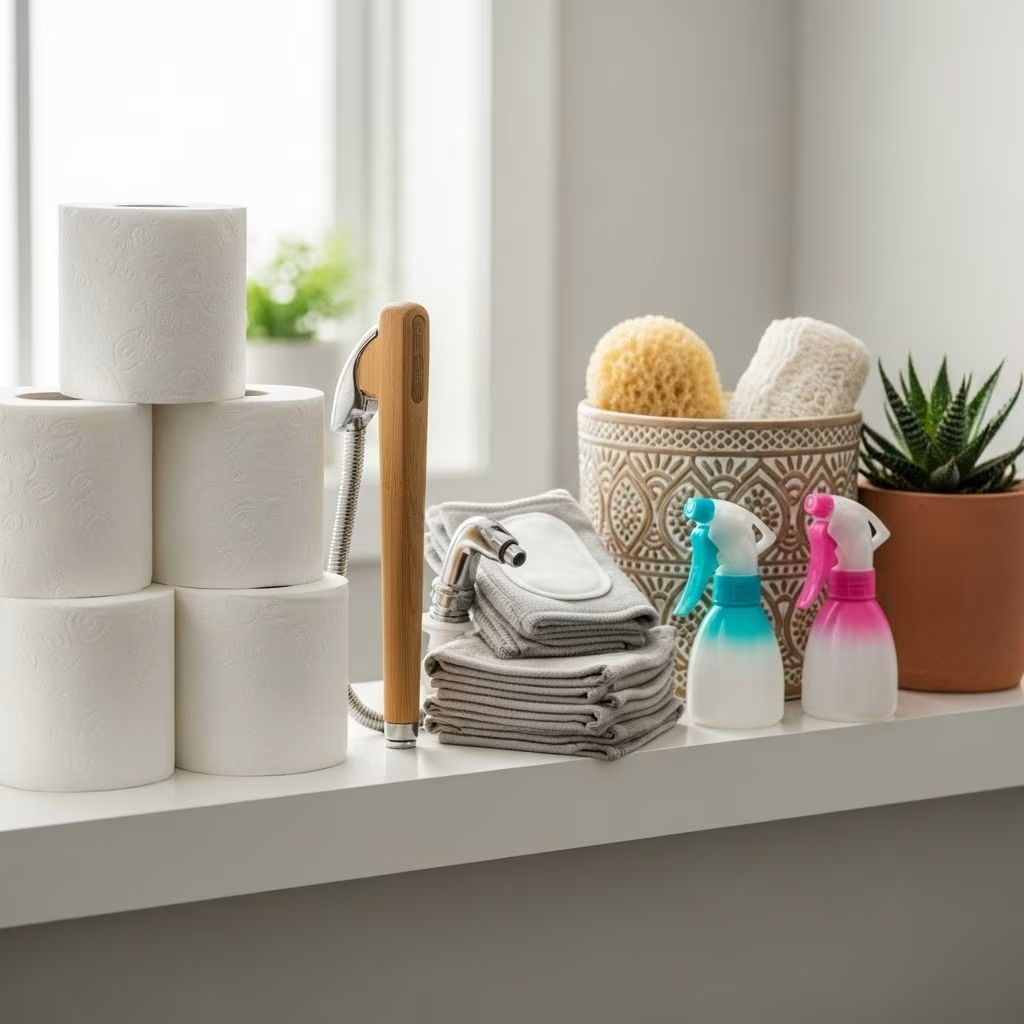
The humble roll of toilet paper sitting in your bathroom might seem like an unchangeable necessity, but growing environmental concerns and innovative alternatives are challenging this assumption. As households worldwide reassess their consumption habits, toilet paper alternatives have emerged as practical, sustainable, and often more hygienic options worth serious consideration.
Traditional toilet paper production consumes vast quantities of trees, water, and energy while contributing to deforestation and environmental degradation. Meanwhile, alternatives ranging from high-tech bidets to eco-friendly bamboo paper offer compelling benefits that extend beyond environmental impact to include cost savings, improved hygiene, and enhanced comfort.
Understanding the Environmental Impact of Traditional Toilet Paper
Before exploring alternatives, it’s essential to understand why change matters. Conventional toilet paper manufacturing relies heavily on virgin wood pulp, requiring the harvesting of millions of trees annually. The production process demands significant water consumption and energy expenditure, with some estimates indicating that recycled alternatives reduce energy consumption by 28%-70% compared to virgin paper production.
The environmental footprint extends beyond production. Transportation, packaging, and eventual decomposition in landfills or sewage systems all contribute to the ecological burden. For environmentally conscious consumers, these factors make exploring alternatives not just reasonable but necessary.
Water-Based Cleansing Systems: The Bidet Revolution
Perhaps the most transformative toilet paper alternative is the bidet, a fixture that has long been standard in many parts of the world. A bidet is a French invention designed to wash your private areas using water, eliminating or significantly reducing the need for bathroom tissue. After cleansing, you simply towel yourself dry, or opt for more advanced models equipped with air-drying features.
Modern bidets come in various forms, from standalone fixtures to convenient attachments that install directly onto existing toilets. These attachments have made bidets accessible to households without extensive bathroom renovations, democratizing this superior cleansing method.
Benefits of Bidet Systems
Water-based cleansing removes residue more thoroughly than dry wiping alone, reducing friction against sensitive tissue while eliminating particles that paper might miss or inadvertently spread. This enhanced cleanliness provides particular value for individuals with sensitive skin, hemorrhoids, or those recovering from childbirth.
From an economic perspective, bidets offer substantial long-term savings. While the initial investment ranges from affordable attachments to premium electronic models, the reduction in toilet paper consumption quickly offsets the cost. Households can reduce their toilet paper usage by 75% or more, translating to significant annual savings.
Environmentally, bidets dramatically reduce paper consumption, saving trees and reducing the carbon footprint associated with toilet paper production and transportation. The water usage is minimal compared to the water required to manufacture toilet paper.
Additional Water-Based Options
Beyond traditional bidets, other water-based alternatives include handheld sprayers, portable squeeze bottles, and traditional vessels used in various cultures. The tabo, a Filipino invention, involves using a plastic scoop to pour soap and water over your bottom until clean. While it may seem unfamiliar to Western users, numerous tutorials exist to guide newcomers through the proper technique.
These portable options prove especially valuable for travelers, outdoor enthusiasts, or those seeking budget-friendly alternatives to installed bidet systems.
Tree-Free Toilet Paper: Bamboo and Beyond
For those not ready to abandon paper entirely, tree-free alternatives offer a middle ground between environmental responsibility and familiar habits. Tree-free toilet paper is manufactured not from trees but from rapidly renewable fibers like bamboo and sugarcane.
Why Bamboo Makes Superior Toilet Paper
Bamboo toilet paper has emerged as a leading sustainable option due to bamboo’s remarkable growth characteristics. Bamboo grows incredibly fast, with some species achieving growth rates up to three feet per day. Tree-free paper proves more efficient than traditional types because bamboo regenerates in as little as three to four months, whereas trees require up to thirty years to reach harvestable maturity.
Family-owned farms, primarily in China, grow seedling bamboo without fertilizers or pesticides. Importantly, the seedling bamboo used for paper production differs from the varieties that serve as panda food sources, alleviating concerns about wildlife impact.
Bamboo fibers are naturally soft, durable, and absorbent, making them ideal for household paper products. Modern bamboo toilet paper combines strength and softness, offering a comfortable feel without sacrificing durability. The material is naturally hypoallergenic, containing no chlorine, fragrances, or dyes, making it ideal for sensitive skin.
Sugarcane-Based Options
Sugarcane contributes another sustainable fiber source for tree-free toilet paper. During sugar production, manufacturers extract juices from the sugarcane husk, leaving behind dry, fibrous material called bagasse. Rather than burning this husk and contributing to air pollution, manufacturers pulp and bleach the bagasse without using chlorine, then weave the fibers into paper.
Many premium tree-free papers combine bamboo and sugarcane, with bamboo providing strength and sugarcane adding softness. This combination delivers performance comparable to traditional toilet paper while maintaining environmental advantages.
Environmental and Performance Considerations
Paper made with sugarcane and bamboo biodegrades faster than regular wood pulp paper and requires significantly fewer resources to produce. Bamboo toilet paper breaks down efficiently in septic systems, reducing the risk of plumbing issues. The natural fiber composition and lack of chemical additives make it particularly suitable for households with older plumbing or those prioritizing minimal environmental impact in wastewater systems.
The production process avoids many harsh chemicals commonly found in traditional toilet paper manufacturing, including chlorine bleach, which can irritate sensitive skin and pollute waterways.
Recycled Toilet Paper: Giving Paper a Second Life
Recycled toilet paper represents another environmentally conscious option, manufactured from post-consumer recycled content. Any old paper products, including newspapers and office paper, can end up as recycled toilet paper, making excellent use of materials that would otherwise occupy landfills.
Recycled toilet paper reduces overall waste and helps combat deforestation. Because it uses material that would have become waste and requires no new trees, recycled toilet paper alleviates some environmental strain. Studies demonstrate that recycled toilet paper saves trees, uses less water in production, and reduces energy consumption significantly compared to virgin alternatives.
However, recycled options sometimes feel less soft than virgin or bamboo alternatives, and the quality can vary between brands. Some consumers find the texture less appealing, though premium recycled brands have made significant strides in comfort and performance.
Reusable Cloth Alternatives: Family Cloth and Beyond
For those committed to zero-waste lifestyles, reusable cloth alternatives offer the ultimate reduction in bathroom waste. Often called family cloth, these reusable cotton cloths, washcloths, or cut fabric squares provide familiar wiping motions while eliminating single-use products entirely.
Unbleached cotton materials avoid harsh chemicals that can trigger reactions in sensitive skin, while the soft texture reduces chafing compared to repeated paper friction. After use, the cloths go into a designated laundry system, typically involving a sealed container until wash day.
While this option requires adjustment and careful hygiene practices, advocates report that the system becomes routine quickly. Economic savings prove substantial, as the initial cloth investment lasts years with proper care. Environmental benefits include eliminating tree fiber consumption, avoiding microplastics from synthetic wipes, and cutting bulky packaging waste.
Important considerations include establishing clear laundry procedures, using appropriate washing temperatures and detergents, and maintaining separate storage for clean and used cloths. Many families color-code cloths for different uses, maintaining hygiene and organization.
Comparing Costs: Initial Investment vs. Long-Term Savings
Understanding the economic implications of different alternatives helps inform decision-making. Traditional wood pulp toilet paper generally offers the lowest upfront cost and widest availability in supermarkets, especially when purchased in bulk. This affordability and easy accessibility make it the default choice for most consumers.
Bamboo toilet paper typically costs more than budget wood pulp brands, with the higher price reflecting smaller-scale production and eco-friendly manufacturing processes. While more commonly found online or in specialty eco-conscious stores, bamboo options are increasingly available in mainstream retailers as demand grows. Despite higher upfront costs, many consumers consider bamboo a worthwhile investment for sustainability and chemical-free products.
Bidets require initial investment ranging from $30 for basic attachments to several hundred dollars for premium electronic models with features like heated seats, adjustable water pressure, and air dryers. However, the reduction in toilet paper consumption quickly offsets this investment. A household spending $300 annually on toilet paper could recoup a bidet’s cost within a year while enjoying ongoing savings.
Reusable cloth systems require minimal initial investment, primarily the cost of sufficient fabric squares or designated washcloths, plus a sealed storage container. Long-term costs include slightly increased laundry expenses, though these remain far lower than ongoing paper purchases.
Health and Comfort Considerations
Beyond environmental and economic factors, health and comfort play crucial roles in choosing alternatives. Water-based cleansing provides enhanced cleanliness while reducing irritation, making it especially valuable for individuals with hemorrhoids, sensitive skin, or postpartum recovery needs. The gentle rinsing action minimizes friction while thoroughly removing residue.
Bamboo and unbleached alternatives avoid chlorine, fragrances, and dyes that can trigger skin reactions. Most bamboo tissue paper is hypoallergenic, offering a natural option for those with sensitivities. Fragrance-free wipes and unbleached cotton materials similarly avoid harsh chemicals problematic for sensitive skin.
Traditional wood pulp toilet paper varies in quality, with premium brands offering excellent softness, especially in multiple plies. However, lower-quality versions can be rough and may contain chemicals like chlorine bleach that irritate sensitive skin. Both bamboo and quality wood pulp options perform well regarding comfort and strength, though bamboo holds advantages for those with skin sensitivities seeking more natural options.
Installation and Practical Considerations
Practical implementation varies significantly among alternatives. Bidet attachments typically install in 15-30 minutes without professional plumbing assistance, connecting to existing water lines through straightforward mechanisms. Most toilets accommodate standard attachments, though verifying compatibility before purchase prevents complications.
Switching to alternative paper types requires no installation, simply purchasing and using different products. The transition proves seamless for most households, with any adjustment period relating primarily to texture differences rather than functional changes.
Reusable cloth systems require establishing storage and laundry routines. Designating a sealed container for used cloths prevents odors and maintains hygiene until washing. Many families find that dedicating a specific laundry load to these items, using hot water and appropriate detergents, effectively maintains cleanliness and comfort.
Plumbing and Septic System Compatibility
Most alternatives aren’t flushable, even when products carry “flushable” labels. Planning for trash disposal or laundering protects pipes and septic systems from potentially costly damage. This reality check applies particularly to wipes marketed as flushable, which frequently cause plumbing issues despite manufacturer claims.
Both bamboo and wood pulp toilet paper are biodegradable and safe for septic systems. However, bamboo toilet paper tends to break down faster and more efficiently due to its natural fiber composition and lack of chemical additives. This characteristic makes it particularly suitable for households with older plumbing or those prioritizing minimal environmental impact in wastewater systems.
Wood pulp toilet paper generally proves safe for septic systems, though versions with added chemicals or thicker, multi-ply designs may take longer to degrade. For those specifically concerned with waste management and plumbing systems, bamboo toilet paper or bidet systems offer superior options.
Global Perspectives on Toilet Paper Alternatives
Interestingly, 70% of the world doesn’t use toilet paper, relying instead on water-based cleansing methods that Western cultures are only beginning to embrace widely. This global perspective reveals that toilet paper dependency represents cultural habit rather than universal necessity.
Many Asian, Middle Eastern, and European countries have long incorporated bidets or water vessels into standard bathroom fixtures. These regions report high satisfaction with cleanliness and comfort, suggesting that Western hesitation stems primarily from unfamiliarity rather than practical limitations.
As environmental awareness grows and supply chain disruptions highlight toilet paper’s vulnerabilities, Western adoption of global cleansing practices accelerates. The coronavirus pandemic particularly demonstrated toilet paper’s fragility as a supply-dependent commodity, spurring many households to explore more resilient alternatives.
Making the Transition: Starting Small
Transitioning away from traditional toilet paper doesn’t require immediate, complete abandonment. Many households begin by reducing consumption through partial adoption of alternatives. Installing a bidet attachment while maintaining backup toilet paper supplies allows gradual adjustment and confidence building.
Similarly, switching to bamboo or recycled paper maintains familiar habits while delivering environmental benefits. This approach requires minimal adjustment while contributing to sustainability goals.
For those interested in reusable cloths, starting with partial use, such as for liquid-only bathroom visits, eases the transition. Gradually expanding usage as comfort increases creates a sustainable adoption path without overwhelming changes.
Environmental Impact Summary
The cumulative environmental benefits of switching alternatives prove substantial. Reducing tree fiber consumption helps combat deforestation, one of the most pressing environmental challenges. Bamboo’s rapid growth and regeneration without replanting makes it among the most renewable resources on Earth, absorbing more carbon dioxide and producing more oxygen than most trees.
Eliminating microplastics from synthetic wipes protects aquatic ecosystems and reduces plastic pollution. Cutting bulky packaging waste reduces landfill contributions and transportation emissions. Water usage from bidets remains minimal compared to the water required for toilet paper manufacturing, creating net positive environmental outcomes.
These individual choices aggregate into significant collective impact. As more households adopt alternatives, market demand shifts, encouraging manufacturers to prioritize sustainable options and invest in eco-friendly production methods.
Frequently Asked Questions
Q: Are bidets sanitary and hygienic?
A: Yes, bidets are highly sanitary when used properly. Water-based cleansing actually removes residue more thoroughly than dry wiping alone, reducing bacterial presence. Modern bidets include features like self-cleaning nozzles and adjustable water pressure for optimal hygiene. Regular cleaning of the bidet fixture maintains sanitation just like any bathroom fixture.
Q: Does bamboo toilet paper work as well as traditional paper?
A: Modern bamboo toilet paper performs comparably to traditional options in strength and softness. Bamboo fibers are naturally durable and absorbent, and many users find them equally or more comfortable than conventional paper. The main difference lies in environmental impact rather than functionality.
Q: How much money can I save by switching to alternatives?
A: Savings vary based on household size and chosen alternatives. Bidet users typically reduce toilet paper consumption by 75% or more, potentially saving hundreds of dollars annually after the initial investment. Reusable cloth systems offer the greatest long-term savings, essentially eliminating ongoing paper purchases.
Q: Will bamboo toilet paper clog my plumbing?
A: No, bamboo toilet paper typically breaks down faster than traditional paper due to its natural fiber composition and lack of chemical additives. This makes it especially safe for septic systems and older plumbing. Its biodegradability actually reduces clogging risks compared to some conventional papers.
Q: Is it difficult to install a bidet attachment?
A: Most bidet attachments install easily in 15-30 minutes without professional help. They connect to existing water lines using straightforward mechanisms and require only basic tools. Detailed instructions accompany most models, and numerous online tutorials guide the process for various toilet types.
Q: Are reusable cloth alternatives really hygienic?
A: Yes, when laundered properly using hot water and appropriate detergents, reusable cloths are highly hygienic. Many families successfully use this system by establishing clear storage and washing routines. The key is maintaining separation between clean and used cloths and washing at temperatures that ensure sanitation.
Q: Where can I buy bamboo or recycled toilet paper?
A: Bamboo and recycled toilet paper are increasingly available in mainstream retailers, though selection varies by location. Online retailers offer the widest selection, often with subscription options for regular delivery. Specialty eco-conscious stores typically stock multiple brands for comparison.
Q: Do bidets use a lot of water?
A: No, bidets use minimal water per use, typically less than one gallon. This consumption is far less than the water required to manufacture toilet paper, making bidets environmentally advantageous from a water conservation perspective despite adding to household water usage.
References
- https://www.reelpaper.com/blogs/reel-talk/toilet-paper-types-alternatives
- https://raan.com/blogs/news/toilet-paper-alternatives
- https://www.cndonseapaper.com/bamboo-vs-wood-pulp-toilet-papers-which-type-to-choose/
- https://www.ecohiny.com/blogs/news/types-of-toilet-paper-pros-and-cons-of-each
- https://www.medicalnewstoday.com/articles/toilet-paper-alternatives
- https://droppe.com/blog/article/recycled-vs-virgin-toilet-paper-understanding-the-environmental-impact/
- https://blog.whogivesacrap.org/home/bleached-unbleached-toilet-paper