The Essential Baking Equipment Every Beginner Needs
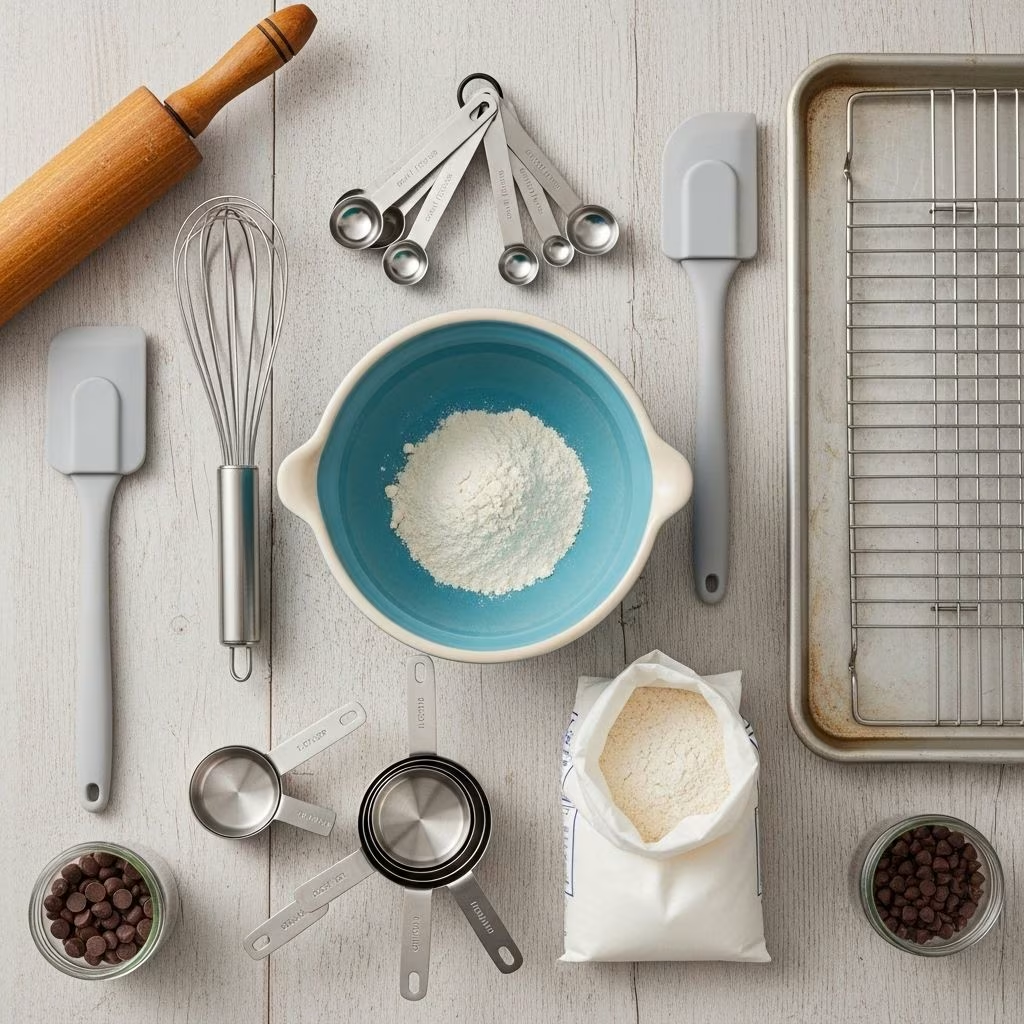
Baking at home can be a truly rewarding and delicious hobby, but for beginners it often starts with the right equipment. Investing in essential baking tools takes the guesswork out of recipes, helps ensure consistent results, and makes baking a more enjoyable and stress-free experience. This guide covers the core gear every novice baker should have, from measuring cups to pans, offering practical buying tips and beginner-friendly insights along the way. Let’s set up your kitchen for baking success!
Why Baking Equipment Matters
Baking is as much a science as it is an art. The right equipment matters for two reasons:
- Accuracy: Measuring precisely means more reliable and repeatable results, especially when you’re learning.
- Ease: The right tools save time and effort, minimize cleaning, and reduce the likelihood of mistakes or failed recipes.
With a modest toolkit of reliable basics, you’ll be equipped for cookies, cakes, bread, brownies, and much more.
Must-Have Baking Tools for Beginners
Let’s break down the key categories and specific items that every aspiring baker should consider for their kitchen:
1. Measuring Tools
- Digital Kitchen Scale: For precision, especially with dry ingredients. Measuring by weight helps reduce errors stemming from ingredient compaction. Digital scales are affordable and easy to use.
- Measuring Cups and Spoons: Both dry and liquid sets are a must. Dry cups for flour, sugar, and cocoa; liquid measuring jugs for milk, oil, and water. Look for sturdy handles and clear markings for accuracy.
2. Mixing Bowls
- Nested Mixing Bowls: Stainless steel, glass, or heavy-duty plastic bowls come in various sizes and nest for easy storage.
- Durable, easy-to-clean bowls make it simple to mix wet and dry ingredients, marinate, or proof dough.
3. Whisks and Mixing Tools
- Whisk: Balloon whisks are ideal for whipping air into eggs or cream, while smaller whisks work for sauces and dressings.
- Spatula (Rubber/Silicone): Flexible spatulas make scraping batter from bowls and folding ingredients seamless. Choose heat-resistant silicone for versatility.
- Wooden Spoon: Classic for stirring doughs, batters or caramel. Wooden tools won’t scratch your bowls or pans.
4. Sieves and Sifters
- Fine Mesh Sieve: Essential for sifting flour, icing sugar, or cocoa to remove lumps and aerate for lighter textures.
- Also useful for dusting baked goods with sugar or cocoa.
5. Baking Pans and Tins
Invest in a few versatile, high-quality pans to get started. Nonstick and heavy-gauge aluminum pans are reliable for even heat distribution.
- Half Sheet Pan: Large but fits standard ovens—great for cookies, scones, or roasting vegetables.
- 8×8-inch Square Pan: Perfect for brownies, small cakes, bars, and coffee cakes.
- 8-inch Round Pans (Set of 2): For cakes and tortes; two pans make layering easy.
- Loaf Pan: Ideal for bread, pound cakes, or meatloaf. Aluminum offers durability and even browning.
- Muffin Tin: A 6- or 12-cup muffin pan opens up muffins, cupcakes, and mini quiches. Paper or silicone liners make removal easier.
| Pan Type | Common Dimensions | Best For |
|---|---|---|
| Half Sheet | 13″ x 18″ | Cookies, biscuits, rolls, roasting |
| Square Pan | 8″ x 8″ | Brownies, bars, coffee cake |
| Round Cake Pan | 8″ | Layer cakes, tortes |
| Loaf Pan | 8.5″ x 4.5″ | Bread, pound cakes, loaf cakes |
| Muffin Tin | Standard 6 or 12-cup | Muffins, cupcakes |
6. Sheet Liners and Mats
- Parchment Paper: Nonstick, easy-release for cookies, cakes, and lining pans. Makes cleanup a breeze.
- Silicone Baking Mats: Reusable, nonstick, and especially useful for sticky doughs or repeated pastry baking.
7. Cooling Racks
- Wire racks are essential for cooling cookies, cakes, and breads. Elevating baked goods allows even air flow and prevents sogginess from trapped steam.
- Look for stainless steel or nonstick-coated racks for durability and ease of cleaning.
8. Thermometers
- Instant-Read Thermometer: Ensures breads, cakes, or custards reach the right internal temperature for doneness and food safety.
- Digital versions offer precision and fast readings, a great asset for any kitchen.
9. Pastry Tools
- Rolling Pin: For rolling out dough for cookies, pies, or biscuits. Wooden or silicone pins are both reliable. Tapered rolling pins offer more control for beginners.
- Pastry Brush: Apply egg wash, glazes, or syrup to pastries, bread, or crusts. Natural bristles or silicone work well.
- Bench Scraper: Handy for dividing dough, scraping counters, or transferring chopped ingredients.
10. Specialty Equipment (For Bakers Ready to Expand)
- Stand Mixer or Hand Mixer: A quality mixer saves time on whipping, beating, or kneading. Hand mixers are budget friendly and versatile for batters.
- Food Processor: For pie crusts, quick doughs, or finely chopping nuts, a basic food processor is a helpful addition.
- Springform Pan: Especially for cheesecakes and tortes. Has a removable base and latch for easy unmolding. Beginners can skip this until they’re ready for more advanced recipes.
Expert Tips for Beginner Bakers
- Quality Over Quantity: Invest in well-made versions of each essential tool rather than a mismatched collection that won’t last. Sturdy pans and reliable tools will serve you for years.
- Start Small: Begin with the basics, then add specialty equipment as your confidence and curiosity grow.
- Read Recipes Fully: Study recipes before starting to understand required equipment and prep steps. This helps you avoid last-minute scrambles or poor substitutions.
- Practice Mise en Place: Measure and prepare all ingredients before starting a recipe. This minimizes mistakes and helps baking feel more enjoyable.
Table: Beginner’s Essential Baking Equipment Checklist
| Baking Tool | Primary Use |
|---|---|
| Digital Kitchen Scale | Weighing all ingredients |
| Measuring Cups & Spoons | Measuring wet and dry ingredients |
| Mixing Bowls | Combining and prepping ingredients |
| Whisk & Wooden Spoon | Whipping, mixing, and folding batters |
| Spatula (Silicone) | Scraping bowls and folding mixtures |
| Mesh Sieve | Sifting dry ingredients, dusting |
| Baking Pans (Variety) | Baking cakes, cookies, bread, muffins |
| Baking Mats/Parchment | Lining pans, preventing sticking |
| Cooling Rack | Cooling baked goods evenly |
| Instant-Read Thermometer | Checking doneness |
| Rolling Pin | Rolling dough for pastries, cookies |
| Pastry Brush | Applying glazes and washes |
How to Choose the Best Baking Tools
- Material: Stainless steel, aluminum, and silicone are durable and easy to clean. Avoid low-quality plastics for items that will touch heat or sticky doughs.
- Size: Select standard sizes so recipes match up and you’re not adjusting batches unnecessarily.
- Care: Dishwasher safe tools make cleaning simpler, but always check product instructions for care recommendations.
Read customer reviews and check for trusted brands known for kitchen equipment. Investing a little more up front will pay off in performance and longevity.
Baking Equipment: Frequently Asked Questions (FAQs)
Q: Can I start baking without all of these tools?
A: Yes. Start with the essentials – measuring tools, a mixing bowl, a pan, and a whisk or spoon – and add other tools as you expand your skills and try new recipes.
Q: Should I use metal, glass, or silicone pans?
A: Each has advantages. Metal (aluminum, steel) conducts heat evenly and browns well. Glass pans retain heat but can brown edges faster. Silicone is nonstick but may not brown as well. For versatility, start with aluminum or nonstick metal.
Q: Why is a digital kitchen scale so important?
A: A digital scale ensures accuracy and consistency, crucial for baking success. Cups can vary depending on how ingredients are scooped; weighing eliminates that guesswork.
Q: Do I really need a cooling rack?
A: Yes. Cooling racks help prevent overbaking and soggy bottoms by allowing air to circulate around baked goods.
Q: What’s the best pan for a beginner cake?
A: An 8-inch round or square aluminum pan is ideal for most beginner-friendly cakes. The size works for small batches and layers.
Q: Is it worth buying a stand mixer right away?
A: Not necessarily. You can achieve most beginner recipes with a hand mixer or even by hand. Invest in a stand mixer only when you bake frequently or tackle more complex recipes.
Beginner Baking: Building Your Confidence
Baking is a journey, and even the most accomplished pros started with simple tools and basic recipes. Don’t be intimidated by fancy gadgets or long checklists—focus on mastering the essentials, and build from there. Each new pan or tool opens up new recipe possibilities. Remember: the best bakers are those who practice, learn from their results, and enjoy every step of the process.
Quick Recap: Starter Baking Equipment Shopping List
- Digital Kitchen Scale
- Measuring Cups and Spoons
- Mixing Bowls (set of 3)
- Whisk
- Spatula (Silicone)
- Wooden Spoon
- Fine Mesh Sieve
- Half Sheet Pan
- 8-inch Round or Square Pan
- Loaf Pan
- Muffin Tin (6- or 12-cup)
- Parchment Paper or Silicone Baking Mat
- Cooling Rack
- Instant-Read Thermometer (optional, but recommended)
- Rolling Pin and Pastry Brush (optional, for pastry work)
With these basics, you’ll be prepared to tackle an impressive range of first bakes—cookies, cakes, muffins, breads, and more. Happy baking!
References
- https://substack.com/home/post/p-143021411
- https://www.youtube.com/watch?v=3zoGQ1IRMUA
- https://www.bbcgoodfood.com/howto/guide/baking-equipment
- https://sallysbakingaddiction.com/14-kitchen-tools-every-baker-needs/
- https://bakabee.com/top-10-essential-baking-tools-for-beginners-part-one/
- https://www.chefsac.com/blogs/news/blog-beginners-guide-to-12-essential-baking-tools
- https://shop.kingarthurbaking.com/tools
- https://www.theperfectloaf.com/my-baking-tools/