The Best Espresso Machines of 2025: Café-Quality Coffee at Home
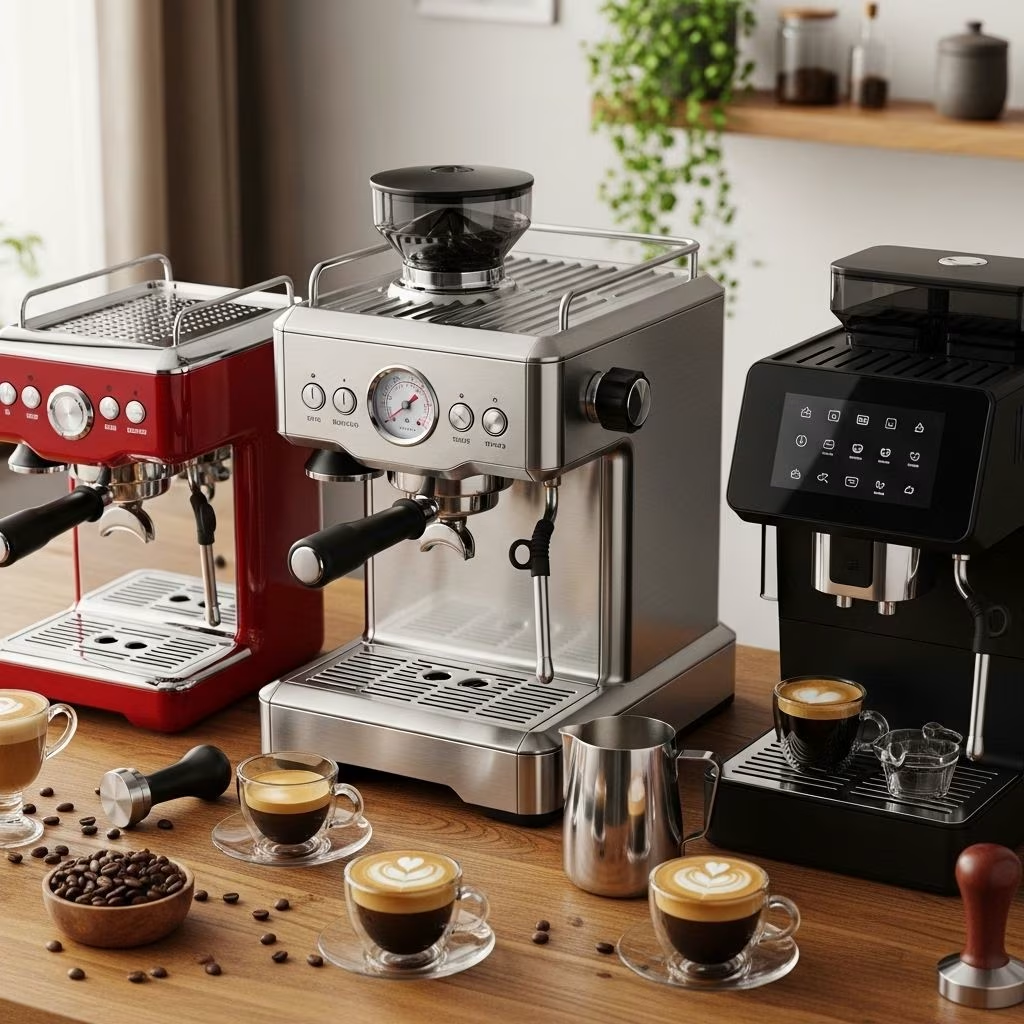
Perfecting espresso in your own kitchen is more attainable than ever. From affordable models that consistently pull strong shots to prosumer machines with café-level control, this comprehensive guide explores the top espresso machines for every coffee lover in 2025. Whether you’re just beginning your home espresso journey or looking to upgrade, this article provides in-depth reviews, useful tips, and essential features to consider when selecting your ideal machine.
Why Invest in an Espresso Machine?
Brewing espresso at home saves money, lets you customize every cup, and elevates your coffee experience. Today’s machines cater to every budget and skill level, often packing in professional-grade components and technology once reserved for commercial cafés. But choosing the right machine can be daunting, given the variety of options now on the market.
Best Budget Espresso Machines (Under $250)
The past few years have seen a quiet revolution in affordable espresso machines. Budget-friendly options are now capable of producing impressive shots and rich crema with basic milk-frothing capabilities. These picks deliver value without the bitter compromises once typical of entry-level gear.
- De’Longhi Stilosa: Frequently hailed as the top pick in its price range, the Stilosa features a 15-bar pump pressure system, manual milk frother, compact footprint, and solid consistency across multiple pulls. For under $100, this machine stands out for reliability and flavor.
- Pros: Compact, affordable, easy to use
- Cons: Manual frother, basic aesthetics
- Breville Bambino Plus: Known for its lightning-fast 3-second heat-up time and automated milk texturing, the Bambino Plus borrows several features from higher-end models. Its self-cleaning wand and small size make it perfect for compact kitchens. Consistently top-rated for minimal effort and maximum taste.
- Pros: Quick start, automated milk steaming, fits small spaces
- Cons: No built-in grinder
- Cuisinart EM-100: A sturdy, compact machine that produces robust, flavorful espresso shots, perfect for everyday use. It’s a favorite among entry-level users aiming for great espresso without overwhelming controls.
Budget Espresso Machines Comparison Table
| Model | Pressure | Milk Frother | Price Range | Footprint |
|---|---|---|---|---|
| De’Longhi Stilosa | 15-bar | Manual | Under $100 | Compact |
| Breville Bambino Plus | 15-bar | Automatic | $200+ | Very Compact |
| Cuisinart EM-100 | 15-bar | Manual | Under $200 | Small |
Top Mid-Range Espresso Machines ($250–$700)
If you’re ready to step up from basic machines, mid-range options offer greater control, better build quality, and often include built-in grinders for a streamlined workflow. Perfect for enthusiasts seeking café-style results at home.
- Breville Barista Express: This all-in-one machine is a classic favorite among home baristas. With a built-in conical burr grinder, precise temperature control, and manual milk frothing, it’s ideal for those ready to move beyond pods and moka pots. User-friendly and reliable.
- Pros: Integrated grinder, durable build, makes learning easy
- Cons: Takes up counter space, grinder may require regular upkeep
- Breville Barista Pro: The modernized sibling of the Barista Express, it features a faster ThermoJet heating system (ready in 3 seconds), an intuitive LCD screen, 30 grind settings, and a four-hole steam tip for superior milk frothing. A step up in both speed and precision for just $100 more than the Express.
- Pros: Quick heat-up, advanced steam wand, shot timer
- Cons: No analog pressure gauge, entirely integrated workflow
- Breville Duo Temp Pro: Beloved for its simplicity and durability, this machine skips complex electronics for reliability and ease of maintenance. Features include a proper metal tamper, magnetic tamper slot, spacious drip tray, and excellent temperature stability.
- Pros: Durable, straightforward, compact but stable
- Cons: No built-in grinder, manual steaming only
Mid-Range Espresso Machines Comparison Table
| Model | Grinder | Heat-Up Time | Steam Wand | Price Range |
|---|---|---|---|---|
| Barista Express | Yes (Burr) | ~60 sec | Manual | $500–$700 |
| Barista Pro | Yes (Burr) | 3 sec | Manual (upgraded) | $600–$800 |
| Duo Temp Pro | No | ~60 sec | Manual | $400–$600 |
Premium and Prosumer Espresso Machines ($800+)
For those chasing barista-level control, taste precision, and luxury finishes, premium machines draw upon commercial DNA to deliver top-notch performance and consistency. Expect more robust engineering, advanced temperature regulation, and the flexibility to master every variable.
- Rancilio Silvia: A favorite for over two decades, the Silvia boasts a commercial-grade brass portafilter, a 300ml stainless steel boiler, and unmatched thermal stability for pulling back-to-back shots. Its reputation stems from consistency and sheer build quality, not flashy extras.
- Pros: Legendary reliability, café-quality components, precision
- Cons: No automation, learning curve for beginners
- Lelit MaraX: Italian design meets user-friendliness in this insulated heat-exchanger machine. Its 1.8L stainless steel boiler, adjustable temperature controls, and compact footprint appeal to both espresso purists and home enthusiasts. Perfect for experimenting with different roast levels.
- Pros: Professional build, customizable settings, quick recovery time
- Cons: Premium price, basic milk frothing compared to café machines
- Breville Oracle Jet: Designed for maximum convenience, the Oracle Jet incorporates Baratza burrs (for integrated grinding), automatic coffee dosing and tamping, touchscreen controls, and fully automatic milk steaming. It even provides real-time shot feedback for fast learning and consistent results.
- Pros: Highly automated, perfect for time-strapped enthusiasts, touch interface
- Cons: Large size, high cost, less hands-on for those seeking manual technique
Premium Espresso Machines Comparison Table
| Model | Boiler Type | Automation Level | Main Features | Price Range |
|---|---|---|---|---|
| Rancilio Silvia | Single (Stainless) | Manual | Commercial build, thermal stability | $800+ |
| Lelit MaraX | Heat Exchanger | Manual | Adjustable temperature, insulated boiler | $1,200+ |
| Breville Oracle Jet | Dual | Automatic | Touchscreen, built-in grinder, auto milk | $2,000+ |
Key Features to Look For in an Espresso Machine
With dozens of models available, understanding the most important features helps narrow your options. Here are the critical components and capabilities to keep in mind:
- Pressure System: Look for models offering at least 9 bars. True espresso requires high pressure for optimal extraction.
- Boiler Type: Single boilers are simpler and cheaper; dual or heat-exchanger boilers allow for seamless espresso brewing and milk steaming.
- Single Boiler: One function at a time.
- Dual Boiler: Brew and steam simultaneously.
- Heat Exchanger: Near-simultaneous with a learning curve.
- Grinder: Many machines now include integrated grinders, simplifying setup. However, separate grinders often deliver better long-term results and upgrade potential.
- Milk Steaming: Options range from fully manual wands to one-touch or automatic frothers. Choose based on your favorite drinks and skill level.
- Automation: Entry-level and premium machines both offer various levels—from full manual control to semi-automatic and even super-automatic one-touch operation.
- Size, Build, and Durability: Consider kitchen space and how often you’ll use your machine. Stainless steel construction lasts longer than plastic; larger boilers and drip trays support frequent use.
- Ease of Cleaning: Features like self-cleaning wands, removable trays, and accessible interiors simplify routine maintenance.
Savvy Buying Tips
- Pair even the best espresso machine with a quality burr grinder. Coffee ground fresh just before brewing makes a noticeable difference.
- Factor in the learning curve. Entry-level machines generally require less skill, but advanced models reward those willing to experiment with grind size, tamping, and temperature.
- Check for after-sales support, warranty coverage, and availability of replacement parts—especially if you plan to use your machine daily.
- If you love lattes and cappuccinos, prioritize a powerful steam wand. Those who drink espresso straight may prefer models with temperature profiling and advanced shot timing.
Frequently Asked Questions (FAQs)
What is the best espresso machine for beginners?
For those starting their espresso journey, the De’Longhi Stilosa and Breville Bambino Plus are recommended due to their ease of use, consistent results, and budget-friendly pricing.
Is a built-in grinder essential in an espresso machine?
A built-in grinder simplifies workflow and saves space, but a separate quality grinder offers more control and often superior grind consistency. For the highest quality, consider a standalone grinder.
Can I make cappuccinos and lattes with a budget espresso machine?
Yes, most budget machines include a manual or automatic milk frother, allowing you to steam milk for classic drinks with a bit of practice.
Should I choose a manual, semi-automatic, or automatic espresso machine?
This depends on your skill level and how much control you want. Manual and semi-automatic machines offer customization and learning opportunities. Automatic and super-automatic models are ideal for convenience and speed.
How do I maintain my espresso machine?
Regularly clean the group head, drip tray, and steam wand. Descale the boiler system every few months, depending on water hardness and usage frequency. Always follow the manufacturer’s maintenance guidelines.
Conclusion: Elevate Your Coffee Ritual
Choosing the best espresso machine means balancing budget, desired features, and the kind of experience you want each morning. Today’s market offers something for everyone—from quick morning brews to true coffee craftsmanship. With the right model, you can enjoy rich, aromatic espresso at home, tailored precisely to your taste.