The Best Gas Leak Detectors for Home and Workplace Safety
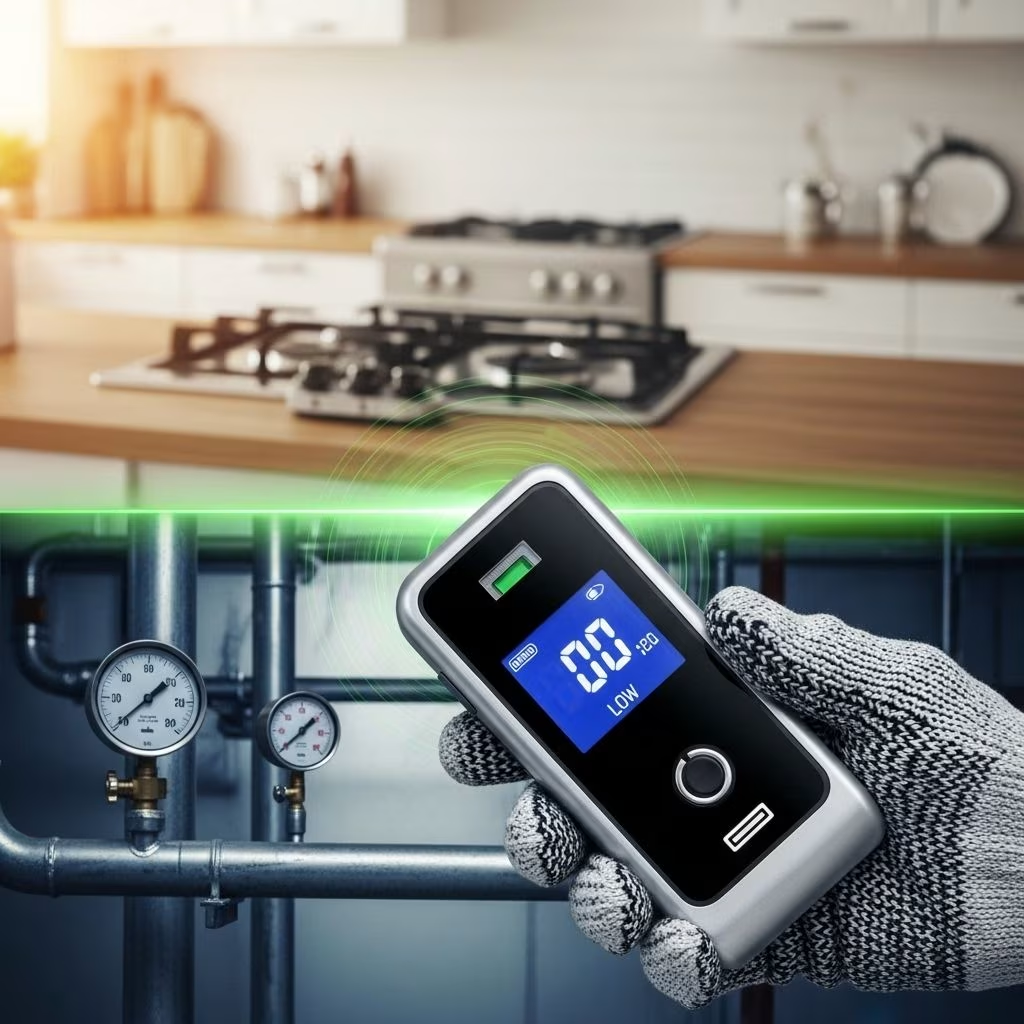
Gas leak detectors are crucial devices for safeguarding homes and workplaces against the dangers of invisible and sometimes odorless gases like natural gas, propane, methane, and carbon monoxide. Whether for residential kitchens, garages, workshops, or industrial settings, the right gas leak detector offers early warnings, helping prevent fires, explosions, and exposure to toxic gases. For 2025, a wide range of detectors are available to cater to specific environments and needs.
Why Gas Leak Detectors Matter
Undetected gas leaks can quickly develop into hazardous situations. Even minor leaks of natural gas or propane can create fire and explosion risks, while carbon monoxide, an odorless and colorless gas, can cause severe health issues or death. Gas leak detectors are designed to monitor, alert, and protect individuals and property. Integrating these devices into your safety practices is an essential step towards a safer home or workplace.
Types of Gas Leak Detectors
Modern gas leak detectors use different sensor technologies and are offered in various designs. Choosing the right detector involves matching features and capabilities to the gases present and the environment to be protected.
- Electronic Gas Leak Detectors: Use chemical sensors to detect the presence of gases and provide immediate alerts. Common for residential and light commercial settings, they’re sensitive and easy to operate.
- Ultrasonic Leak Detectors: Detect sound waves produced by escaping gas at high pressure. Especially useful in industrial environments where quick response is critical and ambient noise is high.
- Infrared Leak Detectors: Identify specific gases based on their unique absorption of infrared light. Highly accurate, with low false alarm rates, and can work in various indoor/outdoor settings.
- Fixed Gas Detectors: Mounted permanently to continuously monitor dangerous gases in specific areas such as utility rooms, basements, or industrial plants.
- Portable Gas Detectors: Handheld units for spot-checks and inspections, ideal for maintenance professionals and on-the-go safety.
- Wireless & IoT Detectors: Provide real-time alerts to smartphones or central monitoring systems; suitable for tech-enabled smart homes or remote monitoring needs.
- Combination Detectors: Capable of detecting multiple gases simultaneously, often chosen for complex environments like industrial facilities where exposure risks are varied.
Detector Sensor Technologies: At a Glance
| Type | How it Works | Pros | Cons |
|---|---|---|---|
| Electronic (Electrochemical) | Sensors react chemically with gases to produce electrical signals | Highly sensitive, quick alert, easy to use | May require regular calibration |
| Ultrasonic | Detects ultrasonic sound from escaping gas under pressure | Non-contact, suitable for noisy and industrial settings | Higher cost, needs professional setup |
| Infrared (IR) | Measures infrared absorption unique to each gas type | Highly accurate, low false alarms, works for many gas types | Expensive, needs periodic maintenance |
| Catalytic Bead | Detects heat from gas oxidation on a bead | Cost-effective for explosive gases | Less durable in high gas environment |
| Heated Diode | Ionizes refrigerant gas to create a signal | Very high sensitivity to refrigerants | Sensor life limited by exposure |
The Top Gas Leak Detectors in 2025
Below is a breakdown of the most reliable and advanced gas leak detectors currently recommended for home and workplace protection. Each offers unique advantages depending on your needs, environment, and budget.
- Forensic Detectors Gas Leak Detector
Versatile and sensitive, this model is equipped with a gooseneck probe ideal for hard-to-reach places, making it especially effective for pinpointing leaks around pipes, valves, and appliances. User-friendly interface and robust build quality make it a favorite for homeowners and professionals alike. - Klein Tools Combustible Gas Leak Detector
Known for its fast response and high accuracy, this detector can sense a wide array of flammable gases. The flexible gooseneck and visual/audible alarms make it especially useful for thorough inspections in residential and small commercial settings. - UEI Gas Leak Detector
Equipped with multiple sensitivity levels, the UEI model features a long gooseneck sensor, clear digital readout, and durable construction. Ideal for HVAC technicians and serious DIYers who need reliability and flexibility. - Ridgid Combustible Gas Leak Detector
Marketed for both home and industrial use, the Ridgid model is praised for its ruggedness, long battery life, and sensitivity to low levels of natural and propane gases. - Inficon Gas Leak Detector
Using advanced sensor technology, Inficon detectors are preferred by professionals for sensitive and accurate leak detection of a wide range of gases, including refrigerants in HVAC environments. - Sensit Leak Detector
Robust and reliable, this model boasts multiple gas-detecting capabilities, a highly visible display, and extensive battery life. Common in fire departments and utility companies. - Extech Gas Leak Combustible Detector
Designed for quick and precise leak detection with its gooseneck probe and fast sensor response. Suitable for both entry-level and advanced users.
Key Features to Consider When Buying a Gas Leak Detector
- Sensitivity and Range: The ability to detect small gas concentrations is crucial for early warnings. Top models typically offer adjustable sensitivity and can detect leaks from multiple types of gases.
- Detection Method: Whether electrochemical, infrared, catalytic bead, or ultrasonic, the type affects sensitivity and suitable application. Choose based on the gas risks present in your environment.
- Display & Alarms: Audible and visual alarms are essential for alerting users immediately to hazards. Look for detectors with clear digital displays showing concentration levels for more precise monitoring.
- Portability & Probe Design: Gooseneck probes offer flexibility for reaching tight spots behind stoves or pipes. Handheld, portable designs are more versatile for mobile use, while fixed units are better for continuous monitoring.
- Battery Life & Power Source: Models with rechargeable batteries or long battery life are more reliable during extended use or in emergency scenarios.
- Calibration & Maintenance: Detectors with easy calibration and low maintenance needs save time and ensure reliability. Infrared sensors, for instance, often require less frequent calibration and have longer lifespans.
- Safety Certifications: Choose units tested to recognized safety standards such as UL, CSA, or NFPA requirements to ensure device reliability.
- Connectivity: Some modern detectors can send alerts to your phone or integrate with smart home systems, providing extra convenience and remote monitoring.
Pros and Cons of Common Gas Leak Detector Designs
| Design | Pros | Cons |
|---|---|---|
| Gooseneck Detectors |
|
|
| Personal Clip Detectors |
|
|
| Wall-Mounted Detectors |
|
|
| Wireless/Smart Detectors |
|
|
How Do Gas Leak Detectors Work?
Gas leak detectors identify hazardous gases by sensing their specific chemical or physical properties. Most home and industrial detectors rely on one of the following methods:
- Electrochemical Sensors: Generate an electrical current when the target gas reacts with the sensor, providing a digital or analog signal to trigger an alarm.
- Catalytic Bead Sensors: Use a bead coated with a catalyst that oxidizes combustible gases, causing a temperature change that’s converted to an electronic signal.
- Infrared Sensors: Measure light absorption at particular infrared wavelengths unique to each gas.
- Ultrasonic Sensors: Pick up high-frequency sound waves emitted by pressurized gas escaping from a leak, even in loud industrial environments.
Where and How to Install Gas Leak Detectors
- Location Matters: Place detectors near appliances or potential leak sources such as gas stoves, water heaters, or furnaces. For lighter-than-air gases (e.g., methane/natural gas), install units near the ceiling; for heavier gases (e.g., propane), install near the floor.
- Environment: Avoid placement near windows, fans, or areas with direct drafts, as airflow may prevent gas from reaching the sensor.
- Accessibility: Wall-mounted and fixed detectors should be in visible, reachable spots for regular testing and maintenance. Portable detectors should be within easy reach during inspections.
- Follow Manufacturer Guidelines: Always adhere to the detector’s manual for installation, calibration, and maintenance schedules to guarantee reliable performance.
Buying Guide: Tips for Selecting the Best Gas Leak Detector
- Assess the types of gas present in your home or workplace (natural gas, propane, CO, etc.).
- Choose a detector with sensitivity and detection range appropriate for your needs.
- Consider whether you need a portable or fixed unit, or a combination of both.
- Evaluate the maintenance schedule: Models with long-life sensors and low calibration needs offer better long-term value.
- Look for instantly readable displays and clear alarm indicators.
- Seek models with safety certifications and compliance with national standards.
- For tech-savvy users, consider models with app integration and real-time alert capabilities.
Frequently Asked Questions (FAQs)
What types of gases can most household gas leak detectors sense?
Most household detectors can sense combustible gases such as natural gas (methane), propane, butane, and sometimes carbon monoxide. Some advanced models also cover refrigerants and hydrogen.
Can I use a gas leak detector outdoors?
While some industrial models are suitable for outdoor use, household gas leak detectors are generally designed for indoor environments, as wind and temperature changes outdoors can affect their accuracy.
How often should I test or calibrate my gas leak detector?
Test your detector monthly using the built-in test function if available. Calibration frequency depends on the sensor type; refer to the manufacturer’s manual—some models require annual checks, while others have long-life sensors needing less frequent calibration.
Are smart gas leak detectors worth it?
Smart models offering app alerts and system integration provide added convenience, remote supervision, and real-time updates. They are especially useful for tech-enabled homes, remote facilities, or users wanting instant notifications.
Where should I install a gas leak detector in my home?
Install close to potential sources of leaks, like gas appliances or furnaces, but away from vents, windows, or sources of drafts. For propane (heavier than air), position near the floor; for natural gas (lighter than air), position near the ceiling.
Can a single device detect both carbon monoxide and combustible gases?
Some combination detectors are designed to sense multiple gases, such as carbon monoxide, methane, and propane. Always check the manufacturer’s specifications to confirm detection capabilities.
Are gas leak detectors safe for pets or children’s rooms?
Yes, most units are safe to use in occupied rooms. However, choose models with tamper-proof designs to prevent accidental deactivation by pets or children.
Do all gas leak detectors have a digital display?
No. Some entry-level detectors use only audible or visual alarms, whereas advanced units feature digital displays for gas concentration, battery status, and error messages.
Final Thoughts
Selecting the best gas leak detector for your needs ensures peace of mind and a safer living or working environment. Carefully compare technologies, features, and certifications before making your investment. Regular maintenance and correct installation further enhance protection, making these devices a smart addition to any safety plan.
References
- https://mfe-is.com/gas-leak-detection/
- https://www.fieldpiece.com/news-articles/better-than-bubbles-the-ins-outs-of-electronic-leak-detectors/
- https://cdsentec.com/choosing-the-right-gas-leak-detector/
- https://www.forensicsdetectors.com/blogs/articles/best-explosive-gas-leak-detector
- https://blog.msasafety.com/hvac-r-aspirated-systems-vs-diffusion-point-detectors-why-the-benefits-outweigh-the-cost/
- https://denovadetect.com/blogs/posts/choosing-best-natural-gas-alarm
- https://www.co2meter.com/blogs/news/what-is-an-industrial-fixed-gas-detector