Best Home Compost Systems for Cleaner, Greener Living
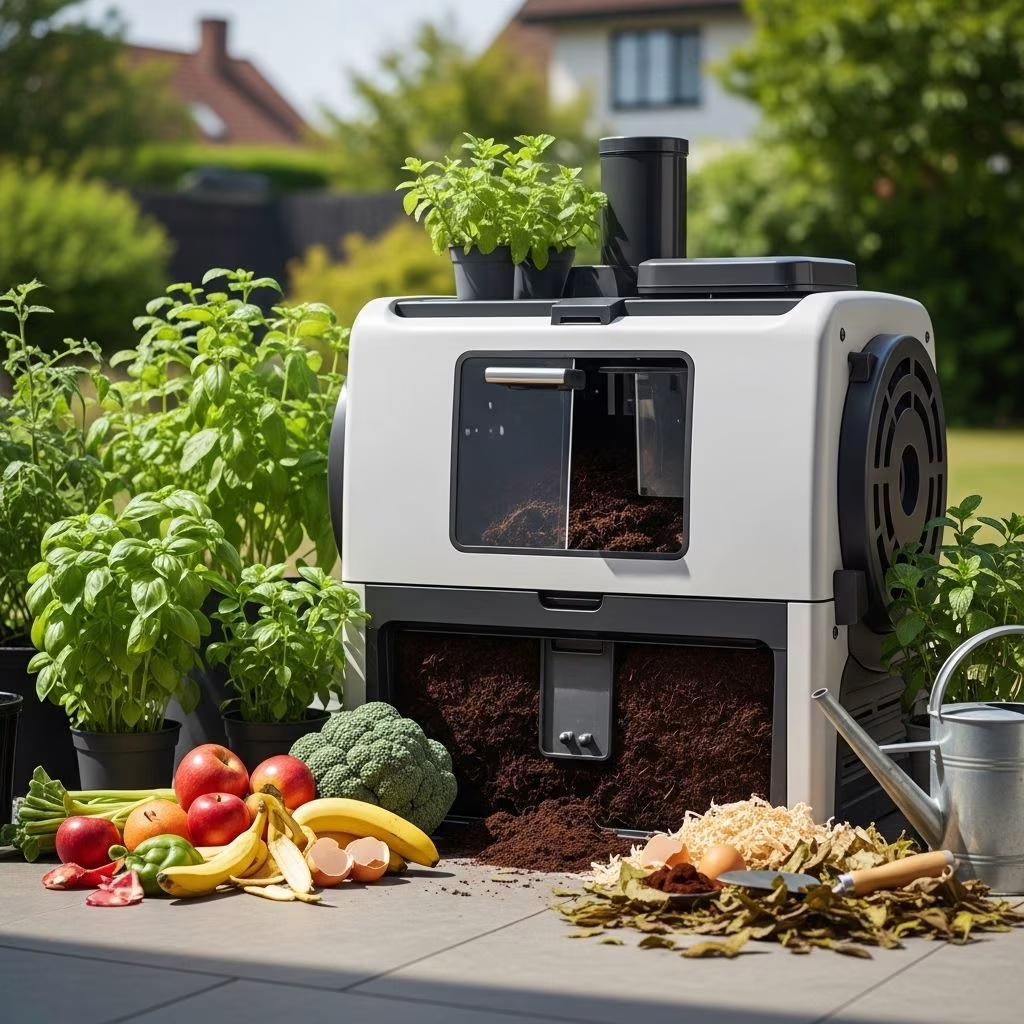
Composting at home is rapidly becoming an essential practice for eco-conscious individuals and families. Turning kitchen scraps and yard waste into nutrient-rich compost not only reduces landfill contributions but also nourishes garden soil. With advancements in compost bin technology and a wide range of options available, choosing the right system for your space and habits is easier than ever. Below, we explore the top compost systems for homes in 2025, compare bin types, and share tips for effective composting.
Why Compost at Home?
- Reduce household waste: Up to 30% of your waste stream can be composted, relieving landfill pressure and lowering methane emissions.
- Improve soil health: Homemade compost naturally fertilizes your garden, improving soil structure and boosting plant growth.
- Support sustainable living: Composting helps close the loop on food waste, turning refuse into resources.
- Save money: Reduce the need for store-bought soil amendments and fertilizers.
The Top Home Compost Systems of 2025
Home composters now come in various styles, sizes, and levels of complexity. Whether you’re a beginner seeking simplicity or a serious gardener ready for maximum capacity, there’s a compost system for you.
Best Compost Tumblers
Compost tumblers are enclosed containers mounted on a frame, designed to be rotated for aeration and faster decomposition. They keep pests out and make turning compost much easier than manual bins.
- FCMP Outdoor IM4000
- Capacity: 43 gallons (dual chamber)
- Material: 100% recycled, weather-resistant plastic
- Features: Dual chambers allow continuous composting cycles, 360° tumbling design, deep mixing fins, excellent aeration vents
- Pros: Durable in cold climates, great value, includes gloves
- Cons: Can be heavy to rotate when full, initial assembly alignment may challenge some users
- VIVOSUN 43 Gallon
- Capacity: 43 gallons (dual chamber)
- Material: Light PP plastic
- Features: Twin 21.5-gallon chambers, easy assembly (approx. 45 minutes)
- Pros: Affordable, smooth tumbling even when loaded
- Cons: Lighter plastic may be less robust than premium models
- Miracle-Gro Large Compost Tumbler
- Capacity: Large batch capacity
- Material: Heavy-duty construction
- Features: Single chamber, efficient aeration
- Pros: Simple batch composting
- Cons: Single chamber limits continuous use
- Good Ideas Wizard Compost System
- Capacity: 65 gallons
- Material: Reinforced stress points and thick plastic walls
- Features: Wizard system with internal baffles for superior mixing
- Pros: Handles large batches, professional-grade build, reduces composting time by 20%
- Cons: Higher price point, more complex assembly (approx. 2.5 hours), may intimidate beginners
- Jora Insulated Compost Bin
- Capacity: 33 gallons (dual chamber)
- Material: Galvanized steel construction
- Features: Heat-generating, professional-grade insulation, designed for colder climates
- Pros: Fast decomposition, all-weather use
- Cons: Insulation adds to weight and cost
Best Stationary Compost Bins
Stationary compost bins are fixed containers—usually open-bottomed to allow contact with soil microbes, essential for decomposition. These bins suit those with space for a dedicated composting area.
- Blackwall Green Compost Converter
- Capacity: Single bin (cone shape)
- Material: Recycled plastic
- Features: Removable lid, single access hatch, optional base plate
- Pros: Budget-friendly, simple setup, strong warranty
- Cons: Slowest to compost due to thin, non-ventilated sides, limited access
- Modular Wooden Compost Bin
- Capacity: 573 litres
- Material: Sustainably sourced softwood
- Features: Slot-in plank design, insulated cover, accessible from any side, extendable via modules
- Pros: Large capacity, easy filling/access, high internal temperature for fast composting
- Cons: Cover lets in some rain, higher price
Best Compact & Versatile Compost Solutions
- Hozelock EasyMix 2-in-1 Composter
- Capacity: Compact drum
- Material: 90% recycled plastic
- Features: Tumbler for fast composting, liquid collection tank, easy fill/empty
- Pros: Smart, compact, suitable for food and garden waste, vermin-proof
- Cons: Requires regular turning and attention, heavy when full, multiple units may be needed for larger households
- Green Johanna 330 Litre Hot Composter
- Capacity: 330 litres
- Features: Hot composting technology for fast breakdown and versatility
- Pros: Handles diverse waste types, higher processing speed
- Cons: Larger footprint
Types of Compost Bins: A Comparison
| Type | Capacity | Speed | Pros | Cons |
|---|---|---|---|---|
| Tumblers | 18–65 gallons | 4–6 weeks (with regular turning) | Quick, pest-resistant, easy mixing | Can be heavy; periodic assembly challenges |
| Stationary Bins | 300–573 litres | Several months | Large batches, low maintenance, affordable | Slower, limited aeration, may attract pests |
| Hot Composters | Up to 330 litres | 4–8 weeks | Fast, handles more waste types | Requires regular turning, higher cost |
| Electric Kitchen Composters* | 2–5 litres | Hours to days | Convenient, compact, odor-controlled | Expensive, limited output |
*See further reviews for electric composters for kitchen-specific options.
How to Choose the Best Compost Bin for Your Home
- Space: Urban apartments may need compact tumblers or electric kitchen composters. Large gardens suit big bins or modular systems.
- Waste Volume: Estimate how much organic waste you produce weekly to select appropriate bin capacity.
- Composting Speed: Tumblers and hot composters process waste fastest; stationary bins are slower, but handle larger batches.
- Material: Recycled and weather-resistant plastics are durable; wood blends in well with natural surroundings but may need care.
- Easy Access & Assembly: Consider how easily you can fill, empty, and turn the bin, and whether assembly matches your skill level.
- Budget: Bins range from budget plastic models to premium, insulated units.
- Pest Resistance: Tumblers and tightly sealed bins keep pests out, useful for food-rich composting.
What Materials Are Compost Bins Made Of?
- Recycled Plastic: Favored for durability, resistance to rot/rust, and eco-friendliness.
- Galvanized Steel: Provides strength and longevity, often used in premium composters.
- Wood: Sustainable, blends into gardens, requires care to avoid decay and pest infestation.
Tips for Effective Home Composting
- Balance greens and browns: Greens include food scraps; browns are dry leaves, paper. Keep a balanced mix for healthy decomposition.
- Turn regularly: Whether manual or tumbler, aerating the pile speeds up composting and prevents odors.
- Monitor moisture: Compost should be like a wrung-out sponge—not too wet, not too dry.
- Watch temperature: Hot bins and insulated systems heat up faster, accelerating breakdown.
- Keep pests at bay: Use enclosed bins for food-rich compost and avoid adding meats/fats.
What Can You Put in a Compost Bin?
- Yes – Compost these: Fruit and vegetable scraps, coffee grounds, eggshells, tea bags, grass clippings, dry leaves, shredded paper, plant trimmings.
- No – Avoid these: Meat, dairy, oily foods, diseased plants, pet waste, plastic, glass, or metal.
Troubleshooting Common Compost Problems
- Soggy or smelly compost: Add more browns (dry material), turn frequently, check drainage.
- Slow breakdown: Boost air flow, add more greens, ensure adequate moisture and heat.
- Pest issues: Bury food waste, use closed bins or tumblers, avoid meat/dairy.
- Too dry: Sprinkle water and turn pile.
Frequently Asked Questions (FAQs)
Q: What’s the quickest way to produce compost at home?
A: Tumblers and hot composters, when regularly turned and balanced, can produce compost in as little as 4 to 6 weeks.
Q: How much maintenance do compost bins require?
A: Tumblers and hot composters need regular turning and monitoring; stationary bins are lower maintenance but slower.
Q: Can compost bins be used year-round?
A: Most bins, especially insulated or durable plastic models, function year-round—even in colder climates. Composting slows in winter, but doesn’t stop.
Q: Which compost bin is best for small spaces?
A: Compact tumblers, electric kitchen composters, and tightly sealed bins are ideal for apartments or homes without large yards.
Q: What makes compost ready for use?
A: Finished compost is dark, crumbly, and smells earthy—not rotten or sour. It contains no visible food scraps or un-decomposed material.
Conclusion: Find the Perfect Compost System for Your Home
No matter your living space or gardening needs, a well-chosen compost system turns waste into wealth. Consider your waste stream, available space, and commitment to maintenance when selecting the right bin or tumbler. Whether you opt for a robust dual-chamber tumbler, a modular wooden compost bin, or a compact hot composter, sustainable living starts with smart choices at home. Reduce your footprint, enrich your soil, and join the movement for a cleaner, greener planet through home composting.
References
- https://www.greenwashingindex.com/best-eco-friendly-compost-tumbler/
- https://www.gardenersworld.com/reviews/gardening-kit/which-type-of-compost-bin-is-best/
- https://www.thecompostculture.com/best-electric-kitchen-composters/
- https://www.homedepot.com/b/Outdoors-Garden-Center-Composters-Compost-Bins/Best-Rated/N-5yc1vZ2fkpb5uZbwo5q