A well-organized garage is more than just a parking spot for your car—it’s a functional workspace, storage area, and sometimes even a workshop. The key to transforming a cluttered garage into an efficient space lies in choosing the right shelving system. With numerous options available in 2025, from heavy-duty industrial racks to lightweight wire shelves, selecting the perfect garage shelving can feel overwhelming. This comprehensive guide breaks down the best garage shelving units available, helping you make an informed decision based on your specific needs, budget, and space constraints.
Whether you’re storing seasonal decorations, power tools, automotive supplies, or sports equipment, the right shelving system can maximize your vertical space and keep everything accessible. Modern garage shelving has evolved significantly, offering impressive weight capacities, adjustable configurations, and durable materials that withstand harsh garage environments. From freestanding units that require no wall mounting to overhead systems that utilize ceiling space, today’s options cater to every garage size and storage requirement.
Understanding Garage Shelving Types
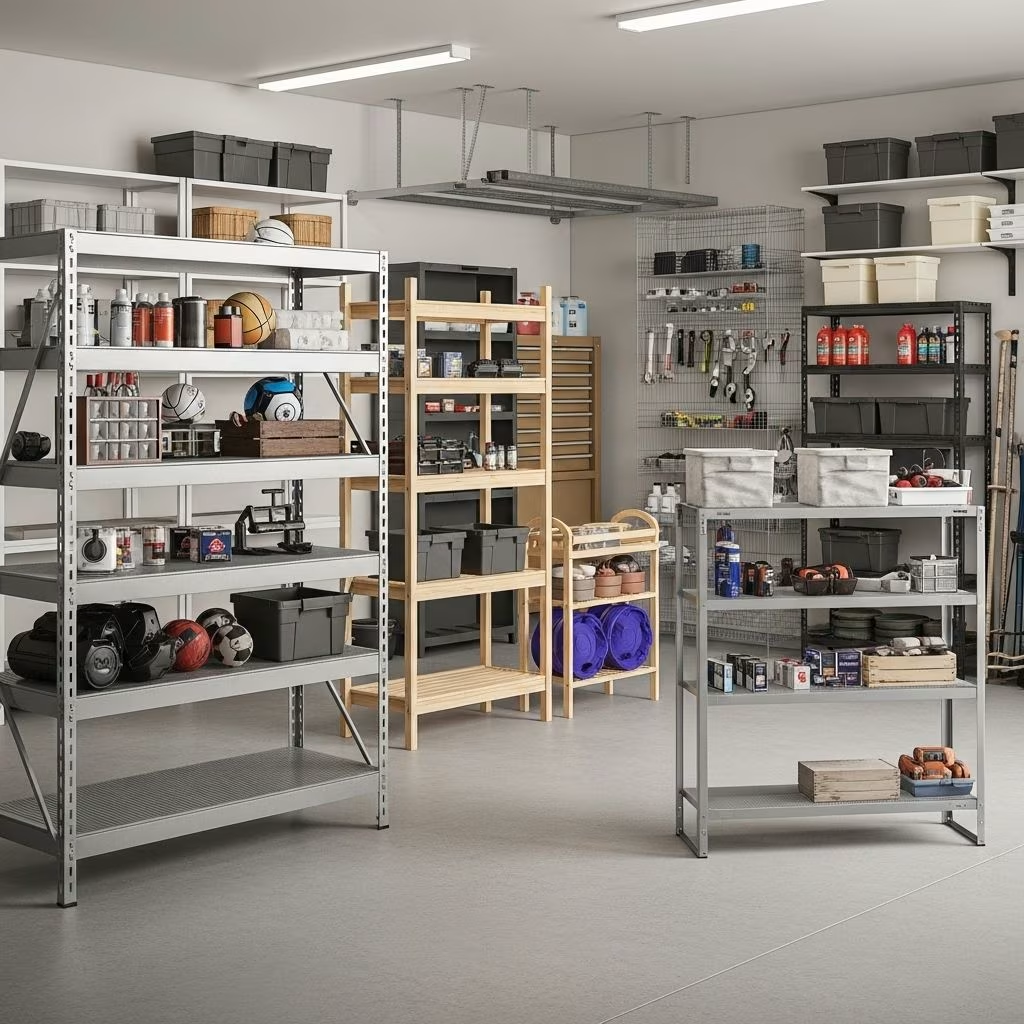
Before diving into specific product recommendations, it’s essential to understand the different types of garage shelving available. Each style offers distinct advantages depending on your storage needs, available space, and budget. The main categories include freestanding metal shelving, wire rack systems, wall-mounted units, overhead storage racks, and pallet-style shelving. Freestanding units are the most popular choice because they require no installation and can be moved as needed, making them ideal for renters or those who frequently reorganize their space.
Wire shelving provides excellent ventilation and visibility, making it perfect for items that need air circulation or for situations where you want to quickly identify stored items. Wall-mounted shelving saves valuable floor space and works exceptionally well in smaller garages, though it requires proper installation into wall studs. Overhead storage racks capitalize on often-wasted ceiling space, ideal for seasonal items or belongings you don’t access frequently. Pallet-style shelving offers industrial-grade storage capacity for extremely heavy items and bulk storage needs.
Top Garage Shelving Units for 2025
The market offers an impressive array of garage shelving solutions, each designed to address specific storage challenges. After extensive research and evaluation of weight capacity, durability, ease of assembly, and overall value, several standout options have emerged as the best choices for different needs and budgets. These top-performing units represent the best combination of quality construction, practical features, and reasonable pricing available in today’s market.
Heavy-Duty Industrial Options
For those who need to store substantial weight, heavy-duty shelving units constructed from powder-coated steel provide exceptional strength and longevity. The DEWALT Steel-Wire Industrial Storage Rack stands out as a premium choice for serious storage needs, featuring a robust construction that can handle significant weight while maintaining stability. Industrial-grade shelving typically includes reinforced frames, thicker gauge steel, and enhanced welding at stress points to ensure maximum durability under heavy loads.
The Husky 4-Tier Industrial Duty Steel Freestanding Shelf has earned recognition for its impressive 10,000-pound total capacity, with each shelf supporting up to 2,500 pounds. This powder-coated steel unit measures 24 inches deep by 77 inches wide by 78 inches tall and weighs 138 pounds, providing substantial storage without requiring wall mounting. The unit’s industrial-grade construction makes it suitable for storing heavy automotive parts, large toolboxes, paint cans, and other weighty garage items that would overwhelm lighter shelving systems.
Another noteworthy heavy-duty option is the WorkPro 68-inch 4-Tier Metal Garage Shelving Unit, which offers a 7,200-pound total capacity with 1,800 pounds per shelf. At 24 inches deep by 68 inches wide by 65 inches tall, this unit provides ample storage while fitting comfortably in most garage spaces. The powder-coated finish resists rust and corrosion, essential for garage environments where temperature fluctuations and humidity can accelerate metal deterioration.
Best Portable Shelving Solutions
Mobility adds significant value to garage shelving, allowing you to reconfigure your space as needs change or move units closer to your work area for specific projects. The Seville Classics Commercial-Grade 5-Tier Shelving exemplifies excellent portable design with integrated locking wheels that enable easy movement while preventing unwanted rolling. This steel-wire construction unit supports up to 4,000 pounds total weight and comes in multiple size options to fit various garage dimensions.
Portable shelving units typically feature four or more heavy-duty casters, with at least two equipped with locking mechanisms. This design allows you to roll the unit across smooth garage floors with minimal effort, then secure it firmly in place once positioned. The ability to move shelving proves particularly valuable when cleaning your garage, reorganizing seasonal storage, or temporarily creating additional workspace for large projects that require more floor area.
Budget-Friendly Storage Options
Quality garage shelving doesn’t necessarily require a substantial investment. The Gracious Living Medium-Duty Shelf Unit demonstrates that affordable options can still provide reliable storage for lighter items and everyday garage necessities. Budget-friendly shelving typically uses lighter materials like plastic resin or thinner gauge metal, resulting in lower weight capacities but perfectly adequate performance for storing bins, boxes, and smaller tools.
The Sakugi 5-Tier Wire Shelving Unit represents another excellent budget option, offering 1,000 pounds total capacity at an economical price point. Measuring 33 inches wide by 12.6 inches deep by 72 inches tall, this compact unit fits easily in tighter spaces while providing vertical storage for household essentials and lighter garage items. The metal wire construction includes four adjustable leveling feet and a wall-anchoring kit to ensure stability, making it suitable for storing boxes, smaller tools, and automotive supplies.
When considering budget options, focus on your actual storage needs rather than maximum weight capacity. If you primarily store plastic bins filled with seasonal decorations, holiday items, or sporting equipment, a medium-duty shelf unit will serve you well for years while keeping hundreds of dollars in your pocket for other garage improvements.
Specialized Shelving Solutions
Wall-Mounted Systems
Wall-mounted shelving maximizes floor space, creating a cleaner, more organized garage appearance while keeping stored items easily accessible. The FLEXIMOUNTS Garage Shelving offers an excellent wall-mounted solution, utilizing vertical wall space that often goes unused. These systems require proper installation into wall studs to safely support weight, but once installed, they provide stable, long-lasting storage that doesn’t consume valuable floor area needed for vehicles or workspace.
Wall-mounted systems work particularly well for storing smaller, frequently accessed items like hand tools, spray paints, fasteners, and automotive fluids. They also excel in workshops where floor space is at a premium, allowing you to keep supplies within arm’s reach while maintaining clear walking and working areas. When installing wall-mounted shelving, always use a stud finder to locate solid mounting points and follow manufacturer specifications for weight distribution to prevent sagging or failure.
Overhead Storage Racks
Ceiling space represents one of the most underutilized storage areas in most garages. The FLEXIMOUNTS Overhead Garage Storage Rack capitalizes on this wasted vertical space, providing a convenient location for seasonal items, camping gear, luggage, and other belongings you don’t need regular access to. Overhead racks typically mount directly to ceiling joists, creating a sturdy platform suspended above vehicles and workspace.
When selecting overhead storage, carefully measure your garage ceiling height and consider how low the rack will hang once installed. Most overhead systems position storage 12 to 24 inches below the ceiling, and you’ll need adequate clearance for your garage door to open fully and for accessing stored items safely. These systems excel for long-term storage of items like holiday decorations, winter clothing, or sports equipment that only sees seasonal use.
Pallet Rack Systems
For serious storage needs or commercial applications, pallet rack systems provide industrial-strength storage capacity. The Shelving Inc 2-Tier Pallet Rack Starter Unit represents this category, offering the kind of heavy-duty construction found in warehouses and distribution centers. Pallet racks feature wide, deep shelves designed to accommodate pallets or extremely large, heavy items that would overwhelm standard garage shelving.
These systems typically require more floor space and investment but deliver unmatched capacity for bulk storage, making them ideal for contractors, serious hobbyists, or homeowners with extensive storage needs. Pallet racks work exceptionally well for storing lumber, building materials, large equipment, or substantial quantities of seasonal merchandise for online businesses operated from home.
Key Features to Consider
Weight Capacity and Load Distribution
Understanding weight capacity remains crucial when selecting garage shelving. Manufacturers specify both per-shelf and total weight capacities, but these figures assume proper assembly and even weight distribution. The Pro-LifT Heavy Duty 3-Tier Shelving Unit demonstrates the importance of weight specifications, offering 1,000 pounds per shelf capacity and 3,000 pounds total capacity in a compact 48-inch wide by 24-inch deep by 48-inch tall unit weighing just 57 pounds.
Always distribute weight evenly across shelves, placing heavier items on lower shelves for better stability and safety. Concentrated weight in one area can cause shelf sagging or structural failure even if you’re within the stated capacity limits. When storing extremely heavy items like engine blocks, full paint cans, or loaded toolboxes, verify that both the individual shelf and total unit capacity can safely support your intended load with a safety margin.
Material Construction and Durability
Garage shelving materials significantly impact longevity and performance. Powder-coated steel offers excellent durability and rust resistance, making it the preferred choice for most garage applications. The coating provides a protective barrier against moisture, scratches, and chemical exposure common in garage environments. Heavy-duty steel frames with reinforced corners and cross-bracing provide superior stability compared to lighter gauge materials.
Wire shelving, like the Shelving Inc Chrome Wire Shelving, provides excellent visibility and air circulation while resisting rust when properly chrome-plated. However, wire shelves can be more challenging to clean and may allow smaller items to fall through the gaps. MDF board shelving combined with galvanized steel frames, such as the Veikous 5-Tier Storage Shelf, offers smooth surfaces that are easy to clean and dust-resistant, with each shelf adjustable to accommodate items of varying sizes.
Adjustability and Flexibility
Adjustable shelving provides tremendous value by accommodating changing storage needs over time. Most quality garage shelving features shelf positions adjustable in one or two-inch increments, allowing you to customize spacing for tall paint cans, short parts bins, or everything in between. Rivet-design systems like the Shelving Inc 5-Shelf Single Rivet Starter Unit offer tool-free adjustment, enabling you to reconfigure shelf heights quickly as your storage requirements evolve.
Look for units with multiple adjustment options and consider how you’ll use each shelf level. Taller bottom shelves can accommodate five-gallon buckets or larger equipment, while closely spaced upper shelves work well for smaller bins and boxes. The ability to remove shelves entirely for storing extra-tall items adds even more flexibility to your storage system.
Installation and Assembly Considerations
Most freestanding garage shelving requires assembly, with complexity varying from simple bolt-together designs to more intricate systems requiring multiple tools. Boltless designs offer the easiest assembly, using rubber mallet installation to secure shelves without nuts, bolts, or tools beyond what’s included. The Veikous 5-Tier Storage Shelf exemplifies this approach, including a hammer for its rivet-based assembly system that doesn’t require conventional fasteners.
Plan for one to three hours of assembly time for most freestanding units, depending on size and complexity. Having a second person assist with assembly makes the process faster and safer, particularly when positioning large shelves or holding frame components during assembly. Read instructions thoroughly before beginning, organize all hardware, and verify you have necessary tools like adjustable wrenches, rubber mallets, or power drills if required.
Wall-mounted and overhead systems demand more careful installation, requiring proper location of studs or joists, accurate drilling, and secure fastening with appropriate hardware. These installations typically take longer and may benefit from professional assistance if you’re uncomfortable working with power tools or installing heavy overhead components. Never compromise on installation quality for weight-bearing systems—improper mounting can result in dangerous failures.
Maximizing Your Garage Storage
Effective garage organization extends beyond simply purchasing shelving. Start by sorting items into categories: frequently used tools and supplies, seasonal items, long-term storage, and items for disposal or donation. Place frequently accessed items on eye-level shelves for easy retrieval, while seasonal or rarely used items can go on higher shelves or overhead storage. Heavy items always belong on lower shelves for safety and stability.
Use clear plastic bins to group similar items and label everything clearly for quick identification. Bins protect contents from dust and moisture while making it easy to slide entire collections of related items in and out of shelving. Consider adding shelf liners to protect shelving surfaces and prevent small items from sliding, particularly useful on wire shelving where thin items might otherwise slip through gaps.
Combine different shelving types strategically throughout your garage. Wall-mounted shelves work excellently near workbenches for frequently used tools, while freestanding units handle bulk storage along perimeter walls. Overhead racks take care of seasonal items, and portable units can move as needed for project-specific storage. This multi-layered approach maximizes every cubic foot of available garage space.
Maintenance and Long-Term Care
Quality garage shelving requires minimal maintenance but benefits from occasional attention. Periodically inspect shelving for signs of stress, rust, or damage, particularly at weight-bearing joints and connections. Tighten any loose bolts or fasteners and address rust spots promptly by cleaning the area and applying rust-inhibiting primer and paint if necessary. Powder-coated finishes generally resist corrosion well but can be damaged by impacts or scratches that expose bare metal.
Keep shelving clean by regularly removing dust and debris, which helps you spot potential problems and maintains a more pleasant working environment. For MDF board shelving, avoid excessive moisture exposure and clean spills promptly to prevent swelling or deterioration. Wire shelving benefits from occasional cleaning with a damp cloth or vacuum attachment to remove accumulated dust that can be difficult to reach between wires.
Reassess weight distribution annually, particularly if you’ve added storage or reorganized items. What started as evenly distributed weight might have become concentrated as you’ve added more items over time. Redistributing weight helps prevent shelf sagging and extends the life of your shelving system. If you notice any shelf bowing or signs of stress, immediately reduce the weight on that shelf and consider upgrading to a higher capacity unit if necessary.
Comparing Popular Garage Shelving Options
| Brand/Model | Type | Weight Capacity | Dimensions | Best For |
|---|---|---|---|---|
| DEWALT Steel-Wire Industrial Rack | Freestanding Wire | High Capacity | Standard | Heavy-duty storage |
| Seville Classics 5-Tier | Portable Wire | 4,000 lbs total | Multiple sizes | Mobility and flexibility |
| Husky 4-Tier Industrial | Freestanding Steel | 10,000 lbs total | 77″W x 24″D x 78″H | Maximum capacity |
| FLEXIMOUNTS Wall Shelving | Wall-Mounted | Varies | Customizable | Space-saving |
| FLEXIMOUNTS Overhead Rack | Ceiling-Mounted | Varies | Customizable | Seasonal storage |
| Gracious Living Medium-Duty | Freestanding Resin | Medium Capacity | Standard | Budget-friendly |
| Veikous 5-Tier Storage | Steel Frame/MDF | 2,000 lbs total | 47.8″W x 23.8″D x 72″H | Clean surfaces, adjustability |
Making Your Final Decision
Selecting the right garage shelving ultimately depends on your specific situation, storage needs, and budget constraints. Begin by carefully measuring your available space, including ceiling height, wall dimensions, and floor area. Consider what you’ll be storing and estimate the total weight to ensure you choose shelving with adequate capacity. Think about access frequency—items you use daily deserve prime placement on easily reachable shelves, while seasonal items can go in less convenient locations.
Don’t overlook future needs when making your decision. If you anticipate accumulating more tools, equipment, or stored items, invest in shelving with excess capacity now rather than needing to upgrade later. The incremental cost of heavy-duty shelving proves worthwhile when it prevents having to replace inadequate units down the road. Similarly, adjustable shelving provides flexibility to adapt to changing storage requirements without purchasing entirely new systems.
Consider your garage’s environmental conditions when selecting materials. Garages subject to high humidity, temperature extremes, or potential water exposure need shelving specifically designed to withstand these conditions. Powder-coated steel and galvanized finishes offer the best protection against rust and corrosion. Finally, factor in assembly requirements and installation complexity—be honest about your DIY skills and available time, and don’t hesitate to choose simpler options or seek professional installation if needed.
Frequently Asked Questions
Q: What weight capacity do I actually need for garage shelving?
A: Most homeowners find that 1,500 to 2,000 pounds per shelf handles typical garage storage needs comfortably. Heavy-duty options with 2,500+ pound capacities per shelf suit commercial applications, serious workshops, or bulk storage of building materials. For lighter storage like plastic bins and seasonal items, 500 to 1,000 pounds per shelf suffices. Always include a safety margin—don’t load shelves to their maximum rated capacity.
Q: How do I prevent garage shelving from tipping over?
A: Ensure shelving stands level on a flat surface using adjustable feet if provided. Place heavier items on lower shelves to maintain a low center of gravity. Many freestanding units include wall-anchoring hardware—use it even if not strictly required, especially in earthquake-prone areas or homes with children. Avoid overloading upper shelves and distribute weight evenly across each shelf rather than concentrating it in one area.
Q: Can I use garage shelving outdoors or in damp environments?
A: While most garage shelving can tolerate the temperature variations and moderate humidity typical of garages, extended outdoor exposure or consistently damp environments require special consideration. Look for powder-coated steel or galvanized finishes specifically rated for outdoor use. Plastic or resin shelving handles moisture better than metal but typically offers lower weight capacity. Apply rust-inhibiting treatments to metal shelving in high-humidity environments and avoid MDF board shelves where moisture is a concern.
Q: How much clearance space should I leave around garage shelving?
A: Allow at least 36 inches of clearance in front of shelving for comfortable access and maneuvering items on and off shelves. Leave 3 to 6 inches between shelving units and walls to prevent damage from shifting or settling and to allow air circulation. When placing shelving near garage doors, ensure at least 12 inches clearance from the door’s swing path or opening mechanism. Consider vehicle door swing if parking near shelving—you need adequate space to fully open car doors without hitting shelving units.
Q: Is wire shelving or solid shelving better for garages?
A: Wire shelving excels in visibility and air circulation, making it ideal for items needing ventilation or situations where you want to quickly identify stored items. It resists rust when properly coated and allows light to pass through, brightening storage areas. However, small items can fall through, and wire can be harder to clean. Solid shelving (metal or MDF) provides flat surfaces perfect for smaller items, easier cleaning, and a more finished appearance but blocks visibility and air flow. Many homeowners successfully combine both types, using wire shelving for larger items and solid shelves for small parts and tools.
References
- https://www.thisoldhouse.com/garages/best-garage-shelving
- https://www.garagegymreviews.com/best-garage-shelving
- https://www.caranddriver.com/car-accessories/g61876654/best-garage-shelving-tested/
- https://www.lowes.com/n/buying-guide/garage-storage-buying-guide
- https://www.veikous.com/blogs/news/best-shelves-for-garage-in-2025
- https://www.homedepot.com/b/Garage-Garage-Storage-Garage-Shelving-Metal-Shelving/Best-Rated/N-5yc1vZccymZbwo5q