The Best Juicers of 2025: Expert Picks for Every Kitchen
Fresh, vibrant juice is more than a trend—it’s a delicious pathway to better health and daily wellness. Whether you’re a green juice devotee, a fruit smoothie fanatic, or new to home juicing, the right juicer makes all the difference. In 2025, the market delivered innovative machines to suit every budget, space, and health goal. We rigorously tested dozens of juicers, evaluating yield, ease of use, cleanup, and overall value, so you can find your ideal match and unleash juice-bar-level results at home.
Why Juice at Home?
Juicing at home delivers key benefits over bottled juice or juice bars:
- Maximum freshness: Enjoy produce at its nutritional peak, without preservatives or excess sugar.
- Lower costs: Save money in the long run compared to store-bought juices or cafes.
- Ingredient control: Tailor flavors, nutrients, and sugar content to your needs.
- Eco-friendliness: Reduce packaging waste and support local produce when possible.
Juicer Types: Masticating vs. Centrifugal
Understanding how juicers work will help you decide which type fits your routine:
- Masticating (Slow/Cold Press) Juicers: Use a slow auger to crush and press produce, yielding nutrient-rich juice with less heat and oxidation. Ideal for leafy greens, wheatgrass, and delicate herbs. Usually quieter and can make baby food, nut milks, or sorbets with accessories.
- Centrifugal Juicers: Spin produce at high speeds to separate juice from pulp quickly. Best for hard fruits and vegetables (carrots, apples), but less efficient with leafy greens. Typically more affordable and fast but noisier, with more foam in the juice.
Top Juicer Recommendations for 2025
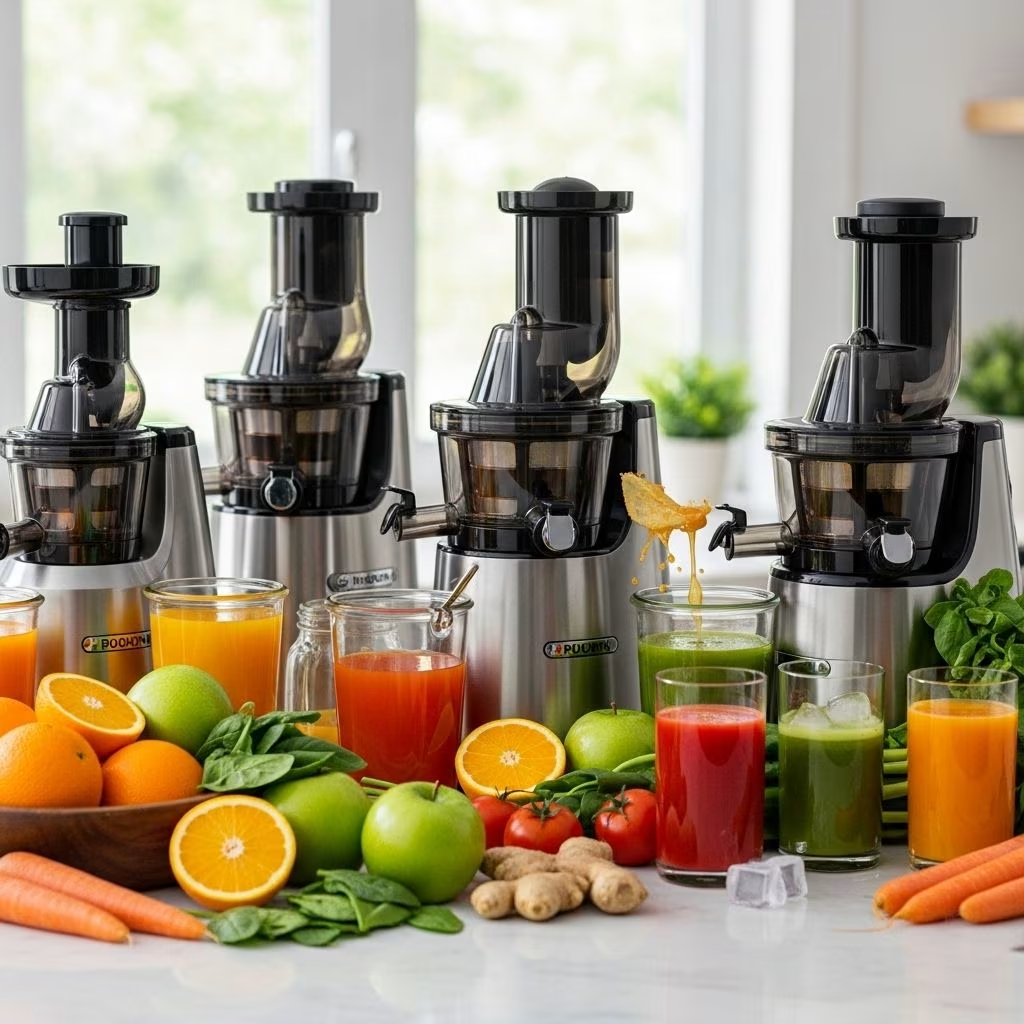
After extensive kitchen testing and hands-on evaluation, these are our top juicer picks for every need and budget in 2025:
Kuvings AUTO 10 Plus
Best Premium Masticating Juicer for Families
- Price: $739.99
- Use: Household/Families
- Type: Masticating (Cold Press)
- Motor: 240W, 50 RPM
- Capacity: Huge 100-ounce hopper (up to 4-5 cups per batch)
- Dimensions: 8.2 x 10 x 20.8 inches
- Weight: 17.4 lbs
- Pros:
- Self-feeding, hands-off hopper for big batches and easy family use
- Produces smooth, nearly pulp-free juice with quiet operation
- Versatile—makes nut milks, smoothies, sorbets
- Excellent yield, maximizing juice from each fruit and vegetable
- Cons:
- Large and heavy—requires dedicated counter space
- Premium price point
- Requires more cleanup time (but brush is included)
This powerhouse juicer is optimal for families or juice enthusiasts who prep big batches. Its hands-free hopper and low-RPM motor protect nutrients and simplify the juicing process, while versatile attachments expand possibilities from sorbets to nut milks. The investment is steep, but the performance is unmatched for high-volume juicing.
Nama J3 Cold Press Juicer
Best Cold Press for Greens and Health-Focused Juicing
- Price: $450
- Type: Masticating (Cold Press)
- Warranty: 15 years
- Dimensions: 8.9 x 6.5 x 15.4 inches
- Weight: 9.7 lbs
- RPM: 50
- Pros:
- Superb at juicing leafy greens, celery, and wheatgrass
- Easy cleanup and assembly
- Quiet performance
- High yield with smooth, pulp-free results
- Long warranty for peace of mind
- Cons:
- Slightly higher cost than many centrifugal models
- May need to tip or tilt to get every drop of juice
If you’re serious about daily green juices or want the freshest cold-pressed results, the Nama J3 is a standout for nutrient retention and flavor. Cleanup is straight-forward, making this machine ideal for regular juicing with minimal hassle.
Ventray Ginnie Slow Mini Juicer
Best Compact Juicer for Travel and Small Spaces
- Price: $59.99
- Type: Masticating
- Dimensions: 4.8 x 4 x 11.9 inches
- Weight: 2.25 lbs
- RPM: 60
- Pros:
- Extremely compact—fits in tiny kitchens or backpacks
- Lightweight and travel-ready
- Very quiet operation
- Quick and simple to clean with included brush
- Great for occasional juicing or shots (ginger, wheatgrass, etc.)
- Cons:
- Tiny chute—requires extra chopping/prep
- Not suited for large batches or family use
Perfect for singles, travelers, or anyone with limited counter space, the Ventray Ginnie produces surprisingly high-quality juice for its size. It’s not built for mass production, but its size, simplicity, and price make it uniquely appealing.
Ventray Max 120 Wide Feed Chute Cold Press Juicer
Best Value Juicer for Whole Fruits and Families on a Budget
- Price: $129.99
- Type: Masticating
- Chute Size: 4.7-inch (wide enough for whole apples)
- Dimensions: 7.72 x 6.57 x 16.85 inches
- Weight: 8.42 lbs
- RPM: 40–60
- Pros:
- Wide chute saves time—less prep required
- Impressive juice yield and nutrient retention
- Affordable given its capacity and quality
- Kid-friendly for hands-on juicing
- Cons:
- Not as fast as centrifugal juicers
- Cannot juice certain items (sugar cane, bananas)
With a massive feed chute and a reasonable price tag, this juicer is ideal for families who want to make big batches without meticulous prep. With good yield and simple controls, it bridges the gap between premium and affordable machines.
Juicer Comparison Table
| Model | Type | Price | Best For | Dimensions | Chute Size | Weight | RPM |
|---|---|---|---|---|---|---|---|
| Kuvings AUTO 10 Plus | Masticating | $739.99 | Families, big batches | 8.2 x 10 x 20.8″ | 100-oz hopper | 17.4 lbs | 50 |
| Nama J3 Cold Press | Masticating | $450 | Greens, health juice | 8.9 x 6.5 x 15.4″ | Standard | 9.7 lbs | 50 |
| Ventray Ginnie Mini | Masticating | $59.99 | Travel, small spaces | 4.8 x 4 x 11.9″ | 1.8″ | 2.25 lbs | 60 |
| Ventray Max 120 | Masticating | $129.99 | Whole fruits, families | 7.72 x 6.57 x 16.85″ | 4.7″ | 8.42 lbs | 40–60 |
How We Tested the Juicers
Each juicer faced hands-on trials with a spectrum of fruits and vegetables— from sturdy carrots and apples to leafy greens and soft berries. Key metrics included:
- Juice yield: How much juice produced from a fixed quantity of produce?
- Flavor & texture: Pulp level, foam, and taste clarity.
- Cleanup: Time required, ease of disassembly, dishwasher-safe parts.
- Noisiness: Decibel levels measured during operation.
- Build quality: Materials, warranty, and expected durability.
- Extras: Accessories (brushes, sorbet makers, etc.) and overall user-friendliness.
How to Choose the Right Juicer for You
Finding your perfect juice machine depends on your goals, kitchen space, and favorite produce. Here are the top factors to consider:
- Juice Volume: Frequent, large-batch juicing favors bigger (often pricier) models. For occasional or single-serve use, compact or mini juicers suffice.
- Type of Produce: If you love leafy greens or wheatgrass, seek slow, masticating models. Fans of hard fruits and veggies can go with centrifugal machines.
- Counter Space: Weigh the footprint and storage needs—some masticating juicers are heavy and tall.
- Easy Cleaning: Look for dishwasher-safe parts and quick disassembly—especially if you juice daily.
- Budget: Entry-level compact juicers start at under $100, while premium slow juicers can exceed $700.
- Noise: Slow/masticating juicers are consistently quieter than centrifugal options.
Frequently Asked Questions (FAQs)
Q: What’s the difference between masticating and centrifugal juicers?
A: Masticating juicers crush and press produce slowly, preserving more nutrients and minimizing heat. Centrifugal juicers spin produce rapidly, which is faster but increases oxidation and usually produces more foam. Masticating juicers are better for leafy greens, while centrifugal options are preferred for quick, budget-friendly hard fruit juicing.
Q: Can I juice leafy greens or wheatgrass with any juicer?
A: While most juicers can handle leafy greens, a slow masticating juicer is much more efficient and yields more juice from produce like kale, spinach, or wheatgrass. Centrifugal juicers tend to leave greens relatively dry and yield less.
Q: What juicer is best for families?
A: For frequent, large-batch juicing, the Kuvings AUTO 10 Plus offers ample capacity, hands-off convenience, and versatility suitable for daily family use. The Ventray Max 120 is a more affordable wide-chute option for families on a budget.
Q: How hard is cleanup?
A: Cleanup varies significantly. Many modern juicers include brushes and accessible parts. Compact and mid-size models like the Ventray Ginnie or Nama J3 are designed for faster, easier cleaning, while large-capacity models may require more effort but usually include specialized cleaning tools.
Q: Will my juicer work for nut milks or frozen fruit sorbets?
A: Some masticating models (like the Kuvings AUTO 10 Plus) include attachments for making nut milks or frozen sorbets. Always check the manufacturer’s instructions for specialty attachments and safety guidelines.
Essential Buying Tips
- Consider your kitchen space and storage.
- Factor in not just price, but also the cost of replacing filters, parts, and accessories over time.
- Read warranty details—longer coverage suggests a more robust build.
- If possible, test the noise level before buying—especially in open living spaces.
Ready to Juice Smarter in 2025?
Today’s juicer market offers smart machines to match every routine, from green smoothies to morning orange juice to wellness shots. An upfront investment in the right machine will yield benefits in energy, savings, and nutrition for years to come. Explore your options, consider your juicing habits, and take the first step toward a fresher, healthier lifestyle.